Introduction to Li jujube
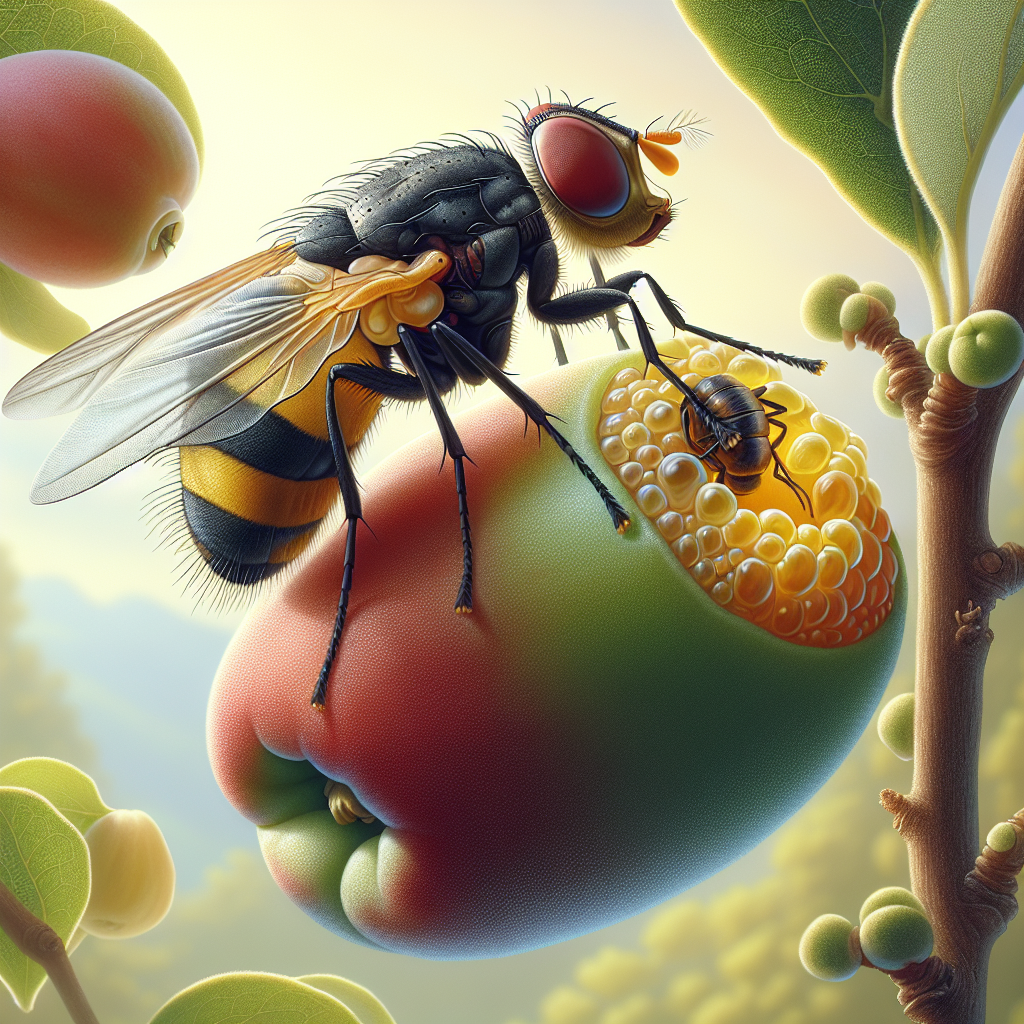
The Li jujube fruit fly, scientifically known as Bactrocera li, represents one of the most pressing threats to jujube (Ziziphus jujuba) cultivation, a crop prized for its sweet, date-like fruits used in fresh markets, dried snacks, and traditional medicine. First identified in China, this tephritid fly has rapidly expanded its range, infesting orchards from Asia to parts of North America and Europe where jujube trees are grown. Adult flies are small, approximately 6-8 mm long, with distinctive yellow markings on a black or brown body, clear wings marked with dark bands, and red eyes. Females are particularly notorious for laying eggs inside developing jujube fruits, where larvae tunnel and feed, rendering fruits unmarketable.
This pest's impact is profound: a single infestation can destroy up to 80-100% of a crop in unmanaged orchards, leading to yield losses valued in millions annually for commercial growers. Unlike generalist fruit flies, B. li shows a strong preference for jujube, though it occasionally attacks related species like mango or fig. Early detection is critical, as larvae develop rapidly, often completing their cycle before harvest. This guide provides comprehensive diagnostics, lifecycle insights, and proven organic management strategies to protect your jujube harvest. For broader pest challenges, see our insights on Why 90% of Small Farms Fail at Pest Management - And 8 Organic Fixes That Actually Work.
Identifying Symptoms & Damage
Recognizing Li jujube fruit fly damage early can save entire seasons. Initial signs appear on fruit surfaces as tiny, white oviposition punctures—often 0.5-1 mm in diameter—accompanied by a clear, glistening egg sac. Within 2-4 days, these sites darken to brown or black, sometimes exuding gummy sap. As larvae hatch and burrow inward, fruits exhibit sunken lesions, yellowing, and premature ripening, often dropping to the ground while still green.
Advanced infestation reveals internal galleries filled with creamy-white maggots (up to 8 mm long), frass, and rotting pulp, emitting a foul, fermenting odor attractive to secondary pests like ants or fruit flies. Severely affected fruits shrivel, crack, or ooze juice, becoming vectors for fungal pathogens such as anthracnose. Differentiate from other damage: unlike aphids, which cause honeydew and sooty mold, B. li damage is puncture-specific and fruit-internal. Use a knife to slice open suspect fruits; presence of legless, tapered larvae confirms the pest. Monitor weekly from fruit set using sticky traps baited with methyl eugenol, targeting 5-10% infested fruit as an action threshold.
Leaf damage is rare but possible: adults may feed on leaf exudates, causing minor stippling. Tree vigor declines with repeated attacks, leading to twig dieback and reduced flowering in subsequent years. In heavy outbreaks, entire canopies show sparse, drop-littered floors, signaling up to 50% photosynthetic loss from fruit load reduction.
Lifecycle and Progression of Li jujube
Understanding the Bactrocera li lifecycle is key to timed interventions. Adults emerge from pupae in soil, coinciding with jujube bloom in spring (April-May in temperate zones). Females mate within days, then seek fruits 8-15 mm diameter for oviposition, inserting 1-10 eggs per site via a serrated ovipositor. Eggs hatch in 1-3 days at 25-30°C, releasing larvae that feed for 7-14 days, molting thrice.
Mature larvae (third instar) exit fruits, drop to soil, and pupate 5-10 cm deep, entering diapause if conditions are dry. Development completes in 20-40 days per generation, with 4-6 overlapping cycles per season in subtropical areas. Overwintering pupae survive 6-9 months, triggered by winter chilling. Peak activity aligns with fruit maturation: first generation targets pea-sized fruits, later ones ripe drupes. Males are lured by methyl eugenol pheromones, peaking at dawn/dusk.
Progression varies by climate: in USDA zones 7-9, continuous generations occur; cooler areas see univoltine cycles. Population booms post-rain, with females laying 300-500 eggs lifetime. Track with traps to map generations.
Environmental Triggers & Risk Factors
Li jujube fruit flies exploit specific conditions. High humidity (70-90%) and temperatures (24-32°C) accelerate egg hatch and larval growth, common in monsoon seasons or irrigated orchards. Overripe or injured fruits from hail, bird pecks (birds), or mechanical harvest serve as primary breeding sites, amplifying outbreaks.
Poor sanitation—fallen fruits and debris—harbors 80% of pupae, while dense canopies reduce spray penetration and airflow, fostering humidity. Monoculture jujube blocks over 1 ha heighten risk, lacking natural enemies. Proximity to wild hosts like hawthorn or unmanaged guava introduces migrants. Drought-stressed trees produce sweeter fruits, more attractive to gravid females. Soil types matter: sandy loams retain pupae better than clays.
Global warming extends seasons, with models predicting 20-30% more generations by 2050. Imported infested fruits via trade vectors spread it rapidly.
Organic Control & Treatment Plans
Integrated Pest Management (IPM) emphasizes organics. Cultural: Strip-pick all fruits at season end, disk soil to expose pupae to predators/sun. Prune for 30-50% light penetration, mulch thinly to deter soil pupation.
Biological: Deploy parasitoids like Fopius arisanus (egg-larval parasitoid, 40-60% efficacy) via releases (500-1000/ha). Encourage birds with nest boxes; ground beetles prey on pupae.
Trapping: Methyl eugenol baited Lynfield traps (1-2/ha) capture males, reducing mating 70%. Protein hydrolysate lures females. GF-120 spinosad bait sprays on foliage (every 7-10 days) kill adults feeding on droplets.
Repellents: Kaolin clay barriers deter oviposition (apply at fruit set, reapply post-rain). Neem oil (2-3% EC) disrupts larval development.
Treatment Plan: Scout weekly; at 1 fly/trap, deploy lures. At 5% fruit sting, apply bait sprays + sanitation. Rotate tactics to avoid resistance. For small farms, hand-remove infested fruits into soapy water. Success rates exceed 85% with consistent IPM.
Preventing Li jujube in the Future
Prevention hinges on exclusion and vigilance. Quarantine new plantings; inspect nursery stock. Plant certified pest-free jujube varieties with thicker skins. Establish 100m buffer zones from wild hosts. Calendar-based sanitation: weekly ground sweeps from petal fall.
Use row covers (fine mesh) over young trees until fruit >20mm. Mass-trap borders with 20+ lures/ha. Soil solarization (clear plastic, 6 weeks summer) kills 90% pupae. Rotate with non-hosts like garlic or thyme. Monitor with McPhail traps for early warning. Long-term, breed resistant cultivars and release sterile males (SI technique, 80% suppression).
Annual audits reduce incidence 95%. Check Soil Health Mastery: 5 Proven Strategies for Small Farms to Build Fertile Ground Without Breaking the Bank for resilient soils resisting stress.
Crops Most Affected by Li jujube
Primarily jujube (Ziziphus jujuba, Z. mauritiana), with 'Li', 'Lang', and 'Contorted' cultivars most vulnerable due to thin skins. Secondary hosts include mango, guava, fig, and loquat. Rare attacks on peach or plum. Commercial jujube orchards suffer worst, but backyard trees amplify spread.