Introduction to Leyland cypress
Leyland cypress (× Cuprocyparis leylandii) is one of the most popular evergreen conifers for creating fast privacy screens and windbreaks in temperate landscapes. Developed in the late 19th century as a natural hybrid between Monterey cypress and Nootka cypress, it combines rapid vertical growth with dense, scale-like foliage that forms an effective barrier. Commercial growers and homeowners value its ability to reach 40–60 feet (12–18 m) in height within 10–15 years when conditions are favorable.
Despite its popularity, Leyland cypress requires careful site selection and ongoing management. Its shallow root system and high water demand can lead to instability in poorly drained soils, while its dense canopy can create microclimates that favor certain pests and diseases. This guide delivers practical, professional-grade advice for establishing and maintaining healthy stands.
Botanical Profile of Leyland cypress
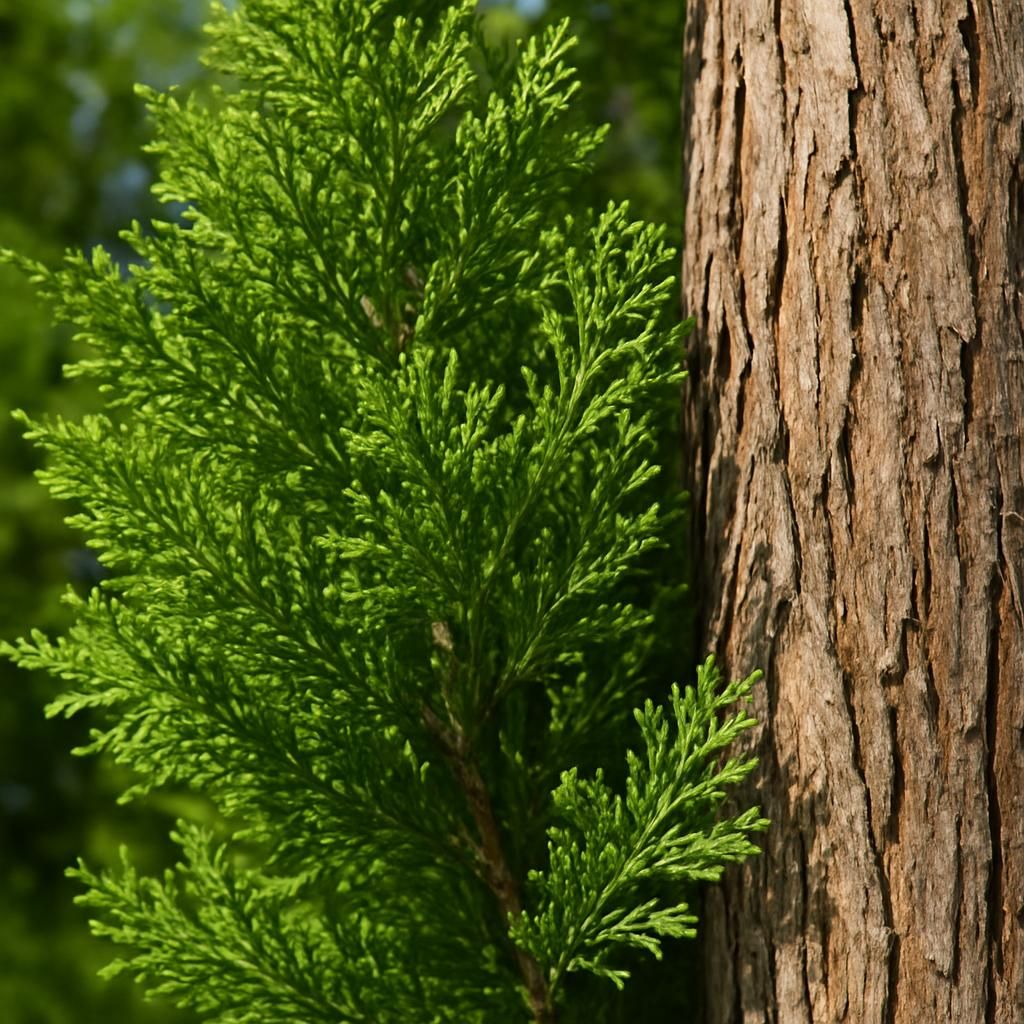
Leyland cypress is a sterile hybrid that does not produce viable seed, making vegetative propagation the only reliable method of reproduction. The tree exhibits a narrow, columnar to pyramidal growth habit with branches that ascend at steep angles. Foliage consists of flattened sprays of scale-like leaves that range from bright green to bluish-green depending on cultivar and seasonal light exposure.
Mature specimens develop reddish-brown, fibrous bark that peels in thin strips. Because the plant is sterile, all commercial stock is produced from cuttings or tissue culture. Common cultivars include ‘Castlewellan’, ‘Green Spire’, and ‘Haggerston Grey’, each selected for slightly different color, density, or growth rate characteristics.
Soil, pH, and Climate Requirements for Leyland cypress (MUST INCLUDE A MARKDOWN TABLE OF IDEAL CONDITIONS)
Leyland cypress performs best in well-drained loamy soils with moderate fertility. It tolerates a range of textures but fails quickly in heavy clay or waterlogged conditions. The species prefers full sun but will tolerate light afternoon shade in hotter climates. Avoid planting in frost pockets or exposed sites with persistent high winds until the root system is fully established.
| Parameter | Ideal Range | Notes |
|---|---|---|
| Soil Type | Loam to sandy loam | Avoid heavy clay and compacted subsoils |
| Soil pH | 5.5 – 7.5 | Slightly acidic to neutral is optimal |
| Drainage | Excellent | Raised beds or drainage tiles recommended if water table is high |
| USDA Hardiness Zones | 6 – 9 | Protect young plants from late spring frosts in zone 6 |
| Temperature Range | −10 °F to 100 °F (−23 °C to 38 °C) | Established trees tolerate brief extremes |
| Annual Rainfall | 30 – 60 inches (760 – 1520 mm) | Supplemental irrigation needed in dry summers |
| Sun Exposure | Full sun (minimum 6 hours) | Partial shade reduces density and color |
| Spacing (Hedgerow) | 5 – 8 ft (1.5 – 2.4 m) on center | Wider spacing (10–12 ft) for specimen trees |
Step-by-Step Planting & Propagation
Because Leyland cypress is sterile, all propagation is vegetative. Take semi-hardwood cuttings 6–8 inches (15–20 cm) long from healthy current-season growth in late summer. Remove the lower 2 inches of foliage, dip in 0.3 % IBA rooting hormone, and insert into a 1:1 perlite–peat mix. Maintain high humidity under mist or in a propagation dome at 70–75 °F (21–24 °C). Rooting usually occurs in 8–12 weeks.
Field planting is best done in early spring or early fall when soil temperatures are moderate. Dig holes twice the width of the root ball and at the same depth. Backfill with native soil amended with 20 % well-aged compost. Water thoroughly and apply a 2–3 inch (5–8 cm) layer of organic mulch, keeping it 3 inches away from the trunk. Stake only if the site is extremely windy; remove stakes after the first growing season.
Care & Maintenance regimes for Leyland cypress (MUST INCLUDE A MARKDOWN TABLE OF WATER, FERTILIZER, AND PRUNING SCHEDULES)
Leyland cypress benefits from a consistent but not excessive moisture regime. Overwatering encourages root rot pathogens, while drought stress leads to needle browning and branch dieback. Fertilization should be modest; excessive nitrogen promotes lush growth that is more susceptible to canker and botryosphaeria-panicle-and-shoot-blight.
| Season | Watering Schedule | Fertilizer Application | Pruning Schedule |
|---|---|---|---|
| Spring | 1 inch (25 mm) per week if rainfall is low | 10-10-10 slow-release at 1 lb per 100 sq ft | Remove dead or crossing branches; shape lightly |
| Summer | Deep soak every 7–10 days during drought | Optional light side-dress with compost tea | Shear sides once new growth hardens (July) |
| Fall | Reduce to encourage hardening | None | Remove any diseased tips; avoid heavy cuts |
| Winter | None unless soil is dry and unfrozen | None | Only emergency removal of damaged limbs |
Regular inspection for early signs of stress allows timely intervention. Mulch renewal each spring helps conserve moisture and suppress weeds.
Pests, Diseases & Organic Management
Leyland cypress is susceptible to several fungal pathogens and insect pests. The most common issues are canker, botryosphaeria-panicle-and-shoot-blight, and spider-mites. Canker appears as sunken, resinous lesions on branches and main stems; remove affected wood 6–12 inches below visible symptoms and destroy prunings.
Spider mites cause stippling and bronzing of foliage during hot, dry periods. Release predatory mites (Phytoseiulus persimilis) at the first sign of infestation and maintain adequate irrigation to reduce plant stress. For organic control of aphids and scale, apply horticultural oil or insecticidal soap during dormant or crawler stages. Avoid broad-spectrum insecticides that disrupt beneficial insect populations.
Good cultural practices—proper spacing, mulching, and avoiding overhead irrigation—remain the foundation of integrated pest management.
Harvesting, Curing & Optimal Storage
Leyland cypress is grown primarily for its living form rather than for harvested products. However, when branches are removed during pruning or hedging, the cut foliage can be used for wreaths, garlands, and holiday décor. Harvest branches in the cool morning hours when turgor is highest. Bundle loosely and hang in a shaded, well-ventilated area for 7–10 days to cure. Store finished products in a cool, dry location away from direct sunlight to preserve color for up to six weeks.
Companion Planting for Leyland cypress
Because of its dense shade and competitive root system, few crops thrive directly beneath Leyland cypress hedges. However, the microclimate created on the leeward side can benefit shade-tolerant understory plants. Consider planting thyme or rosemary along the sunny edge of the hedge; both tolerate the slightly drier conditions and provide beneficial insect habitat. Avoid planting shallow-rooted vegetables or fruit trees within 10 feet (3 m) of established rows to prevent competition for water and nutrients.