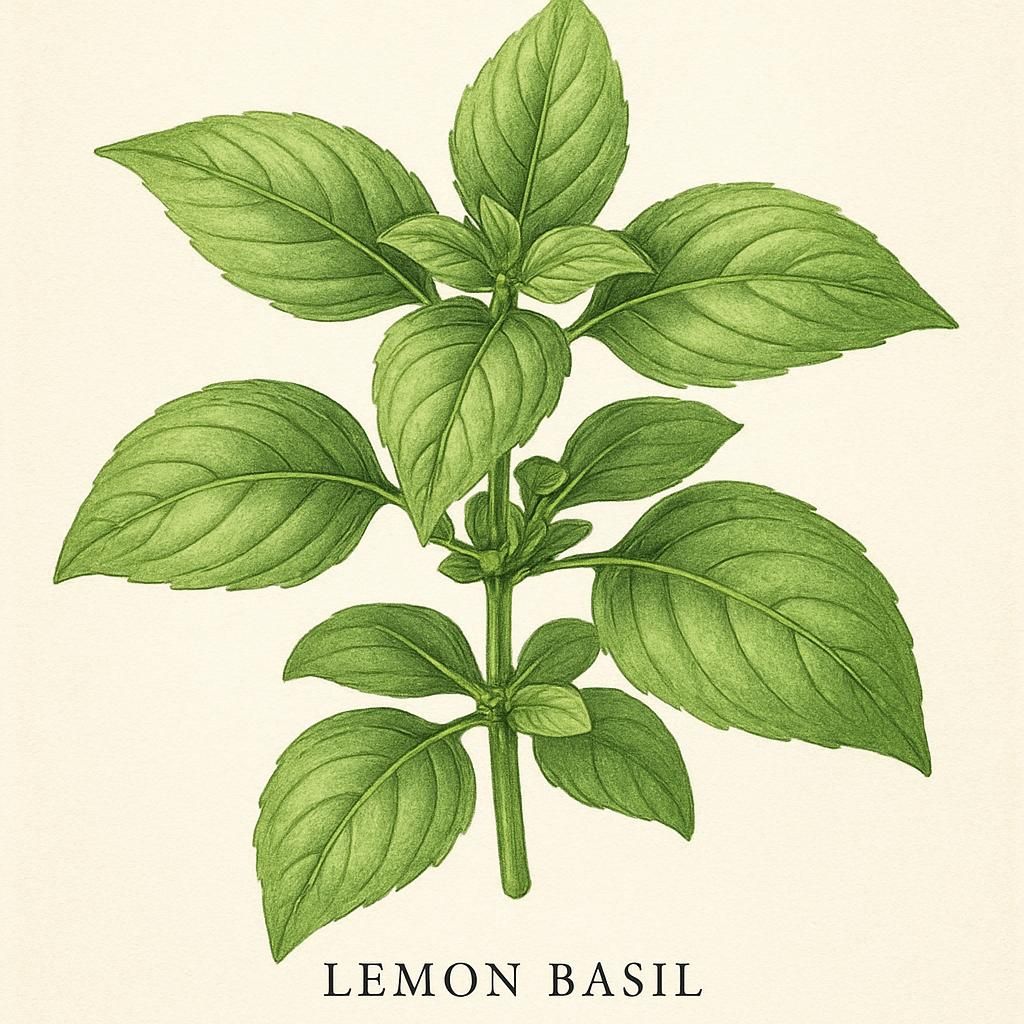
Introduction to Lemon Basil (Mrs. Burns)
Lemon Basil (Mrs. Burns) is a fascinating variety of basil that offers a refreshing twist on traditional basil with its signature lemon-like aroma and tangy flavor. It is highly favored in gourmet cooking and is prized for its ornamental appeal in gardens.
Botanical Profile of Lemon Basil (Mrs. Burns)
Lemon Basil (Mrs. Burns) belongs to the Ocimum basilicum species but stands out due to its strong citrus scent. It grows as an annual herb, featuring pale green leaves and delicate white flowers. It can reach a height of 12-18 inches, making it perfect for container planting or as a border plant.
Soil, pH, and Climate Requirements for Lemon Basil (Mrs. Burns)
Lemon Basil (Mrs. Burns) thrives in environments that provide warmth, sunlight, and well-draining soil. Adequate preparation of growing conditions is crucial to ensure robust growth and flavor development.
| Parameter | Ideal Conditions |
|---|---|
| Soil Type | Loamy, well-drained |
| pH Level | 6.0 - 7.5 |
| Temperature | 70-85°F (21-29°C) |
| Sunlight | Full sun, 6-8 hours daily |
For an in-depth analysis of soil revival, refer to The Forgotten Art of Fall Soil Revival: 8 Organic Strategies for Small Farm Resilience.
Step-by-Step Planting & Propagation
Propagation of Lemon Basil (Mrs. Burns) is typically achieved through seeds or cuttings.
- Seeds: Begin indoors 6-8 weeks before the last frost date, using a seed-starting mix. Sow seeds shallowly and keep moist. Transplant outdoors after the threat of frost has passed.
- Cuttings: Select healthy stems and immerse the cut end in water until roots develop. Plant in a pot with soil and allow it to establish before transplanting.
- Outdoor Planting: Space plants 12 inches apart in well-prepared soil to promote air circulation and prevent disease.
Care & Maintenance Regimes for Lemon Basil (Mrs. Burns)
Routine care is essential to maintain the health and productivity of Lemon Basil.
| Maintenance | Schedule |
|---|---|
| Watering | Once a week, more in dry spells |
| Fertilizing | Every 4-6 weeks with a balanced formula |
| Pruning | Regularly to promote bushiness |
For organic pest management strategies, explore Crop Diseases Under the Microscope: 9 Organic Fixes for Small Farm Resilience.
Pests, Diseases & Organic Management
Lemon Basil is susceptible to pests such as Spider Mites and diseases like Powdery Mildew. Organic management techniques include:
- Handpicking pests or using insecticidal soap.
- Ensuring proper air circulation to prevent mildew.
- Rotating crops to minimize pest buildup.
Harvesting, Curing & Optimal Storage
Harvest leaves continuously throughout the growing season before the plant flowers for the best flavor. Leaves can be used fresh or dried for later use.
- Curing: To dry, hang bundles upside down in a warm, dark place.
- Storing: Keep dried leaves in airtight containers in a cool, dry location.
Companion Planting for Lemon Basil (Mrs. Burns)
Companion planting enhances the growth and health of Lemon Basil by deterring pests and improving soil nutrients. Ideal companions include Tomato, Pepper, and Lemon. For more insights, read Summer Companion Planting: 10 Organic Pairings to Boost Small Farm Resilience.