Encyclopedia
Definitive guides for crops, pests, and agricultural diseases.
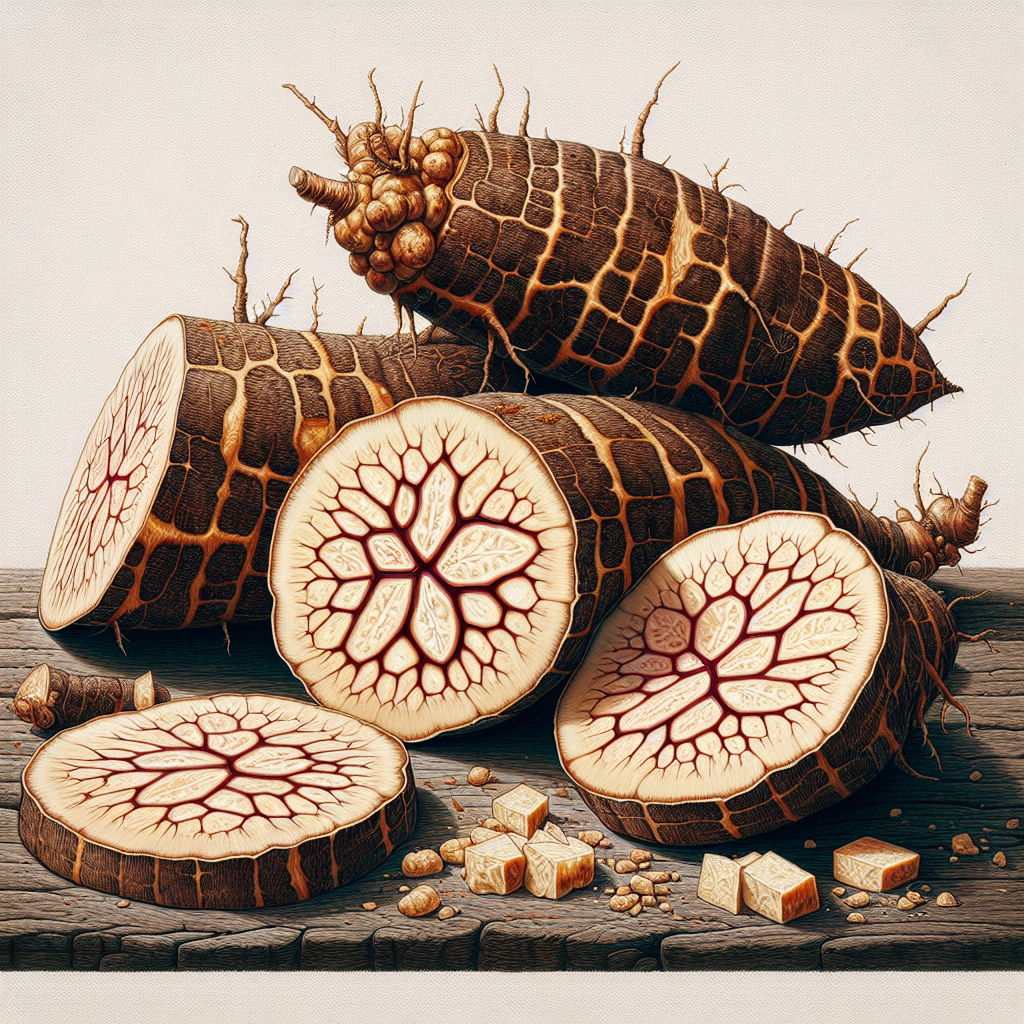
Cassava brown streak disease
Cassava brown streak disease (CBSD) is a devastating viral disease threatening cassava crops in East and Central Africa, causing necrotic lesions on leaves, stems, and tubers that render roots unmarketable. Transmitted primarily by whitefly vectors, it leads to significant yield losses of up to 100% in susceptible varieties. Effective management relies on resistant cultivars, vector control, and phytosanitary practices.
View Profile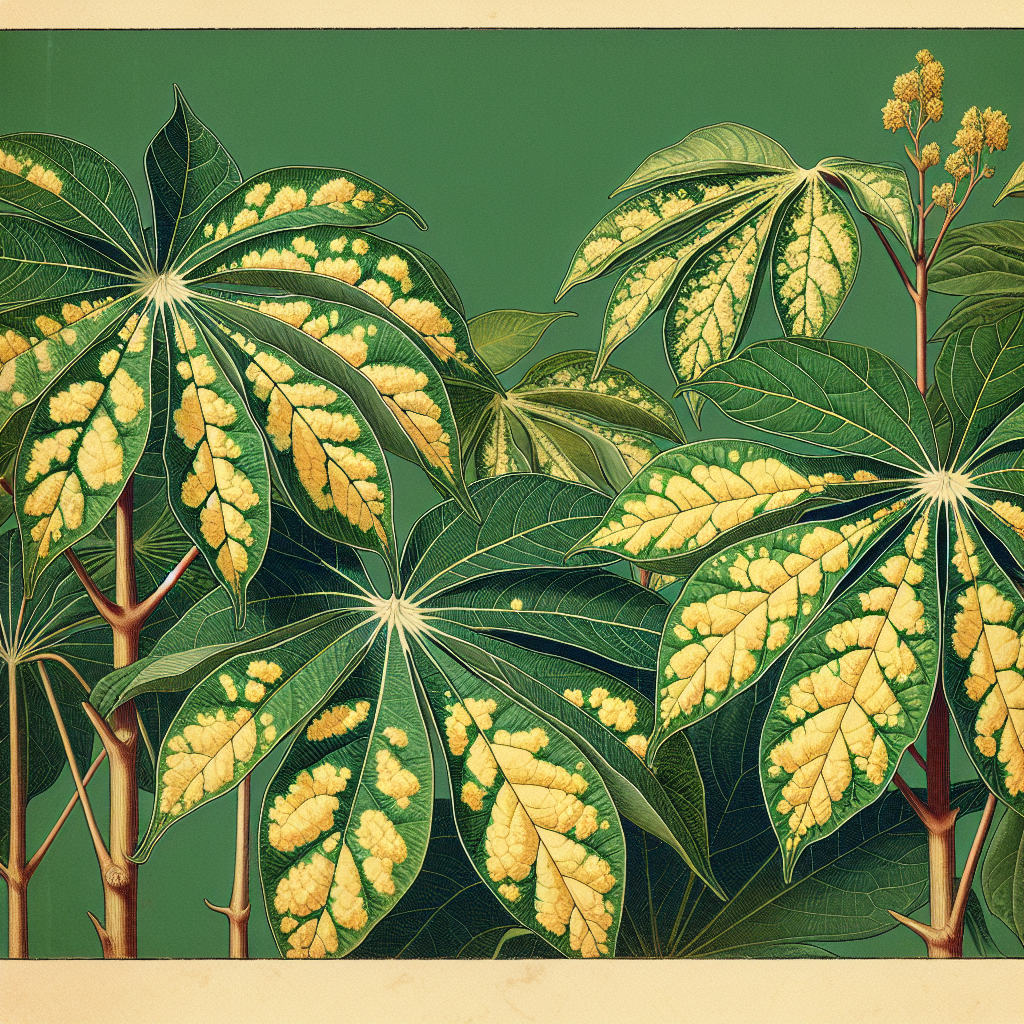
Cassava mosaic disease
Cassava mosaic disease (CMD) is a devastating viral infection transmitted by whiteflies that causes mosaic patterns, leaf distortion, and severe yield losses in cassava crops across Africa and Asia. It significantly impacts food security in subsistence farming regions by reducing tuber quality and quantity. Effective management relies on resistant varieties, vector control, and phytosanitary practices.
View Profile
Cavity spot
Cavity spot is a widespread root and lower stem disease affecting carrots and other root crops, caused by Pythium oomycetes, resulting in characteristic oval pits on the root surface. It leads to significant cosmetic damage and yield losses, particularly in wet, compacted soils. Effective management relies on cultural practices, soil health improvement, and organic biocontrols.
View Profile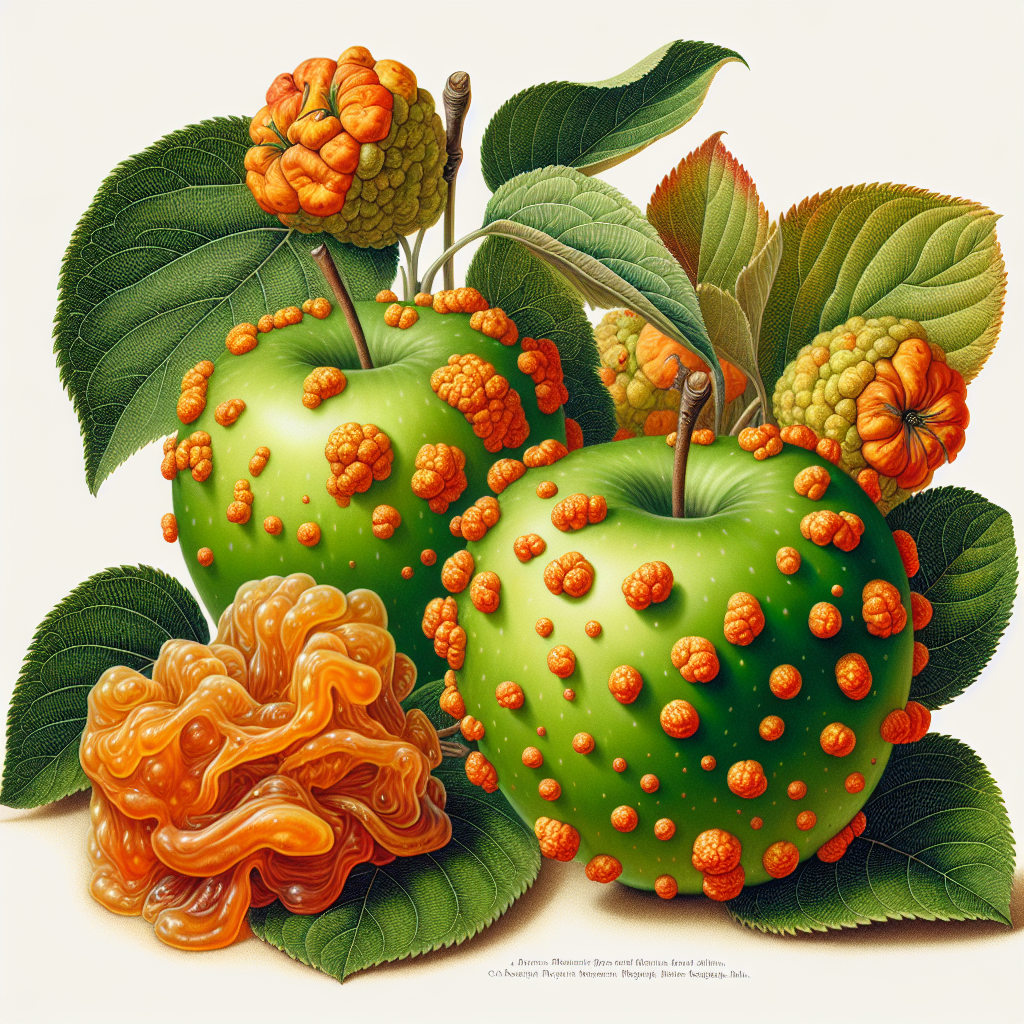
cedar-apple rust
Cedar-apple rust is a fungal disease caused by Gymnosporangium juniperi-virginianae that alternates between apple and cedar trees, producing distinctive orange spore horns on cedars and yellow spots on apple leaves and fruit. It causes significant defoliation, fruit deformation, and yield losses in apple orchards, particularly in eastern North America. Effective management requires breaking the disease cycle through cultural practices, resistant varieties, and targeted organic fungicides.
View Profile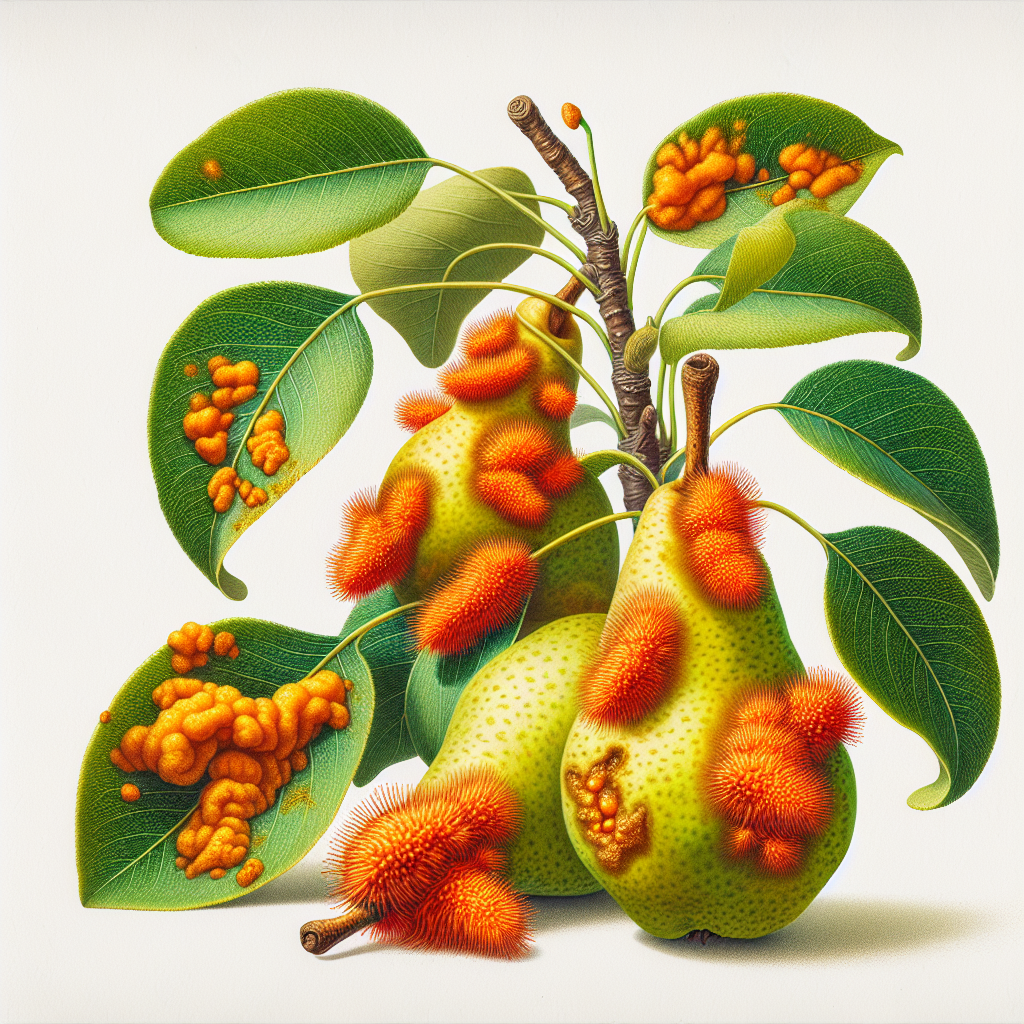
cedar-pear rust
Cedar-pear rust is a fungal disease caused by Gymnosporangium clavipes that alternates between Eastern red cedar (Juniperus virginiana) and pear trees (Pyrus spp.), producing distinctive orange spore horns on pears and galls on cedars. It causes significant defoliation, fruit deformation, and reduced yields in pears, particularly in the eastern and central US. Effective management requires breaking the lifecycle through cultural practices and resistant varieties.
View Profile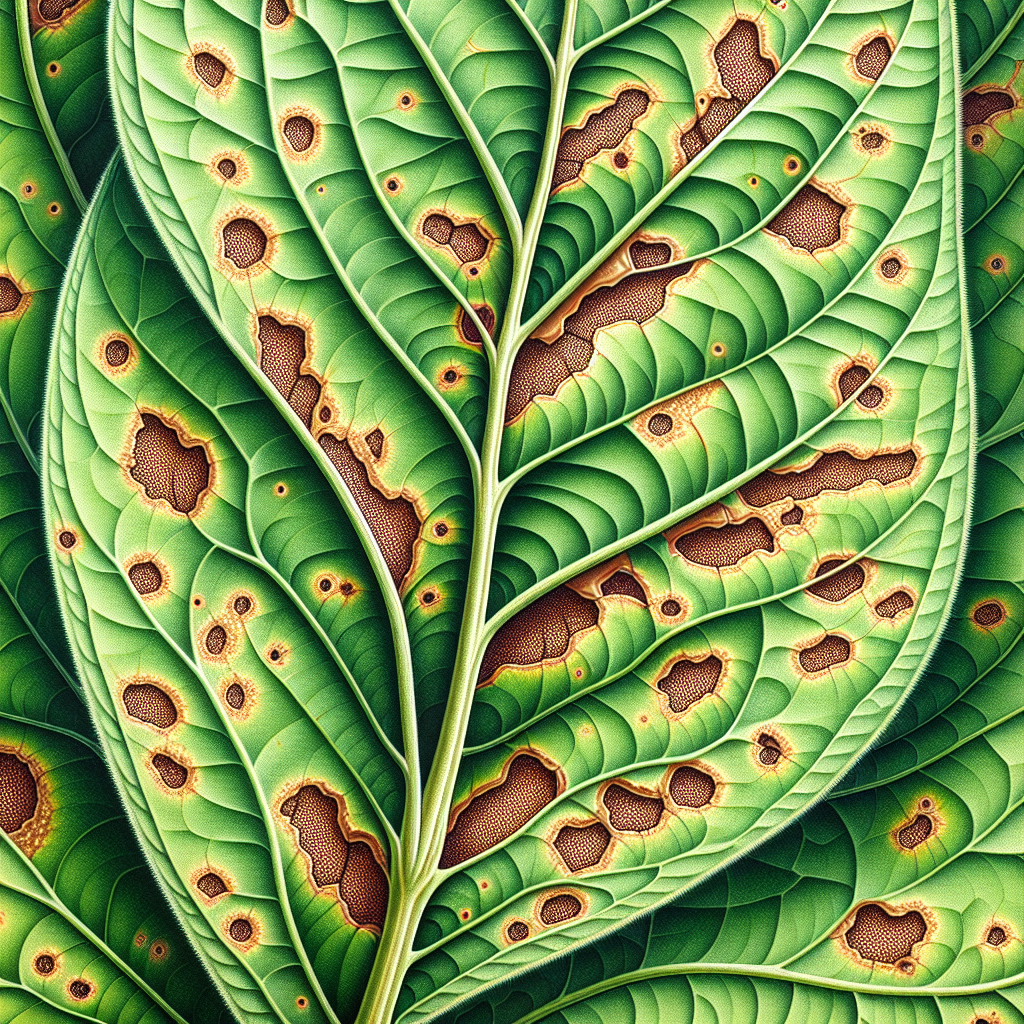
Cercospora
Cercospora is a genus of fungal pathogens causing leaf spot diseases in a wide range of crops. It leads to significant yield losses if unmanaged, manifesting as small, circular lesions on leaves. This guide provides comprehensive insights into diagnosis, management, and prevention strategies for farmers.
View Profile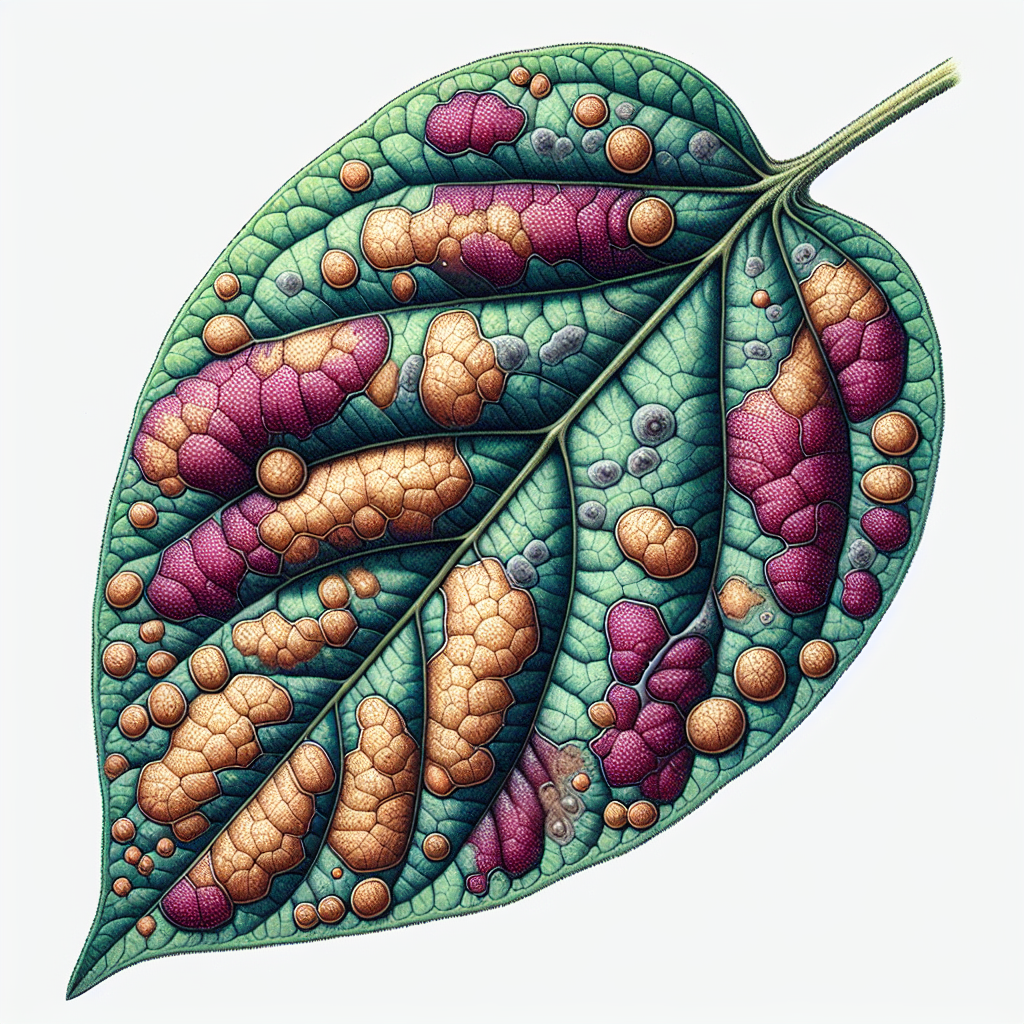
Cercospora leaf blight
Cercospora leaf blight is a widespread fungal disease caused by Cercospora species that primarily affects leaves of various crops, leading to significant yield losses through premature defoliation and reduced photosynthesis. It thrives in warm, humid conditions and spreads via spores, making early detection and management crucial for agricultural success. This guide provides comprehensive diagnostic, organic control, and prevention strategies for affected crops.
View Profile
Cercospora leaf disease
Cercospora leaf disease is a widespread fungal infection causing characteristic leaf spots that lead to defoliation and reduced crop yields. It affects numerous crops under warm, humid conditions, with management relying on cultural practices, resistant varieties, and targeted organic fungicides. Early detection and prevention are key to minimizing economic losses in agricultural settings.
View Profile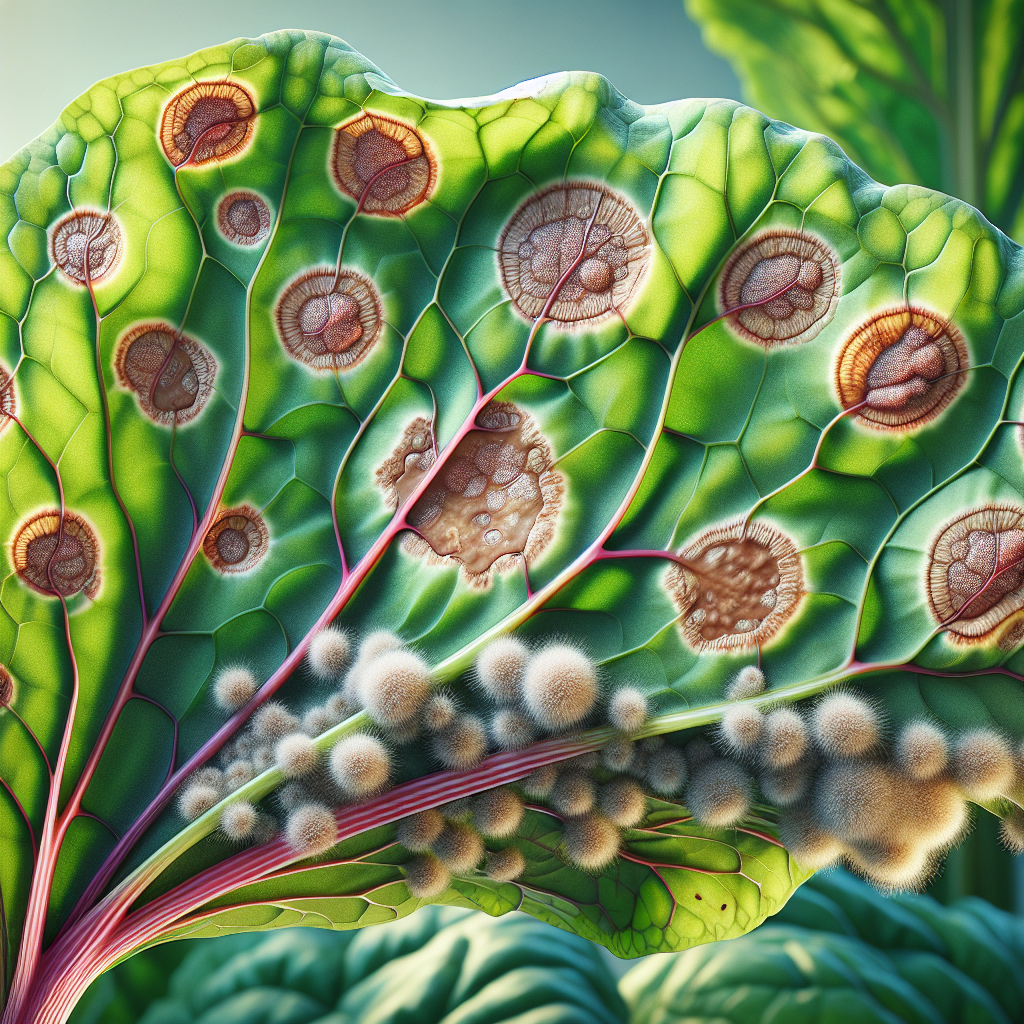
Cercospora leaf spot
Cercospora leaf spot is a widespread fungal disease affecting numerous crops, characterized by circular to irregular spots on leaves that lead to defoliation and reduced yields. Caused by various Cercospora species, it thrives in warm, humid conditions and spreads via spores. Effective management relies on cultural practices, resistant varieties, and timely organic fungicide applications.
View Profile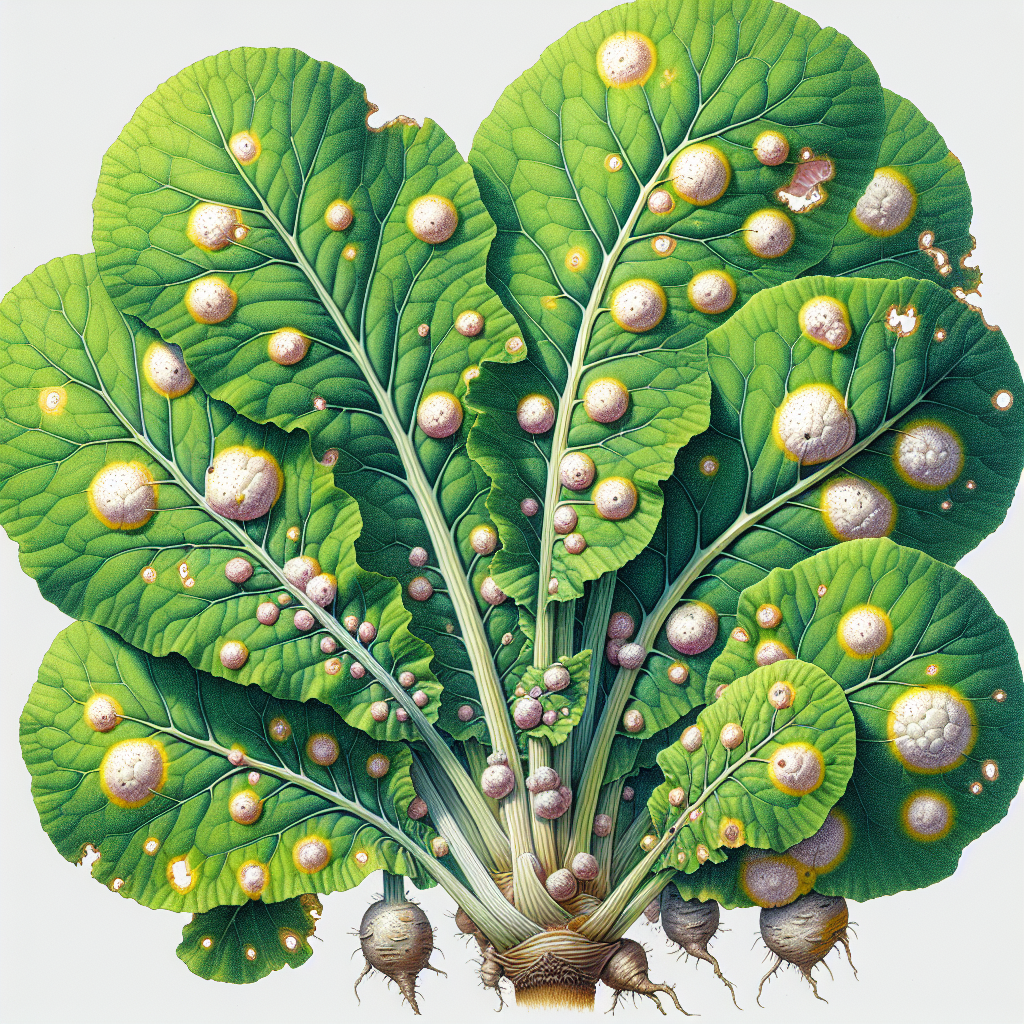
Cercospora spot
Cercospora spot is a widespread foliar disease caused by fungi in the Cercospora genus, leading to leaf spots, yellowing, and reduced yields in many crops. It thrives in warm, humid conditions and spreads via spores. Effective management relies on cultural practices, resistant varieties, and timely organic fungicides.
View Profile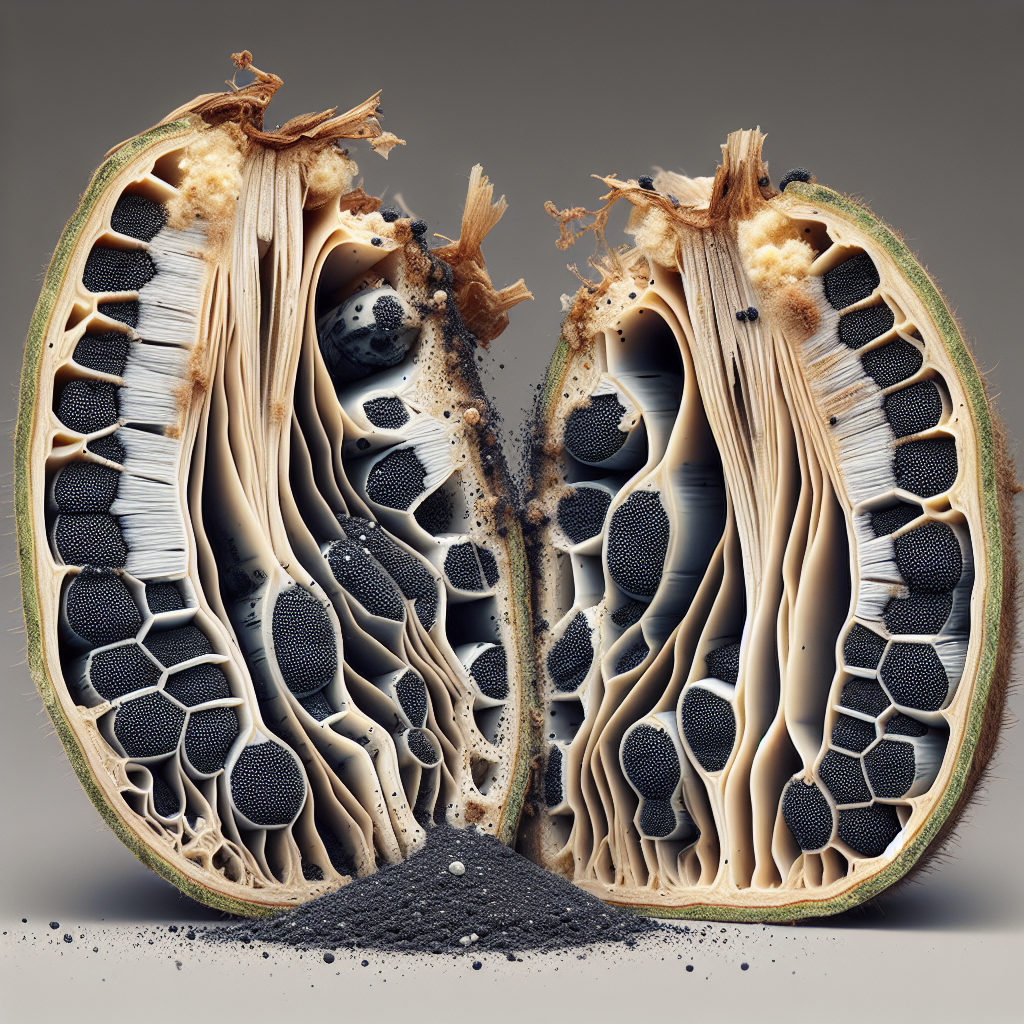
charcoal rot
Charcoal rot is a devastating soilborne fungal disease caused by Macrophomina phaseolina, thriving in hot, dry conditions and attacking over 500 plant species worldwide. It primarily affects roots and lower stems, producing distinctive black, charcoal-like sclerotia that render infected plants worthless. Effective management relies on cultural practices, resistant varieties, and integrated organic strategies to minimize losses in susceptible crops like soybeans and corn.
View Profile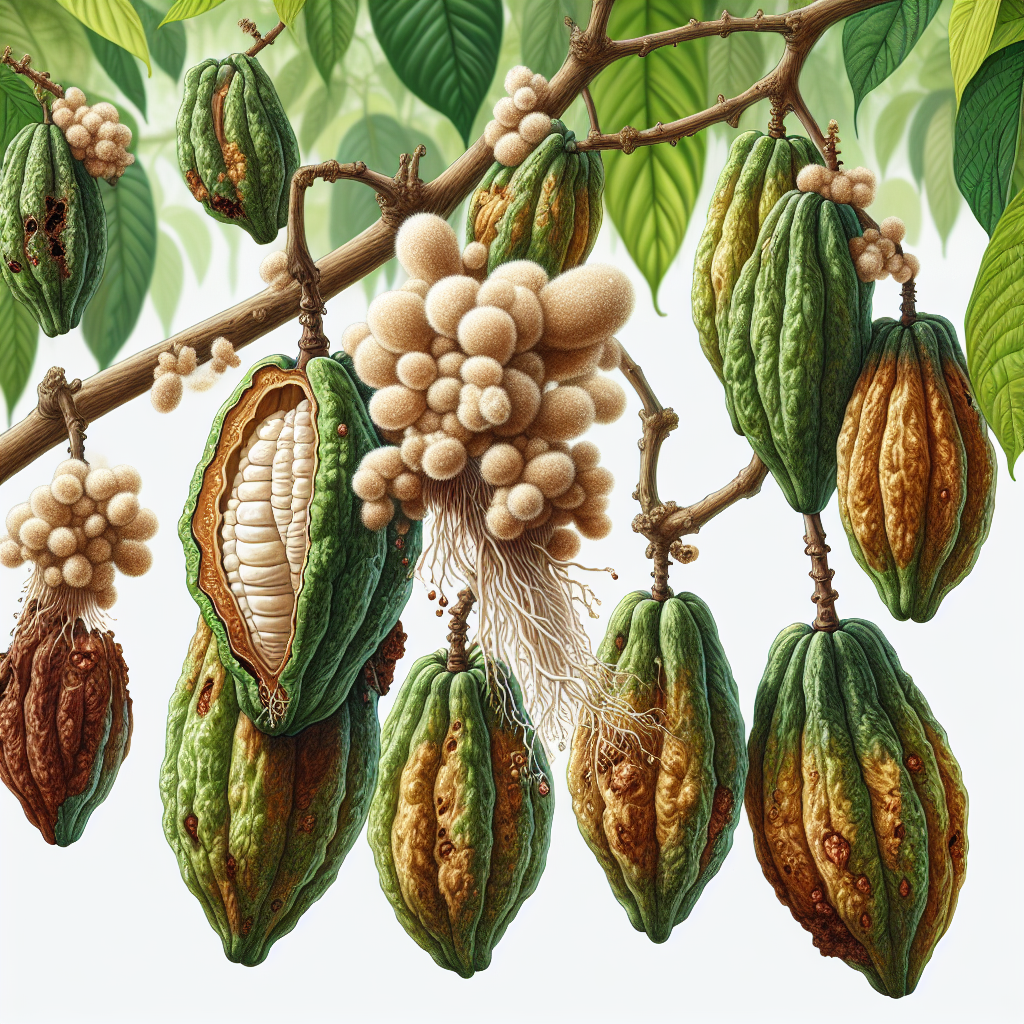
Cherelle Wilt
Cherelle wilt is a devastating fungal disease primarily affecting young cacao fruits known as cherelles, causing them to wilt, blacken, and drop prematurely. Caused by the pathogen Moniliophthora roreri, it leads to significant yield losses in cacao plantations, particularly in humid tropical regions. Effective management relies on cultural practices, resistant varieties, and organic fungicides to minimize spread and protect crop productivity.
View Profile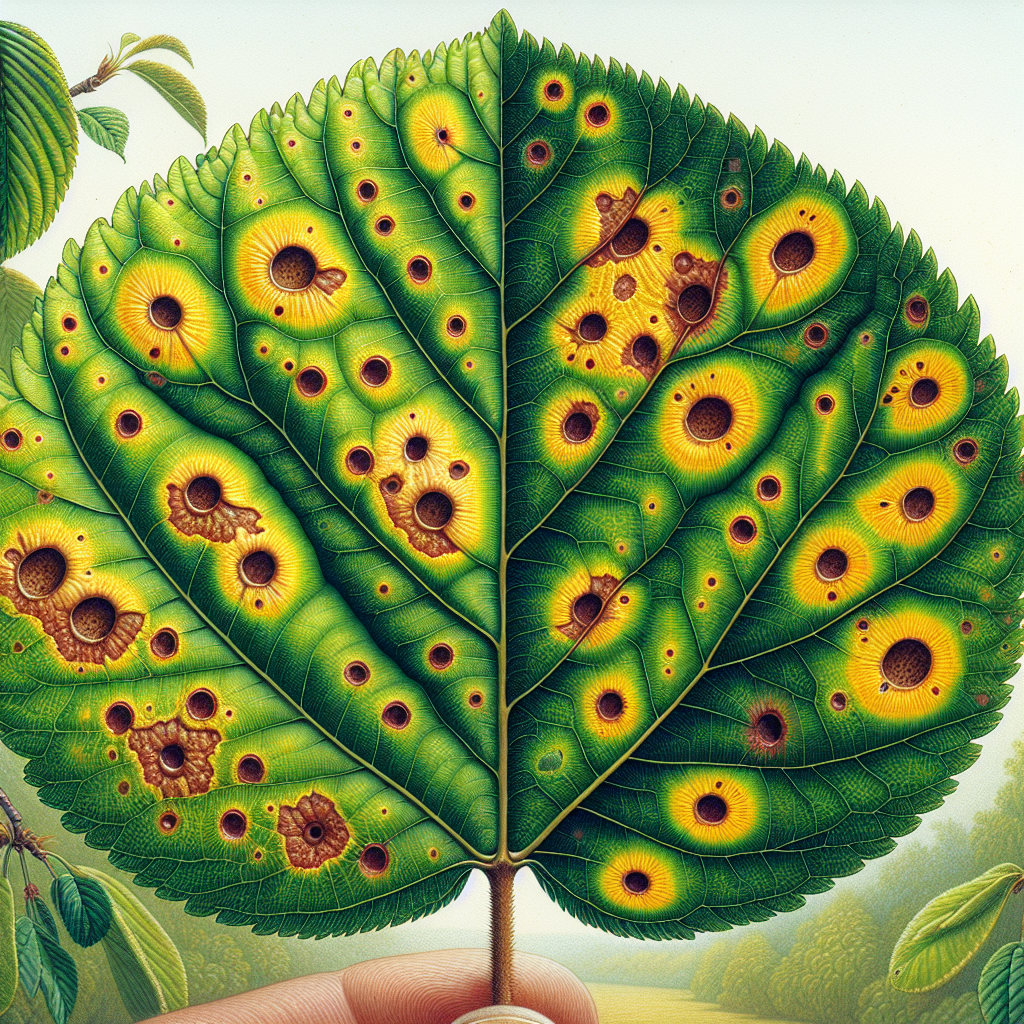
Cherry leaf spot
Cherry leaf spot, caused by the fungus Blumeriella jaapii, is a widespread disease affecting cherry trees, leading to leaf defoliation and reduced fruit quality. It manifests as small purple spots that expand into brown lesions with fringed borders, severely impacting sweet and sour cherry production in humid climates. Effective management combines cultural practices, organic fungicides, and resistant varieties for long-term control.
View Profile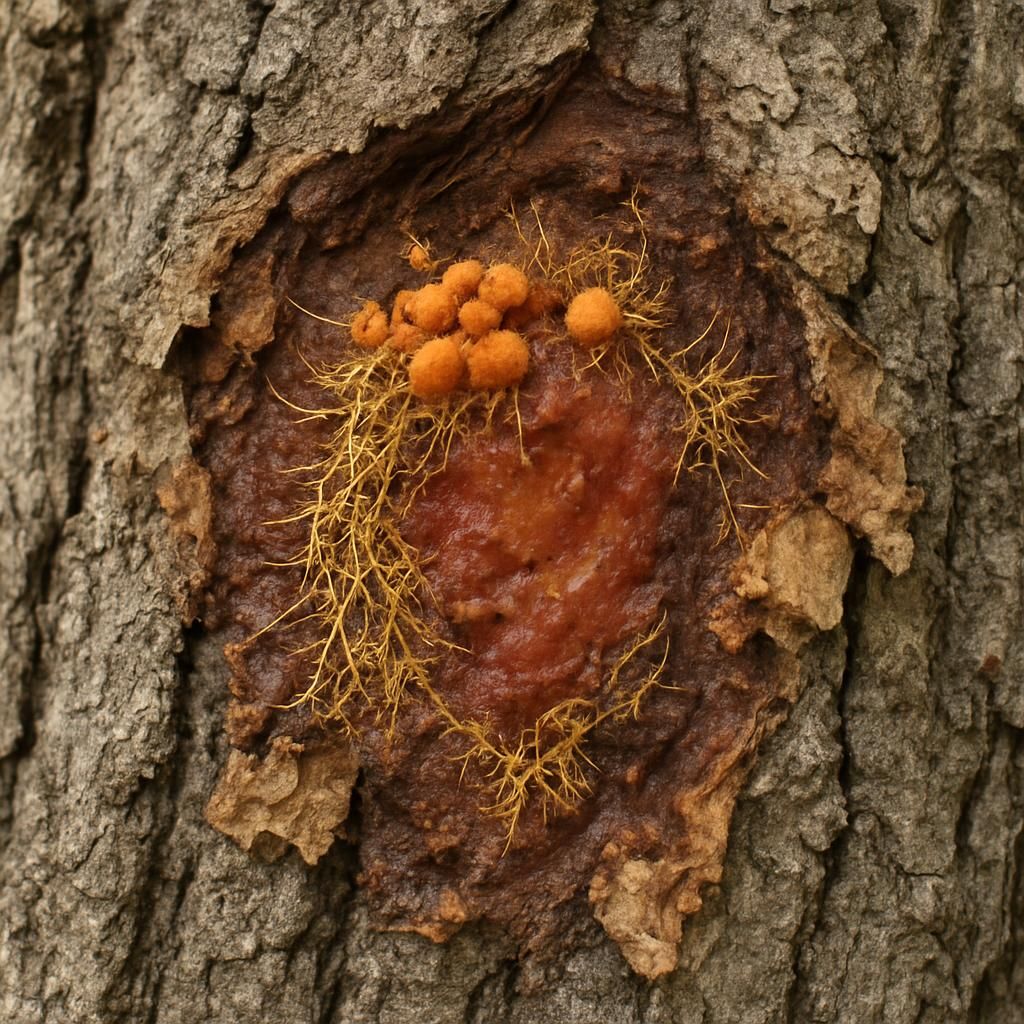
Chestnut Blight
Chestnut Blight is a devastating fungal disease caused by Cryphonectria parasitica that has nearly eradicated American chestnut trees in their native range. It manifests as cankers on trunks and branches, leading to tree girdling and death. Effective management relies on resistant hybrids, biological controls, and strict sanitation practices.
View Profile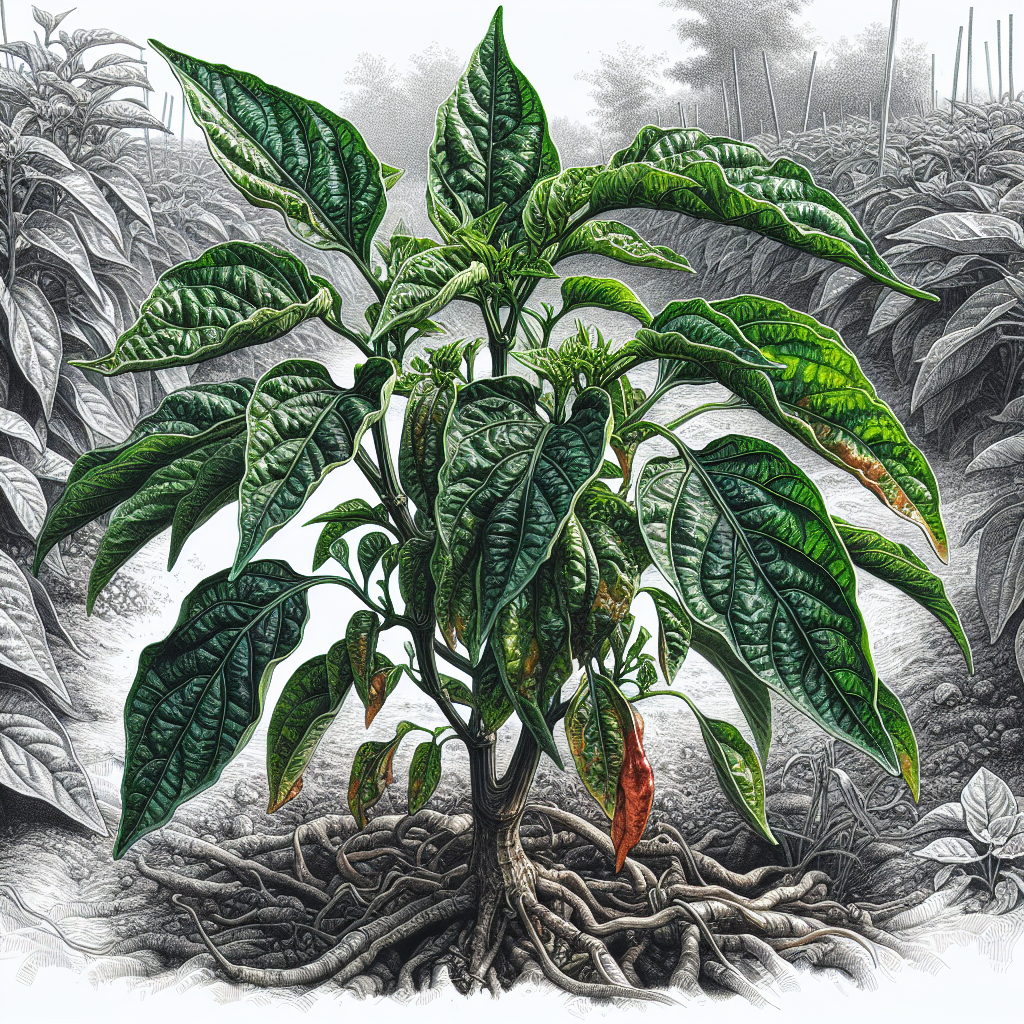
Chili leaf curl disease
Chili leaf curl disease, caused by a complex of begomoviruses transmitted by whiteflies, leads to upward curling of leaves, stunted growth, and significant yield losses in chili peppers. This viral disease devastates chili crops worldwide, particularly in tropical and subtropical regions. Effective management relies on integrated pest control, resistant varieties, and cultural practices to minimize vector populations.
View Profile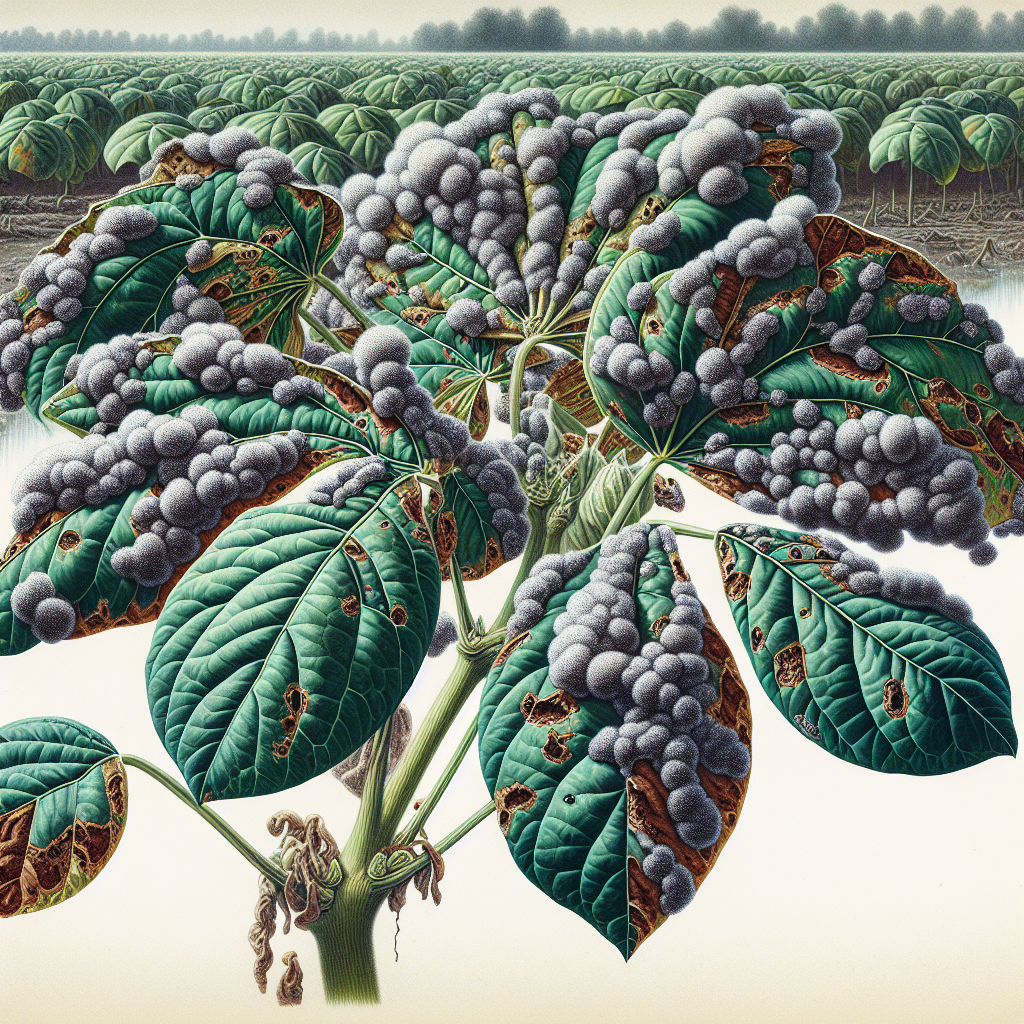
Chocolate spot
Chocolate spot is a destructive fungal disease primarily affecting faba beans and other legumes, caused by Botrytis fabae, leading to dark brown lesions on leaves that resemble chocolate splatters. It thrives in cool, humid conditions, causing significant yield losses through defoliation and pod infection. Effective management relies on cultural practices, resistant varieties, and timely fungicide applications.
View Profile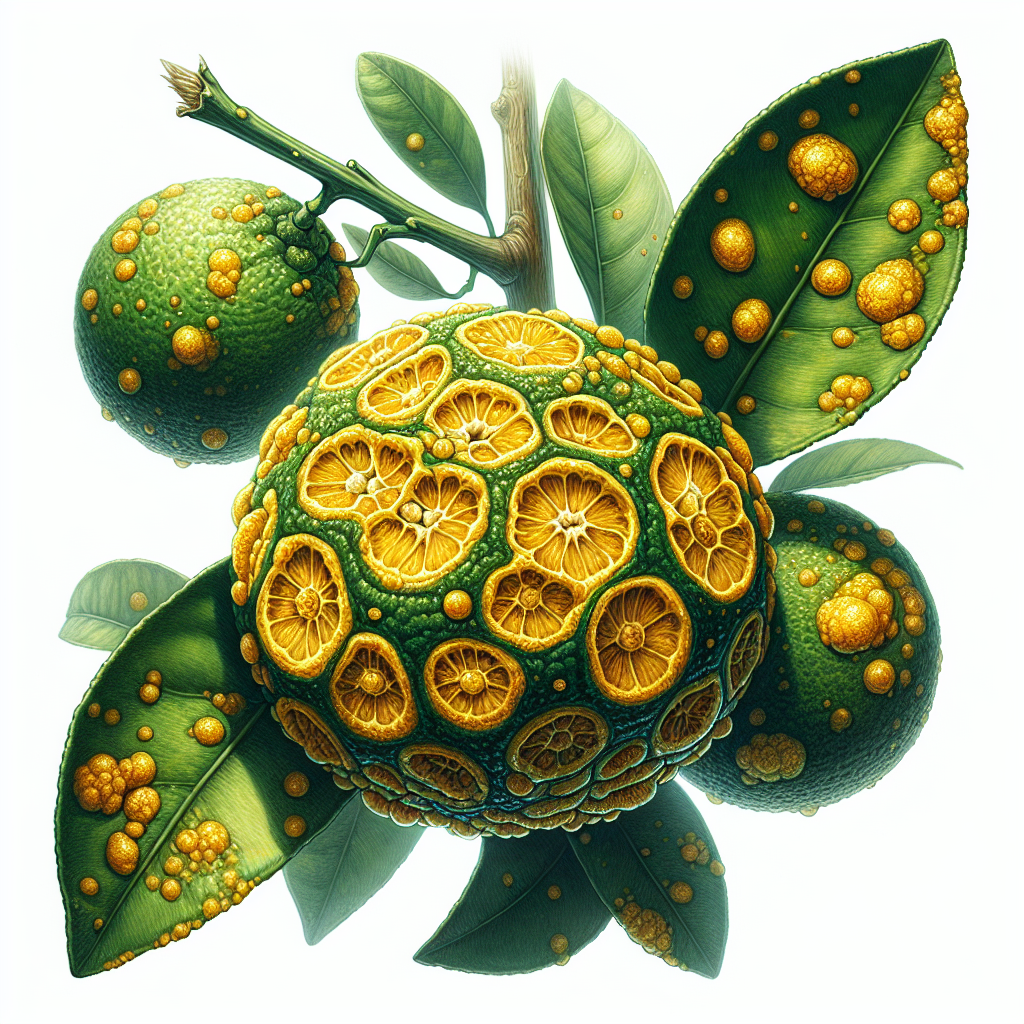
citrus canker
Citrus canker is a highly contagious bacterial disease affecting citrus trees, causing raised corky lesions on leaves, fruit, and stems that lead to premature fruit drop and reduced yields. Spread primarily by wind-driven rain and human activity, it poses significant challenges to citrus production worldwide. Effective management relies on early detection, sanitation, and resistant varieties.
View Profile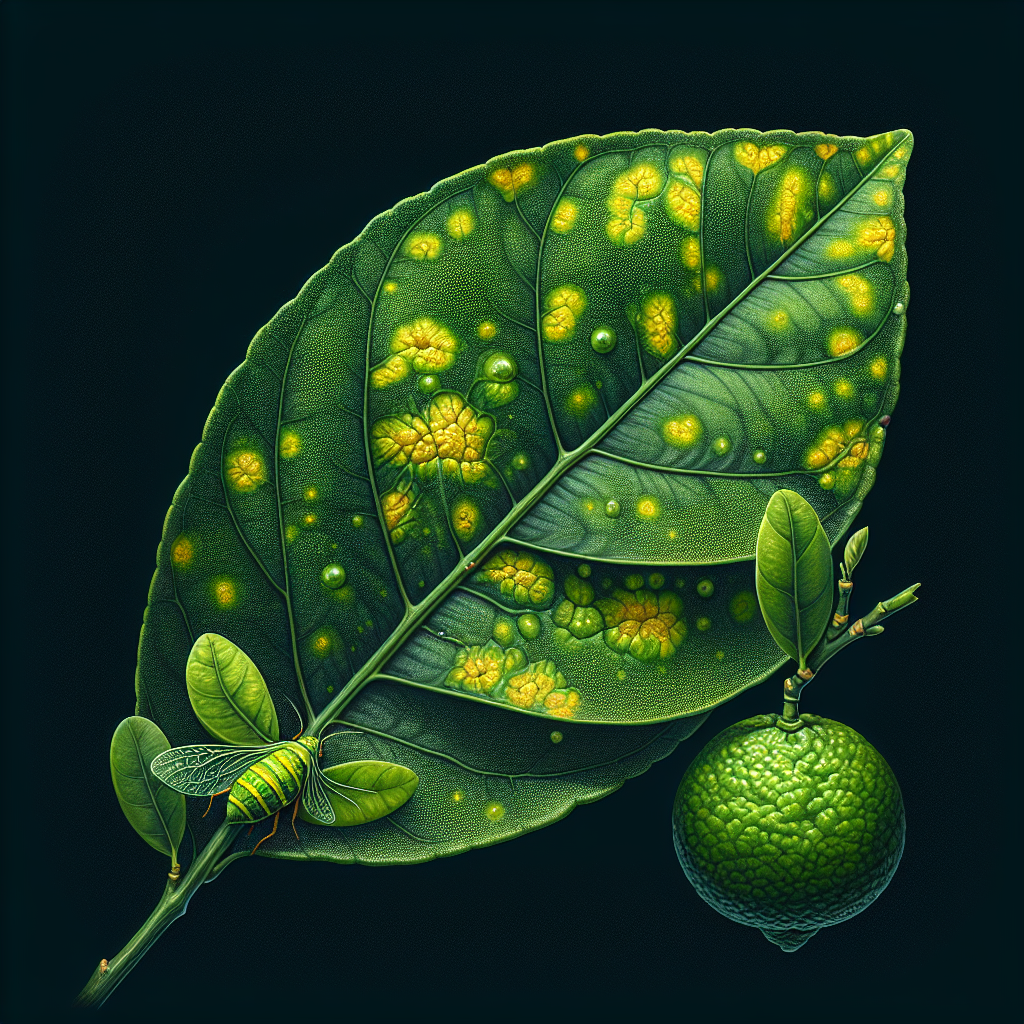
citrus greening
Citrus greening, also known as Huanglongbing (HLB), is a devastating bacterial disease caused by Candidatus Liberibacter species and transmitted by the Asian citrus psyllid. It affects citrus trees worldwide, leading to reduced fruit quality, premature fruit drop, and eventual tree death. Early detection and integrated management are crucial for limiting its spread in orchards.
View Profile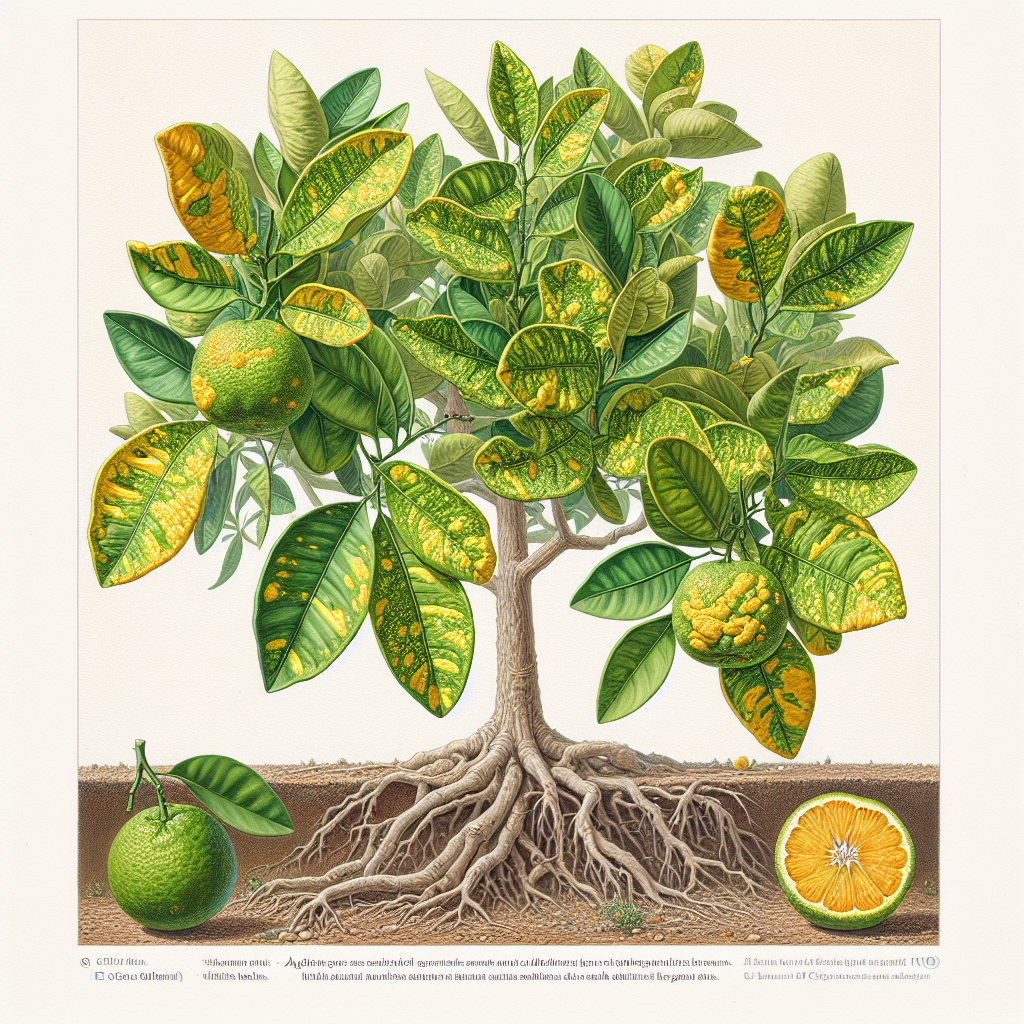
Citrus greening (HLB)
Citrus greening, also known as Huanglongbing (HLB), is a devastating bacterial disease transmitted by the Asian citrus psyllid, causing mottled leaves, bitter fruit, and eventual tree death. It poses a severe threat to citrus production worldwide, with no cure available, making early detection and vector control critical. Management relies on integrated strategies including psyllid monitoring, resistant varieties, and aggressive removal of infected trees.
View Profile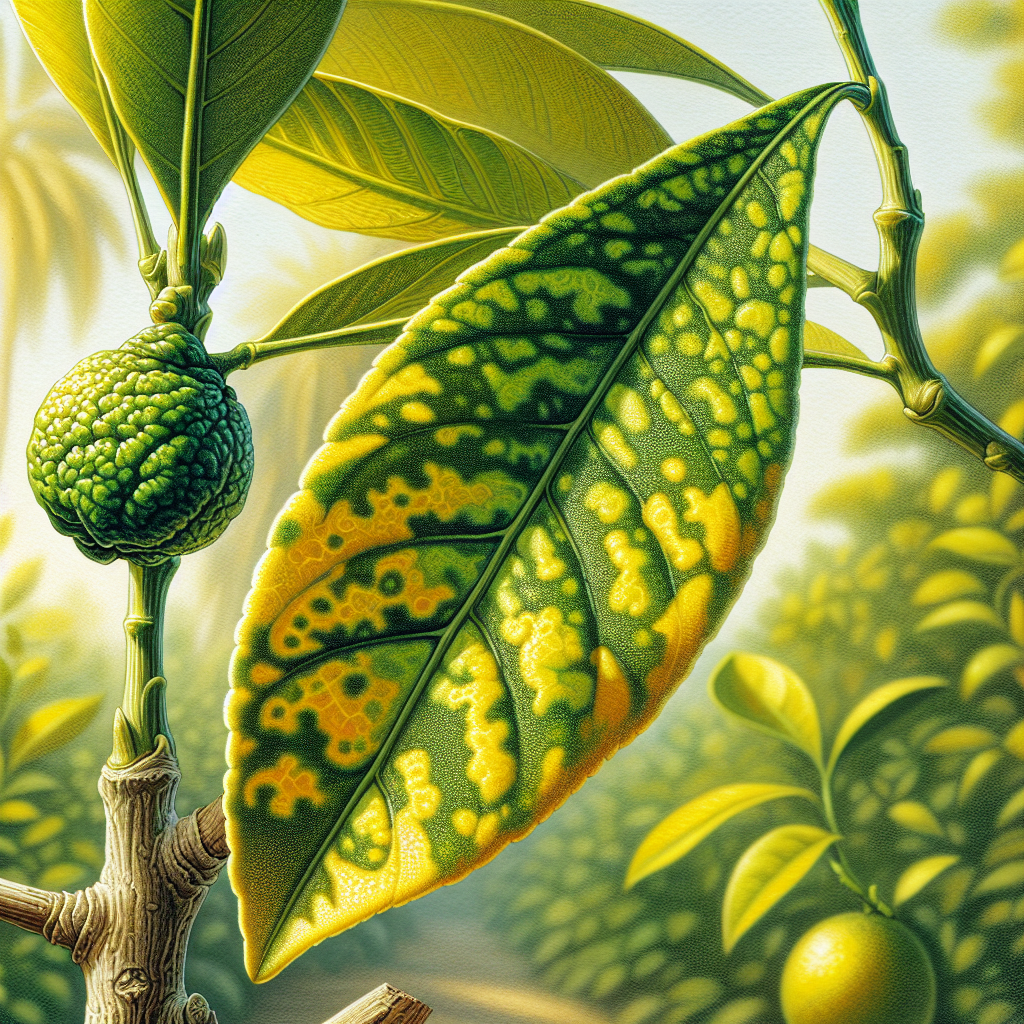
Citrus greening disease
Citrus greening disease, also known as Huanglongbing (HLB), is a devastating bacterial infection spread by the Asian citrus psyllid that affects citrus trees worldwide, leading to decline and death. Symptoms include mottled leaves, deformed fruits, and bitter, misshapen produce, with no cure available—management relies on vector control and prevention. This guide provides diagnostic, organic management, and prevention strategies for growers facing this threat.
View Profile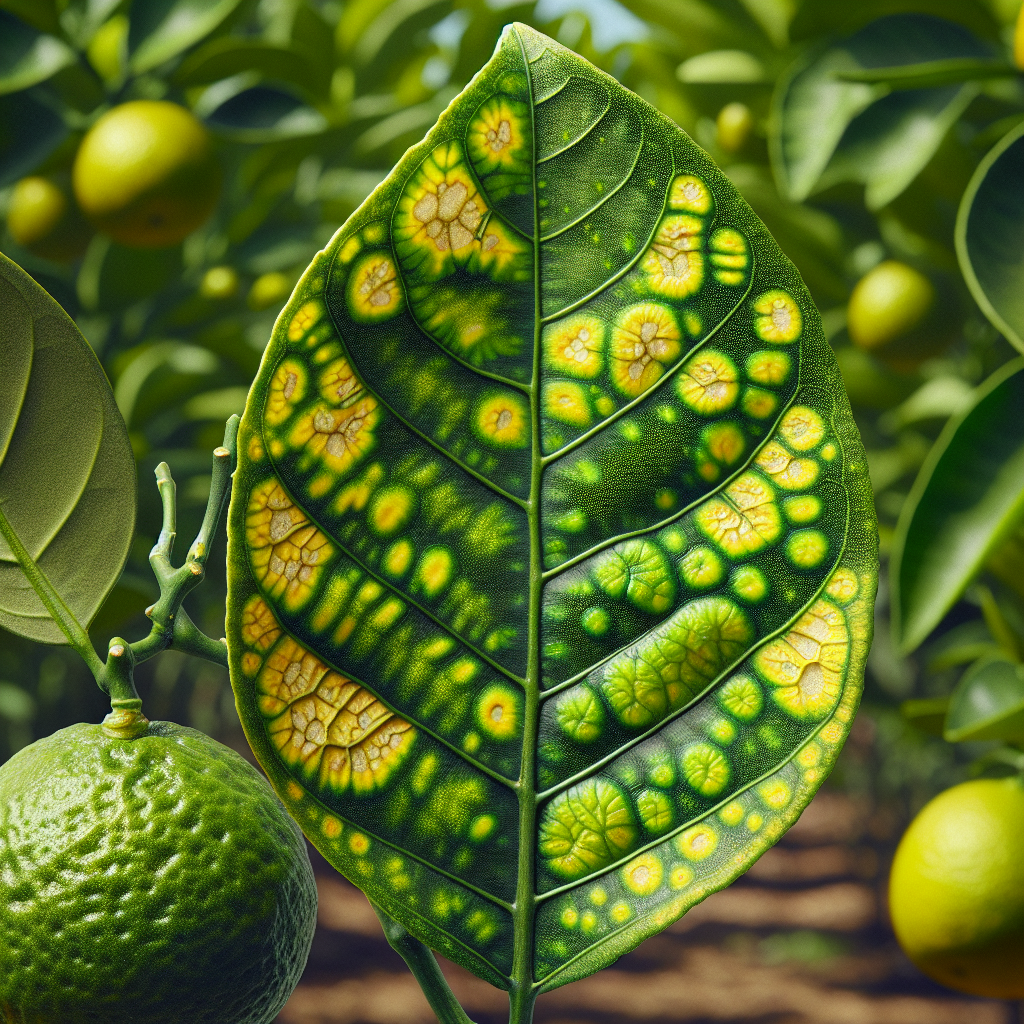
citrus greening disease (huanglongbing)
Citrus greening disease, also known as Huanglongbing (HLB), is a devastating bacterial infection transmitted by the Asian citrus psyllid that affects citrus trees worldwide, causing mottled leaves, deformed fruits, and eventual tree death. First identified in China in the early 1900s, it has led to billions in agricultural losses, particularly in Florida and Brazil. Early detection and vector control are critical for management, though no cure exists.
View Profile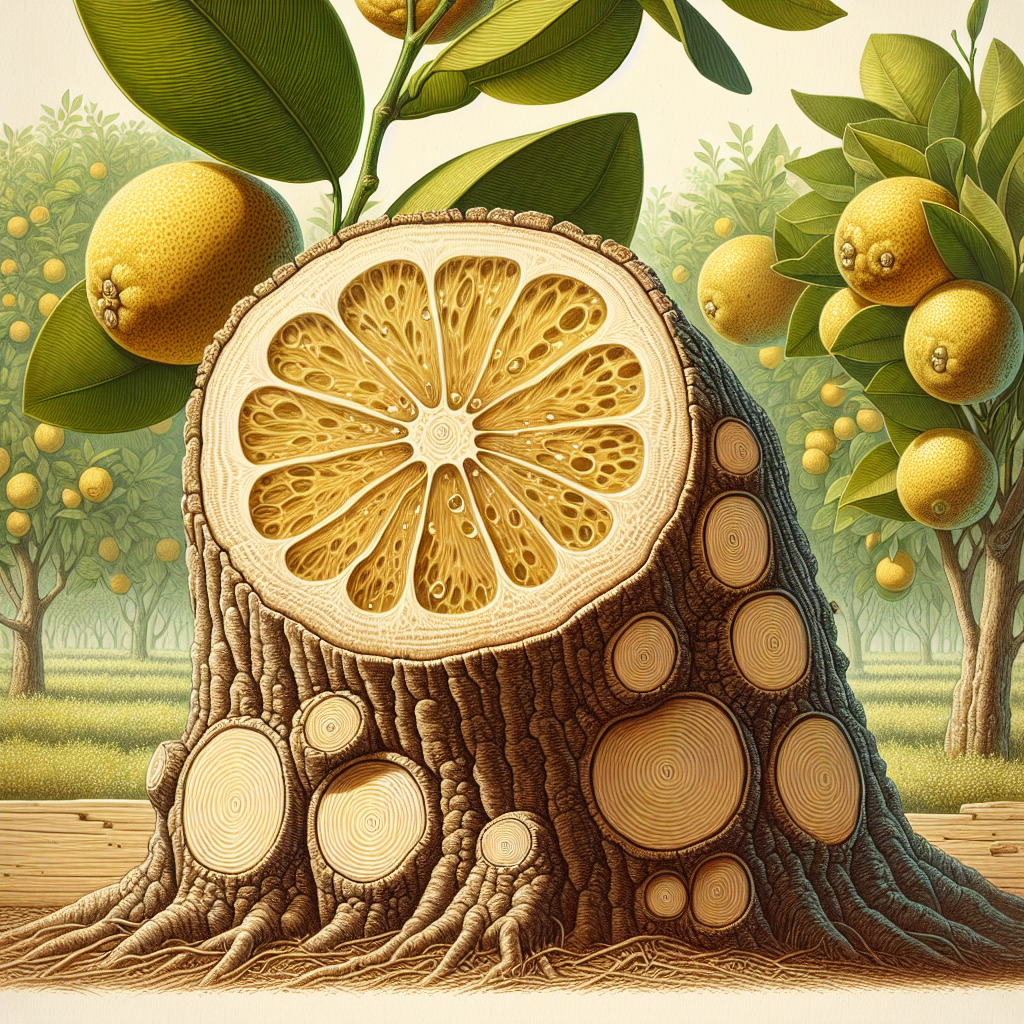
Citrus tristeza virus
Citrus tristeza virus (CTV) is a devastating closterovirus that causes severe decline, quick decline, and stem pitting in citrus trees, primarily transmitted by aphids. It poses a major threat to global citrus production, leading to tree death and massive economic losses. Effective management relies on virus-free planting material, tolerant rootstocks, and vector control.
View Profile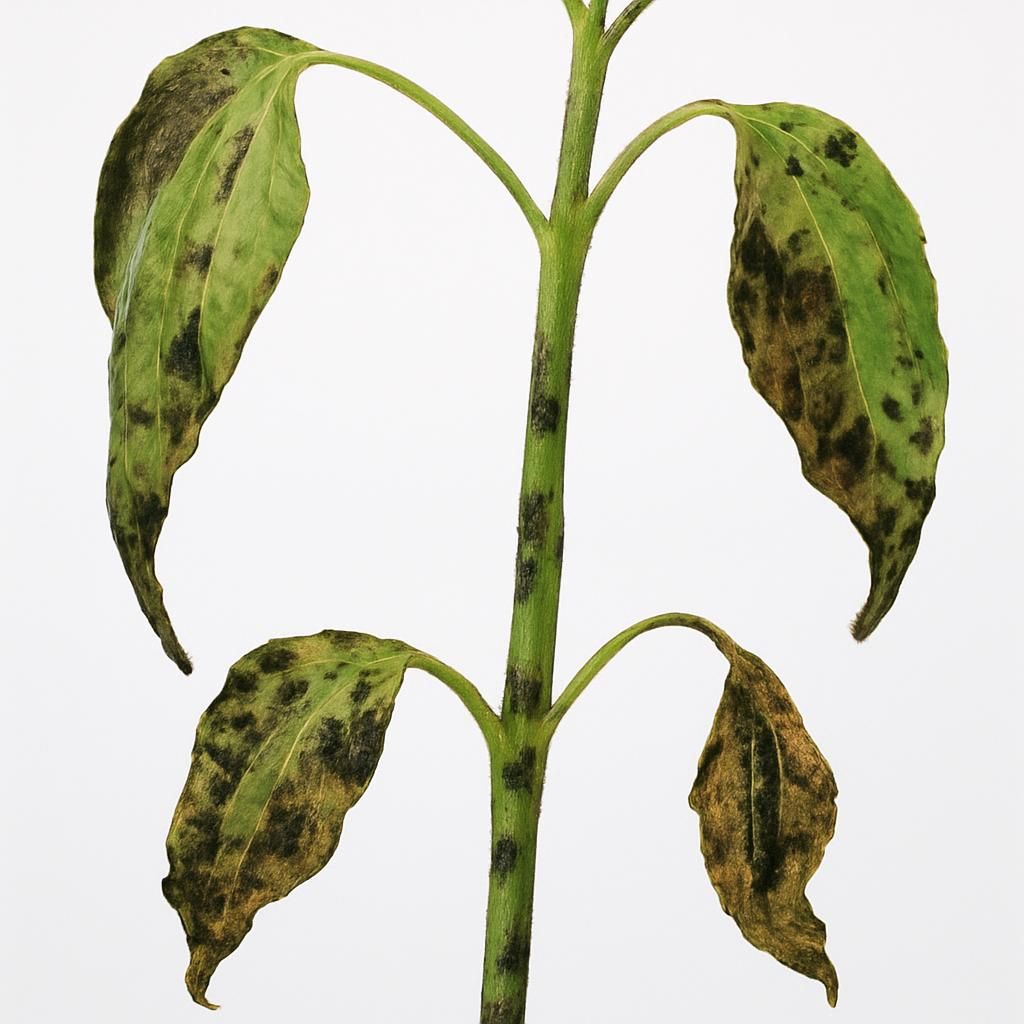
clematis wilt
Clematis wilt is a destructive fungal disease primarily caused by Ascochyta clematidina that leads to sudden wilting, stem blackening, and collapse of clematis vines. It spreads through soil, water splash, and contaminated tools, thriving in cool, moist conditions. Effective management relies on resistant cultivars, cultural practices, and targeted organic treatments.
View Profile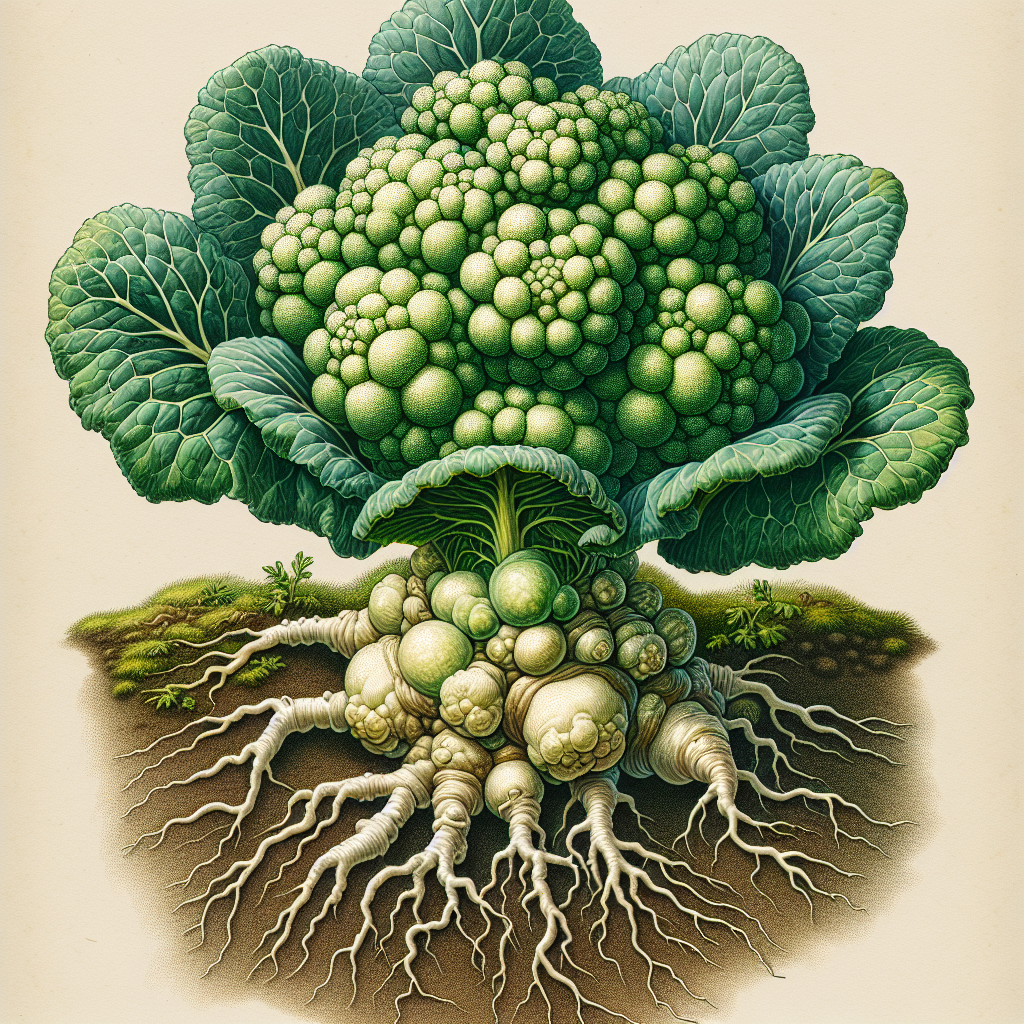
clubroot
Clubroot is a devastating soil-borne disease caused by the pathogen Plasmodiophora brassicae, primarily affecting brassica crops like cabbage, broccoli, and cauliflower. It produces characteristic club-shaped galls on roots, severely impairing water and nutrient uptake, often leading to wilting and plant death. Effective management relies on prevention, soil pH adjustment, and resistant varieties.
View Profile