Definitive Diagnostic and Management Guide for Cercospora
Introduction to Cercospora
Cercospora is a genus of ascomycete fungi responsible for numerous leaf spot diseases affecting a wide variety of agricultural crops worldwide. These pathogens, often referred to as Cercospora leaf spot, are notorious for causing significant economic losses in both small-scale and commercial farming operations. The fungus thrives in warm, humid environments, making it a prevalent issue in tropical and subtropical regions, though it can also affect temperate zones during favorable conditions. Cercospora species are highly host-specific, meaning different strains target specific crops, leading to tailored management approaches. Understanding the biology, symptoms, and environmental preferences of Cercospora is crucial for effective diagnosis and control. This guide aims to equip farmers and agricultural professionals with practical, actionable strategies to combat this pervasive fungal disease and protect their harvests from its damaging effects.
Identifying Symptoms & Damage
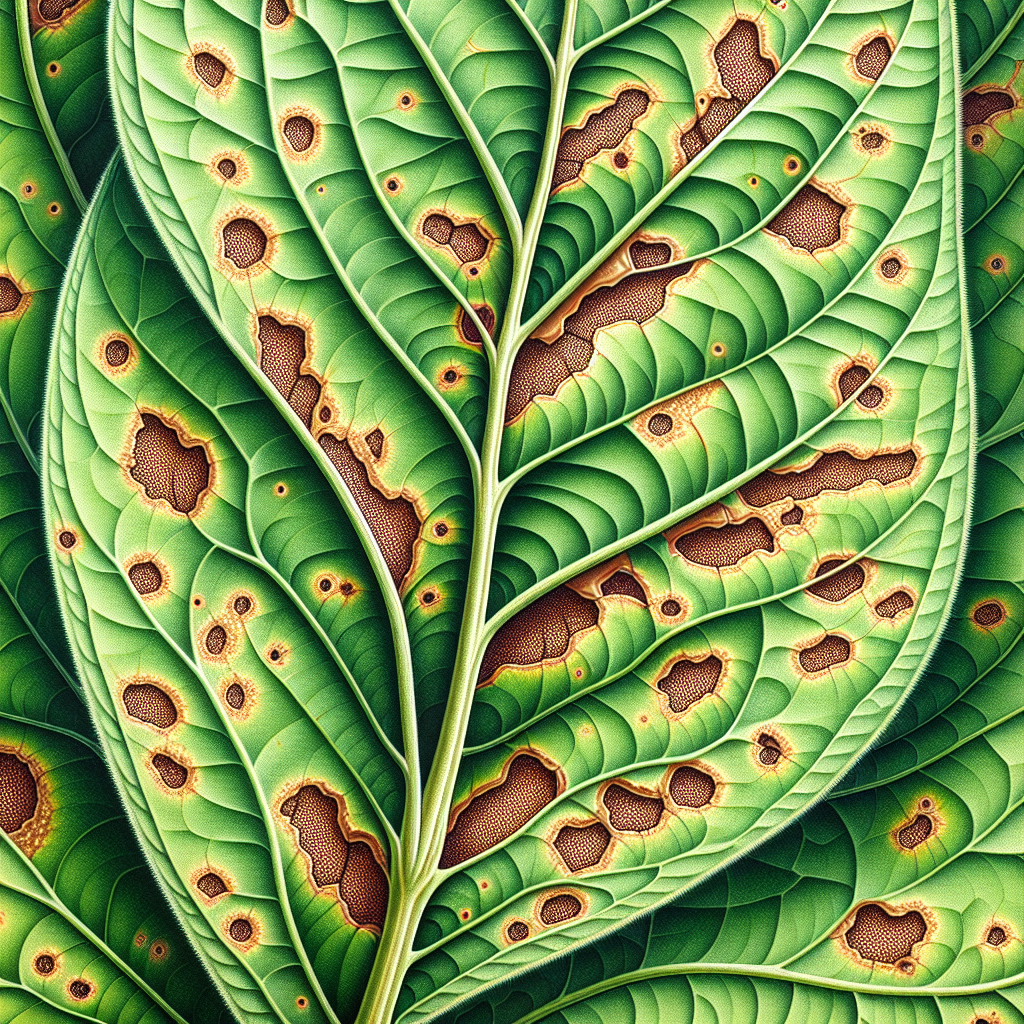
The hallmark symptom of Cercospora infection is the appearance of small, circular to irregular spots on the leaves of affected plants. These lesions often start as tiny, water-soaked areas that gradually enlarge, turning tan, brown, or gray with a darker border. In many cases, a yellow halo surrounds the spot, indicating tissue damage beyond the lesion itself. As the disease progresses, spots may coalesce, leading to extensive leaf blight, reduced photosynthesis, and premature defoliation. On crops like Soybeans, symptoms are particularly evident on older leaves first, moving upwards as the infection spreads. Severe infections can weaken plants, reducing vigor and yield, and in fruit or vegetable crops, indirect damage may occur due to reduced canopy protection, exposing produce to sunscald or other stresses. Close inspection with a magnifying glass may reveal fungal structures (conidia) on the underside of leaves, especially under humid conditions, confirming the presence of Cercospora.
Lifecycle and Progression of Cercospora
Cercospora fungi have a well-defined lifecycle that contributes to their persistence and spread in agricultural systems. The pathogen overwinters in infected plant debris, soil, or on alternate hosts, serving as a primary inoculum source for the next growing season. During favorable conditions—typically warm temperatures (75-85°F or 24-29°C) and high humidity—spores (conidia) are produced on infected tissues and dispersed by wind, rain splash, or mechanical means such as farm equipment. These spores land on susceptible host plants, germinate, and penetrate leaf tissues through stomata or wounds, initiating infection within 5-7 days. Secondary infections occur as new spores are produced on lesions and spread to healthy foliage, creating a cycle of reinfection throughout the growing season. The disease progresses rapidly under continuous wet weather or overhead irrigation, with defoliation occurring in severe cases, particularly if plants are stressed by nutrient deficiencies or other factors.
Environmental Triggers & Risk Factors
Cercospora thrives in environments characterized by high humidity, frequent rainfall, and moderate to warm temperatures, making it a significant concern in regions with tropical or subtropical climates. Prolonged leaf wetness, often from dew, rain, or irrigation practices, is a primary trigger for spore germination and infection. Poor air circulation in densely planted fields exacerbates the problem by trapping moisture around foliage. Fields with a history of Cercospora infections are at higher risk due to the presence of overwintering inoculum in crop residue or soil. Additionally, monoculture practices or failure to rotate crops increase susceptibility, as the pathogen builds up over time. Nutrient imbalances, particularly deficiencies in potassium or magnesium, can weaken plants, making them more vulnerable to infection. For small farmers, understanding local weather patterns and implementing proactive monitoring can be crucial, as highlighted in strategies discussed in Why 80% of Small Farms Battle Weather Disasters - And How Hyper-Local AI Forecasts Can Save Your Harvest.
Organic Control & Treatment Plans
Managing Cercospora organically requires an integrated approach that prioritizes cultural practices, biological controls, and approved organic fungicides. Begin by removing and destroying infected plant debris at the end of the growing season to reduce overwintering inoculum—do not compost infected material, as spores can survive. Use resistant or tolerant crop varieties when available, as they can significantly reduce disease severity. Apply organic fungicides such as copper-based products or neem oil at the first sign of infection, ensuring thorough coverage of leaf surfaces, especially the undersides where spores often form. Reapply every 7-10 days during wet weather, following label instructions to avoid phytotoxicity. Biological control agents, such as Bacillus subtilis, can also suppress fungal growth by competing with Cercospora on leaf surfaces. Enhance plant health with balanced organic fertilizers to bolster natural defenses, and avoid overhead irrigation to minimize leaf wetness. Regular scouting and early intervention are key to preventing widespread outbreaks in organic systems.
Preventing Cercospora in the Future
Prevention is the cornerstone of long-term Cercospora management, particularly for sustainable farming operations. Implement crop rotation with non-host plants for at least 2-3 years to break the disease cycle and reduce soil inoculum levels. Incorporate deep tillage where feasible to bury infected debris, though this must be balanced with soil health considerations. Space plants adequately to improve air circulation and reduce humidity in the canopy, and use drip irrigation instead of overhead systems to keep foliage dry. Select planting dates that avoid peak humidity periods if possible, and always use certified disease-free seeds or transplants. Maintain field sanitation by cleaning equipment between fields to prevent mechanical spread of spores. Finally, monitor fields regularly for early symptoms, especially during warm, wet weather, and keep detailed records of disease incidence to inform future management decisions.
Crops Most Affected by Cercospora
Cercospora species target a wide array of economically important crops, with some of the most affected including Soybeans, sugar beets, peanuts, and various vegetables like spinach and celery. In soybeans, Cercospora kikuchii causes purple seed stain and leaf blight, leading to significant yield and quality reductions. Sugar beets suffer from Cercospora beticola, which can cause up to 40% yield loss in severe outbreaks. Peanuts are impacted by Cercospora arachidicola and Cercosporidium personatum, leading to early and late leaf spot diseases, respectively. Other susceptible crops include rice, corn, and several ornamental plants, though severity varies by region and environmental conditions. Tailoring management practices to specific crops and local conditions is essential, as different Cercospora species have unique host preferences and life cycles. For farmers growing multiple crops, understanding these interactions can prevent cross-contamination and widespread damage.
By implementing the diagnostic, treatment, and prevention strategies outlined in this guide, farmers can effectively manage Cercospora and safeguard their crops from this persistent fungal threat. Consistent monitoring, cultural adjustments, and timely interventions are the foundation of a robust defense against leaf spot diseases.