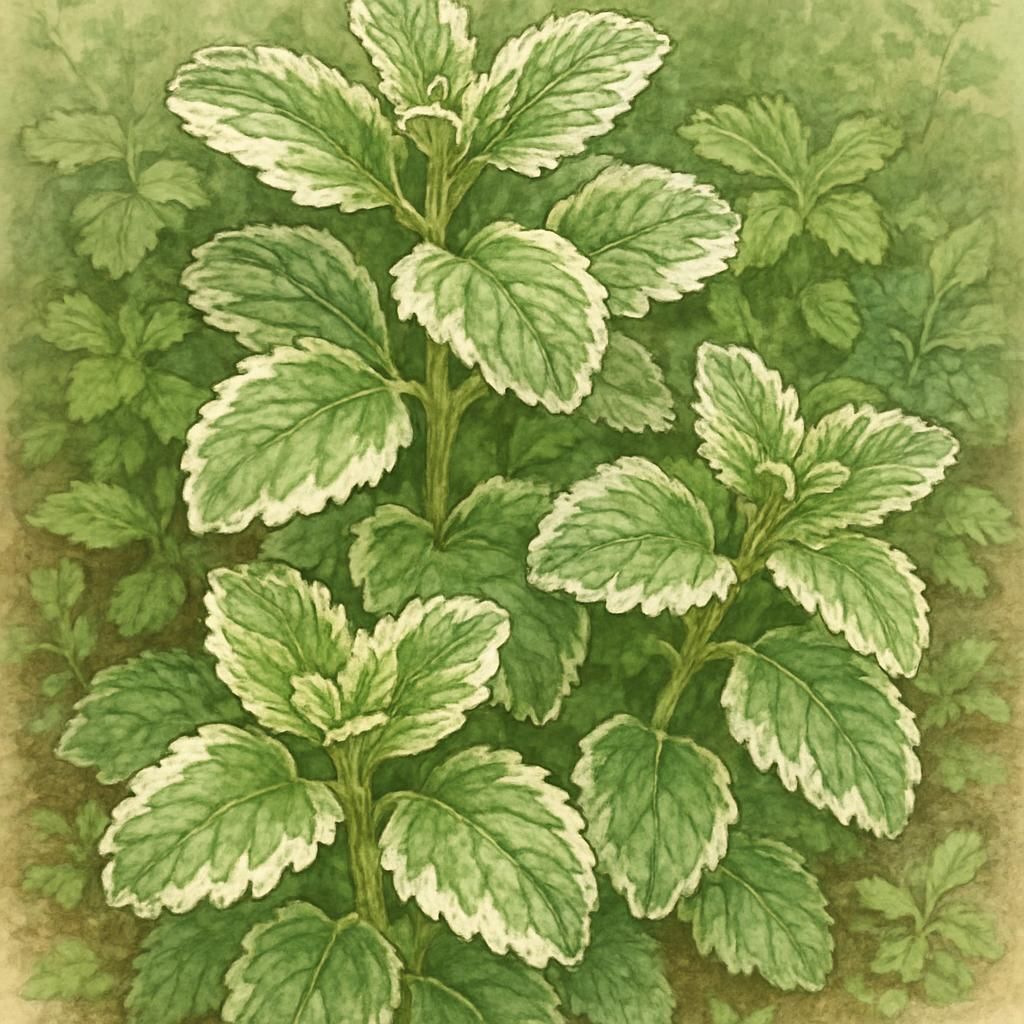
Introduction to Apple Mint (Variegated)
Apple Mint (Variegated), scientifically known as Mentha suaveolens ‘Variegata’, is a charming herbaceous plant that belongs to the Lamiaceae family. Known for its variegated leaves and unique apple-like scent, this mint variety is highly decorative and aromatic, making it a popular choice for gardens and culinary uses alike.
Variegated Apple Mint is particularly appealing due to its visually striking leaves that feature a cream-to-white margin surrounding vibrant green centers. This perennial herb is not only attractive but is also easy to grow, making it an excellent choice for both novice and experienced gardeners.
Botanical Profile of Apple Mint (Variegated)
Scientific Name: Mentha suaveolens ‘Variegata’
Family: Lamiaceae
Origin: Europe
Plant Type: Herbaceous perennial
Height: Approximately 12-24 inches
Spread: Can spread vigorously if unchecked
Foliage: Opposite, toothed leaves with variegated green and white colors
Aroma: Sweet, apple-like scent
Apple Mint (Variegated) grows well in many climates and typically prefers partial shade to full sun. This mint is vigorous and can become invasive if not properly managed. It is highly attractive to butterflies and bees, which are beneficial for pollination in garden ecosystems.
Soil, pH, and Climate Requirements for Apple Mint (Variegated)
To thrive, Apple Mint (Variegated) requires specific soil, pH, and climate conditions which are detailed below:
| Factor | Ideal Condition |
|---|---|
| Soil Type | Well-draining, loamy soil |
| pH Range | 6.0 - 7.5 |
| Sunlight | Full sun to partial shade |
| Temperature Range | 50-70°F (10-21°C) |
| USDA Hardiness Zone | 5-9 |
A well-drained soil structure is key for preventing root rot and other related diseases, especially in regions with high rainfall. Regular monitoring of soil pH can ensure optimal nutrient availability.
Step-by-Step Planting & Propagation
Site Selection: Choose a site that receives full sun to partial shade and has well-draining soil. Consider the potential invasiveness of mint, and plant in a container, if necessary, to prevent it from overtaking the garden.
Soil Preparation: Amend the soil with organic matter to enhance drainage and nutrient content. Conduct a soil test to ensure pH levels are within the ideal range of 6.0-7.5.
Planting: Plant Apple Mint cuttings or seedlings in early spring after the last frost. Space them about 12-24 inches apart to allow sufficient room for growth.
Watering: Water the plants thoroughly after planting, then maintain consistent moisture, especially in dry spells.
Propagation: Apple Mint can be easily propagated through stem cuttings or root division. For stem cuttings, select healthy, non-flowering stems, and plant them in moist potting mix until roots develop.
Care & Maintenance Regimes for Apple Mint (Variegated)
Careful maintenance is essential for achieving lush growth of Apple Mint (Variegated).
| Activity | Frequency/Notes |
|---|---|
| Watering | Regular, keep soil consistently moist |
| Fertilization | Monthly; use balanced fertilizer |
| Pruning | Prune regularly to encourage bushiness |
Regular pruning will prevent the mint from bolting and will keep the plant neat and dense. It's also advisable to mulch around the plant base to retain soil moisture and suppress weeds.
Pests, Diseases & Organic Management
Apple Mint (Variegated) can attract a variety of pests including Spider Mites, aphids, and caterpillars. Here are some organic management strategies:
- Handpicking and Monitoring: Regularly inspect plants for pests. Remove insects manually or spray them off with water.
- Companion Planting: Plant with Thyme and Marigold to repel pests.
- Neem Oil: Use neem oil as a natural pesticide against aphids and mites.
Mint is generally resistant to diseases but can suffer from rust and powdery mildew. Ensure good air circulation to prevent fungal outbreaks.
Harvesting, Curing & Optimal Storage
Harvest Apple Mint leaves at any time, but flavor is best before flowering. To dry leaves for storage:
- Cut Stems: Choose healthy stems in the morning after the dew dries.
- Bundle and Dry: Bundle stems, hang them upside down in a dark, airy room.
- Storage: Once dry, crumble leaves and store them in airtight containers.
Fresh leaves can be stored in the refrigerator wrapped in a damp paper towel for about a week.
Companion Planting for Apple Mint (Variegated)
Mint benefits from and supports nearby plants. Compatible companions include:
Avoid planting near parsley and chamomile as they may not thrive with mint due to allelopathic effects.
For more insights on companion planting, consider reading about Summer Companion Planting: 10 Organic Pairings to Boost Small Farm Resilience.