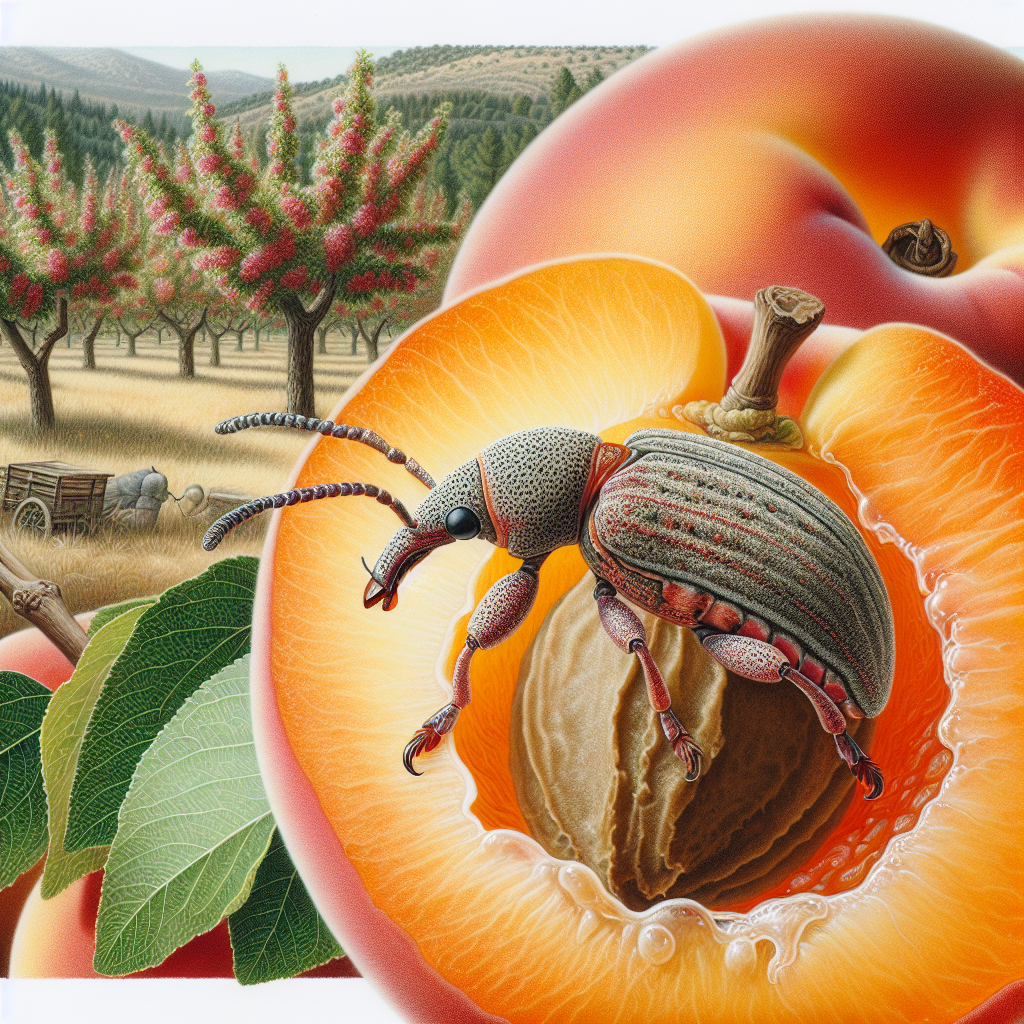
Introduction to apricots
Apricots, commonly shorthand for the notorious apricot weevil (Pseudecthina conspersa), represent one of the most challenging pests in stone fruit production worldwide. Native to regions with Prunus species, these weevils target developing fruits, leading to substantial economic losses for commercial orchards and home gardens alike. Understanding this pest's behavior is crucial for effective control, as infestations can reduce yields by up to 50% in severe cases. This definitive guide equips botanists, farmers, and agricultural experts with professional-grade diagnostics, lifecycle details, and management plans to combat apricot weevils. By integrating monitoring, organic treatments, and cultural practices, growers can safeguard their harvests. For broader pest insights, explore our comprehensive resource on aphids. Additionally, check out this practical blog on Spring Pest Patrol: Organic AI Strategies to Shield Your Crops from Common Invaders.
The apricot weevil's impact extends beyond direct fruit damage, as larvae tunnel into pits, facilitating secondary infections from pathogens like brown rot blossom blight. Early intervention is vital, especially in warm climates where populations explode rapidly. This guide draws from entomological research and field-tested strategies to deliver actionable advice.
Identifying Symptoms & Damage
Detecting apricot weevil infestations requires keen observation of specific symptoms on affected trees. Adult weevils, measuring 4-6 mm with a reddish-brown snout and mottled gray body, emerge in spring and feed on buds and young leaves, leaving irregular notches. Look for characteristic 'U-shaped' feeding grooves on buds, a hallmark sign distinguishing them from leaf-feeding caterpillars.
As females lay eggs inside developing fruits (typically 1-2 weeks post-bloom), infested apricots show small entry holes (1-2 mm) surrounded by gummy exudate. Larvae bore into the pit, causing fruit abortion and premature drop. Severely damaged fruits appear shriveled, with dark tunnels visible upon sectioning. Yield losses manifest as sparse clusters, with up to 30% fruit drop in moderate infestations.
Secondary damage includes sooty mold from honeydew-like excretions and increased susceptibility to anthracnose. Monitor trees weekly from bud swell through fruit set using sticky traps or beat sheets. Differentiate from similar pests like plum curculio by the weevil's elongated snout and lack of crescent-shaped scars. In peach orchards, symptoms overlap with twig borers, necessitating precise scouting.
Diagnostic tip: Shake branches over white paper; active weevils drop and feign death (thanatosis). Confirm infestation by dissecting dropped fruits for creamy-white larvae (3-5 mm).
Lifecycle and Progression of apricots
The apricot weevil completes one to two generations annually, synchronized with host phenology. Adults overwinter in soil litter or under bark, pupating in spring (March-April in temperate zones). Emergence coincides with 50% bloom, triggered by 200-300 degree-days (base 10°C).
Post-emergence, adults feed for 7-10 days, then females oviposit (up to 50 eggs per female) into fruits 10-15 mm diameter. Eggs hatch in 5-7 days, larvae feed for 2-3 weeks, excavating pits before exiting to pupate in soil. First-generation adults appear in June-July, potentially yielding a partial second brood in warmer areas.
Full cycle: egg (7 days), larva (21 days), pupa (14 days), adult (lifespan 4-6 weeks). Peak damage occurs mid-fruit development. In plum trees, lifecycle aligns similarly, extending pressure across stone fruits. Soil temperatures above 15°C accelerate progression, making Mediterranean climates high-risk.
Environmental Triggers & Risk Factors
Apricot weevils thrive in well-drained, loamy soils with pH 6.0-7.5, common in stone fruit regions. Key triggers include mild winters (minimal mortality below -5°C) and spring rains promoting adult activity. High humidity (>70%) during oviposition favors egg survival.
Risk factors: Monoculture orchards, reduced tillage retaining pupae, and proximity to wild Prunus. Drought stress weakens trees, increasing susceptibility, while excessive nitrogen spurs tender growth attractive to adults. In cherry groves, overlapping bloom periods amplify infestations via dispersal flights (up to 1 km).
Climate change exacerbates issues, with earlier springs advancing emergence by 10-15 days. Poor sanitation, like uncollected dropped fruits, sustains populations. Integrated assessments using degree-day models predict outbreaks accurately.
Organic Control & Treatment Plans
Organic management emphasizes IPM: monitoring, cultural, biological, and targeted botanicals. Monitoring: Deploy bucket traps with floral lures from green tip stage; threshold 2-5 weevils/trap/week.
Cultural: Disk soil pre-bloom to expose pupae to predators and desiccation. Remove dropped fruits weekly, mulch with coarse materials to deter adults. Encourage predators like ground beetles via cover crops such as clover.
Biological: Release nematodes (Heterorhabditis bacteriophora) against soil stages (apply evenings, 70-85°F soil). Promote birds with nest boxes; chickens forage adults effectively.
Botanicals: Kaolin clay (Surround WP) at 50-100 lb/acre coats adults, reducing oviposition 70%. Neem oil (azadirachtin 0.03%) sprays at petal fall disrupt larvae; rotate with insecticidal soaps. Spinosad (Entrust) for larvae in fruits, applied early (pre-oviposition), PHI 1 day.
Treatment plan: Scout weekly; at threshold, clay + neem combo. Post-harvest, flood-irrigate orchards to drown pupae. Success rates: 80-90% reduction with consistent IPM. Avoid broad-spectrum sprays preserving spider mites predators.
Preventing apricots in the Future
Long-term prevention hinges on sanitation, resistant varieties, and habitat disruption. Plant certified stock free of weevils; select early-maturing cultivars escaping peak oviposition. Maintain orchard floors weed-free, mowing to <6 inches.
Barrier strategies: Surround trunks with Tanglefoot bands post-harvest. Crop rotation with non-hosts like garlic breaks cycles. Soil solarization in off-season kills pupae (6 weeks black plastic, >40°C).
Enhance biodiversity with hedgerows of thyme repelling adults. Annual soil applications of entomopathogenic fungi (Metarhizium anisopliae) provide season-long suppression. Monitor with pheromone traps; remove heavily infested trees. In pear interplants, vigilance prevents spillover.
Crops Most Affected by apricots
Apricot weevils primarily target stone fruits: apricots (primary), peach, plum, cherry, and nectarine. Secondary hosts include wild almonds and almond. In mixed orchards, Elberta Peach suffers 40% losses untreated. Santa Rosa Plum shows high susceptibility due to fruit size. Nectarines experience rapid spread from adjacent apricots. Avoid polycultures without isolation. Bing Cherry reports increasing damage in weevil-endemic areas.