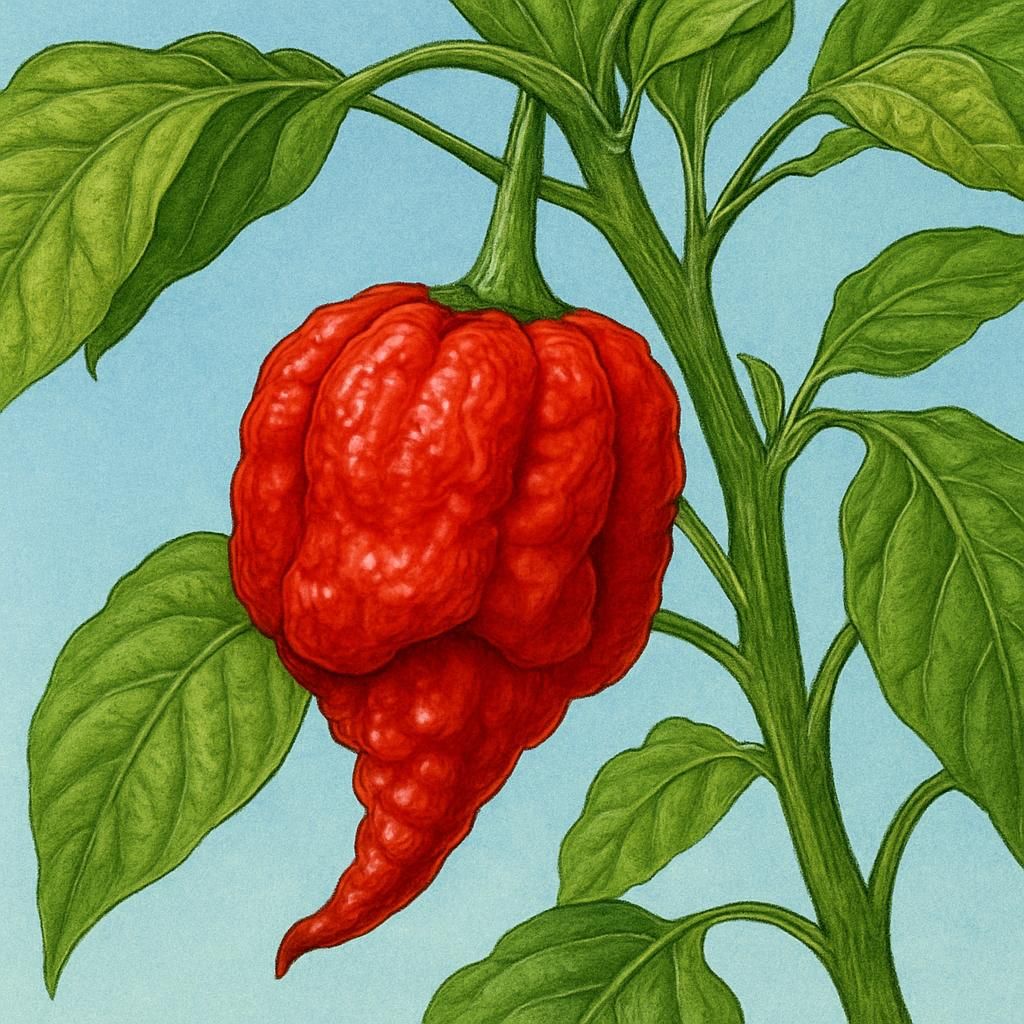
Introduction to Apocalypse Scorpion
The Apocalypse Scorpion pepper is often mentioned in conversations about the world's hottest peppers. While the Carolina Reaper holds the official title for the hottest pepper, the Apocalypse Scorpion is a close contender with its intense heat and fruitiness. Originating from Italy, this pepper has sparked interest among chili enthusiasts for its ferocity and pungency.
Botanical Profile of Apocalypse Scorpion
The Apocalypse Scorpion belongs to the species Capsicum chinense, a category of chili peppers known for their incredible heat. The plant is bushy, growing to about 3 to 4 feet tall, with peppers that are typically bright red and bumpy when ripe. Each pepper measures about 2 to 3 inches in length.
Soil, pH, and Climate Requirements for Apocalypse Scorpion
Growing Apocalypse Scorpion peppers requires specific conditions, particularly in soil, pH, and climate.
| Condition | Ideal Range |
|---|---|
| Soil Type | Well-drained, loamy |
| Soil pH | 6.0 to 6.8 |
| Temperature | 70°F to 95°F |
| Sunlight | Full sun |
| Humidity | Low to moderate |
Step-by-Step Planting & Propagation
- Seed Selection: Begin with high-quality seeds to ensure a robust plant that can produce peppers with the expected heat level.
- Germination: Start seeds indoors 8-10 weeks before the last expected frost. Using a seedling heat mat can accelerate germination as pepper seeds require warm soil temperatures, ideally between 75°F to 85°F.
- Transplanting: Once seedlings have 2-3 true leaves and all risk of frost has passed, transplant them into the garden or larger pots.
- Spacing: Space plants 18-24 inches apart in an area with full sun exposure.
Care & Maintenance Regimes for Apocalypse Scorpion
Proper maintenance is crucial to ensure healthy growth and an abundant harvest.
| Task | Frequency |
|---|---|
| Watering | Once a week, deeply |
| Fertilizing | Every 4 weeks with a balanced NPK fertilizer |
| Pruning | As needed to remove dead leaves and encourage airflow |
Pests, Diseases & Organic Management
Apocalypse Scorpion pepper plants can be susceptible to various pests and diseases. Common pests include Spider Mites and Aphids. Diseases such as powdery mildew can also affect these plants.
Organic Management Strategies:
- Use neem oil or insecticidal soap for pest control.
- Maintain good air circulation to prevent fungal diseases.
- Practice crop rotation to minimize disease outbreaks.
Harvesting, Curing & Optimal Storage
Harvesting: Peppers are ready to harvest when they turn bright red and have a glossy sheen. Use a sharp knife or scissors to cut peppers from the plant to avoid damaging the branches.
Curing: Allow harvested peppers to dry in a shaded, well-ventilated area to minimize the risk of rot.
Storage: Dried peppers can be stored in airtight containers in a cool, dark place.
Companion Planting for Apocalypse Scorpion
Companion planting can enhance plant growth and reduce pest pressure. Suitable companion plants include Basil, which can deter pests and enhance the flavor of the peppers.
For additional insights into companion planting, you can refer to Summer Companion Planting: 10 Organic Pairings to Boost Small Farm Resilience.