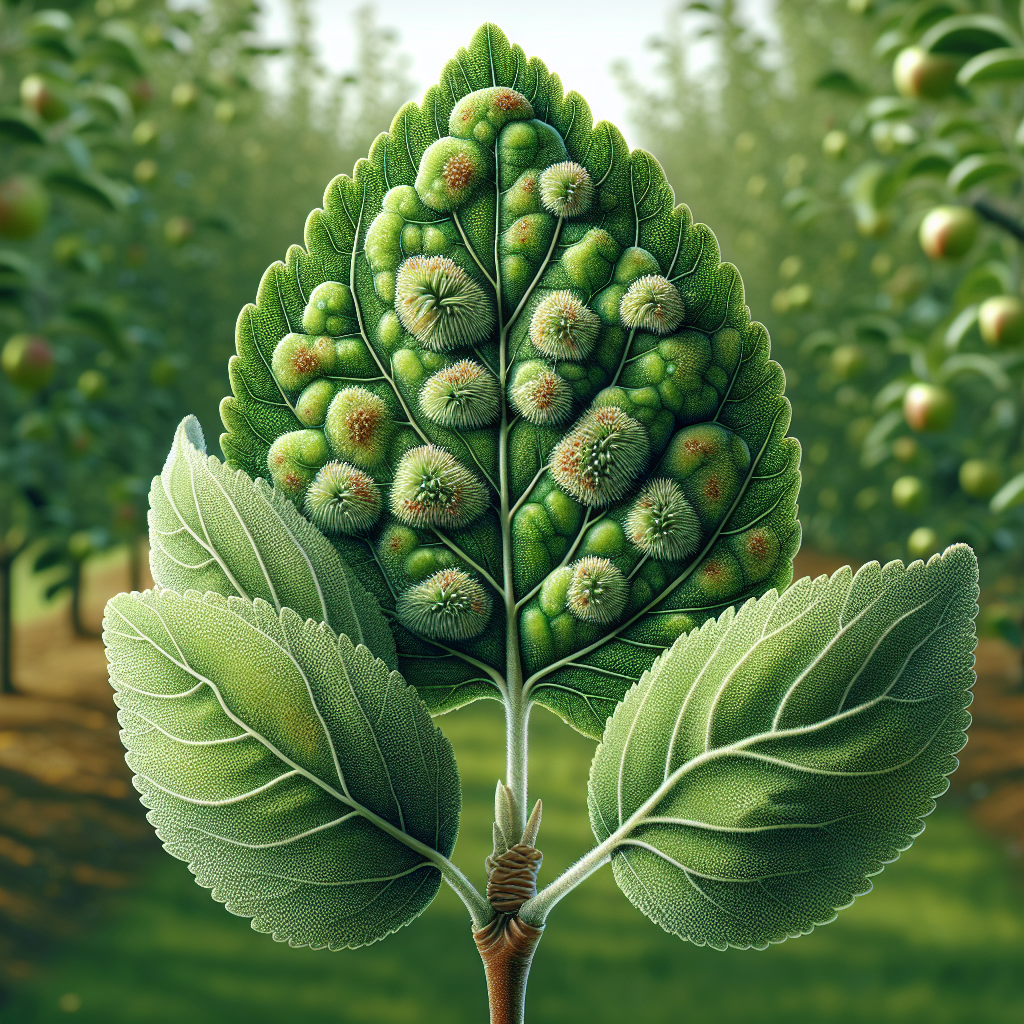
Introduction to apple scab
Apple scab, caused by the fungus Venturia inaequalis, stands as one of the most destructive diseases impacting Apple production worldwide. This pathogen targets leaves, buds, flowers, and fruits, resulting in unsightly lesions that reduce photosynthesis, weaken trees, and render fruit unmarketable. In severe cases, infections can cause premature leaf drop, stunted growth, and up to 100% yield loss in unmanaged orchards. Understanding apple scab is crucial for commercial growers and home gardeners alike, as timely intervention can preserve tree health and fruit quality.
First identified in the United States in the 19th century, apple scab now affects apples globally, particularly in temperate regions with humid springs. The disease's economic toll is immense, with annual control costs exceeding millions in major producing areas like the U.S. Northeast, Europe, and New Zealand. For small farms, Why Misidentifying Plants Costs Small Farms Thousands - And How AI Camera Diagnosis Fixes It Fast highlights the value of rapid diagnostics to avoid missteps. Symptoms often mimic other issues like powdery mildew or cedar-apple rust, underscoring the need for precise identification. This guide provides a comprehensive diagnostic and management roadmap, drawing from decades of botanical and agricultural research to empower effective control.
Identifying Symptoms & Damage
Early detection of apple scab hinges on recognizing its distinctive symptoms across plant parts. Initial signs appear 9-17 days after infection as olive-green or black velvety spots on the undersides of young leaves, often along veins. These lesions, measuring 1/8 to 1/4 inch, develop a fuzzy mycelial growth under moist conditions, earning the 'scab' moniker from their corky, raised appearance on older tissues.
Leaf infections start as pale yellow areas with feathery margins, progressing to dark brown or olive-black blotches with indefinite borders. Heavily infected leaves yellow, curl, and drop prematurely, sometimes by early summer, leading to defoliation rates of 50-100% in susceptible varieties like McIntosh Apple. Fruit symptoms emerge as dark, velvety spots that crack and cork over, distorting shape and creating 'scabbed' surfaces that crack during growth. Calyx-end infections cause radial cracks, inviting secondary rots like bitter rot.
Damage extends beyond aesthetics: scab reduces marketable yield by 30-70%, lowers fruit size and quality, and weakens trees via reduced carbohydrate reserves. Severe defoliation stresses buds, increasing susceptibility to fire blight and winter injury. On twigs and buds, symptoms include black, sunken cankers that girdle tissues, causing shoot dieback. Differentiate from sooty blotch (smoky film) or flyspeck (tiny black dots) by scab's raised, corky texture and microscopic conidia under wet conditions.
Diagnostic tips: Use a 10x hand lens to spot mycelia; scrape lesions to reveal tan pseudothecia in fallen leaves. Lab confirmation via PCR detects V. inaequalis DNA. Monitor Gala Apple and Honeycrisp Apple varieties closely, as they show susceptibility despite popularity.
Lifecycle and Progression of apple scab
Venturia inaequalis follows a complex lifecycle synchronized with apple phenology, spanning sexual and asexual phases. Overwintering occurs as pseudothecia in fallen leaves, releasing ascospores during spring rains when temperatures hit 45-60°F (7-15°C) with leaf wetness >9 hours. These primary inoculum infect expanding leaves and fruits from green tip to petal fall, with peak discharge around pink bud stage.
Infections produce conidia within 9-35 days (optimal at 55-65°F), which splash-disperse in rain, driving 80-90% of secondary spread. Lesions mature into acervuli, releasing billions of conidia per leaf during wet summers. Cycle repeats 10-20 times per season, amplifying epidemics in humid climates. By midsummer, conidial production wanes, but pseudothecia form in senescing leaves for overwintering.
Progression varies by cultivar: susceptible Golden Delicious Apple show rapid spread, while resistant Liberty Apple limit lesion size. Wetness duration models (e.g., Mills table) predict infection risk: 9 hours at 61°F guarantees infection, dropping to 12+ hours at 50°F. Understanding this polycyclic nature informs timing: primary infections dominate early spring, secondaries mid-season. Fallen leaves harbor 90% inoculum; incomplete sanitation perpetuates cycles.
Environmental Triggers & Risk Factors
Apple scab thrives in cool, moist environments, with infection risk tied to leaf wetness duration, temperature, and humidity. Optimal infection occurs at 55-65°F with >80% relative humidity and prolonged wetness from rain, dew, or irrigation. Prolonged springs with frequent showers (>2 inches rain in April-May) trigger epidemics, as in the U.S. Midwest and Pacific Northwest.
Risk factors include dense canopies reducing airflow, promoting wetness; susceptible cultivars like Red Delicious Apple; and poor sanitation leaving >5% infected leaves. High nitrogen fertilization spurs tender growth, easing penetration. Orchards near woodlands retain humidity; clay soils hold moisture longer. Climate change extends wet periods, intensifying outbreaks.
Integrated models like RIMpro or NEWA forecast risk using weather data, alerting growers to spray windows. Avoid overhead irrigation; site selection with good air drainage mitigates triggers. Companion crops like pear orchards amplify risk if unsprayed.
Organic Control & Treatment Plans
Organic management emphasizes prevention over cure, integrating cultural, biological, and OMRI-listed fungicides. Start with sanitation: rake and destroy 90% fallen leaves via shredding, mulching, or urea (5% fall spray) to degrade pseudothecia. Flame or mow leaf litter to reduce ascospore dose by 70-90%.
Resistant varieties like Enterprise Apple or Geneva series minimize needs. Prune for open canopies (20-30% canopy removal), enhancing drying. Sulfur-based fungicides (e.g., liquid lime sulfur at 1-2 gal/100 gal) provide protectant control; apply at green tip, pink, petal fall, and 2-week intervals during high risk, up to 77-day PHI. Potassium bicarbonate or Serenade (Bacillus subtilis) suppress secondaries; rotate to prevent resistance.
Biologicals like lime sulfur + hort oil (dormant) kill overwintering stages. Timing via UTRE or Asista models optimizes sprays, reducing applications 30-50%. For outbreaks, potassium phosphite boosts defenses. Monitor with sticky traps and weather stations. Organic plans cut scab 80% with 6-10 sprays vs. 15+ conventional.
Preventing apple scab in the Future
Long-term prevention builds resilient systems: plant scab-resistant rootstocks/interstocks (e.g., Geneva 41) and cultivars like Liberty Apple. Diversify varieties; interplant with peach or cherry for polyculture benefits. Annual leaf removal and post-harvest urea (20 lb/100 gal) suppress inoculum.
Soil health via cover crops (clover) improves vigor; balanced nutrition avoids excess N. Drip irrigation minimizes wetness. Scout weekly; use apps for degree-day models. Mulch with 4-6 inches wood chips to bury leaves. Rotate treatments; integrate Spring Pest Patrol: Organic AI Strategies to Shield Your Crops from Common Invaders for holistic defense. Resistant blocks sustain yields >90% clean fruit.
Crops Most Affected by apple scab
Primarily apple trees, all 7,500+ cultivars susceptible to varying degrees; dessert types like Fuji Apple, Granny Smith Apple suffer most commercially. Crabapples highly vulnerable, spreading inoculum. Minor hosts: pear (rare), hawthorn, mountain ash; no economic impact elsewhere. Focus management on apple monocultures.