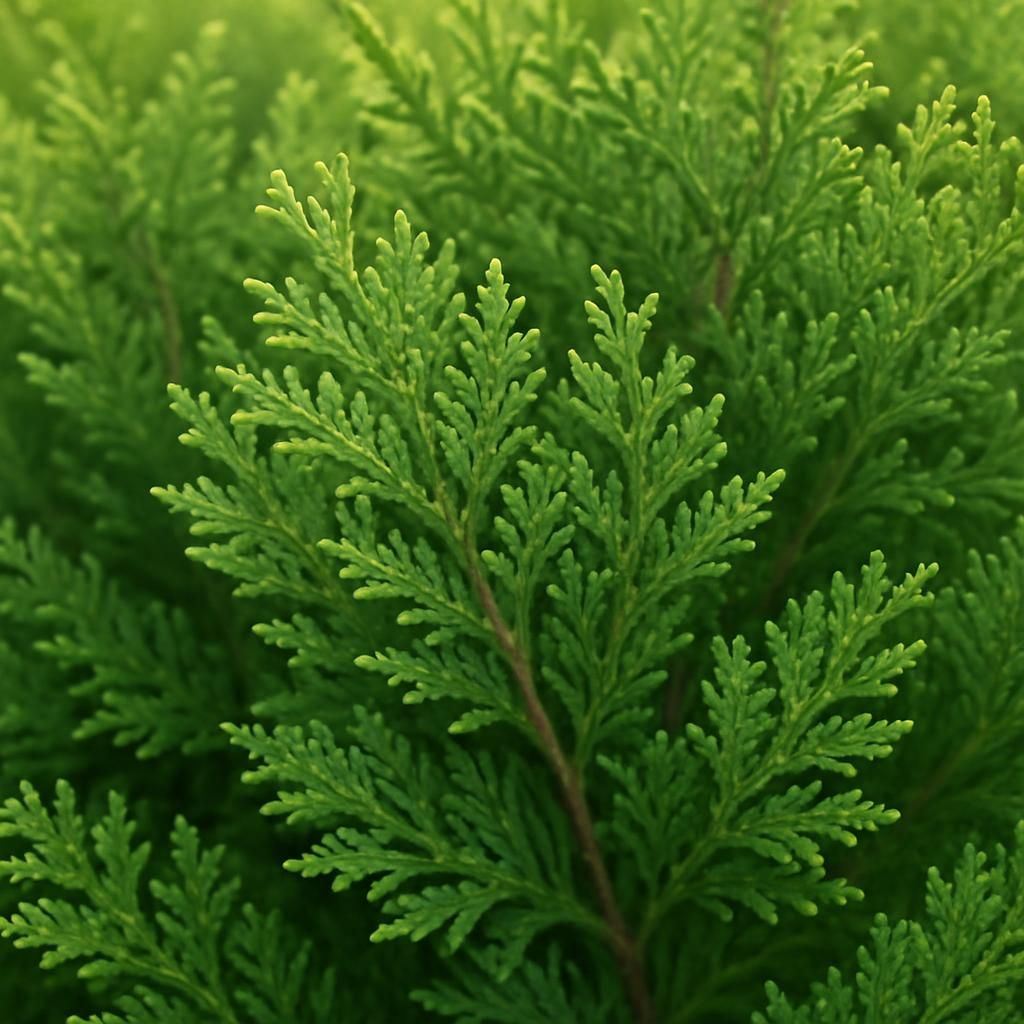
Introduction to Arborvitae
Arborvitae, scientifically known as Thuja occidentalis, is a hardy evergreen conifer prized for its dense foliage, rapid growth rate, and exceptional utility in creating living privacy screens and windbreaks. Native to North America, this resilient species has become a staple in both commercial nurseries and home landscapes due to its adaptability and low-maintenance requirements once established. Professional growers value arborvitae for its year-round greenery, ability to tolerate cold winters, and tolerance of various soil conditions when drainage is adequate.
Beyond its aesthetic and functional roles, arborvitae contributes to agricultural systems by providing wind protection that reduces soil erosion and improves microclimates for neighboring crops. Its foliage also offers habitat for beneficial insects and birds that support integrated pest management. This comprehensive guide delivers professional-grade, evidence-based advice for successful cultivation, covering everything from soil science to organic disease control.
Botanical Profile of Arborvitae
Arborvitae belongs to the cypress family Cupressaceae and is characterized by scale-like leaves arranged in flattened sprays, producing small, upright cones that release winged seeds. Mature specimens can reach 40-60 feet in height with a 10-15 foot spread, though many cultivars remain compact for hedging purposes. The tree exhibits a pyramidal growth habit with reddish-brown bark that becomes fibrous with age.
Key botanical features include aromatic foliage when crushed, high tolerance to shearing, and the production of both male and female cones on the same plant. Arborvitae demonstrates moderate growth rates of 1-2 feet annually under optimal conditions. Its root system is relatively shallow, making it sensitive to drought and requiring consistent irrigation during establishment.
Soil, pH, and Climate Requirements for Arborvitae (MUST INCLUDE A MARKDOWN TABLE OF IDEAL CONDITIONS)
Arborvitae performs best in fertile, well-drained loamy soils with consistent moisture retention. It prefers slightly acidic conditions and full sun to partial shade, with protection from harsh winter winds in northern climates. Avoid heavy clay or waterlogged sites, as these promote root rot.
| Parameter | Ideal Range | Notes |
|---|---|---|
| Soil Type | Loamy, well-drained | Sandy loam with organic matter preferred |
| Soil pH | 5.5 - 7.0 | Slightly acidic to neutral |
| Temperature Range | -40°F to 90°F | Hardy in USDA zones 2-7 |
| Sunlight | Full sun to partial shade | Minimum 4-6 hours direct sun |
| Annual Rainfall | 30-50 inches | Supplement during dry periods |
| Spacing (hedge) | 3-6 feet apart | Closer for dense screens |
Step-by-Step Planting & Propagation
Begin site preparation by testing soil drainage and amending with compost if necessary. Dig planting holes twice as wide as the root ball but no deeper to prevent settling. Soak container-grown plants thoroughly before removing from pots and gently loosen circling roots.
Plant arborvitae in early spring or fall when temperatures are moderate. Position the root collar at or slightly above soil level, backfill with native soil mixed with organic matter, and water deeply to eliminate air pockets. Apply a 2-3 inch layer of organic mulch around the base, keeping it away from the trunk.
Propagation is achieved primarily through semi-hardwood cuttings taken in late summer. Select healthy 6-8 inch shoots, remove lower foliage, dip in rooting hormone, and place in a well-draining propagation mix under high humidity. Rooting typically occurs within 6-10 weeks. Seed propagation is possible but slower and less uniform for commercial production.
Care & Maintenance regimes for Arborvitae (MUST INCLUDE A MARKDOWN TABLE OF WATER, FERTILIZER, AND PRUNING SCHEDULES)
Consistent irrigation is critical during the first two growing seasons to establish deep roots. Mature plants become moderately drought tolerant but still benefit from supplemental water during extended dry spells. Fertilization should be conservative, using balanced slow-release formulas in early spring.
| Season | Watering Schedule | Fertilizer Application | Pruning Schedule |
|---|---|---|---|
| Spring | 1 inch per week if no rain | Apply slow-release 10-10-10 at 1 lb/100 sq ft | Light shaping after new growth emerges |
| Summer | Deep soak every 7-10 days | Optional side-dress with compost tea | Shear lightly to maintain density |
| Fall | Reduce to 0.5 inch per week | None; focus on mulch renewal | Remove dead or damaged branches |
| Winter | Minimal unless dry conditions | None | Avoid pruning; protect from snow load |
Pests, Diseases & Organic Management
Common pests include spider mites, bagworms, and scale insects that can defoliate stressed plants. Monitor foliage regularly and use strong water sprays or insecticidal soaps for early infestations. Beneficial predatory mites and lady beetles provide natural control.
Diseases such as Phytophthora root rot and Botrytis occur primarily in poorly drained soils. Improve drainage, avoid overwatering, and remove infected plant material promptly. Organic fungicides containing copper or neem oil offer preventive protection during humid periods.
Harvesting, Curing & Optimal Storage
Arborvitae is primarily grown for foliage and structural use rather than edible harvest. For cut greenery or wreaths, harvest branches in late fall when oils are concentrated. Select healthy, disease-free stems and store in a cool, humid environment wrapped in damp burlap for up to two weeks.
Dried foliage can be stored in airtight containers away from direct light to preserve color and aroma. For nursery stock, plants are typically dug and balled-and-burlapped or containerized for sale in spring or fall.
Companion Planting for Arborvitae
Arborvitae pairs well with shade-tolerant perennials and ground covers that do not compete aggressively for moisture. Consider planting Nasturtium or Thyme nearby to attract beneficial insects and deter pests. Avoid shallow-rooted aggressive spreaders that may dry out the shared root zone.
In windbreak applications, combine with deciduous species such as Apple or Pear for multi-layered protection and biodiversity. Maintain adequate spacing to prevent overcrowding and ensure airflow, reducing disease pressure across the planting.