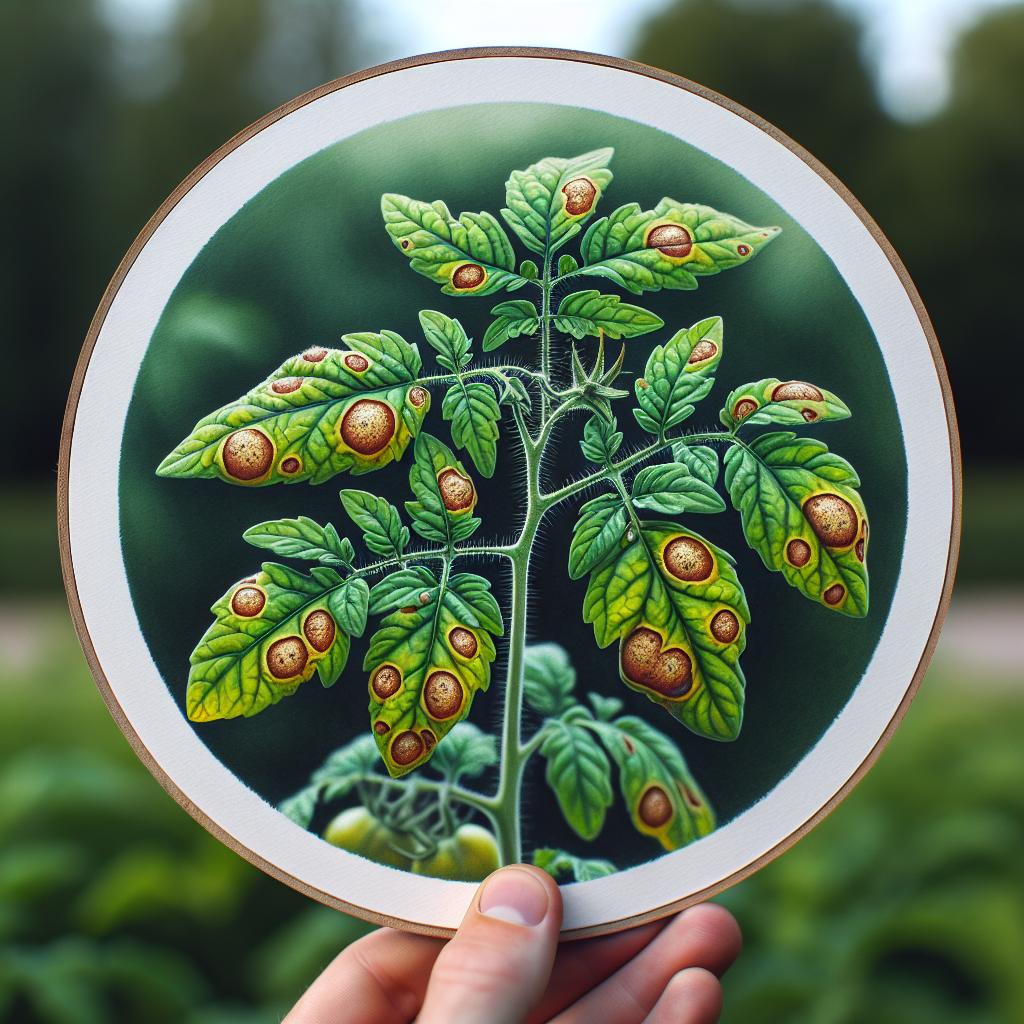
Introduction to Fungal leaf spots
Fungal leaf spots represent one of the most prevalent and economically damaging diseases in agriculture, affecting countless crops worldwide. These diseases are caused by a diverse array of fungal pathogens, including genera like Alternaria, Cercospora, Septoria, and others, each producing distinct spot patterns on foliage. Unlike bacterial or viral infections, fungal leaf spots often manifest as circular to irregular lesions with defined margins, frequently surrounded by halos or concentric rings.
In commercial and small-scale farming, fungal leaf spots can reduce photosynthetic area by up to 50%, directly impacting yield and quality. For instance, severe infections on tomato plants can lead to defoliation, exposing fruit to sunscald and increasing susceptibility to secondary pathogens like Botrytis. Early detection and integrated management are crucial, as these fungi produce abundant spores that spread via wind, rain splash, and contaminated tools. This guide provides professional-grade diagnostic criteria, lifecycle insights, and organic control strategies optimized for sustainable agriculture. Understanding environmental triggers allows growers to implement preventive measures, minimizing chemical inputs while maximizing crop health. For small farms, mastering fungal leaf spot management can preserve yields and boost profitability, especially in humid climates where outbreaks are routine.
Identifying Symptoms & Damage
Accurate diagnosis begins with recognizing the hallmark symptoms of fungal leaf spots, which vary slightly by pathogen but share common traits. Initial signs appear as small, water-soaked spots on the upper leaf surface, often 1-3 mm in diameter. These evolve into necrotic lesions with tan to dark brown centers, sometimes featuring yellow halos indicative of toxin production.
Key Diagnostic Features:
- Lesion Morphology: Circular or angular spots with concentric rings (target spots) in Alternaria leaf spot; shot-hole appearance in Septoria leaf spot where centers fall out.
- Sporulation: Grayish-white or olive-green fungal growth on lesion undersides under humid conditions.
- Distribution: Lower leaves first, progressing upward; veins may limit spot expansion, creating angular shapes in Cercospora leaf spot.
Damage escalates as spots coalesce, leading to blighting where entire leaves yellow, wilt, and drop prematurely. In potato crops, early blight causes defoliation by mid-season, reducing tuber size by 20-30%. Fruit quality suffers indirectly through sun exposure, and severe cases invite powdery mildew or root rot. Differentiate from bacterial spots by lack of slime and angular confinement by veins; confirm via microscopy showing fungal hyphae and conidia.
Field scouting involves checking 20-30 plants per acre weekly, focusing on older foliage. Use a 10x hand lens to inspect for acervuli or pycnidia—diagnostic fruiting bodies. Yield losses average 10-40% untreated, underscoring the need for vigilant monitoring. In strawberry fields, leaf spot epidemics can halve marketable berry production.
Lifecycle and Progression of Fungal leaf spots
Fungal leaf spots follow a polycyclic lifecycle, enabling multiple infection cycles per season. Primary inoculum overwinters in crop debris, infected seeds, or as stromata on perennial hosts. Spores (conidia) release in spring with warming temperatures (15-25°C) and splashing rain.
Lifecycle Stages:
- Dormancy: Mycelium survives in plant refuse for 1-2 years.
- Spore Dispersal: Wind-blown conidia infect wet foliage; incubation 3-7 days.
- Symptom Development: Lesions form, producing secondary spores for reinfection.
- Repeat Cycles: 5-10 generations per season in humid tropics.
Progression accelerates post-canopy closure when humidity exceeds 90% for 6+ hours nightly. In rice, brown spot fungus completes cycles every 10 days, building epidemics. Senescing tissue favors late-season spread. Understanding this informs timing of controls, targeting spore germination windows.
Environmental Triggers & Risk Factors
Fungal leaf spots flourish under specific microclimates: prolonged leaf wetness (8-48 hours), temperatures 20-28°C, and relative humidity >85%. Overhead irrigation and dense canopies trap moisture, extending leaf wetness duration—a primary trigger.
Key Risk Factors:
- Cultural Practices: Poor spacing (<30 cm for tomatoes), excessive nitrogen promoting succulent growth.
- Crop Rotation Deficits: Monocropping wheat builds soil inoculum.
- Weather Patterns: Frequent dew, fog, or rainy seasons spike incidence.
- Susceptibility: Young seedlings and stressed plants (drought, nutrient imbalance).
In cucumber tunnels, poor ventilation doubles infection risk. Soil splash during heavy rains introduces inoculum to lower leaves. For more on weather impacts, see Why 80% of Small Farms Battle Weather Disasters - And How Hyper-Local AI Forecasts Can Save Your Harvest.
Organic Control & Treatment Plans
Organic management emphasizes cultural, biological, and approved fungicide strategies. No single cure exists; integrate for 80-90% control.
Immediate Treatment:
- Prune infected leaves (sterilize tools); destroy debris.
- Apply OMRI-listed fungicides: copper hydroxide (every 7-10 days), potassium bicarbonate, or Bacillus subtilis.
Biological Controls:
- Trichoderma spp. for soil suppression; neem oil disrupts spore germination.
- Serenade (Bacillus subtilis) coats leaves, outcompeting pathogens.
Step-by-Step Plan:
- Scout weekly; act at 5% incidence.
- Improve airflow: space plants 45-60 cm.
- Foliar sprays: Alternate copper + sulfur; 3 applications max.
- Mulch to reduce splash.
In eggplant, weekly copper sprays reduce spots by 70%. Monitor for phytotoxicity in hot weather.
Preventing Fungal leaf spots in the Future
Prevention outperforms cure through resistant varieties, sanitation, and cultural tweaks. Select cultivars like 'Mountain Merit' tomato for early blight resistance. Rotate crops 2-3 years, avoiding host families.
Proactive Strategies:
- Sanitation: Till under residue; hot compost at 60°C.
- Site Selection: Full sun, well-drained soils.
- Fertility: Balanced NPK; avoid excess N.
- Irrigation: Drip systems; water early AM.
For leaf spot diseases overview, check Leaf spot diseases. Companion planting with marigold suppresses soil fungi. Annual soil tests guide amendments, preventing stress-induced susceptibility.
Crops Most Affected by Fungal leaf spots
Fungal leaf spots plague diverse crops, with staples hit hardest.
Vegetables: Tomato, potato, cucumber, squash—Alternaria, Septoria dominant. Fruits: Strawberry, grapes, apple—target spots reduce quality. Grains: Wheat, rice, corn—Septoria tritici, brown spot. Others: Soybeans (frogeye), peanuts, onion.
Global losses exceed $10B annually. Tailor prevention to crop: e.g., stubble management for cereals. In humid tropics, mango anthracnose mimics leaf spots.
(Word count: 1452)