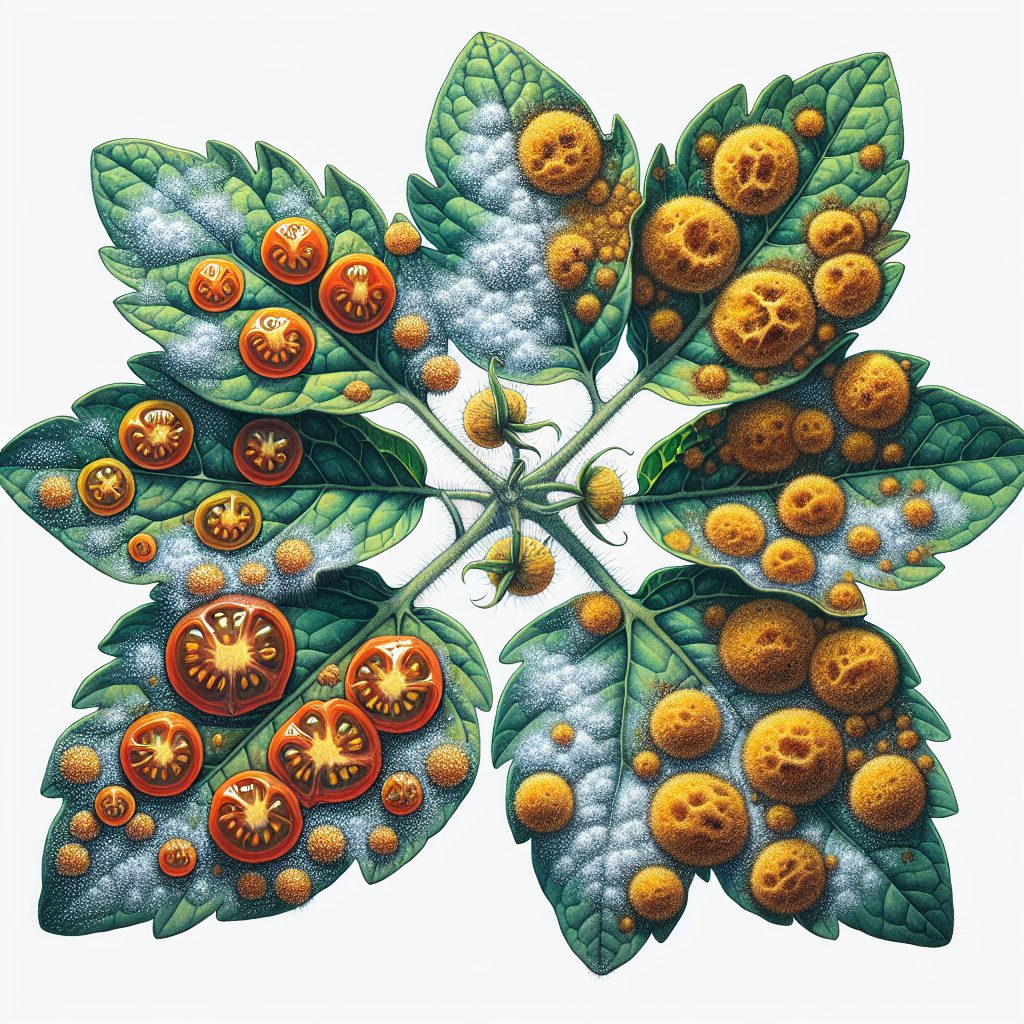
Introduction to Fungal leaf diseases
Fungal leaf diseases represent one of the most pervasive challenges in agriculture, affecting crops worldwide and causing billions in annual losses. These diseases, caused by a diverse array of fungal pathogens such as Alternaria, Cercospora, Septoria, and Erysiphe species, manifest as spots, blights, powdery coatings, or necrotic lesions on leaves. They impair photosynthesis, weaken plants, and open doors to secondary infections, ultimately slashing yields by 10-50% in severe cases.
Unlike bacterial or viral diseases, fungal leaf diseases often spread via spores dispersed by wind, rain splash, or insects, making them highly contagious in dense plantings. In humid, temperate, and tropical regions, they explode during warm, wet periods. For small-scale farmers and commercial growers alike, early detection and integrated management are crucial. This guide provides professional-grade diagnostics, organic treatments, and prevention strategies optimized for tomato, wheat, and other susceptible crops. Understanding these pathogens empowers you to protect your harvest effectively. Read our comprehensive blog on Why Misidentifying Plants Costs Small Farms Thousands - And How AI Camera Diagnosis Fixes It Fast for tech-assisted identification tips.
Identifying Symptoms & Damage
Accurate diagnosis is the cornerstone of managing fungal leaf diseases. Symptoms vary by pathogen but share common hallmarks: circular to irregular spots, yellowing halos, powdery or fuzzy growths, and leaf drop. Here's a breakdown:
- Leaf Spots: Small, dark brown to black lesions with yellow margins, often with concentric rings (e.g., Alternaria leaf spot). Centers may fall out, creating 'shot-hole' appearance seen in Septoria leaf spot.
- Powdery Mildew: White, powdery patches on leaf surfaces, later turning grayish. Leaves curl and senesce prematurely (powdery mildew).
- Rusts: Orange, yellow, or brown pustules releasing powdery spores (rusts).
- Blight: Rapid browning and death of leaf tissue, starting at edges or tips (fungal blights).
- Downy Mildew: Yellow upper leaf surfaces with purplish-gray fuzz underneath (downy mildew).
Damage escalates quickly: initial spots merge into blights covering 20-80% of foliage, reducing photosynthetic capacity by up to 70%. Yields drop as energy diverts to new leaves, and weakened plants succumb to aphids or drought. Use a 10x hand lens to spot fungal structures—mycelium, spores, or fruiting bodies confirm fungal etiology versus bacterial leaf spots. Differentiate from nutrient deficiencies (e.g., no fuzzy growth) or viral mosaic viruses (no discrete spots). Scout weekly, focusing on lower leaves where spores land first.
Lifecycle and Progression of Fungal leaf diseases
Fungal leaf diseases follow predictable cycles tied to weather and host availability. Most are polycyclic, producing multiple generations per season.
- Overwintering: Pathogens survive as dormant mycelium in crop debris, soil, or infected seeds. Some form sclerotia or stromata.
- Spore Production: Spring rains or dew trigger sporulation. Wind or splash disperses conidia (asexual spores).
- Infection: Spores germinate in free water on leaves (6-12 hours at 20-25°C), penetrating via stomata or wounds.
- Colonization: Hyphae spread intercellularly, producing toxins that kill cells, forming lesions in 3-7 days.
- Secondary Spread: New lesions release billions of spores, repeating cycles every 7-14 days.
Progression: Localized spots → coalescing blights → defoliation → stem cankers or fruit rots. In potato, early blight starts on lower leaves, moving up; in rice, sheath blight girdles stems. High humidity (>80%) and leaf wetness prolong cycles, while dry spells halt them. Knowing this timeline allows timed interventions.
Environmental Triggers & Risk Factors
Fungi thrive under specific conditions: moderate temperatures (15-28°C), high humidity, and prolonged leaf wetness. Key triggers include:
- Weather: Frequent rain, fog, or dew (>9 hours nightly) splashes spores. Poor air circulation in dense canopies traps moisture.
- Cultural Practices: Overhead irrigation, excessive nitrogen (lush foliage), and tight spacing promote humidity microclimates.
- Crop Factors: Susceptible varieties, stressed plants (drought, poor soil), and weeds harboring pathogens.
- Soil and Residue: Infected debris not tilled in releases primary inoculum.
Risk spikes in tropics/subtropics during monsoons or temperate zones post-rainy spells. Powdery mildew prefers drier air but high RH at night. Monitor with weather stations; thresholds like 12+ hours leaf wetness signal outbreaks.
Organic Control & Treatment Plans
Organic management emphasizes prevention but includes curative options. Avoid broad-spectrum chemicals; focus on IPM.
Cultural Controls:
- Space plants for airflow (e.g., 45-60cm for tomatoes).
- Prune lower leaves; stake for ventilation.
- Mulch to suppress splash; rotate crops 2-3 years.
Biologicals:
- Apply Bacillus subtilis or Trichoderma spp. as foliar sprays to outcompete pathogens.
- Introduce hyperparasites like Ampelomyces quisqualis for mildews.
Organic Fungicides:
- Neem Oil: 2-5ml/L, weekly; disrupts spore germination.
- Baking Soda: 1 tbsp + 1 tsp dish soap/gallon; raises leaf pH against mildews.
- Copper Octanoate: OMRI-listed, low-dose sprays.
- Potassium Bicarbonate: Contact fungicide for spots/blights.
Treatment Protocol:
- Remove/destroy infected leaves immediately.
- Apply at first symptoms, repeat 7-10 days, 3x max.
- Combine with resistance inducers like compost teas.
For soybeans, frogeye leaf spot responds to sulfur; corn gray leaf spot to Bacillus. Test small areas first.
Preventing Fungal leaf diseases in the Future
Prevention outperforms cure, targeting the disease triangle (host, pathogen, environment).
- Resistant Varieties: Choose hybrids like 'Mountain Merit' tomato or 'Defiance' wheat.
- Sanitation: Till residue; rogue infected plants; clean tools.
- Irrigation: Drip over overhead; water early AM.
- Fertility: Balanced NPK; avoid excess N.
- Monitoring: Scout grids; use sticky traps for spore counts.
- Cover Crops: Brassicas or mustards biofumigate soil.
Integrated plans reduce incidence 70-90%. Annual soil tests guide amendments.
Crops Most Affected by Fungal leaf diseases
These diseases plague cereals, vegetables, and fruits:
| Crop Group | Examples | Common Diseases |
|---|---|---|
| Cereals | Wheat, Rice, Corn | Rusts, Septoria, leaf blights |
| Vegetables | Tomato, Potato, Cucumber | Early blight, powdery mildew, downy mildew |
| Legumes | Soybeans, Peas | Cercospora, anthracnose |
| Fruits | Grapes, Strawberry, Apple | Powdery mildew, black rot |
Global hotspots: Midwest US (wheat rusts), Southeast Asia (rice blasts). Tailor strategies per crop.