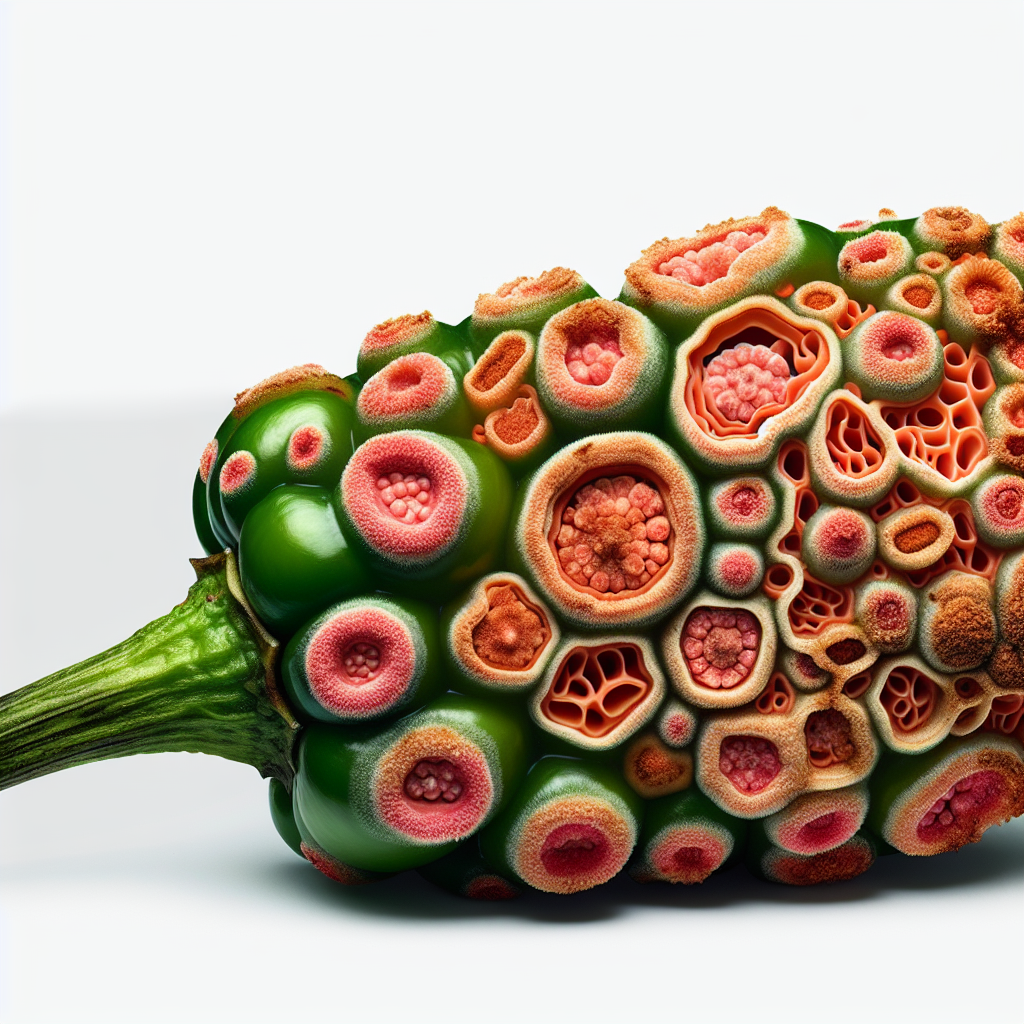
Introduction to Fungal capsule rot
Fungal capsule rot, often caused by pathogens in the Colletotrichum genus such as Colletotrichum capsici and Glomerella cingulata, represents a major threat to capsule-bearing crops worldwide. This disease targets the developing fruit capsules, leading to soft, sunken lesions that render produce unmarketable. In severe outbreaks, losses can exceed 50-70% of yield, particularly in tropical and subtropical regions with high humidity. Farmers dealing with chili-pepper or similar crops must prioritize early detection and integrated management to safeguard harvests. Understanding its pathology is crucial for implementing timely interventions that minimize economic impact while promoting sustainable agriculture.
The pathogen overwinters in crop residues and spreads rapidly during wet seasons, making it a recurring challenge for small-scale and commercial growers alike. Symptoms often mimic other rots like anthracnose, but distinct spore masses confirm fungal capsule rot. This guide provides comprehensive diagnostics, lifecycle insights, and proven organic strategies to combat it effectively. For more on AI-driven disease identification, check Why Misidentifying Plants Costs Small Farms Thousands - And How AI Camera Diagnosis Fixes It Fast.
Identifying Symptoms & Damage
Early identification is key to limiting fungal capsule rot's spread. Initial symptoms appear as small, water-soaked spots on young capsules, progressing to circular, sunken lesions 3-10 mm in diameter. These lesions turn tan to dark brown, often with concentric rings resembling a bull's-eye pattern—a hallmark of Colletotrichum infection.
As the disease advances, affected capsules develop a velvety fungal growth under humid conditions, producing salmon-pink spore masses in the lesion centers. Capsules become soft and mushy, shrivel, and drop prematurely, leading to mummified fruits on the plant or ground. In advanced stages, secondary invaders like bacteria exacerbate rot, causing foul odors and complete tissue breakdown.
Damage extends beyond direct yield loss: infected plants show reduced photosynthesis due to defoliation from associated leaf spots, weakening overall vigor. Yield impacts are most severe during pod-filling stages, with marketable fruit reduced by up to 80%. Differentiate from Phytophthora rots by the absence of white mycelium and presence of acervuli (spore-producing structures). Use a hand lens to spot black acervuli beneath the epidermis, confirming the diagnosis. Regular scouting every 3-5 days during humid periods is essential for timely action.
Lifecycle and Progression of Fungal capsule rot
Colletotrichum species exhibit a polycyclic lifecycle, enabling multiple infection cycles per season. Primary inoculum survives as dormant mycelium or appressoria in infected debris, seeds, or alternate hosts. Rain splash and wind disperse conidia (spores) to susceptible tissues, germinating in 4-6 hours under optimal conditions (25-30°C, >90% RH).
Infection begins with appressorial penetration through the cuticle, forming latent infections that activate post-maturity. Symptoms manifest 5-10 days later, coinciding with capsule ripening. Conidiophores emerge from acervuli, releasing masses of conidia during wet weather, perpetuating the cycle. Sexual spores (ascospores) in perithecia contribute to long-distance spread via rain or irrigation.
Progression accelerates in dense canopies with poor airflow, completing 4-6 cycles per season. Overwintering occurs in mummified capsules, soil, or volunteer plants. Lifecycle duration varies: conidial germination peaks at 27°C, with infections halting below 15°C or above 35°C. Breaking this cycle through sanitation and fungicide timing disrupts epidemic development.
Environmental Triggers & Risk Factors
Warm temperatures (24-32°C) combined with prolonged leaf wetness (>12 hours) are primary triggers for fungal capsule rot outbreaks. High humidity (>85% RH) and frequent rainfall favor spore germination and splash dispersal. Overhead irrigation exacerbates spread by simulating rain events, while dense planting reduces airflow, creating microclimates ideal for infection.
Soil factors like high organic matter and poor drainage promote pathogen survival. Risk spikes during flowering to pod-set stages, especially after mechanical injury from wind or capsule borers. Susceptible varieties, excessive nitrogen fertilization (promoting lush growth), and continuous cropping without rotation heighten vulnerability. Monocultures of bell-pepper or related solanaceae amplify epidemics.
Climate change intensifies risks with erratic wet-dry cycles. Monitor weather data: dew periods >10 hours signal high alert. Fields near waterways or with heavy dew are hotspots. Integrated risk assessment combines these factors for predictive management.
Organic Control & Treatment Plans
Organic management emphasizes cultural, biological, and approved biopesticides. Sanitation first: Remove and destroy infected capsules weekly, burying debris >30 cm deep or hot-composting at 60°C. Avoid ground mulching with infested material.
Biological controls: Apply Trichoderma harzianum or Bacillus subtilis (e.g., Serenade) at 7-10 day intervals pre-symptom onset. These antagonists colonize lesions, outcompeting Colletotrichum. Neem oil (azadirachtin 0.03%) disrupts spore germination; apply weekly with silicon additives for enhanced efficacy.
Approved fungicides: Copper octanoate, potassium bicarbonate, or sulfur-based products (OMRI-listed) at labeled rates. Rotate modes of action to prevent resistance. Treatment protocol:
- Scout and prune infected parts.
- Apply biofungicide at first symptoms.
- Follow with copper spray post-rain.
- Reapply every 7 days during high risk.
Companion planting with marigold repels vectors. For severe cases, rogue entire plants. Success rates exceed 70% with consistent application. Always test on small areas first.
Preventing Fungal capsule rot in the Future
Prevention hinges on cultural practices and resistant genetics. Select varieties with partial resistance, like hybrid chilies bred for Colletotrichum tolerance. Implement 2-3 year crop rotations with non-hosts such as corn or onion to starve inoculum.
Optimize spacing: 45-60 cm between plants for airflow. Use drip irrigation to minimize foliar wetting; schedule to avoid evening applications. Mulch with plastic or straw to suppress splash from soil. Balanced fertilization—avoid excess N—builds plant resilience.
Soil solarization in off-season kills surface mycelium. Promote biodiversity with border crops like thai-basil. Monitor with sticky traps for early vector detection. Annual soil tests guide amendments for optimal pH (6.0-7.0). Pre-plant biofumigants like mustard cover crops release volatiles toxic to fungi. Long-term, integrated strategies reduce incidence by 80-90%.
Crops Most Affected by Fungal capsule rot
Fungal capsule rot predominantly strikes solanaceous crops with fleshy pods. Primary hosts include chili-pepper, bell-pepper, jalapeño pepper, and habanero pepper, where capsules are prime targets. Eggplant and tomato show susceptibility, especially under humid tropics.
Secondary impacts occur on okra and minor pod crops. Global hotspots: India, Southeast Asia, Latin America. Economic losses peak in chili production, valued at billions annually. Resistant breeding in these crops is advancing.