Introduction to fruit souring
Fruit souring represents one of the most insidious post-harvest threats to fruit crops worldwide, particularly in humid tropical and subtropical regions. Caused predominantly by the acetic acid bacterium Gluconobacter oxydans, this disease transforms ripe, sweet fruits into foul-smelling, excessively acidic masses unfit for consumption or sale. The bacteria thrive on the high sugar content of maturing fruits, oxidizing sugars into gluconic and acetic acids, resulting in a characteristic sour taste and liquefaction.
First documented in pineapple plantations in the early 20th century, fruit souring has since spread to numerous crops, costing growers millions annually in spoiled produce. Unlike fungal rots that produce mycelium or spores, souring is a bacterial fermentation process accelerated by mechanical injury, poor ventilation, and high ambient humidity. Early detection is critical, as infected fruits can contaminate entire batches within hours under warm conditions. This comprehensive guide equips agricultural professionals with diagnostic tools, lifecycle understanding, organic treatments, and prevention protocols to safeguard yields. For small farms, mastering these strategies can mean the difference between profit and loss—check out Why 70% of Small Farms Lose Money - And How AI-Powered Financial Tracking Can Turn the Tide for broader profitability insights.
Identifying Symptoms & Damage
Recognizing fruit souring early is essential for minimizing spread. Initial symptoms appear on ripe or overripe fruits as subtle skin discoloration—often a dull, watery sheen without the vibrant color of healthy produce. Within 24-48 hours, affected fruits develop a sharp, vinegar-like odor detectable from several feet away.
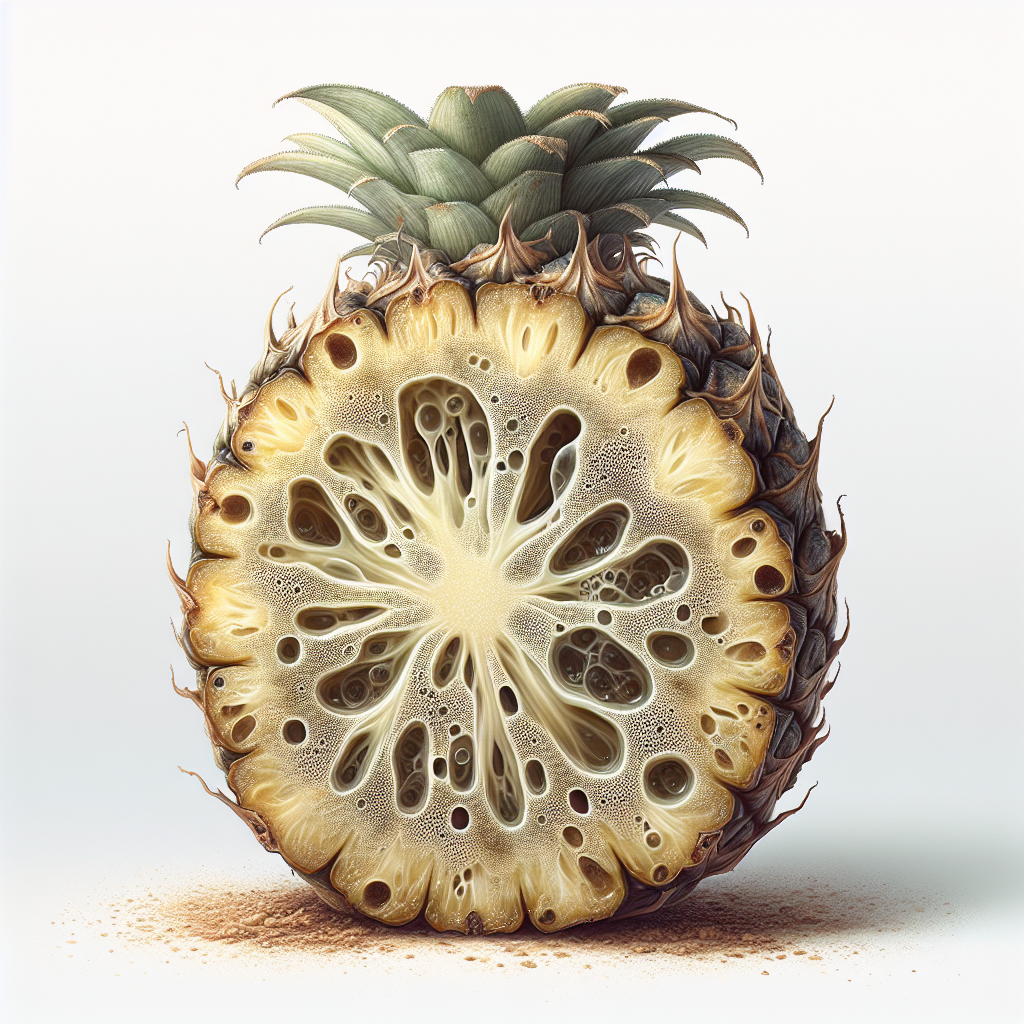
Cut open an infected fruit, and you'll find translucent, soupy flesh with no visible mold growth, distinguishing it from fungal issues like anthracnose or fruit rots. The pulp turns brown to grayish, effervescing slightly due to gas production from fermentation. Sourness is extreme; a pH drop from 4.0-5.0 in healthy fruit to below 3.0 confirms diagnosis via simple litmus testing.
Damage extends beyond taste: fruits collapse internally, leaking acidic juice that corrodes containers and spreads bacteria via splashing. In storage, one infected mango can sour dozens more. Yield losses reach 30-50% in unmanaged orchards, with secondary issues like attracting fruit flies exacerbating losses. Monitor for predisposing wounds from fruit borers or hail, as bacteria enter through breaches in the skin.
Lifecycle and Progression of fruit souring
Gluconobacter oxydans is ubiquitous in nature, residing on plant surfaces, soil, and insect vectors. Unlike pathogens with complex life cycles, its progression is environmentally driven. Bacteria are non-spore forming, surviving as dormant cells on debris or equipment until contacting high-sugar substrates.
Stage 1: Colonization (0-12 hours post-injury): Bacteria from air, hands, or tools infiltrate wounds on ripening fruit. Optimal conditions: 25-35°C (77-95°F) and >80% humidity.
Stage 2: Fermentation (12-48 hours): Oxidative metabolism converts glucose to gluconic acid, then acetic acid. Fruit temperature rises 2-5°C from exothermic reactions, accelerating spread.
Stage 3: Liquefaction and Contagion (48+ hours): Flesh breaks down into slurry, releasing millions of bacteria per ml. Droplets infect adjacent fruits via gravity or air currents.
The cycle repeats rapidly without intervention, completing in 2-4 days under ideal conditions. Unlike Phytophthora, no mycelial growth occurs; it's purely bacterial proliferation. Understanding this timeline enables timely culling—remove suspects within 12 hours to halt progression.
Environmental Triggers & Risk Factors
Fruit souring epidemics correlate strongly with environmental stressors. High humidity (>85%) and temperatures above 28°C create perfect fermentation chambers, especially in poorly ventilated packing sheds. Overcrowded storage exacerbates CO2 buildup, suppressing natural fruit defenses.
Key triggers include:
- Mechanical damage: Harvest nicks, thrips feeding scars, or rough handling provide entry points.
- Delayed harvest: Overripe fruits on vine or tree accumulate sugars, inviting bacteria.
- Poor sanitation: Contaminated bins, knives, or water sources harboring Gluconobacter.
- Rainy seasons: Splashing spreads inoculum; avoid harvesting wet fruits.
Risk amplifies in crops like pineapple and papaya, where field heat persists post-harvest. Soil type matters little, but flooded orchards increase vectoring by slugs. Climate change intensifies outbreaks, with warmer nights favoring bacterial survival.
Organic Control & Treatment Plans
Organic management emphasizes sanitation over chemicals, as antibiotics are ineffective against oxidative bacteria. Implement a multi-tiered approach:
Immediate Post-Harvest Cooling: Hydro-cool fruits to <15°C within 2 hours using clean, chlorinated water (50-100 ppm free chlorine). Forced-air cooling works for delicate crops.
Sanitation Protocols: Disinfect tools with 70% ethanol or 10% bleach dips. Cull infected fruits daily, burying >50m from fields. Use clean, single-use bins.
Organic Amendments: Apply potassium sorbate (GRAS preservative) dips at 0.1-0.3% for short-term storage. Vinegar-resistant lactic acid bacteria (e.g., Lactobacillus plantarum) sprays compete out pathogens.
Biological Controls: Introduce antagonistic yeasts like Candida spp. via pre-harvest foliar sprays. Neem oil (azadirachtin) deters vectors without residues.
Integrated Plan: Scout daily during ripening. For outbreaks, isolate batches and vent aggressively. Test efficacy by pH monitoring—target >3.5 stability.
Success rates exceed 90% with rigorous protocols, preserving marketable yields. Learn more about organic strategies in Spring Pest Patrol: Organic AI Strategies to Shield Your Crops from Common Invaders, adaptable to diseases like souring.
Preventing fruit souring in the Future
Prevention hinges on cultural practices disrupting the lifecycle:
- Timing: Harvest at optimal maturity (Brix 12-16° for most fruits). Avoid peak rain periods.
- Canopy Management: Prune for airflow, reducing humidity microclimates.
- Resistant Varieties: Select cultivars like 'Smooth Cayenne' pineapple with thicker skins.
- Post-Harvest Infrastructure: Install evaporative coolers, ethylene absorbers, and humidity controls (<85%). Wax coatings seal wounds.
- Monitoring: Use sticky traps for vectors and digital thermometers in storage.
Long-term: Rotate crops, solarize soil to reduce soilborne reservoirs, and train workers in hygiene. Annual audits cut incidence by 70%. For hyper-local forecasting to preempt outbreaks, explore advanced tools.
Crops Most Affected by fruit souring
Tropical fruits dominate losses due to sugar profiles:
| Crop | Susceptibility | Key Notes |
|---|---|---|
| Pineapple | High | Classic host; field losses up to 40%. |
| Mango | High | Post-chilling injury synergy. |
| Papaya | High | Latex aids bacterial entry. |
| Guava | Moderate | Common in SE Asia. |
| Banana | Moderate | Bruised bunches sour fastest. |
| Dragon Fruit | Moderate | Emerging issue in greenhouses. |
Secondary crops include grapes in humid cellars and strawberry flats. Global hotspots: Hawaii, Philippines, India. Diversify to low-sugar alternatives like avocado in risky zones.