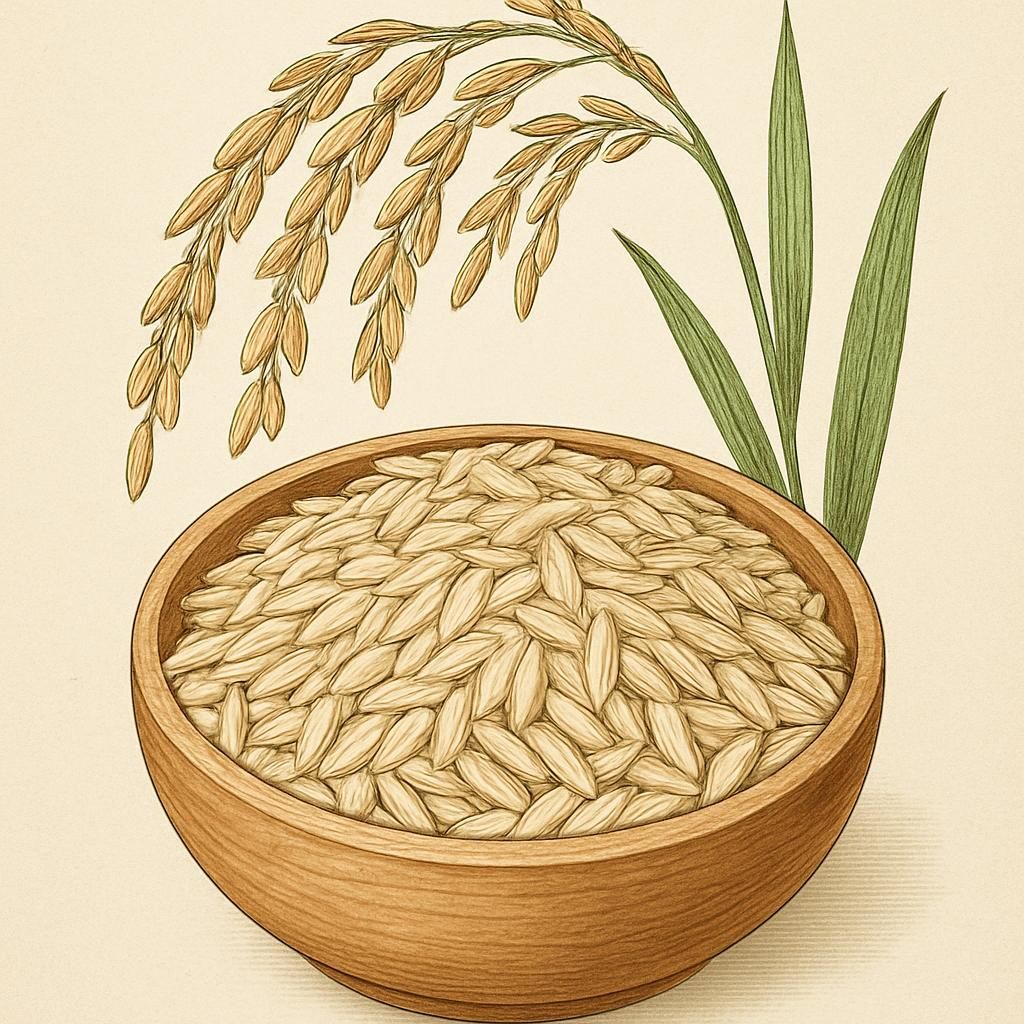
Introduction to Cypress Rice
Cypress Rice is an aromatic and flavorful rice variety, celebrated for its unique fragrance and distinctive taste. This variety is gaining popularity among gourmets and home chefs for its culinary versatility. Known for producing high yields under carefully managed conditions, Cypress Rice offers both nutritional and economic benefits to those who master its cultivation.
Botanical Profile of Cypress Rice
Cypress Rice, scientifically named Oryza sativa, belongs to the Poaceae family. Similar to Jasmine Rice and Basmati Rice, it is renowned for its long and slender grains. This rice variant is characterized by its glossy appearance and offers a nutty aroma when cooked.
Soil, pH, and Climate Requirements for Cypress Rice
To cultivate Cypress Rice successfully, understanding its environmental needs is crucial.
| Factor | Ideal Conditions |
|---|---|
| Soil Type | Well-drained, loamy |
| Soil pH | 5.5 - 6.8 |
| Temperature | 25-35°C (77-95°F) |
| Rainfall | 1000-2000 mm annually |
Step-by-Step Planting & Propagation
- Seed Selection: Choose high-quality, disease-free seeds.
- Soak & Pre-germinate: Soak seeds in water for 24 hours, then drain and leave in a damp cloth until sprouts emerge.
- Field Preparation: Plow the field to a fine tilth.
- Sowing: Broadcast the pre-germinated seeds over prepared fields or use a seed drill if preferred.
- Spacing: Ensure a spacing of 20 cm between rows to allow for aeration and growth.
Care & Maintenance Regimes for Cypress Rice
Effective care is essential for maximizing yield.
| Task | Frequency |
|---|---|
| Watering | Daily (in dry spells) |
| Fertilizing | Every 4 weeks |
| Pruning/Thinning | As needed to maintain spacing |
Regular weeding is also necessary to minimize competition for nutrients.
Pests, Diseases & Organic Management
Cypress Rice can be vulnerable to several pests and diseases, including Spider Mites and rice blasts. Implementing Integrated Pest Management (IPM) can mitigate these risks. Techniques include crop rotation, introducing natural predators like ladybugs, and using neem oil for organic pest control.
Harvesting, Curing & Optimal Storage
Cypress Rice is typically harvested 100-140 days after planting. Look for signs such as yellowing of lower leaves and mature grains. Carefully cut stalks and sun-dry them for a week. Store the dried rice in a cool, dry place to maintain quality.
Companion Planting for Cypress Rice
Companion planting can enhance growth and protect against pests. Compatible plants include Nasturtium and marigolds, which repel aphids and beetles. Use strategic planting patterns to maximize benefits.
For more agricultural insights, read our blog post on 7 Summer Pest Traps That Sabotage Small Farm Harvests for tips on guarding your crops.