Encyclopedia
Definitive guides for crops, pests, and agricultural diseases.
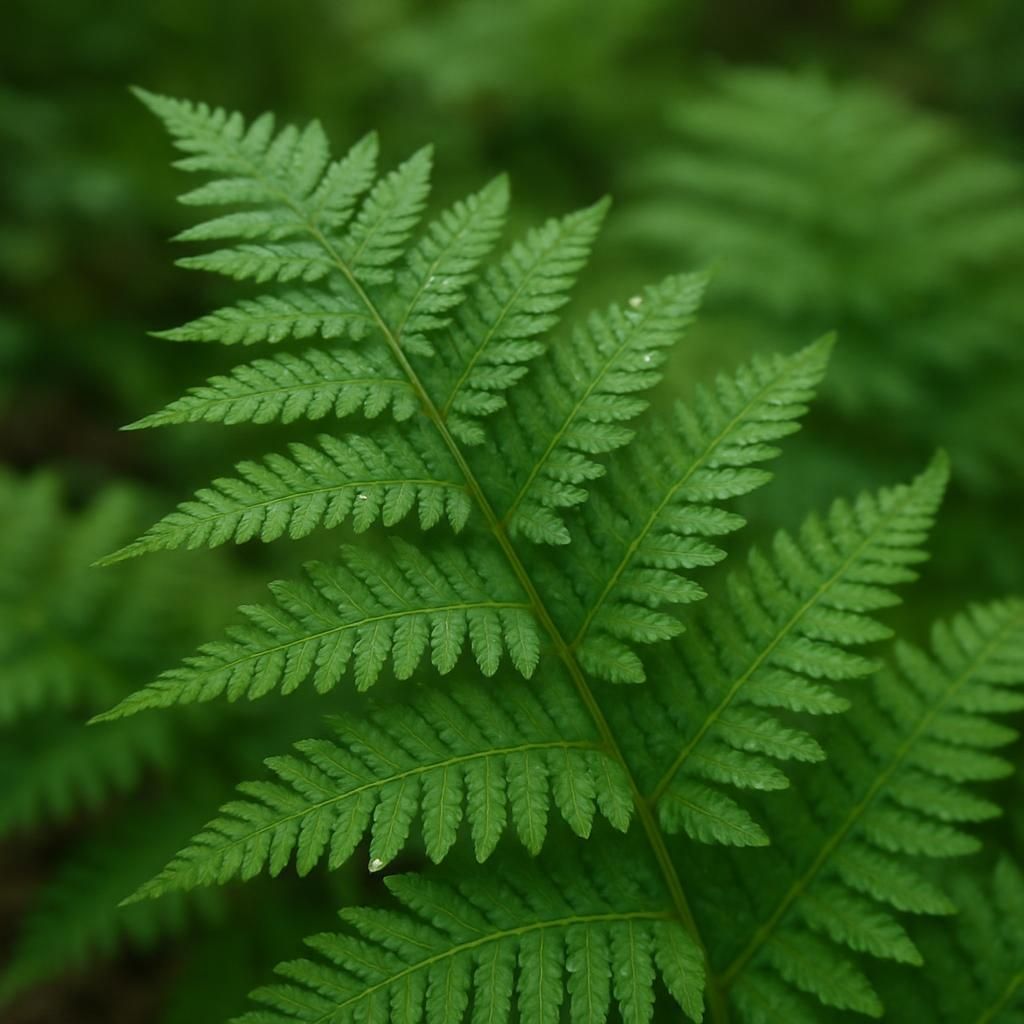
Dryopteris
Dryopteris, commonly known as wood ferns, is a diverse genus of hardy, shade-loving ferns widely cultivated for ornamental landscaping, erosion control, and ecological restoration. These perennial plants thrive in moist, well-drained soils and are valued for their architectural fronds and resilience in temperate woodland settings.
View Guide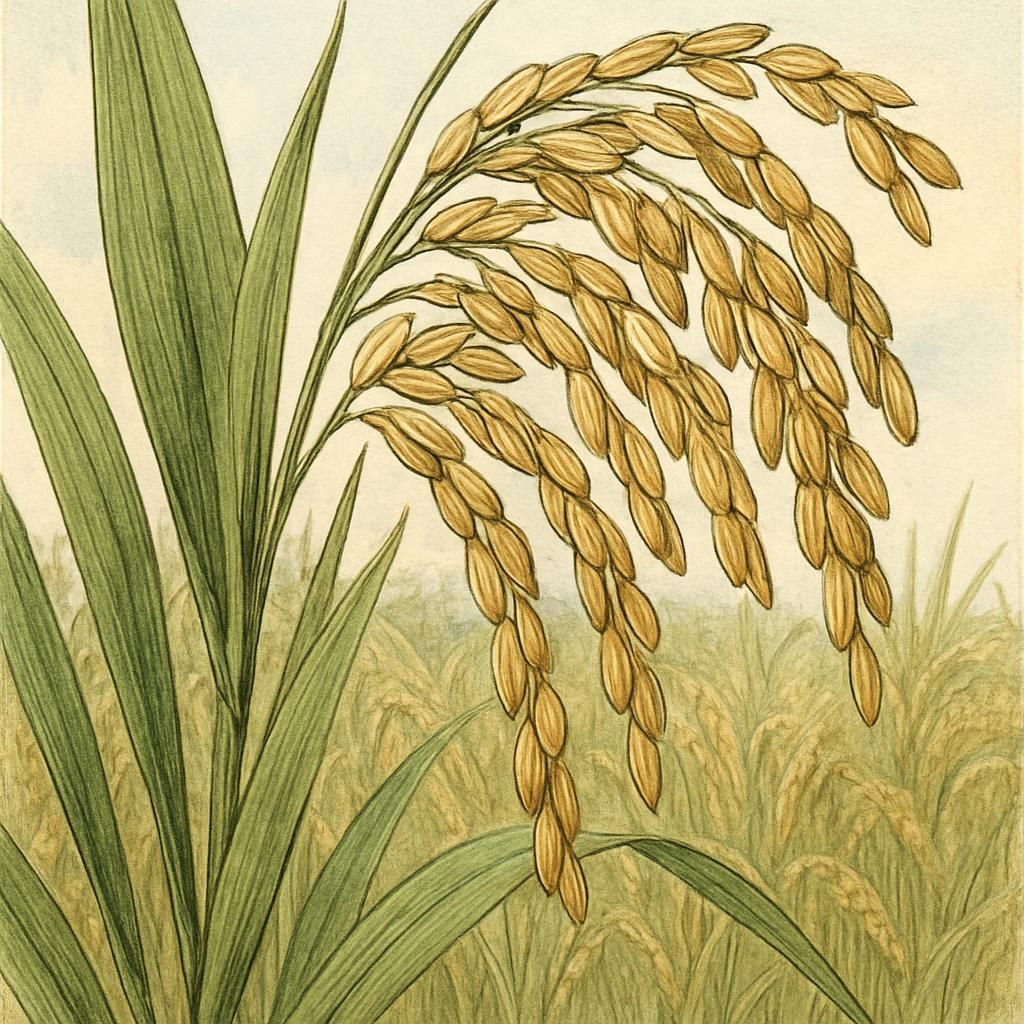
Dubraj Rice
Dubraj Rice is an aromatic, short-grain variety renowned for its unique aroma and flavor, primarily grown in the Indian states of Chhattisgarh and Madhya Pradesh. It thrives in tropical climates and is valued for both its culinary uses and its role in supporting local agriculture.
View Guide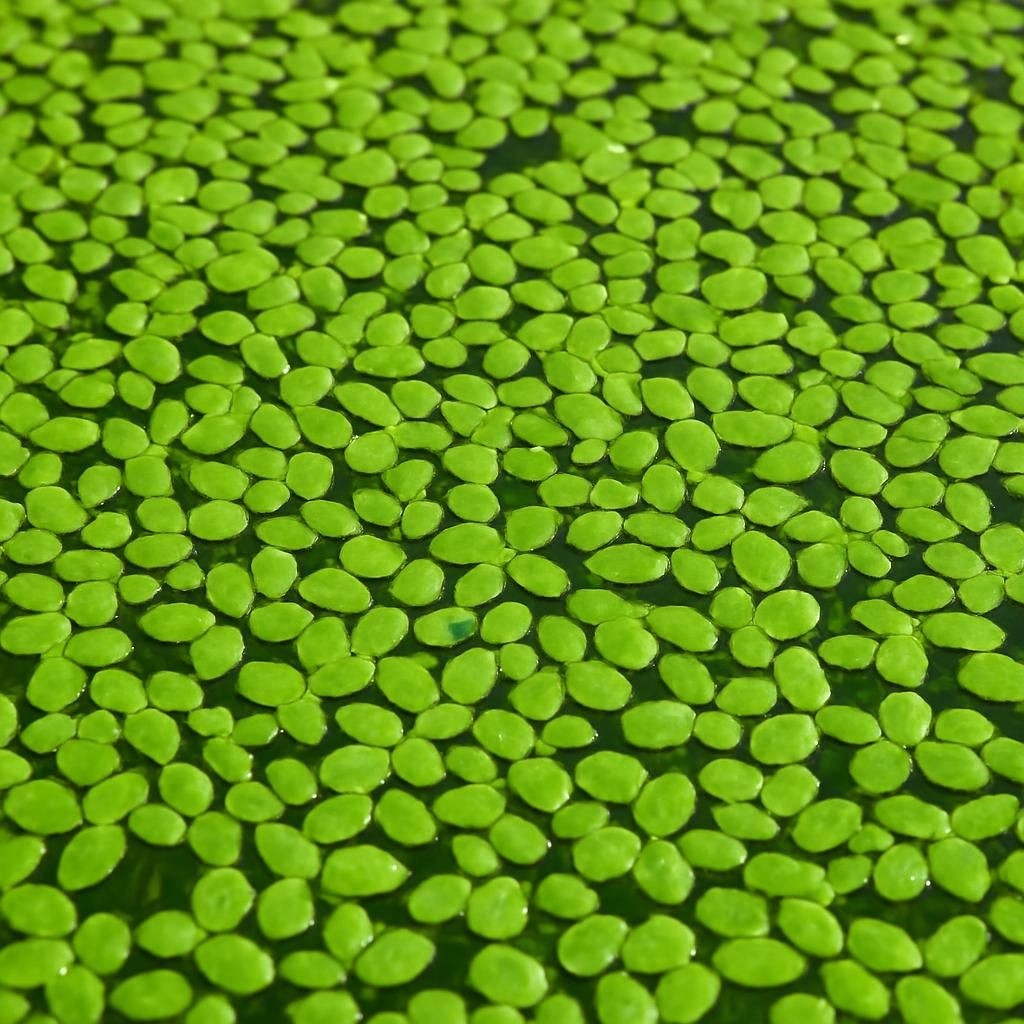
Duckweed
Duckweed is the world's smallest flowering plant and a high-protein aquatic crop used for wastewater treatment, animal feed, and biofuel. It grows rapidly on still or slow-moving water surfaces and can double its biomass in 24–48 hours under optimal conditions. Commercial cultivation focuses on nutrient-rich ponds with controlled harvesting to maintain productivity.
View Guide
Duke Blueberry
Duke Blueberry is an early-season, high-yielding northern highbush cultivar renowned for its large, firm berries with exceptional flavor and shelf life. Released in 1992 by the U.S. Department of Agriculture, it thrives in acidic soils and temperate climates, producing heavy crops ideal for both fresh markets and U-pick operations. This guide provides expert techniques for maximizing yields through precise soil management, pruning, and pest control.
View Guide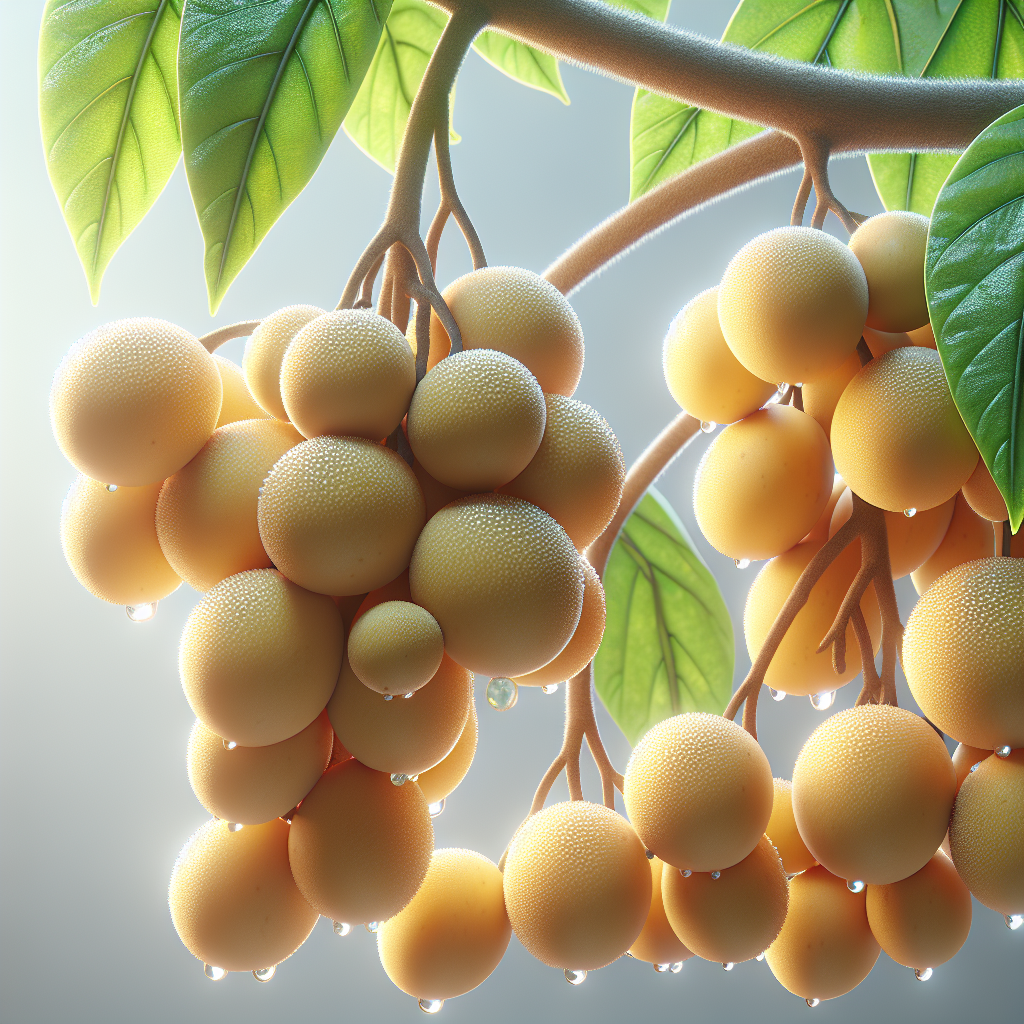
Duku-Langsat (Longkong)
Duku-Langsat, commonly known as Longkong, is a tropical evergreen fruit tree prized for its sweet-tart, juicy fruits with a unique citrusy flavor. Native to Southeast Asia, it thrives in humid, warm climates and requires well-drained, fertile soils for optimal growth and high yields. This comprehensive guide covers everything from propagation to pest management for successful cultivation.
View Guide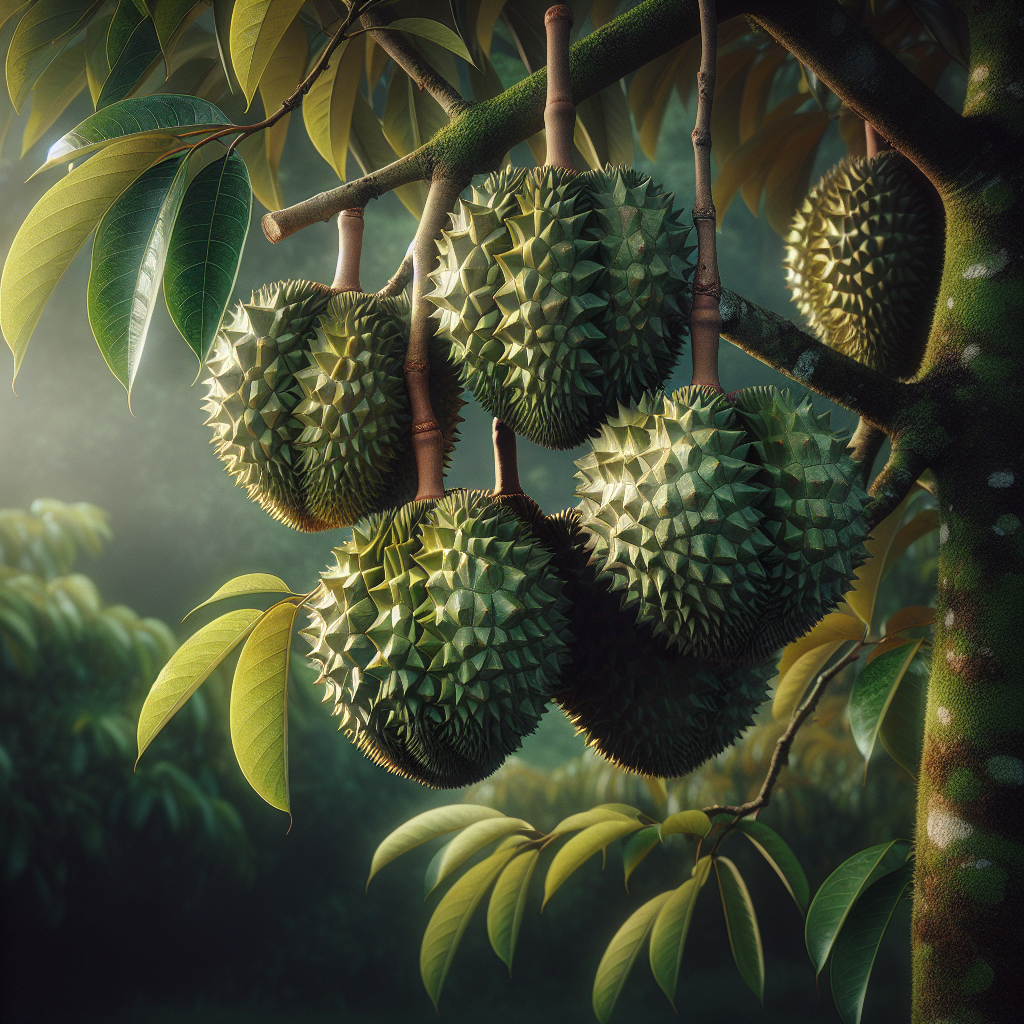
Durian
Durian is a large, tropical evergreen fruit tree prized across Southeast Asia for its intensely aromatic, custard-like flesh and high market value. It is a demanding crop that requires deep, well-drained acidic soil, consistently warm humid conditions, and careful water and nutrient management, especially during establishment and flowering.
View Guide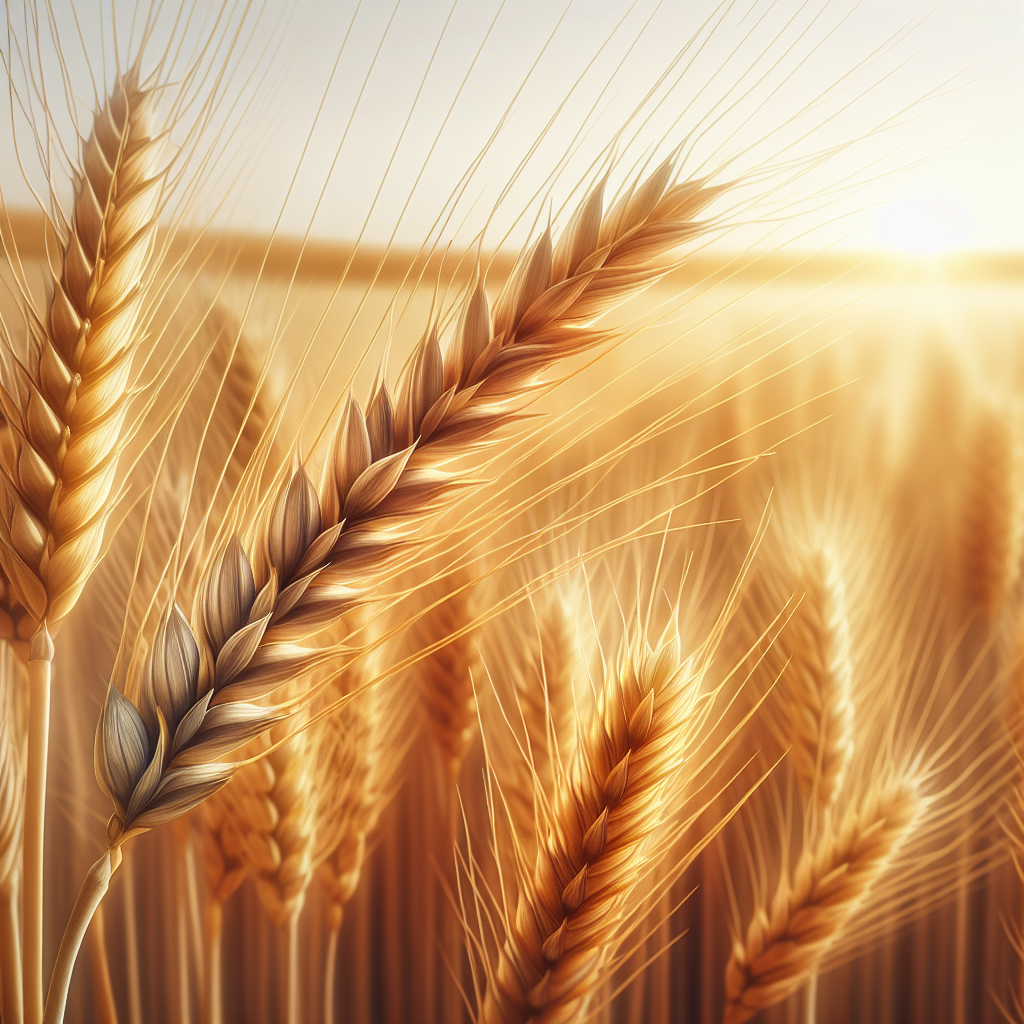
Durum Wheat
Durum wheat is the hard, high-protein wheat best known for semolina and premium pasta production. It thrives in semi-arid temperate regions, performs best on fertile, well-drained soils, and rewards precise nutrient, moisture, and disease management with dense, amber kernels and strong grain quality.
View Guide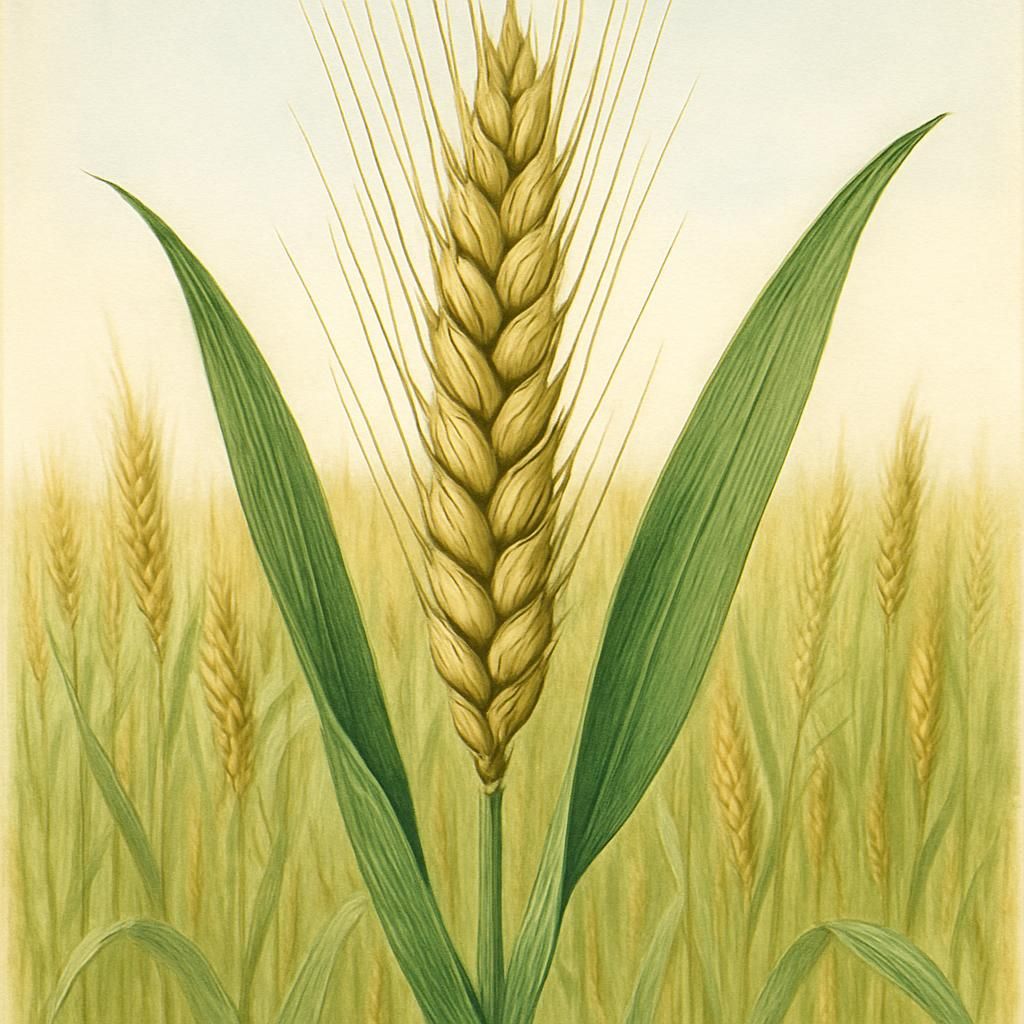
Durum Wheat (Saragolla)
Durum Wheat, particularly the Saragolla variety, is a type of hard wheat used primarily for making pasta. It requires a specific environment to thrive, including well-drained soils and a warm climate
View Guide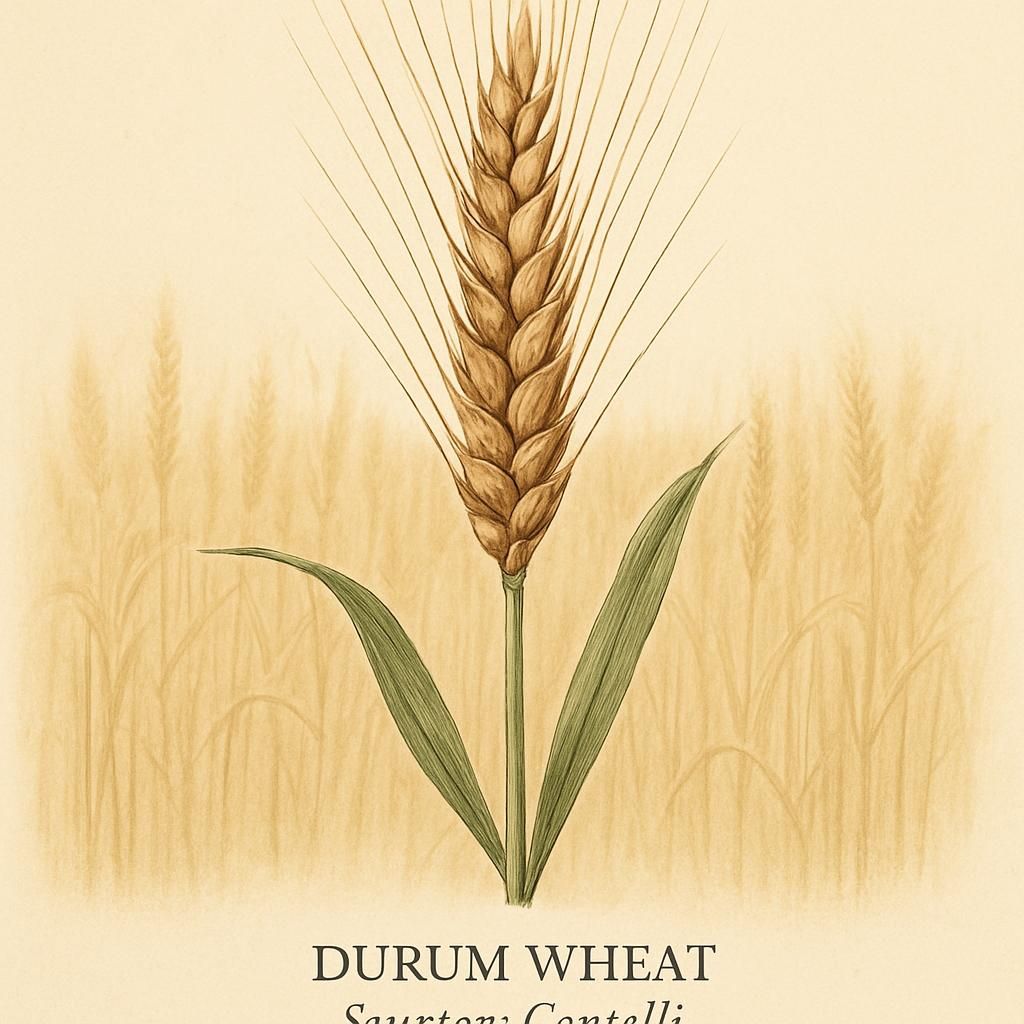
Durum Wheat (Senatore Cappelli)
Durum Wheat (Senatore Cappelli) is a heritage variety of wheat known for its high protein content and nutty flavor, ideal for pasta production. Originating from Italy, it thrives in warm, dry climates and is valued for its resilience and superior quality.
View Guide
Dwarf Cavendish Banana
Dwarf Cavendish Banana is one of the world’s most widely grown dessert bananas and a favorite for home gardens because it stays shorter than standard Cavendish types while still producing full-sized sweet fruit. This cultivar is highly productive in warm climates, but it demands consistent moisture, rich soil, heavy feeding, and vigilant wind and cold protection to reach its full potential.
View Guide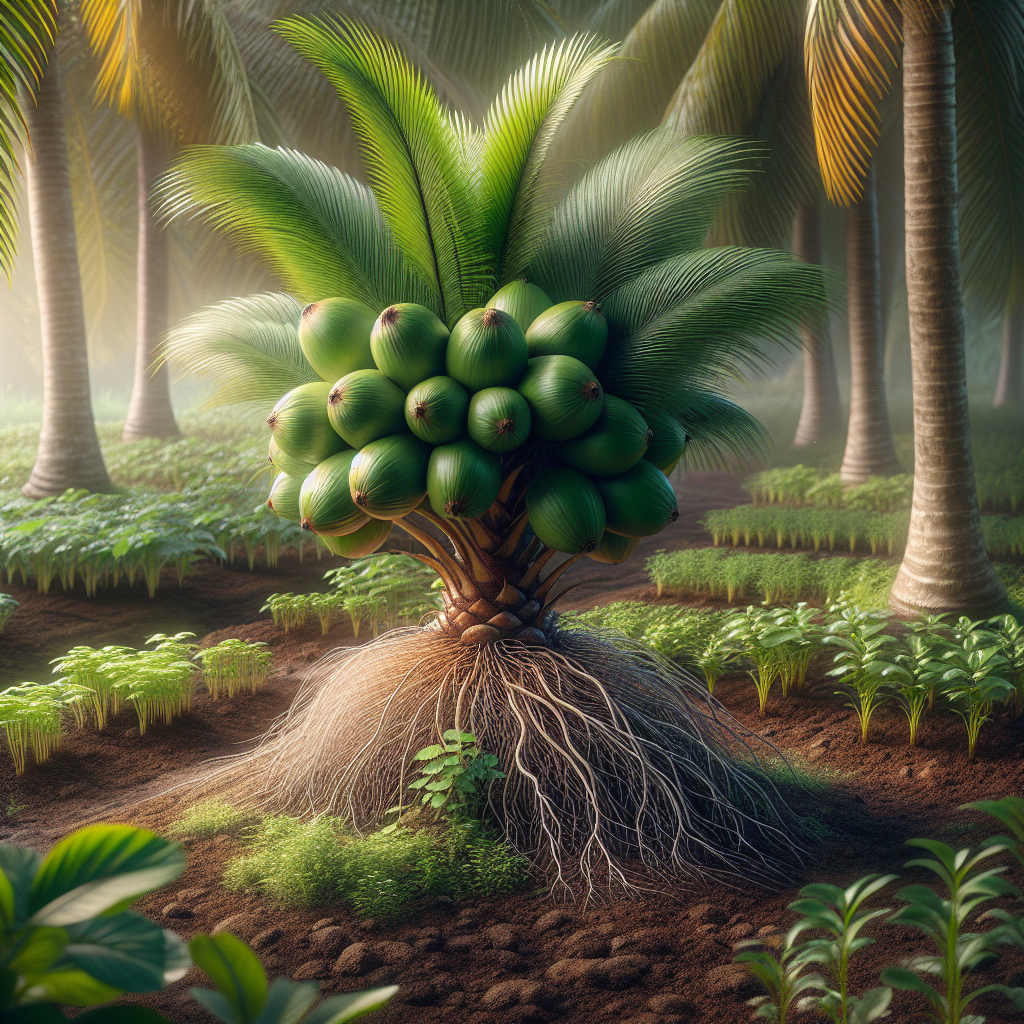
Dwarf Coconut
Dwarf Coconut is a compact, precocious form of coconut palm valued for earlier bearing, manageable height, and reliable tender-nut production in tropical and frost-free subtropical zones. Although shorter than tall types, it still requires professional attention to drainage, potassium nutrition, salt tolerance, and canopy health to achieve long-lived, high-yielding performance.
View Guide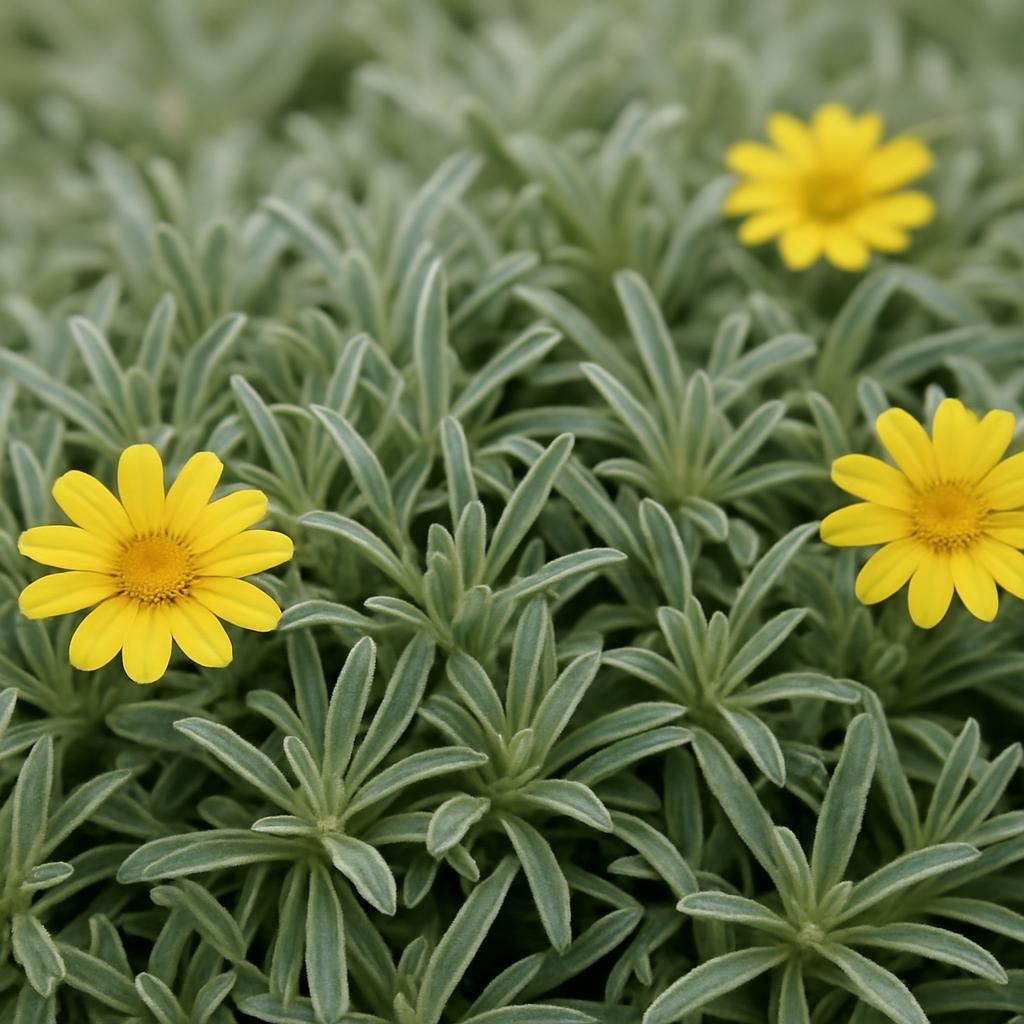
Dymondia margaretae
Dymondia margaretae is a low-growing, evergreen perennial groundcover native to South Africa prized for its silvery foliage and bright yellow daisy-like flowers. It excels as a drought-tolerant lawn substitute, between pavers, and in xeriscapes, forming a dense, weed-suppressing mat that requires minimal irrigation once established.
View Guide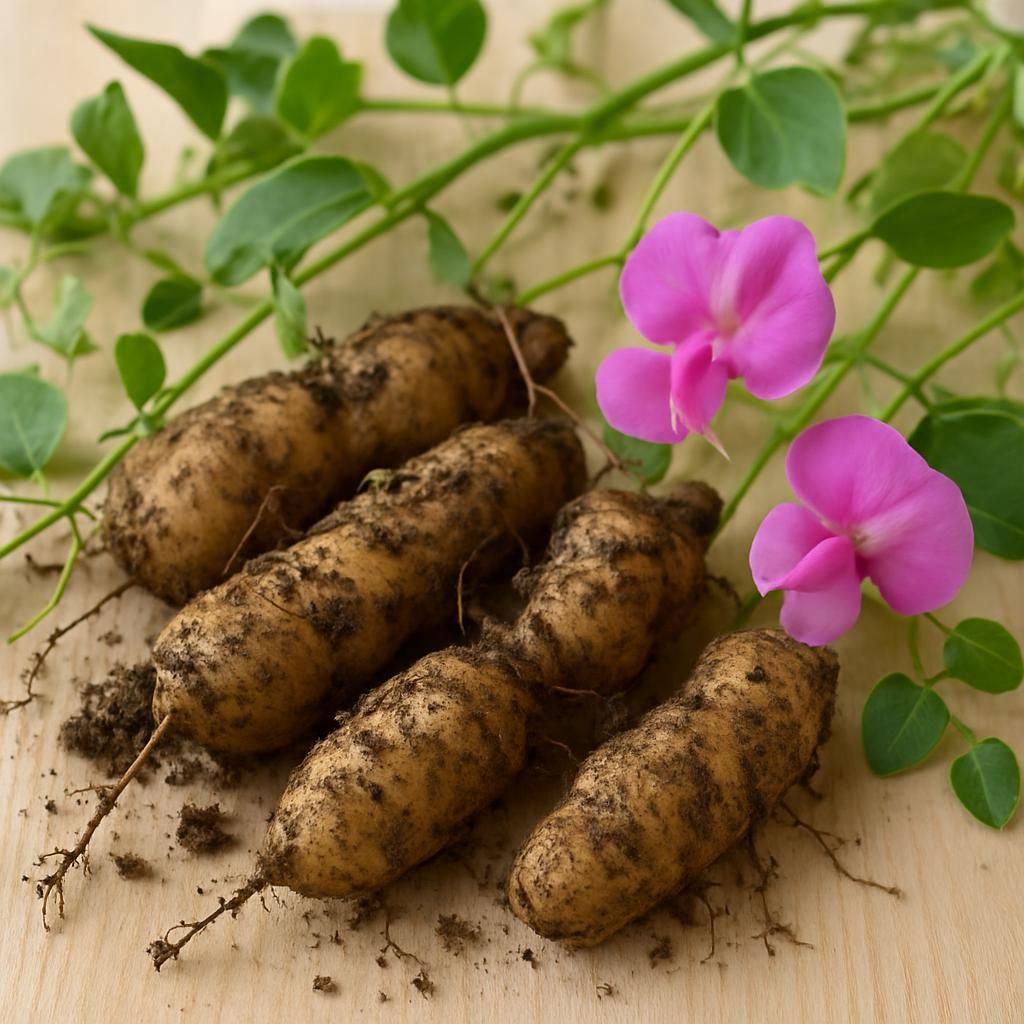
Earthnut Pea
Earthnut Pea is a perennial legume grown for its sweet, nutty underground tubers and nitrogen-fixing ability. This guide covers complete soil preparation, planting, care, pest management, and harvest techniques for reliable home and small-farm production.
View Guide
echinacea
Echinacea is a hardy perennial herb valued for its striking daisy-like flowers and potent medicinal roots. It is widely cultivated for both ornamental landscapes and commercial herbal production. This guide delivers professional-grade agronomic advice for successful echinacea cultivation.
View Guide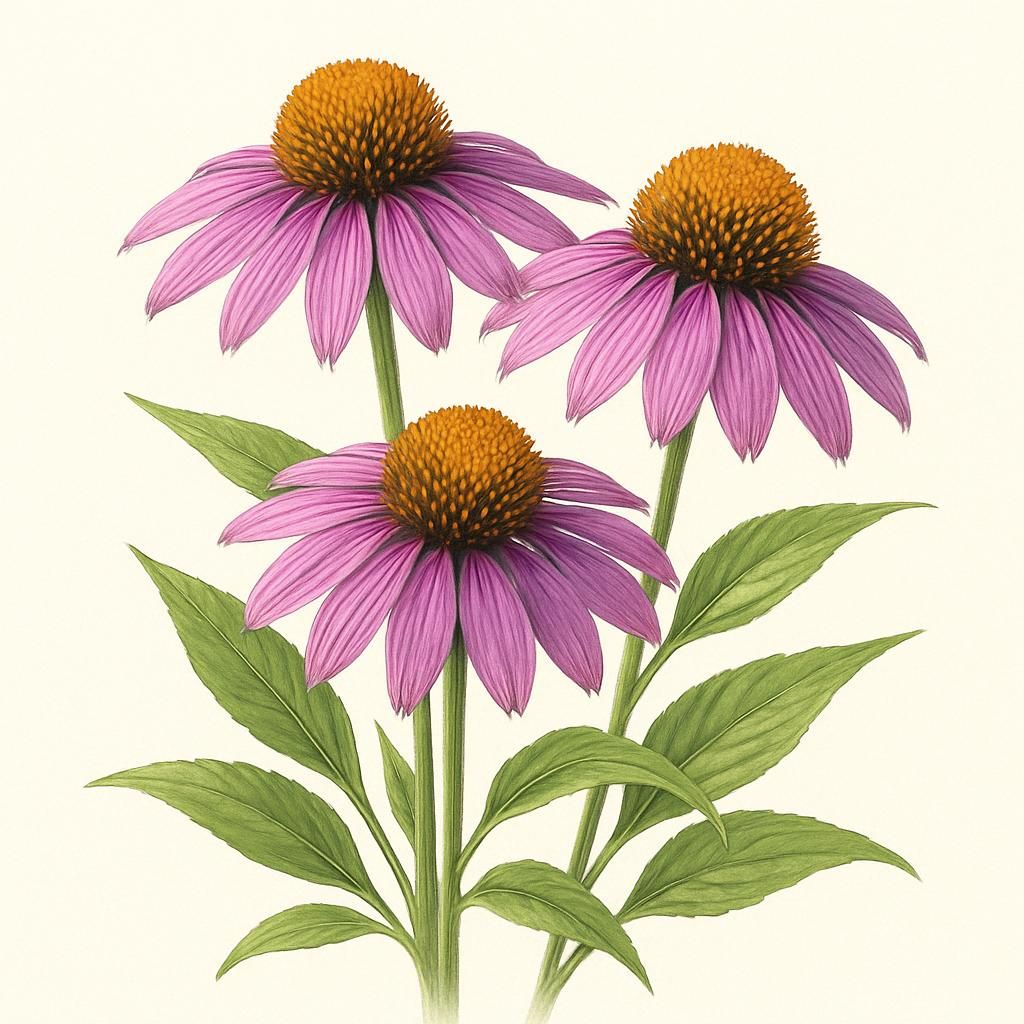
Echinacea purpurea
Echinacea purpurea is a hardy, long-lived herbaceous perennial valued for its striking purple coneflowers and potent medicinal roots. It thrives in full sun with well-drained, moderately fertile soil and is widely cultivated for both herbal and ornamental markets.
View Guide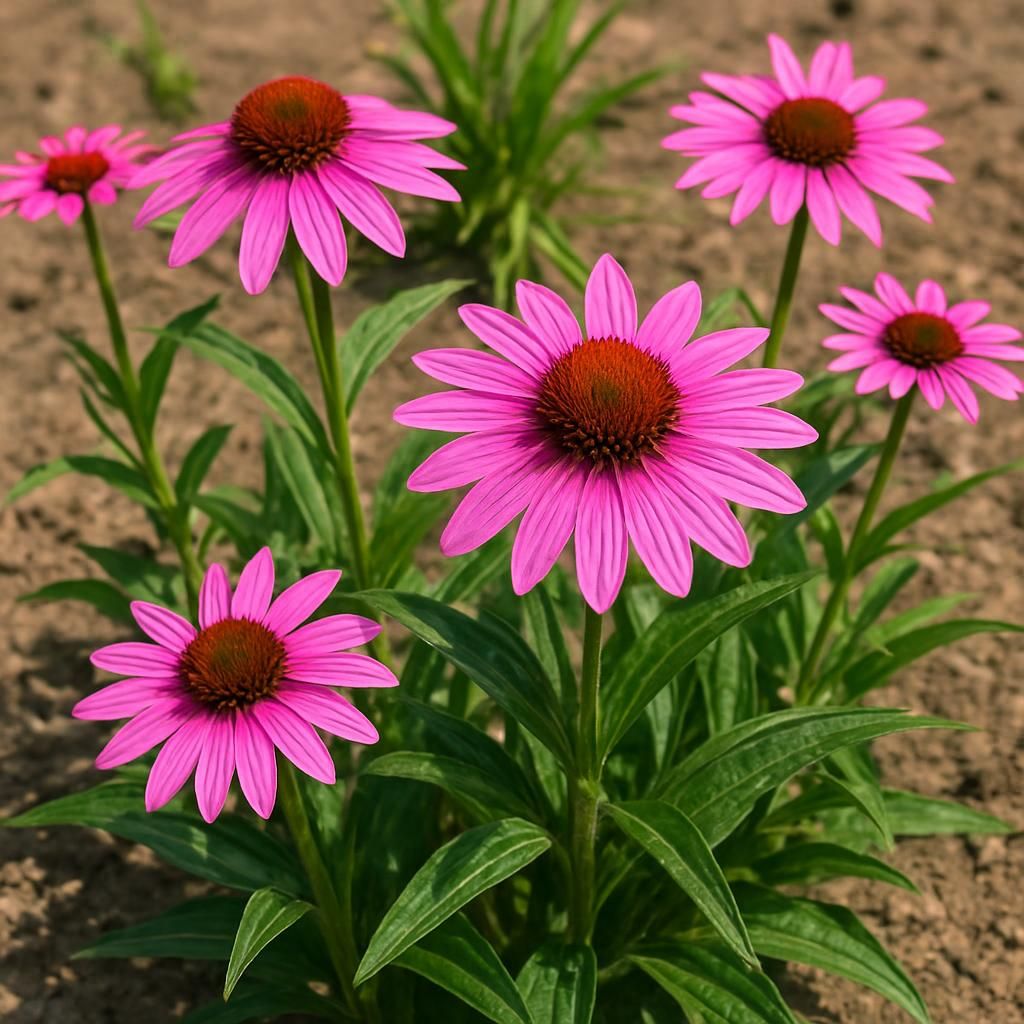
Echinacea Root (Angustifolia)
Echinacea angustifolia is a hardy perennial prized for its medicinal taproot, used widely in herbal medicine. This deep-dive guide covers every stage of professional cultivation, from soil preparation to post-harvest storage.
View Guide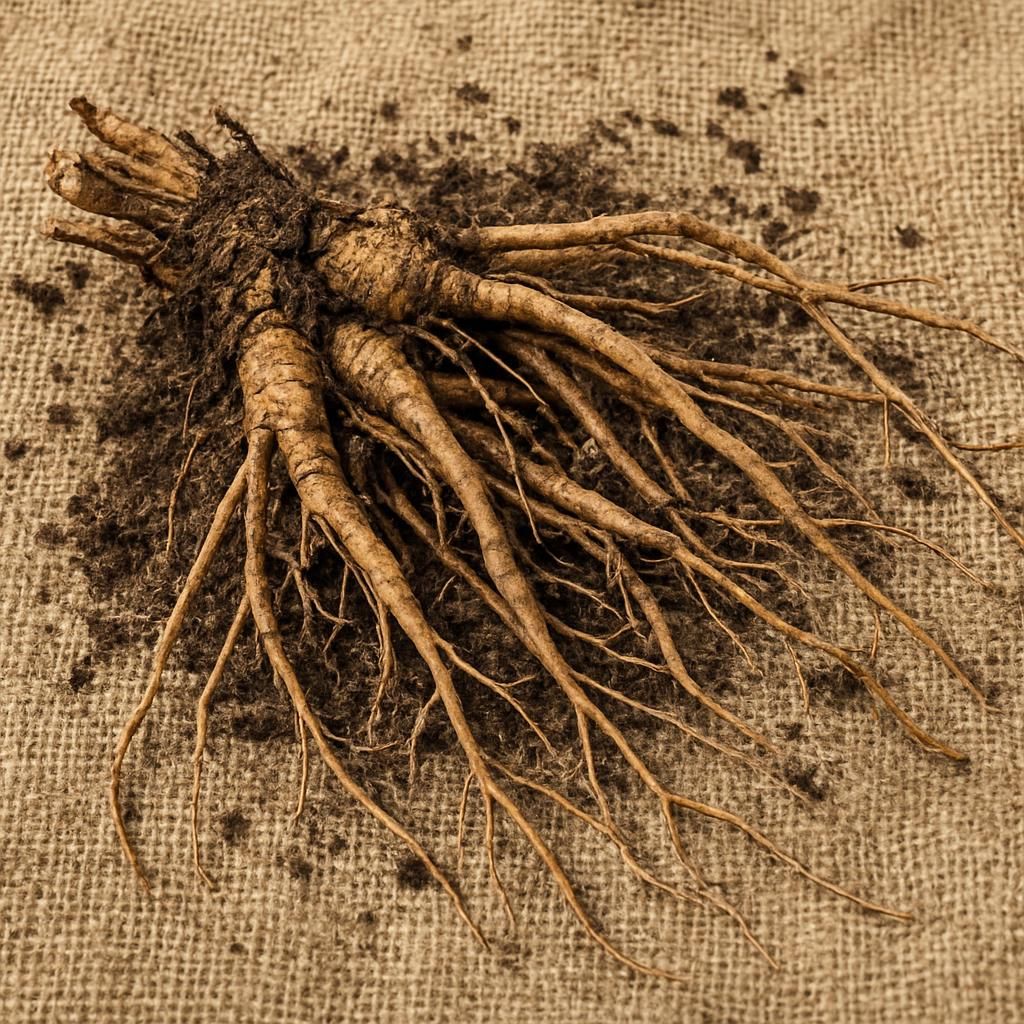
Echinacea Root (Purpurea)
Echinacea purpurea root is a high-value medicinal herb prized for its immune-supporting properties and long harvest cycle. This deep-dive guide covers every stage from soil preparation to post-harvest storage using professional agricultural standards.
View Guide
Echinochloa
Echinochloa is a fast-growing annual grass used as a cereal grain, forage, and cover crop in tropical and subtropical regions. It thrives in flooded or poorly drained soils and provides reliable yields under minimal inputs. The guide covers complete cultivation practices for commercial and small-scale growers.
View Guide
Edamame (Soybean)
Edamame is the vegetable-harvested form of soybean, grown for its sweet, tender green pods rather than fully mature dry seed. Although easy to grow in warm weather, it performs best when growers pay close attention to soil temperature, drainage, nodulation, flowering-time stress, and harvest timing, because pod quality declines quickly if plants are rushed by drought or heat.
View Guide
Eggplant
Eggplant is a warm-season fruiting vegetable in the nightshade family prized for its glossy fruits, long harvest window, and culinary versatility. It performs best in consistently warm conditions, fertile well-drained soil, and steady moisture, but it is more sensitive to cold stress than many growers expect, making temperature management one of the keys to high yields.
View Guide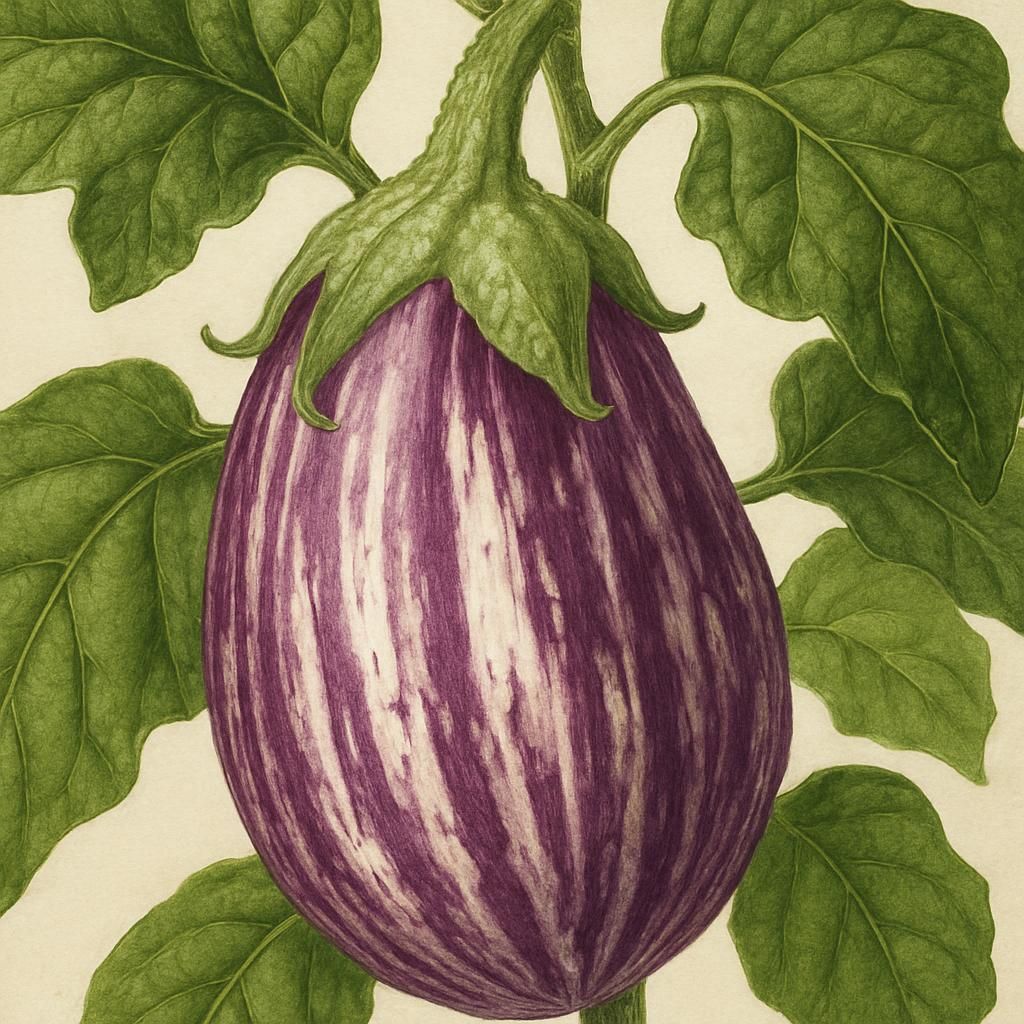
Eggplant (Fairytale)
The Fairytale Eggplant is a unique variety known for its striking appearance and sweet flavor. This small, compact plant produces an abundant yield of elongated, purple-and-white striped fruits, ideal for container gardening and small spaces.
View Guide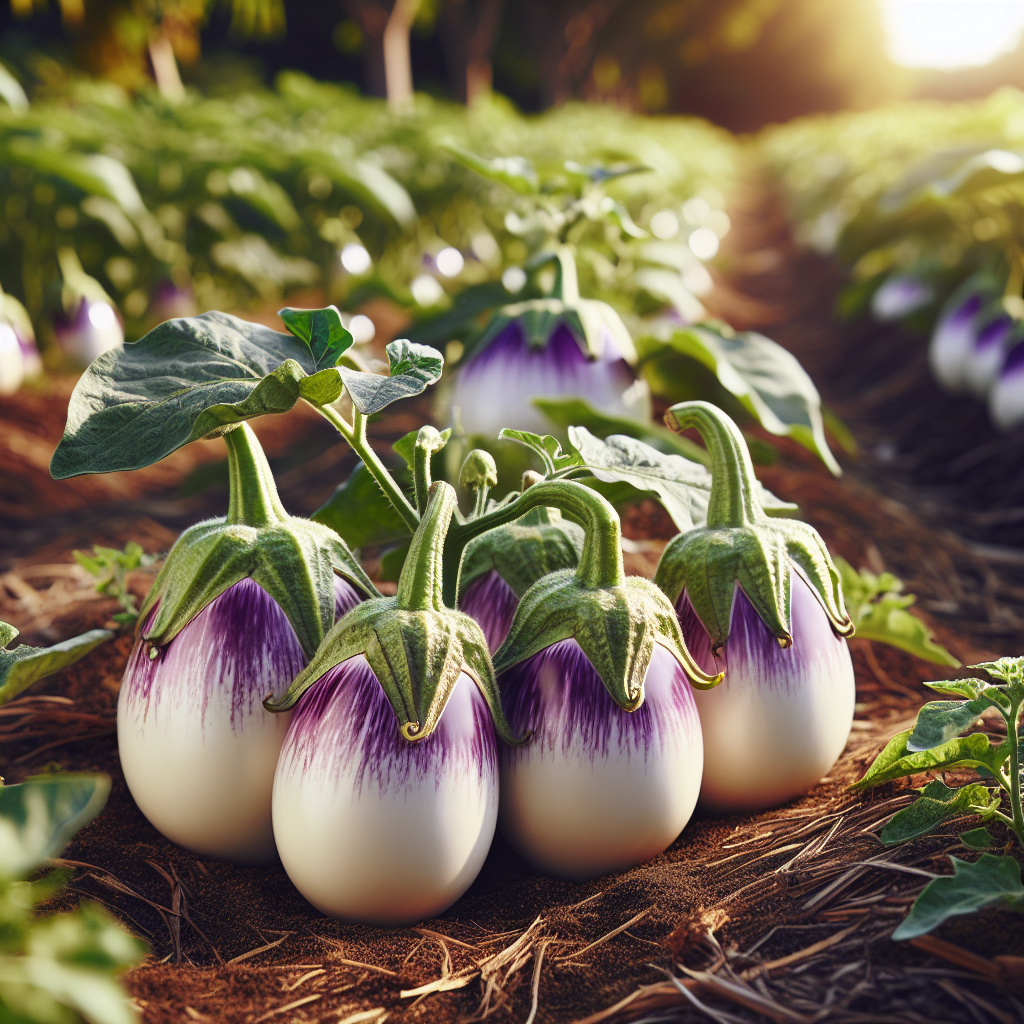
Eggplant (Listada de Gandia)
Eggplant (Listada de Gandia) is a classic Spanish heirloom aubergine prized for its creamy white skin brushed with lavender-purple striping, tender flesh, and mild, low-bitterness flavor. It performs best in warm, stable conditions with fertile, well-drained soil, and rewards attentive growers with attractive, marketable fruits ideal for grilling, roasting, and Mediterranean cuisine.
View Guide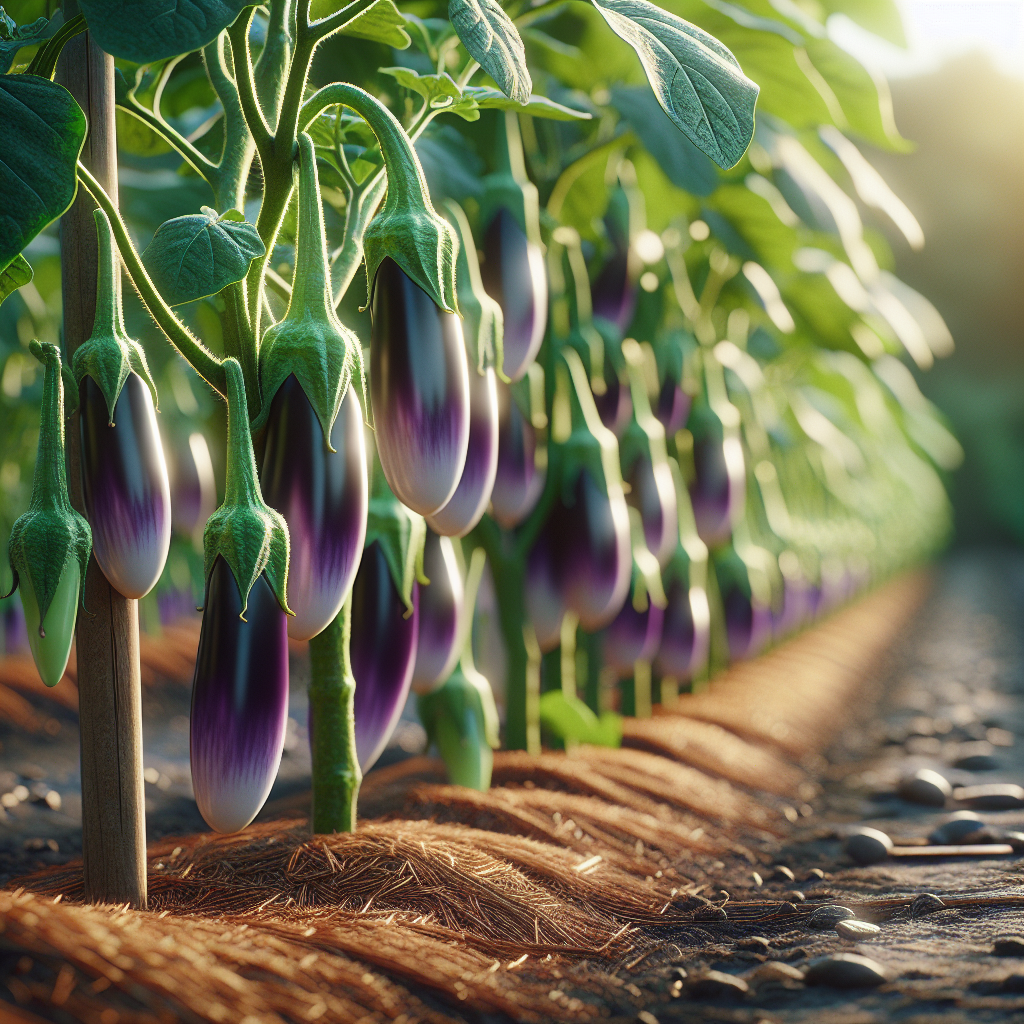
Eggplant (Ping Tung Long)
Ping Tung Long is a vigorous Taiwanese eggplant variety prized for its exceptionally long, slender, glossy purple fruits, mild flavor, and low seed count. It thrives in sustained heat, rewards careful fertility and moisture management with heavy yields, and is especially well suited to gardeners and growers seeking continuous harvests over a long warm season.
View Guide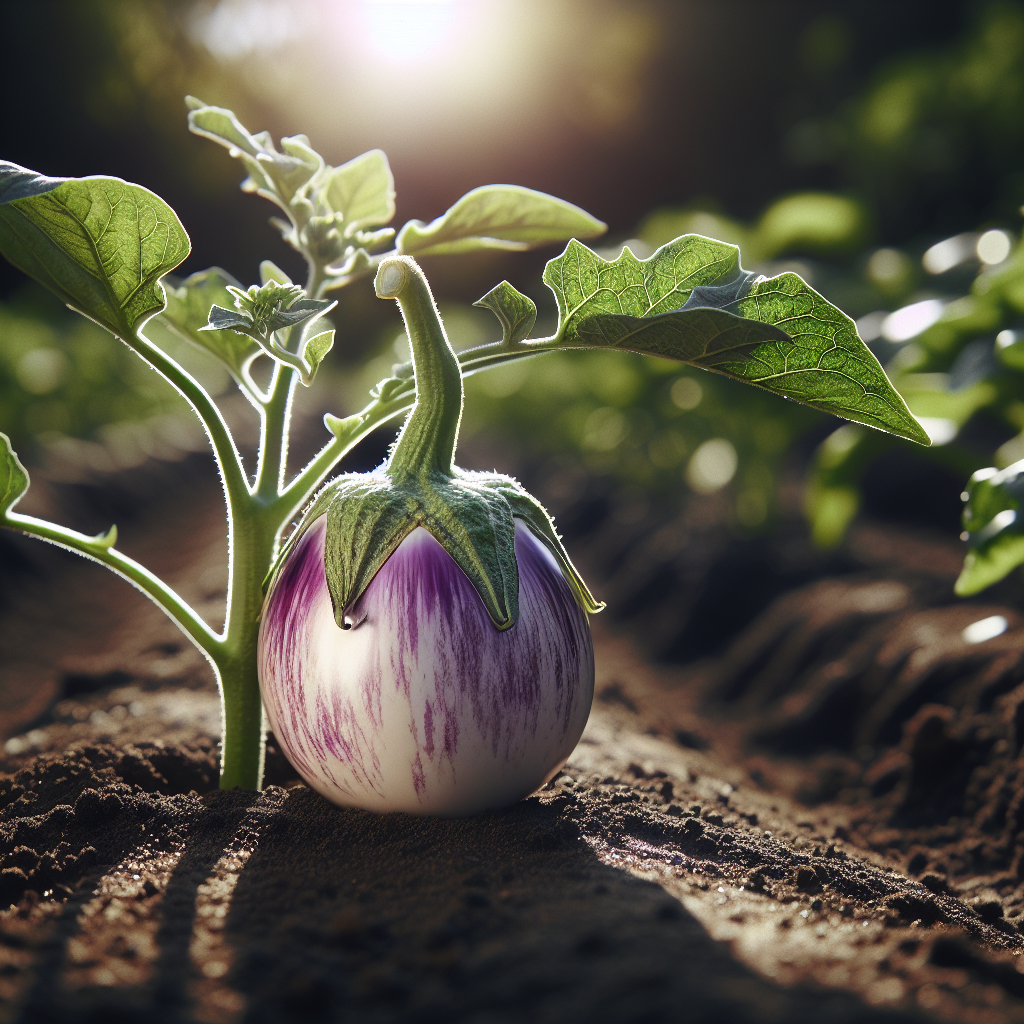
Eggplant (Rosa Bianca)
Eggplant (Rosa Bianca) is a prized Italian heirloom known for its rounded, lightly ribbed fruits with lavender-and-white marbling and exceptionally mild, creamy flesh. It is less bitter than many standard eggplants, but it is also more particular about warmth, fertility, and consistent moisture, making careful management essential for top-quality harvests.
View Guide