Encyclopedia
Definitive guides for crops, pests, and agricultural diseases.
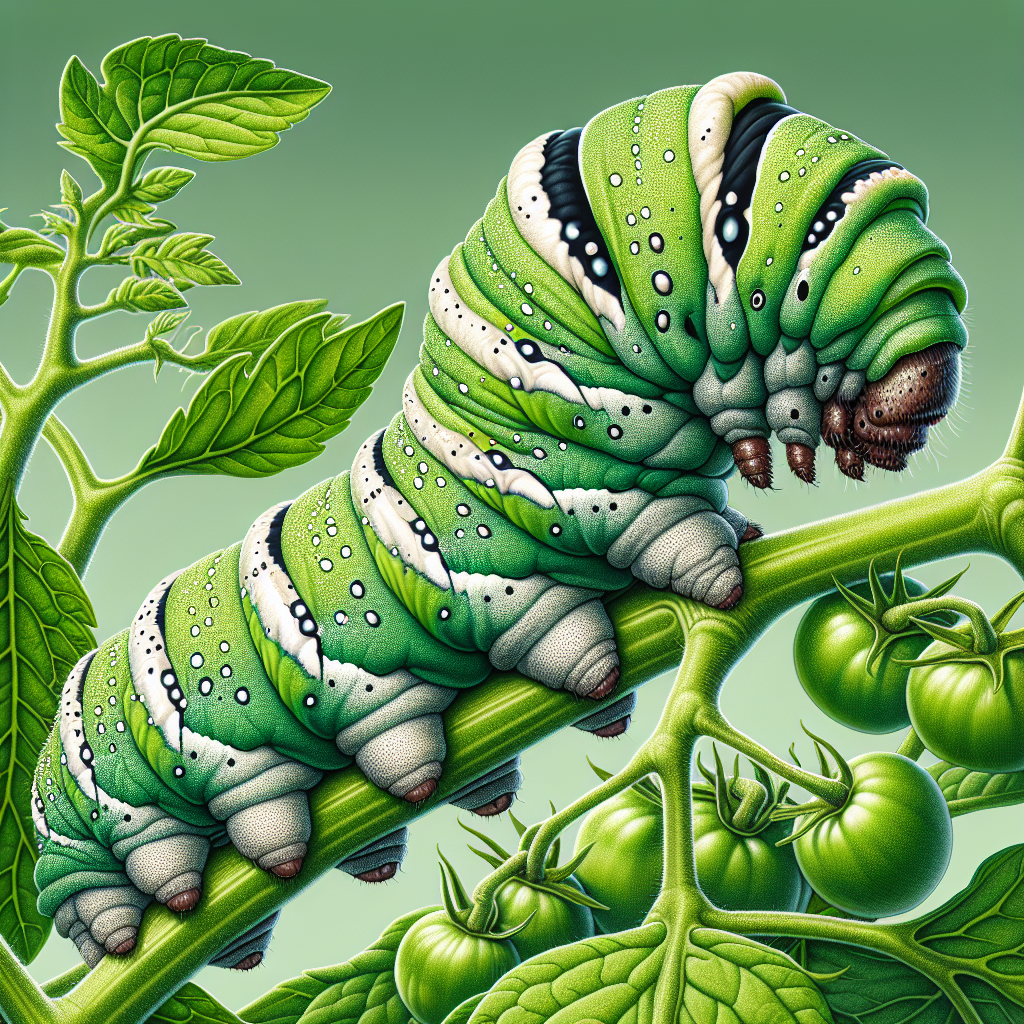
Tomato hornworms
Tomato hornworms are large, voracious caterpillars that devastate tomato foliage and fruits, capable of stripping plants bare overnight. Native to the Americas, these pests undergo complete metamorphosis and are primarily active in warm seasons. Effective management combines vigilant scouting, biological controls like BT, and cultural practices for sustainable organic production.
View Profile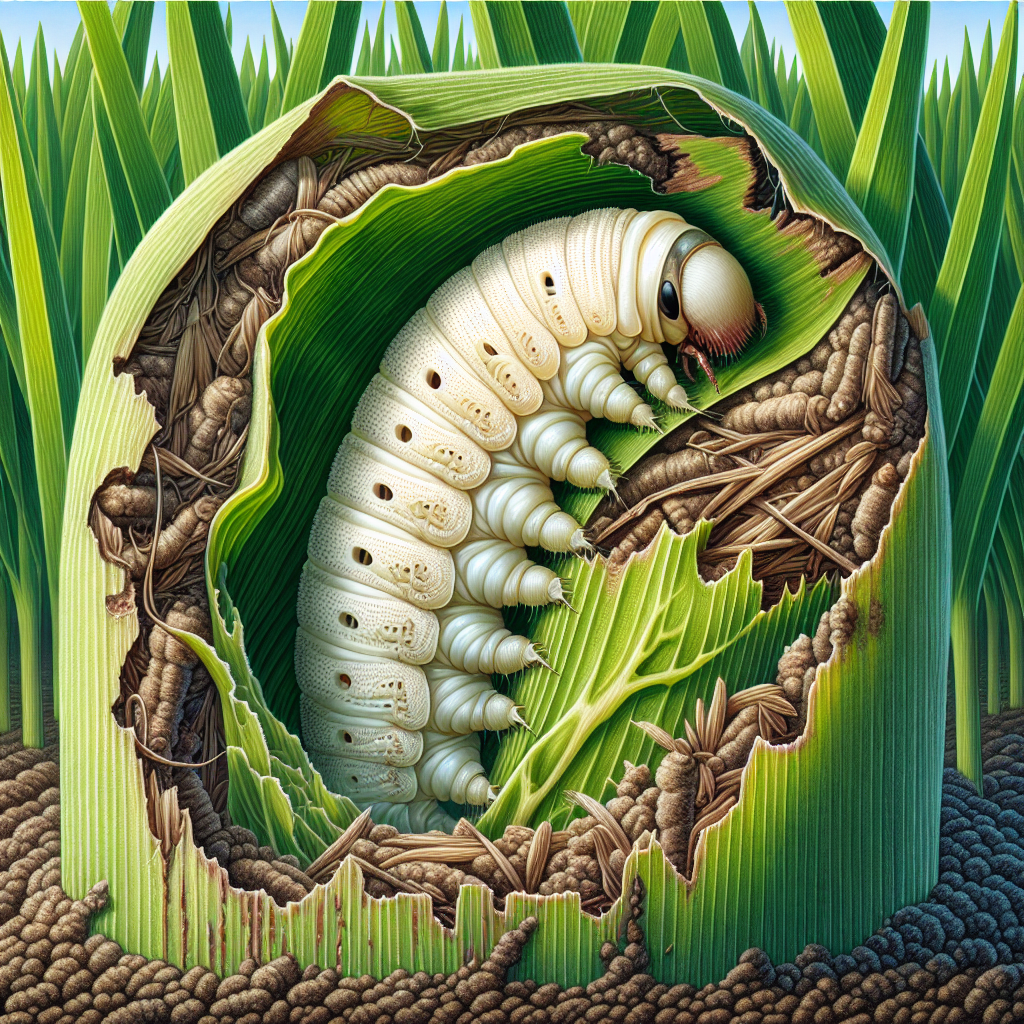
top borer
The top borer (Scirpophaga excerptalis) is a destructive moth pest primarily targeting rice crops, boring into the top leaves and shoots of young plants, causing 'dead hearts' and significant yield losses. Effective management relies on timely scouting, cultural practices, and organic controls like neem-based sprays. This guide provides comprehensive diagnostics, lifecycle insights, and prevention strategies for farmers.
View Profile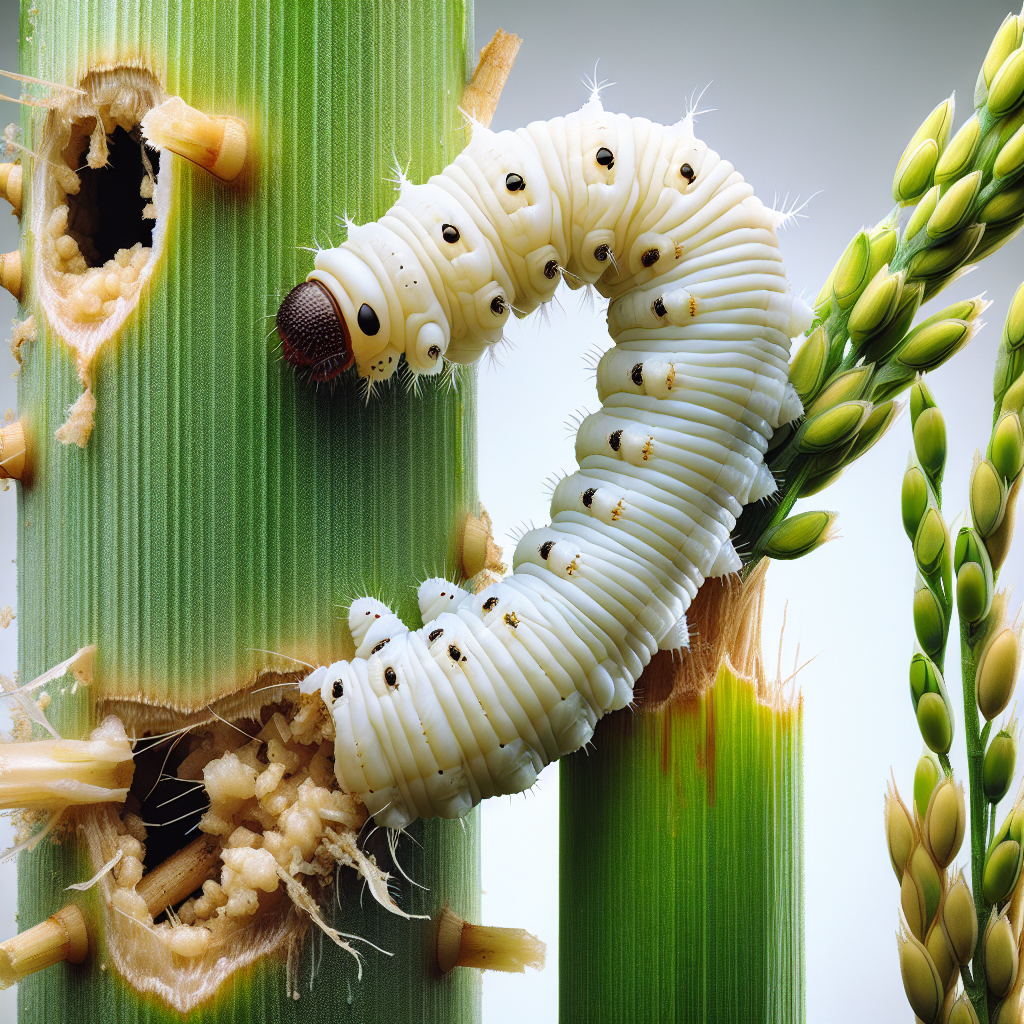
Top shoot borer
The top shoot borer (Scirpophaga excerptalis) is a destructive moth pest primarily targeting rice crops, boring into the growing shoots and causing 'dead hearts' that lead to significant yield losses. This guide provides comprehensive diagnostics, lifecycle insights, organic management strategies, and prevention tips for farmers battling this pest. Effective control hinges on early detection and integrated organic practices to protect vital shoots.
View Profile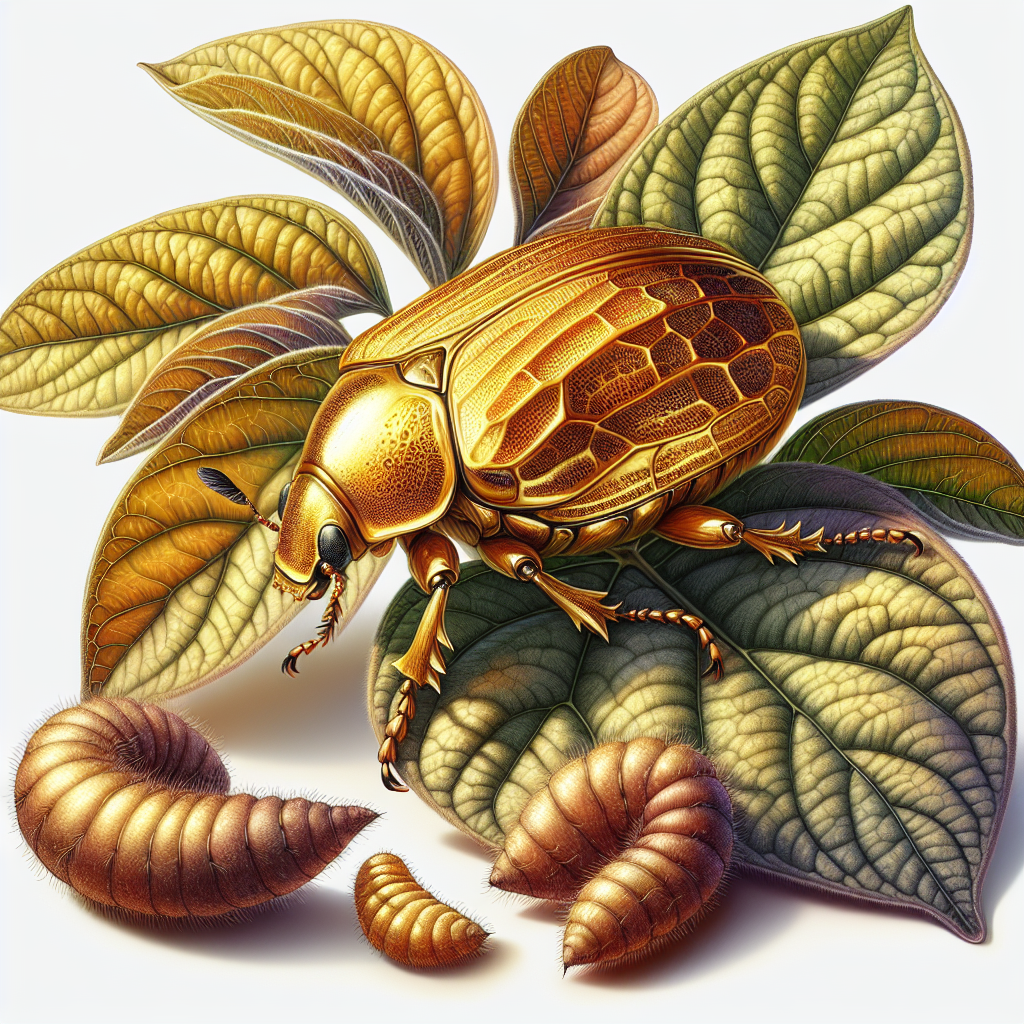
Tortoise Beetles
Tortoise beetles are small, shiny, leaf-shaped pests in the Chrysomelidae family that defoliate plants by skeletonizing leaves, primarily targeting solanaceous crops like sweet potatoes and tomatoes. Their armored, turtle-like appearance and rapid reproduction make early detection crucial for effective management. This guide provides diagnostic symptoms, lifecycle details, organic controls, and prevention strategies for farmers.
View Profile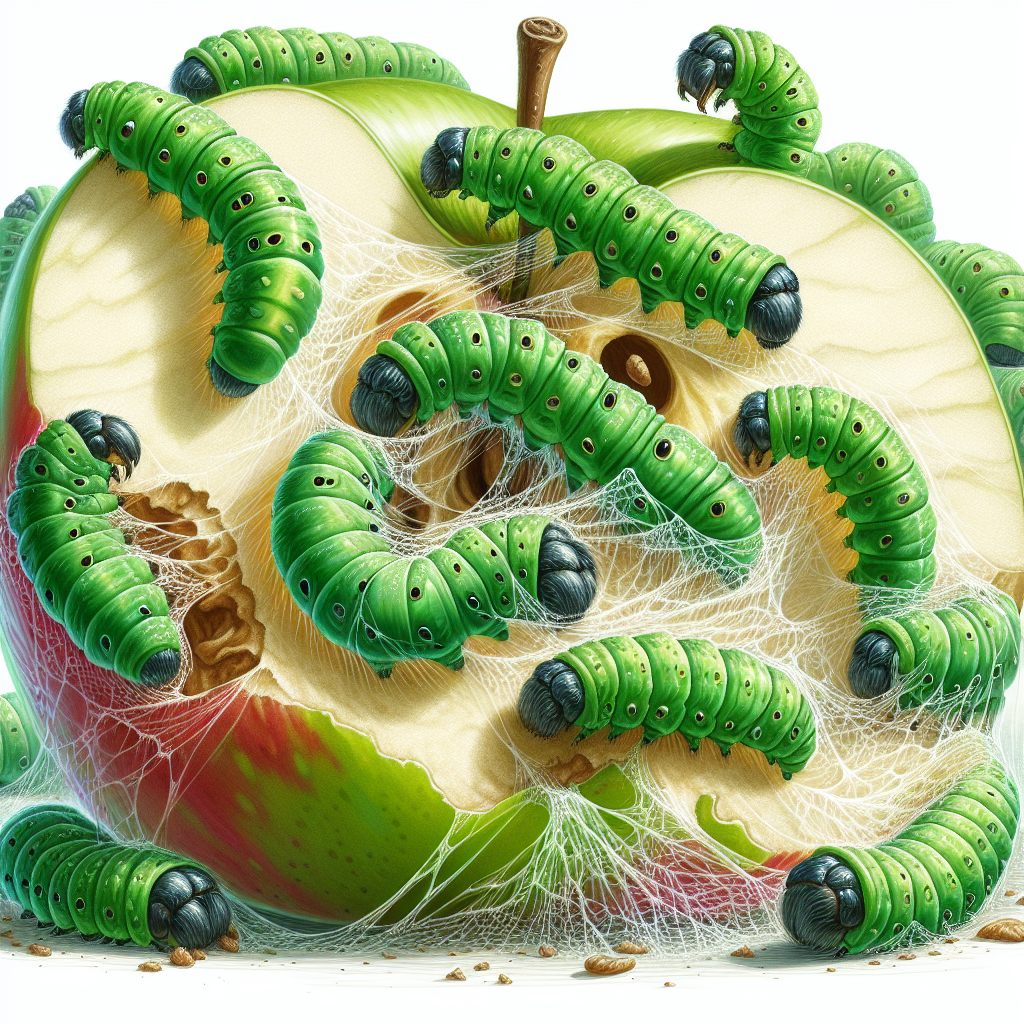
Tortricid moth larvae
Tortricid moth larvae, commonly known as leafrollers or fruitworms, are destructive pests belonging to the family Tortricidae that bore into fruits, leaves, and shoots of numerous crops. These small, green to brown caterpillars cause significant economic losses by feeding internally and webbing plant parts together. Effective management combines monitoring, organic controls, and cultural practices for sustainable agriculture.
View Profile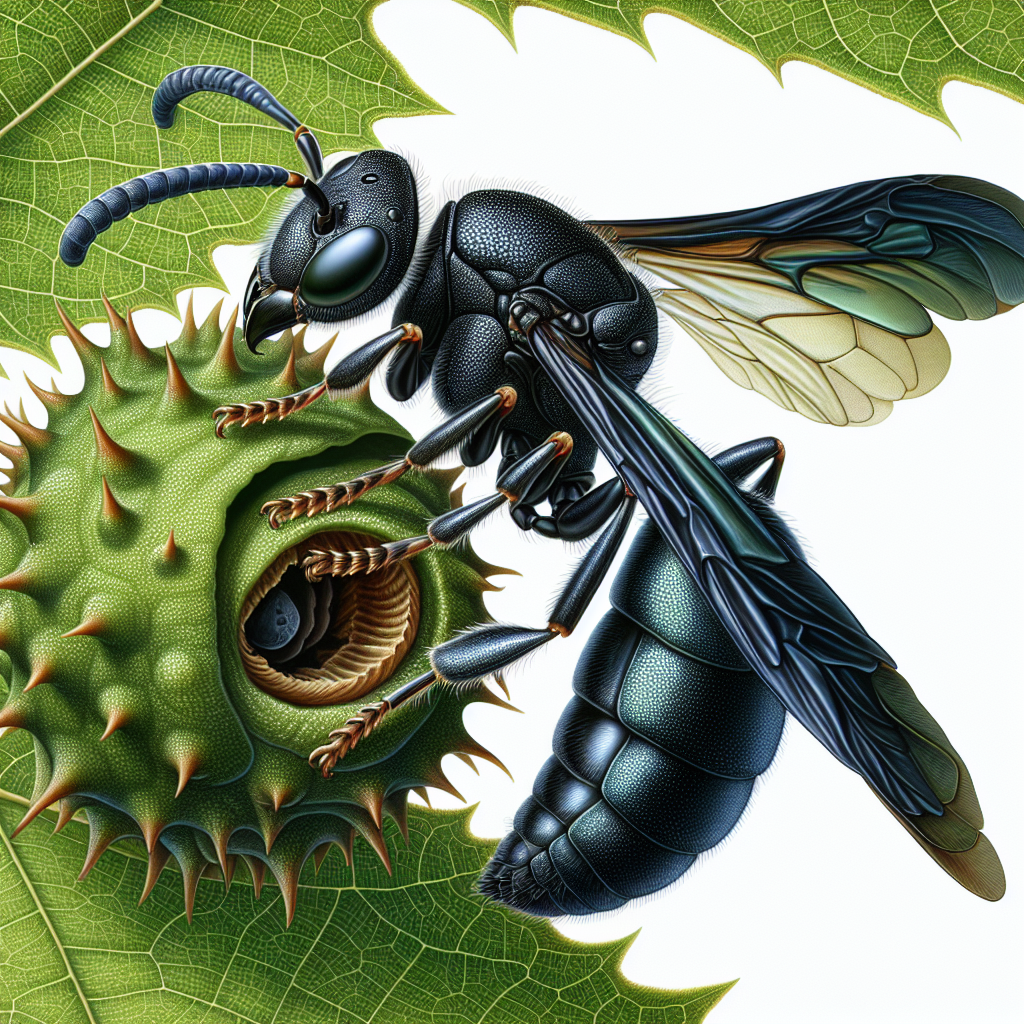
Torymus
Torymus sinensis is a parasitic wasp primarily known for its role in biological control of the oriental chestnut gall wasp, though certain species can become pests in agricultural settings by parasitizing beneficial insects or galling plants. This guide provides comprehensive diagnostics, lifecycle insights, and organic management strategies for growers facing Torymus infestations. Effective prevention focuses on monitoring and habitat management to minimize crop damage.
View Profile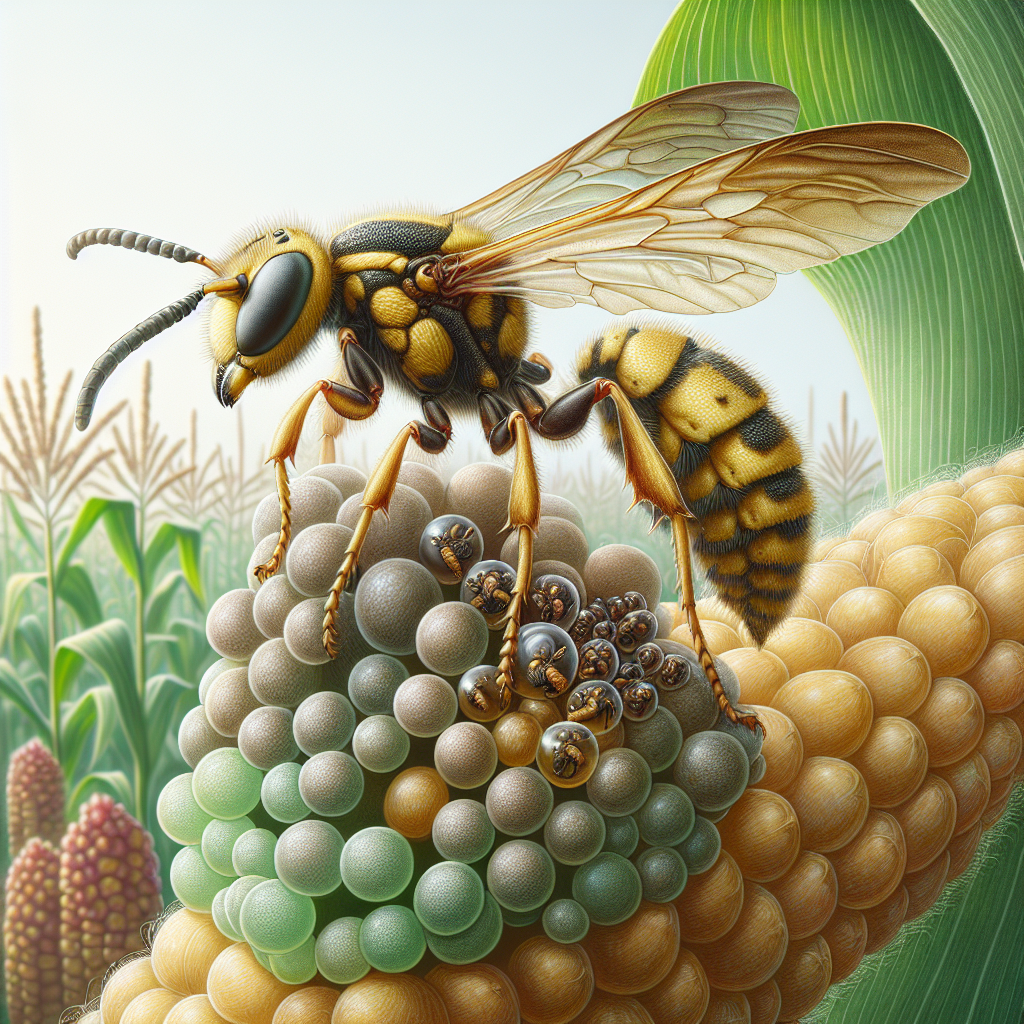
Trichogramma
Trichogramma are tiny parasitic wasps widely used in biological control programs to target lepidopteran pests like moths and caterpillars. Contrary to common misconceptions, they are not agricultural pests but invaluable allies for organic farmers combating [caterpillars](/wiki/caterpillars) and other egg-laying insects. This guide provides diagnostic insights, lifecycle details, and management strategies to optimize their deployment in crop protection.
View Profile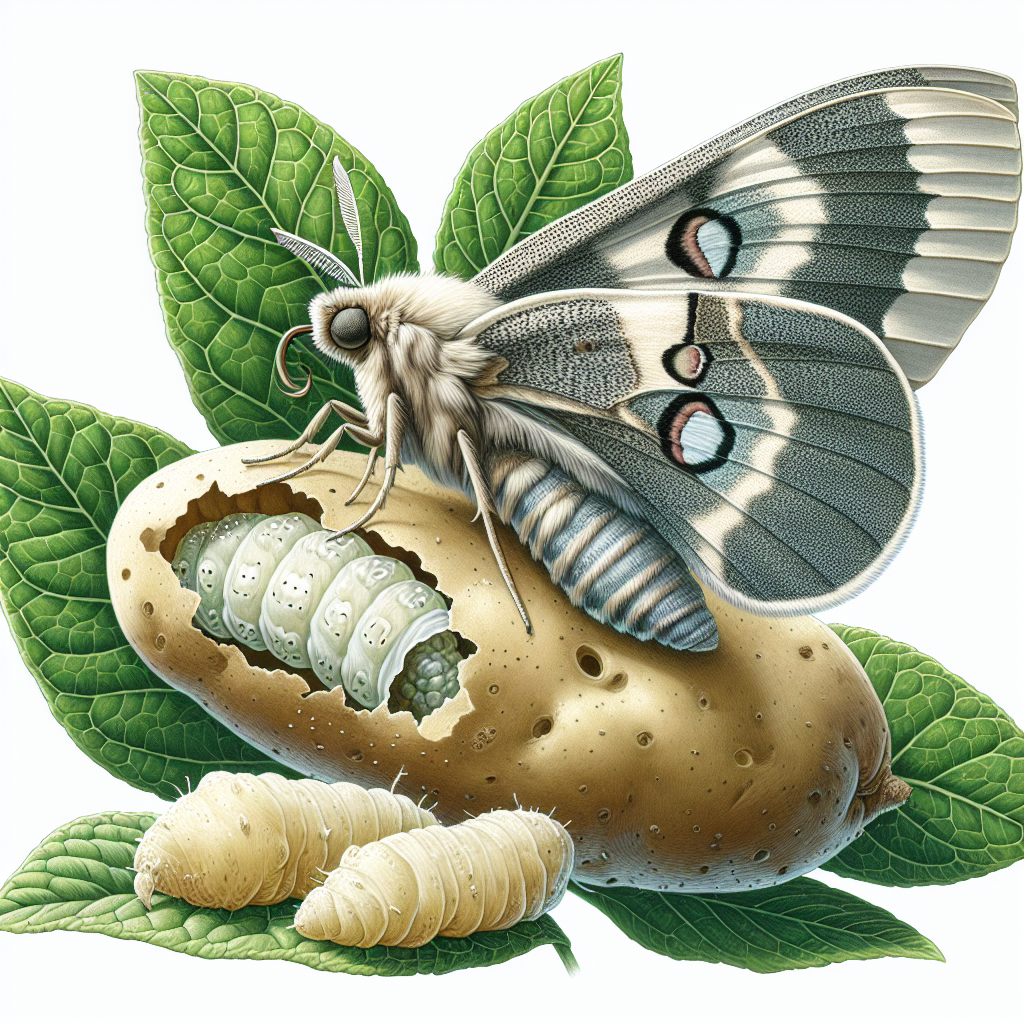
Tuber moths
Tuber moths, also known as potato tuber moths, are destructive pests targeting underground tubers and foliage of solanaceous crops like potatoes. Their larvae tunnel into tubers and leaves, causing significant yield losses and storage damage. Effective management combines cultural practices, biological controls, and vigilant monitoring for sustainable agriculture.
View Profile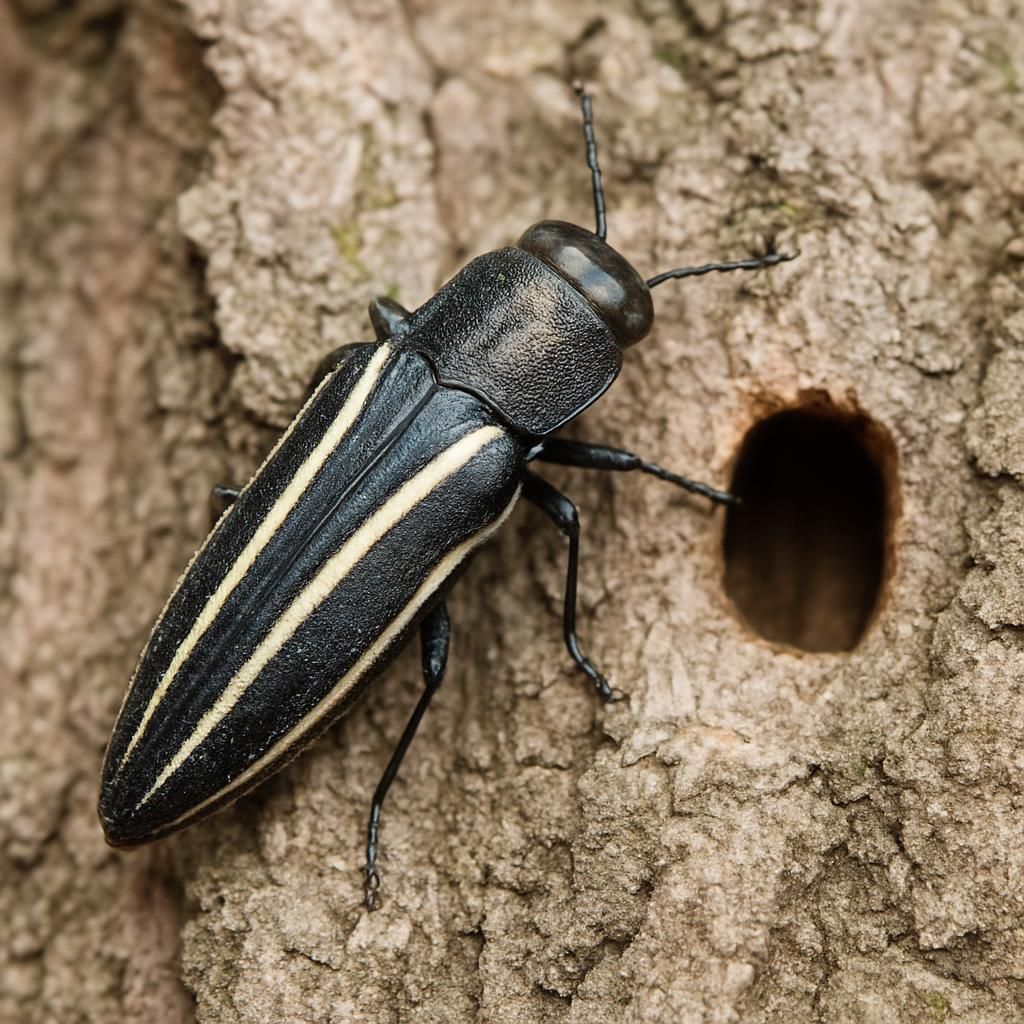
two-lined chestnut borer
The two-lined chestnut borer is a native North American buprestid beetle that primarily attacks stressed oak and chestnut trees. Larvae tunnel beneath the bark, disrupting nutrient flow and often leading to tree decline or death. Effective management combines cultural stress reduction, monitoring, and targeted treatments.
View Profile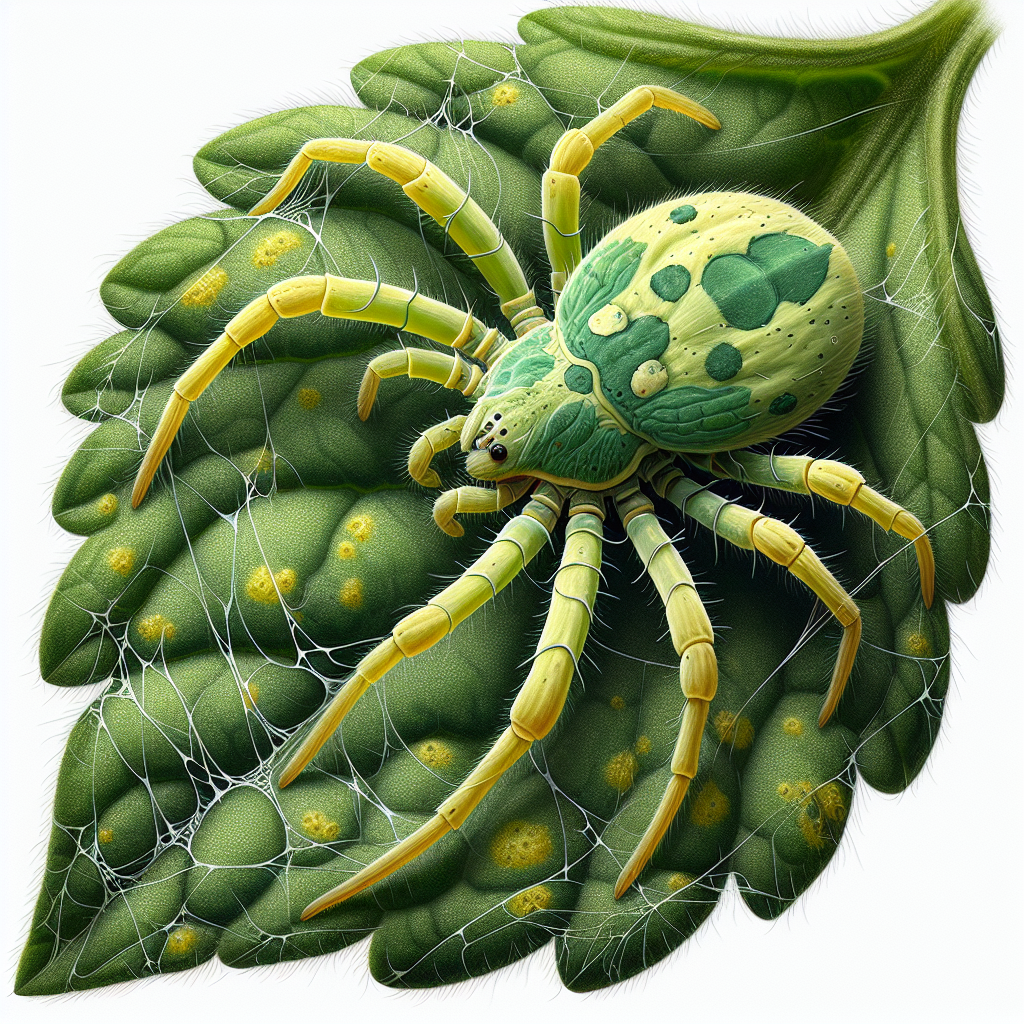
Twospotted spider mites
Twospotted spider mites (Tetranychus urticae) are tiny arachnids that cause significant damage to a wide range of crops by sucking plant sap, leading to stippling, yellowing, and webbing on leaves. These pests thrive in hot, dry conditions and can rapidly multiply, devastating orchards, vegetables, and ornamentals if unmanaged. Effective organic control relies on predatory mites, horticultural oils, and cultural practices to prevent outbreaks.
View Profile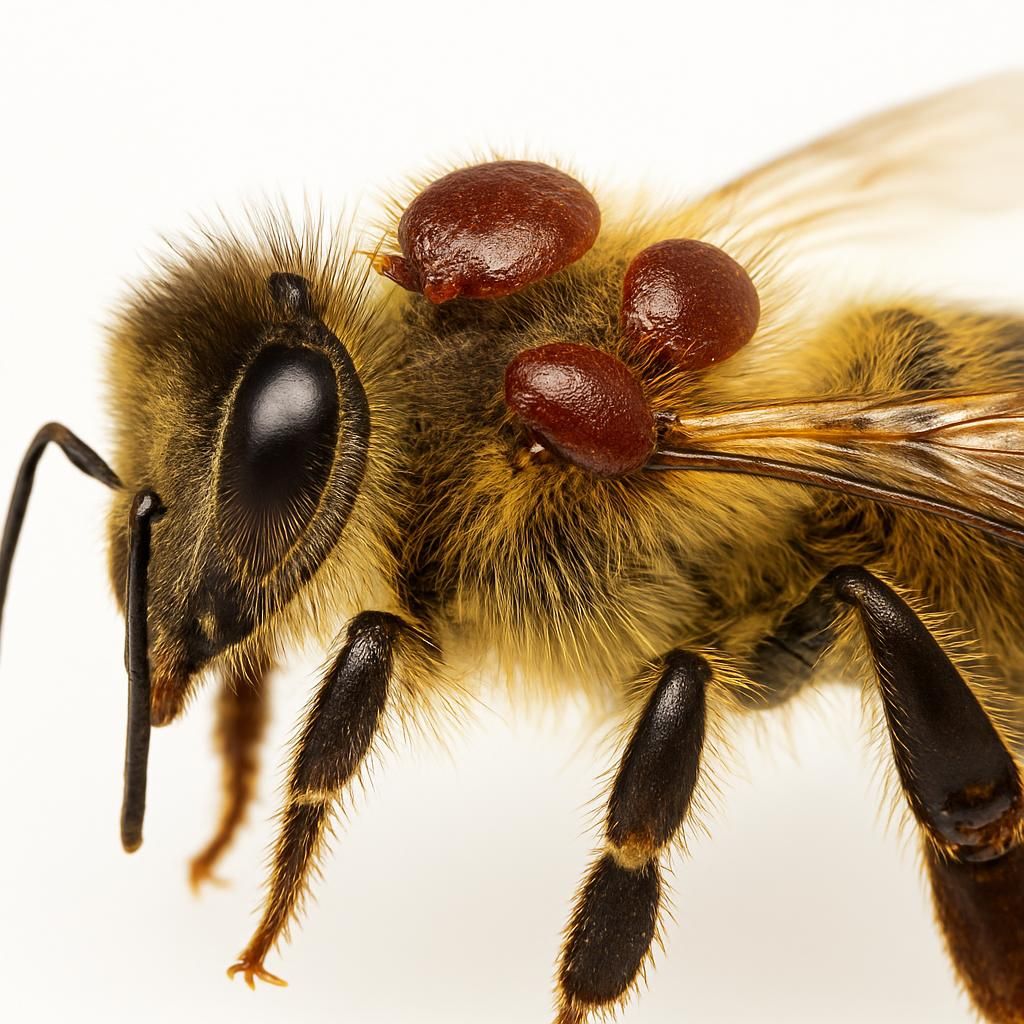
Varroa mites
Varroa destructor is the most destructive ectoparasitic mite of honey bees worldwide, weakening colonies through direct feeding and virus transmission. Effective management requires integrated monitoring, cultural practices, and timely treatments to prevent colony collapse. This guide provides diagnostic symptoms, lifecycle details, environmental risk factors, organic control options, and long-term prevention strategies.
View Profile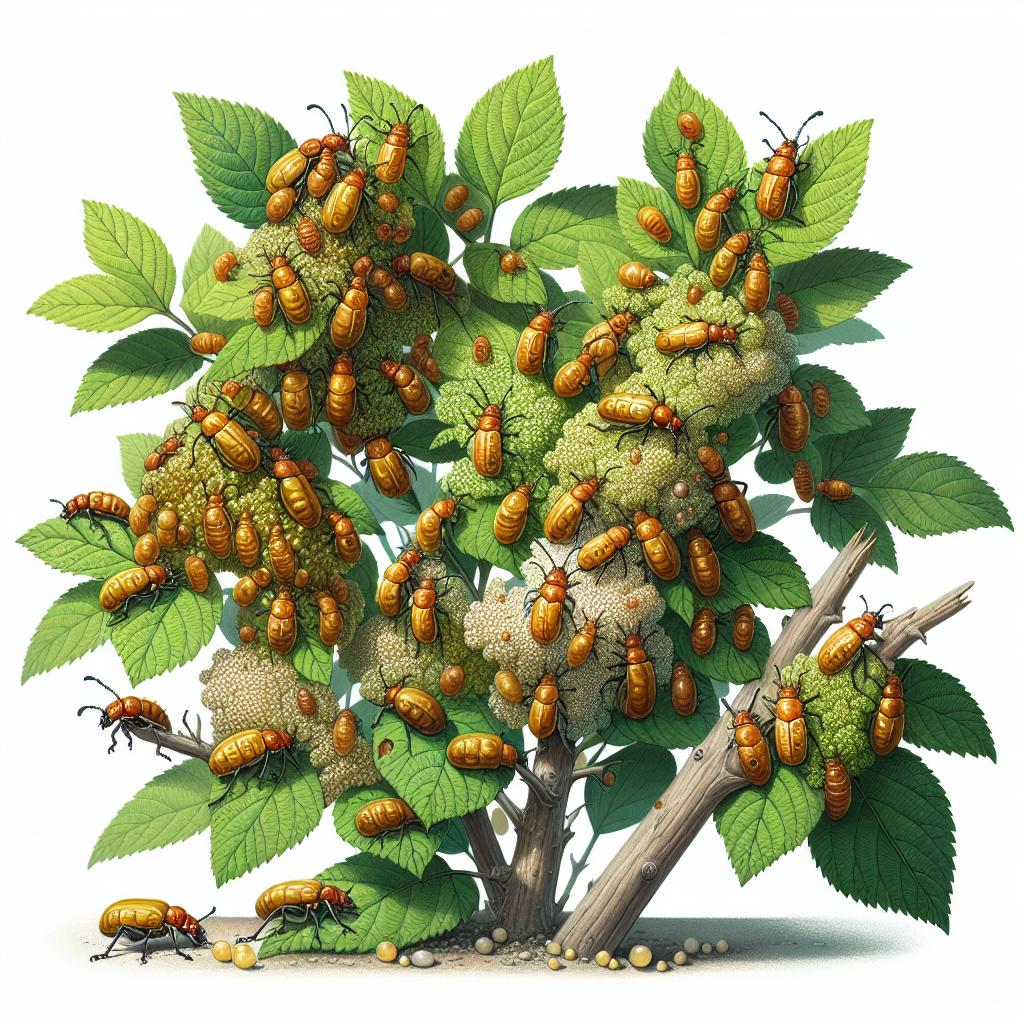
Viburnum Beetle
The viburnum beetle (Pyrrhocita viburni) is a destructive pest that targets viburnum shrubs, causing severe defoliation through larval and adult feeding. Native to Europe but now widespread in North America, it can skeletonize leaves and kill young plants. Effective management combines monitoring, organic controls, and cultural practices for long-term prevention.
View Profile
Vine Borers
Vine borers are destructive pests primarily targeting cucurbit crops like squash, pumpkins, and cucumbers, where larvae tunnel into stems causing rapid wilting and plant death. Effective management relies on early detection, organic controls like row covers and BT, and cultural practices such as crop rotation. This guide provides comprehensive diagnostics, lifecycle insights, and prevention strategies for sustainable farming.
View Profile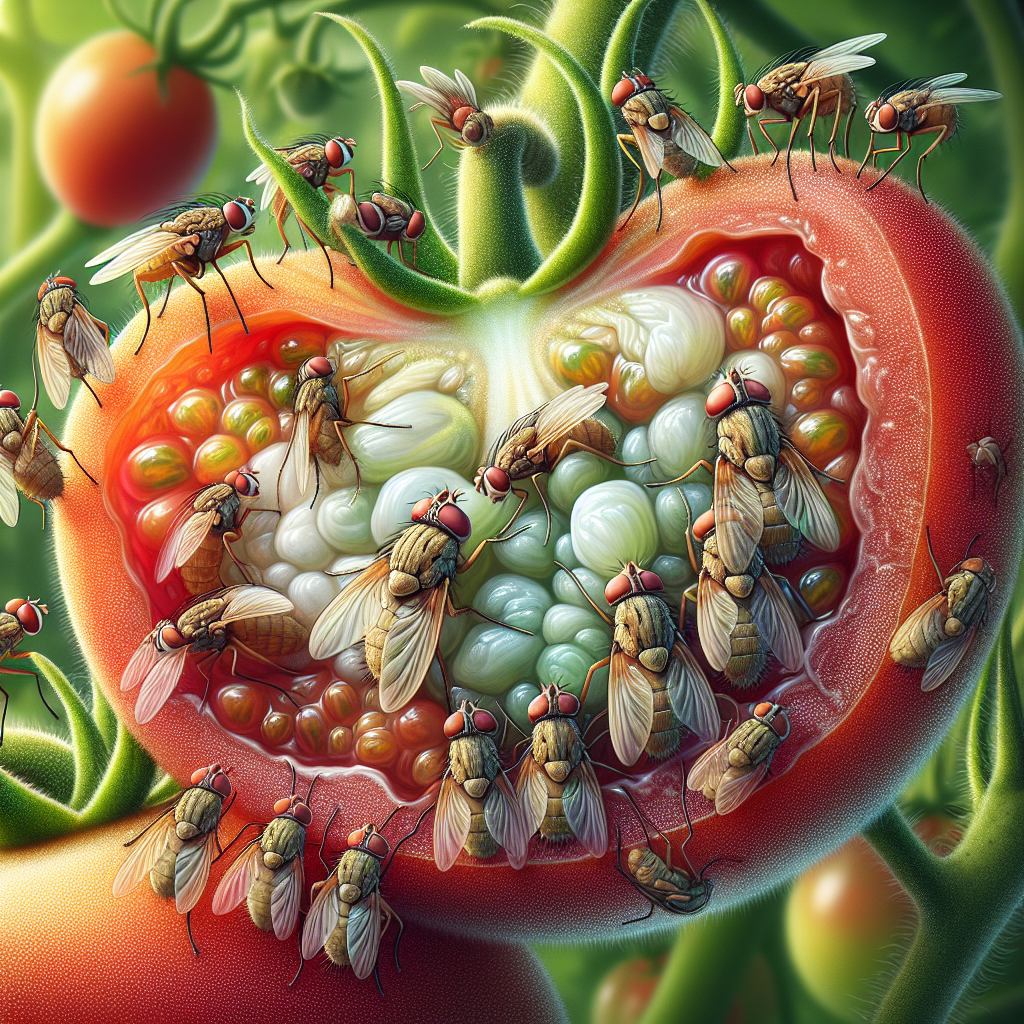
vinegar flies
Vinegar flies, commonly known as fruit flies, are tiny winged pests that infest overripe fruits, vegetables, and fermenting organic matter in agricultural settings. They cause significant damage by spoiling produce and spreading contaminants, thriving in warm, humid environments. This guide provides comprehensive diagnostics, organic management strategies, and prevention tactics for farmers dealing with vinegar fly outbreaks.
View Profile
Vole
Voles are small rodents notorious for devastating agricultural fields by tunneling through soil and devouring roots, bulbs, and stems of crops. This guide provides comprehensive diagnostics, lifecycle insights, organic management strategies, and prevention tactics to protect your farm yields. Effective control combines habitat modification, natural predators, and vigilant monitoring for long-term success.
View Profile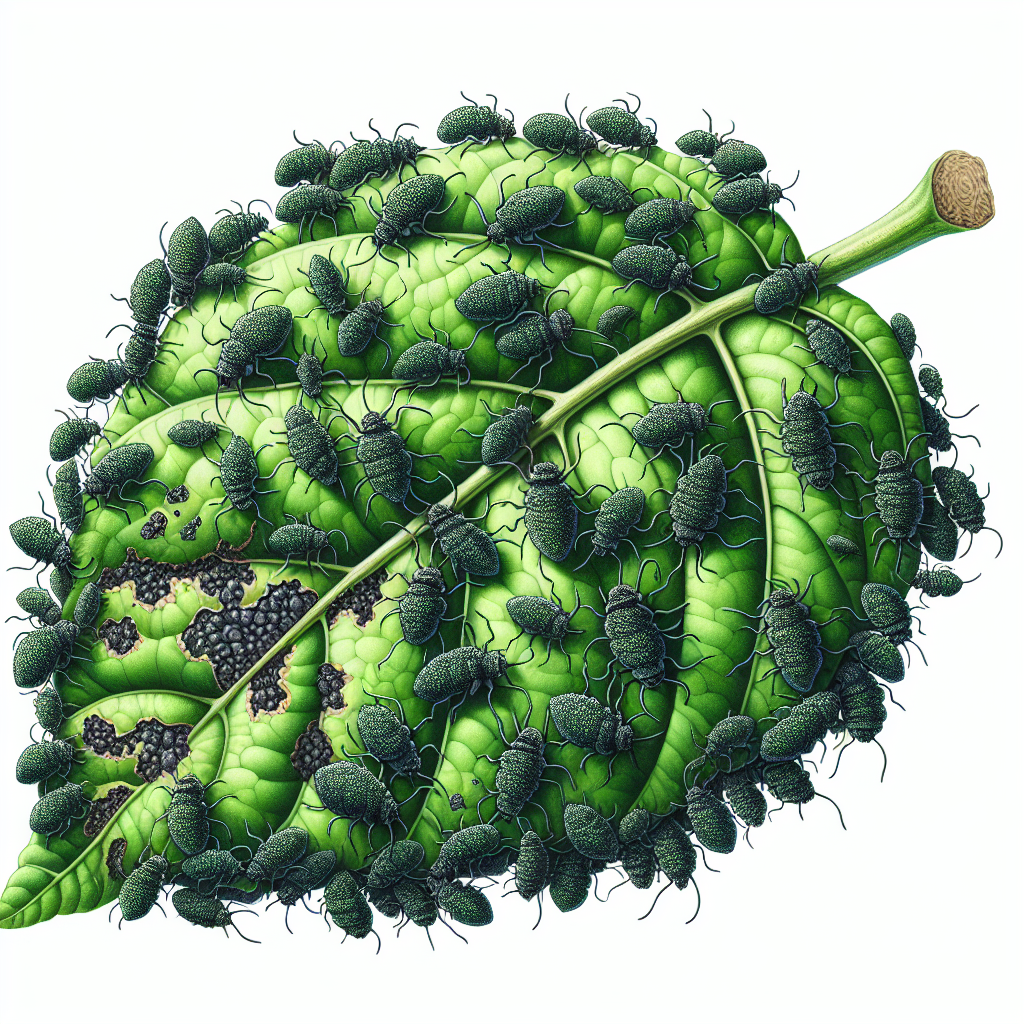
Walnut aphid
The walnut aphid (Chromaphis juglandicola) is a small, soft-bodied insect that infests walnut trees, causing curled leaves, sticky honeydew, and sooty mold. Highly prolific in spring and fall, it weakens trees by sucking sap and transmitting viruses. Effective management combines monitoring, biological controls, and cultural practices for sustainable walnut orchard health.
View Profile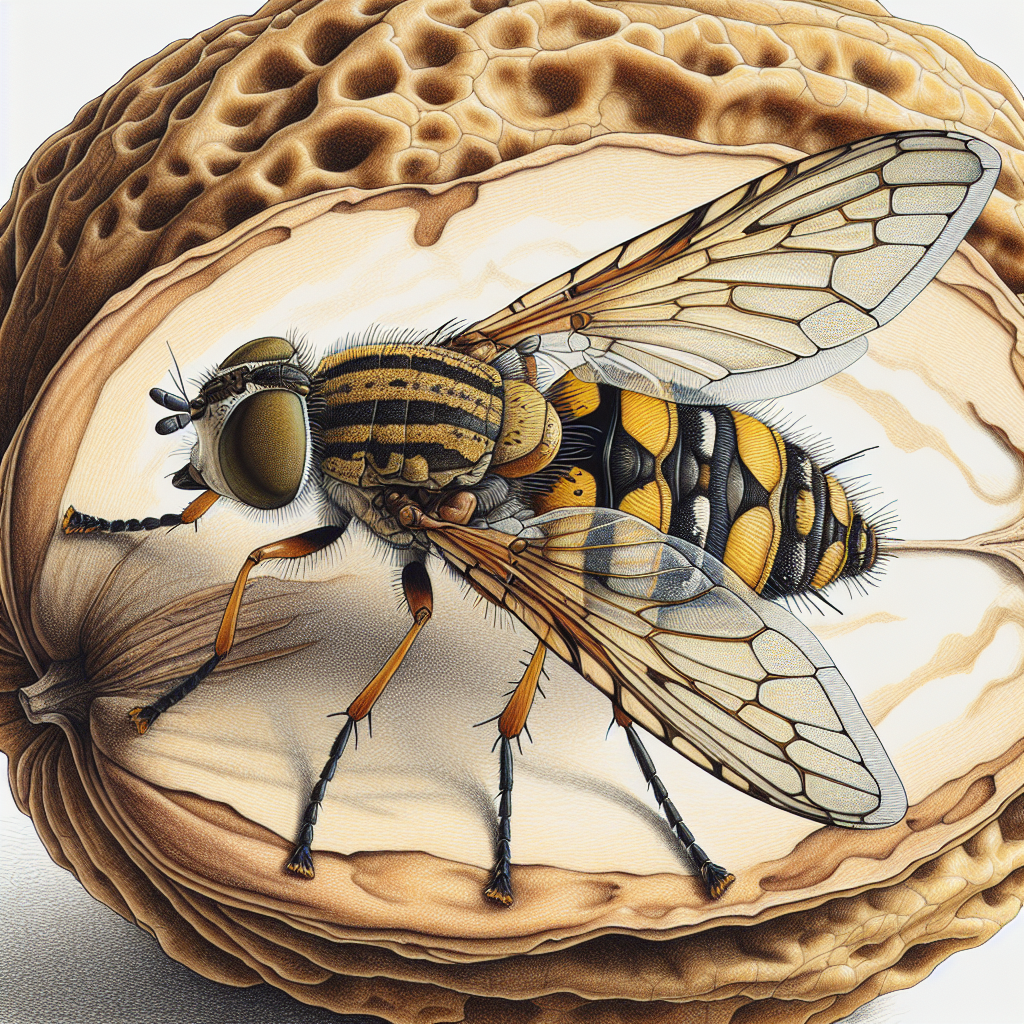
Walnut husk fly
The walnut husk fly (Rhagoletis completa) is a destructive pest targeting walnut husks, causing premature drop and staining that ruins nut quality. Adults emerge in late summer, laying eggs in husks leading to larval feeding damage. Effective management combines monitoring, sanitation, and organic controls for sustainable walnut production.
View Profile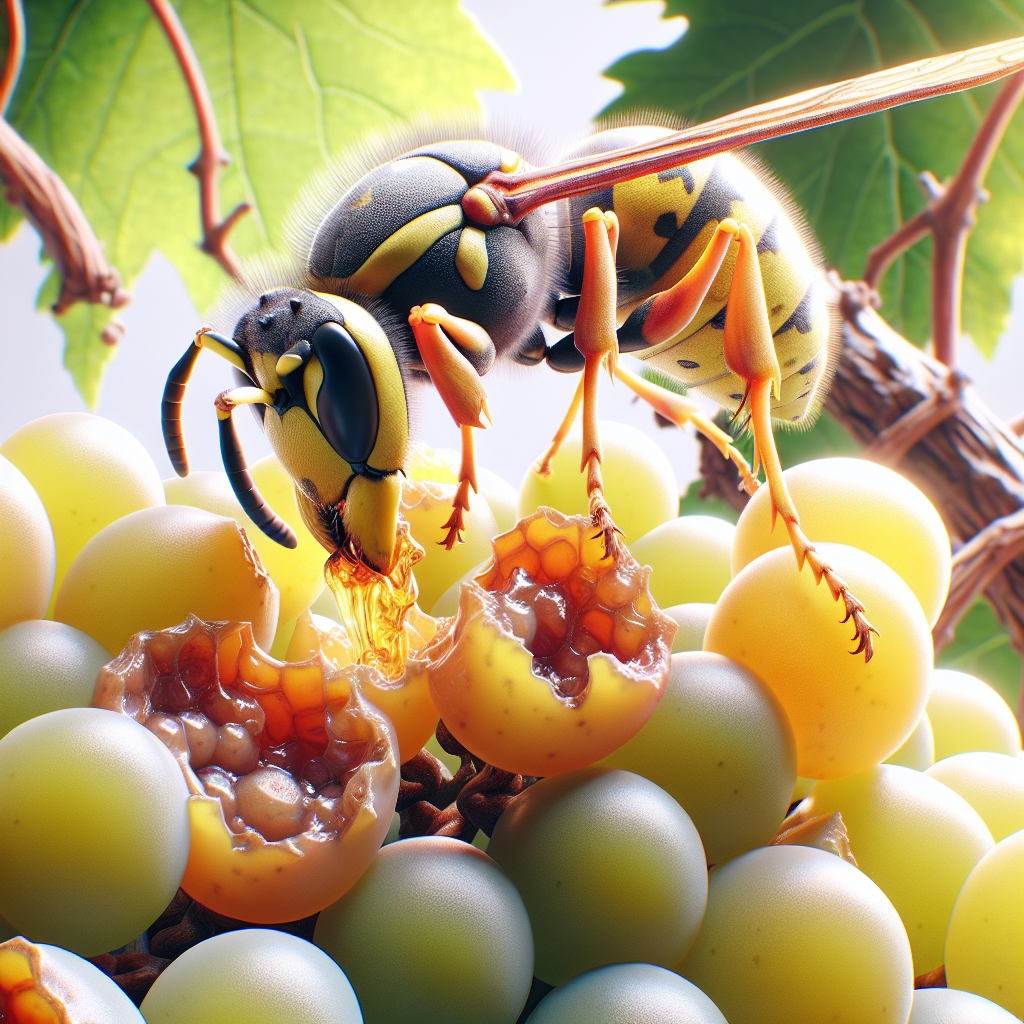
Wasps
Wasps are beneficial pollinators and predators in agriculture but become pests when they damage ripening fruits and vegetables by chewing into them for food and nesting. This guide provides diagnostic symptoms, lifecycle details, organic management strategies, and prevention tips for farmers dealing with wasp infestations in crops. Effective control balances their ecological role with protecting yields in fruit and vegetable production.
View Profile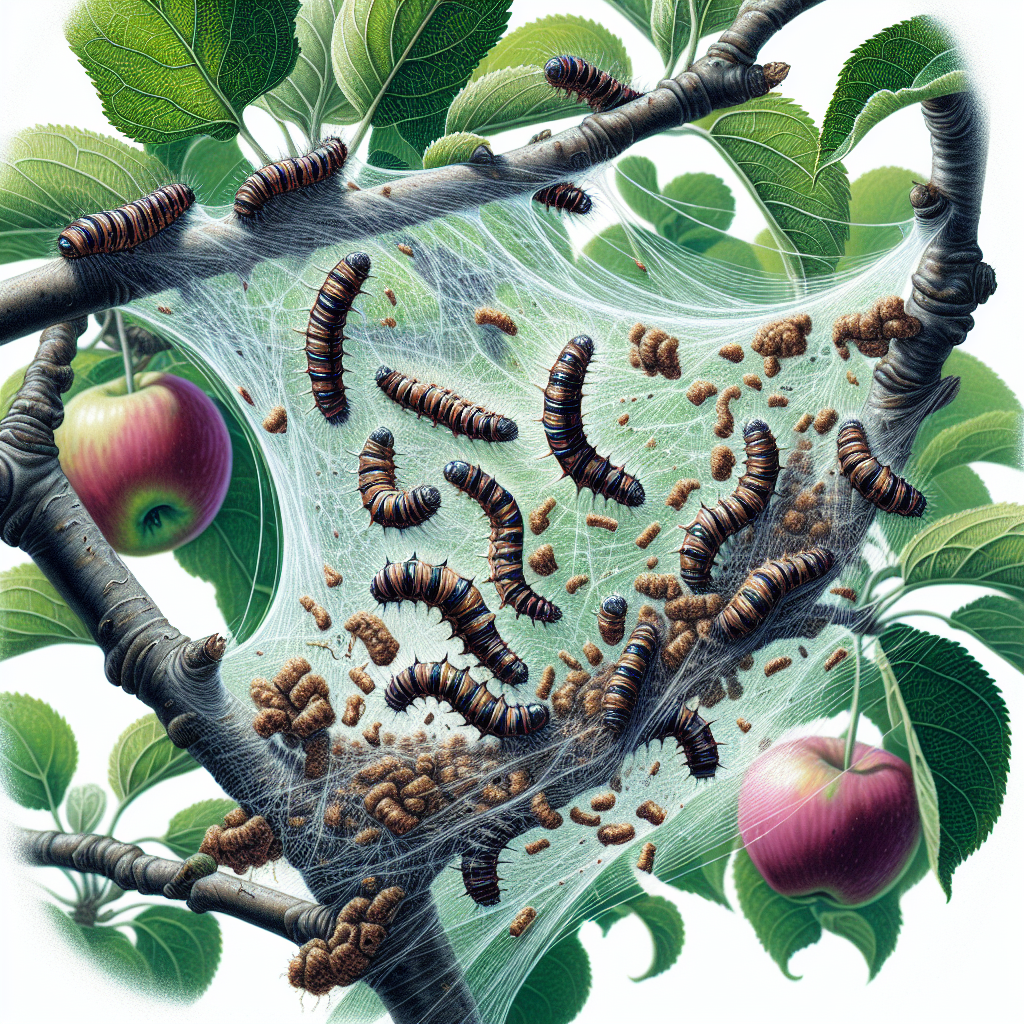
webworms
Webworms are common defoliating caterpillars that create conspicuous silken webs on trees and shrubs, primarily targeting deciduous hardwoods but occasionally affecting fruit and nut crops. These pests can cause significant aesthetic damage and partial defoliation, though rarely kill healthy mature trees. Effective management combines cultural practices, biological controls, and targeted organic treatments for sustainable control.
View Profile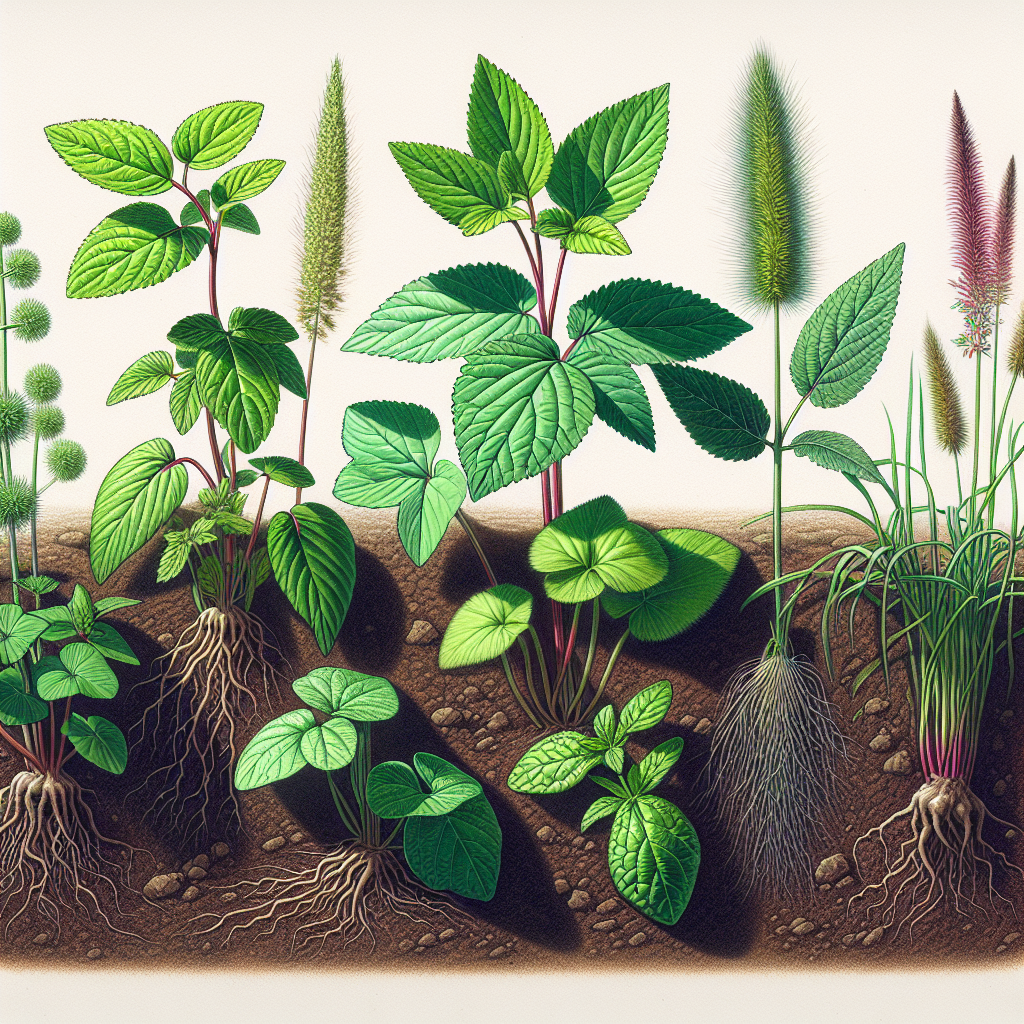
Weeds
Weeds are unwanted plants that compete with crops for essential resources like water, nutrients, and sunlight, significantly reducing agricultural yields worldwide. This comprehensive guide covers identification, lifecycle, environmental factors, organic management strategies, prevention techniques, and the crops most vulnerable to weed infestations. Implementing integrated weed management can minimize losses and promote sustainable farming practices.
View Profile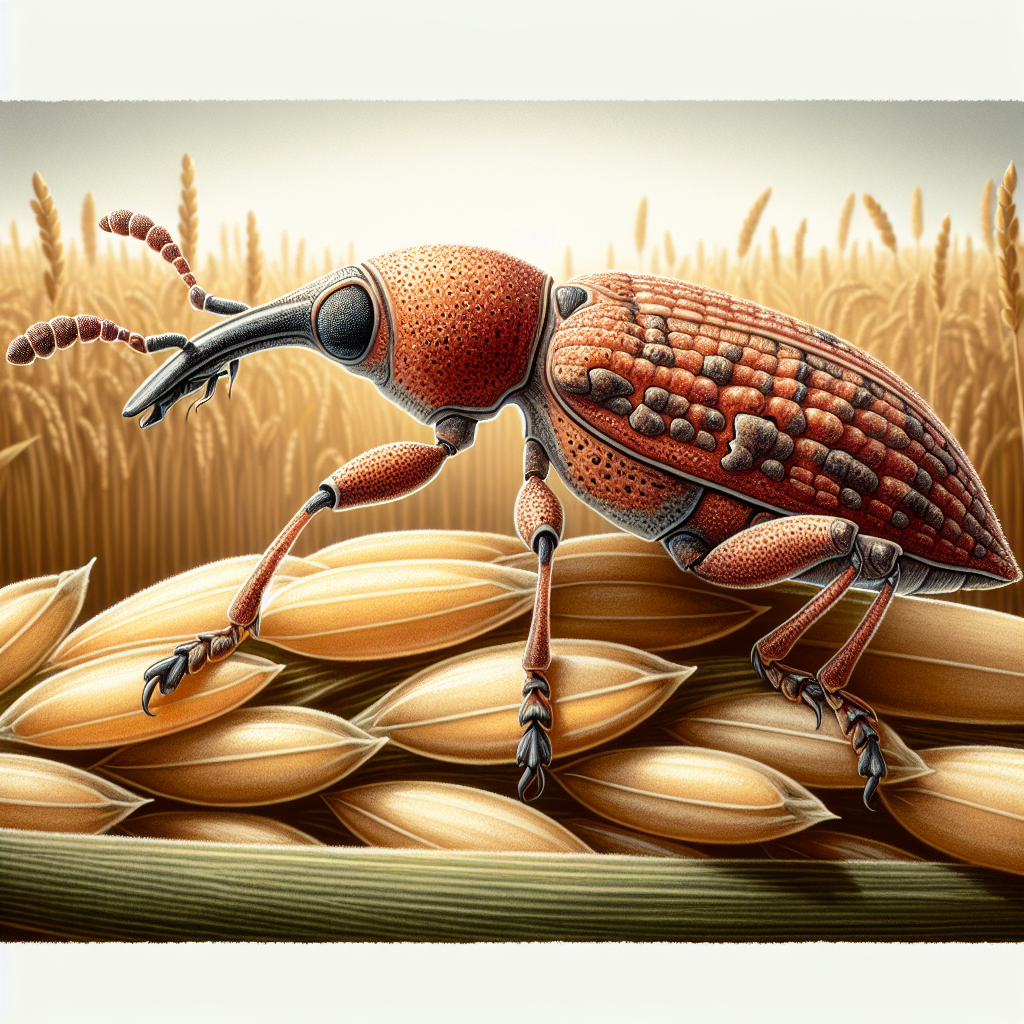
weevils
Weevils are small beetles notorious for boring into seeds, grains, fruits, and roots, causing significant damage to crops worldwide. This guide provides comprehensive diagnostics, lifecycle insights, organic management strategies, and prevention tips for farmers and gardeners. Protect your harvest with proven, practical agricultural techniques tailored to common weevil infestations.
View Profile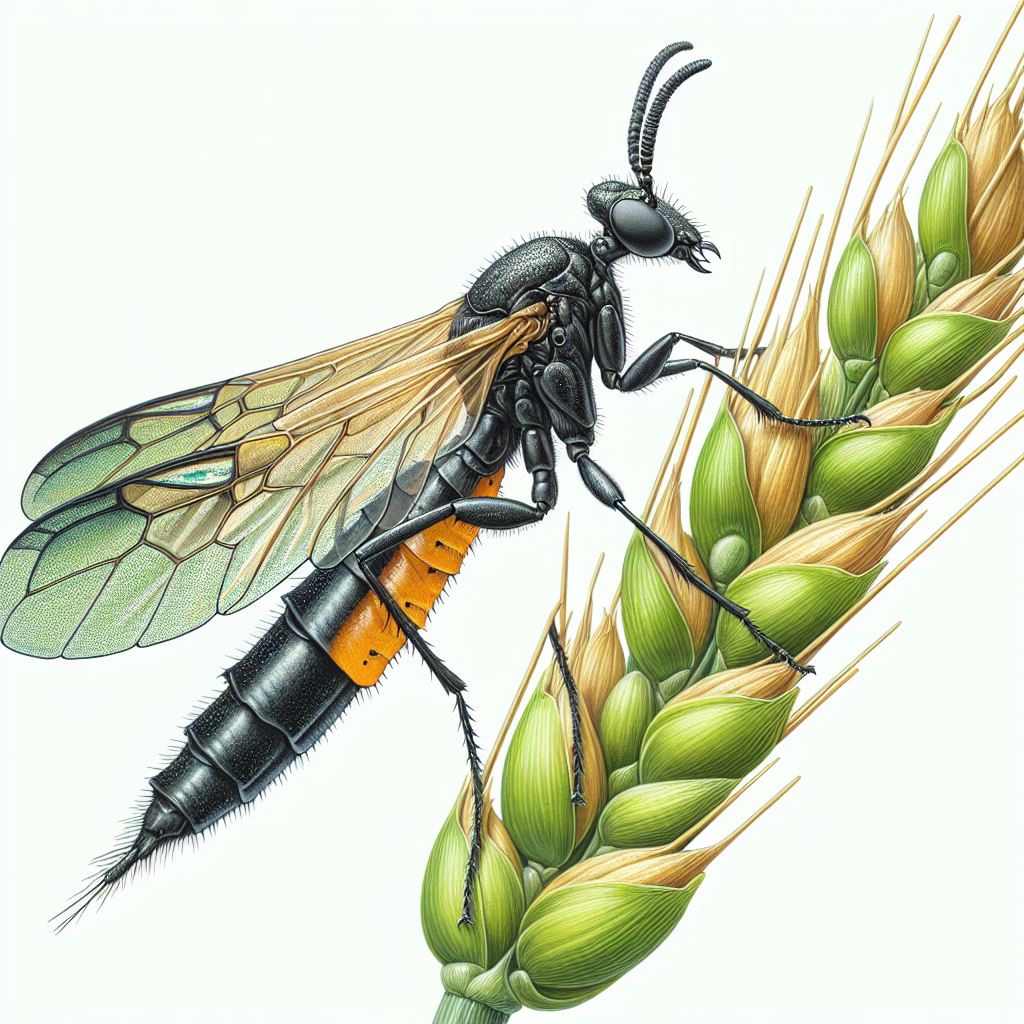
Wheat stem sawfly
The wheat stem sawfly (Cephus cinctus) is a destructive pest primarily targeting wheat crops in North America, boring into stems and causing lodging that leads to significant yield losses. This guide provides comprehensive diagnostics, lifecycle details, organic management strategies, and prevention tips for farmers battling this stem-boring insect. Effective control hinges on understanding its biology and implementing resistant varieties and cultural practices.
View Profile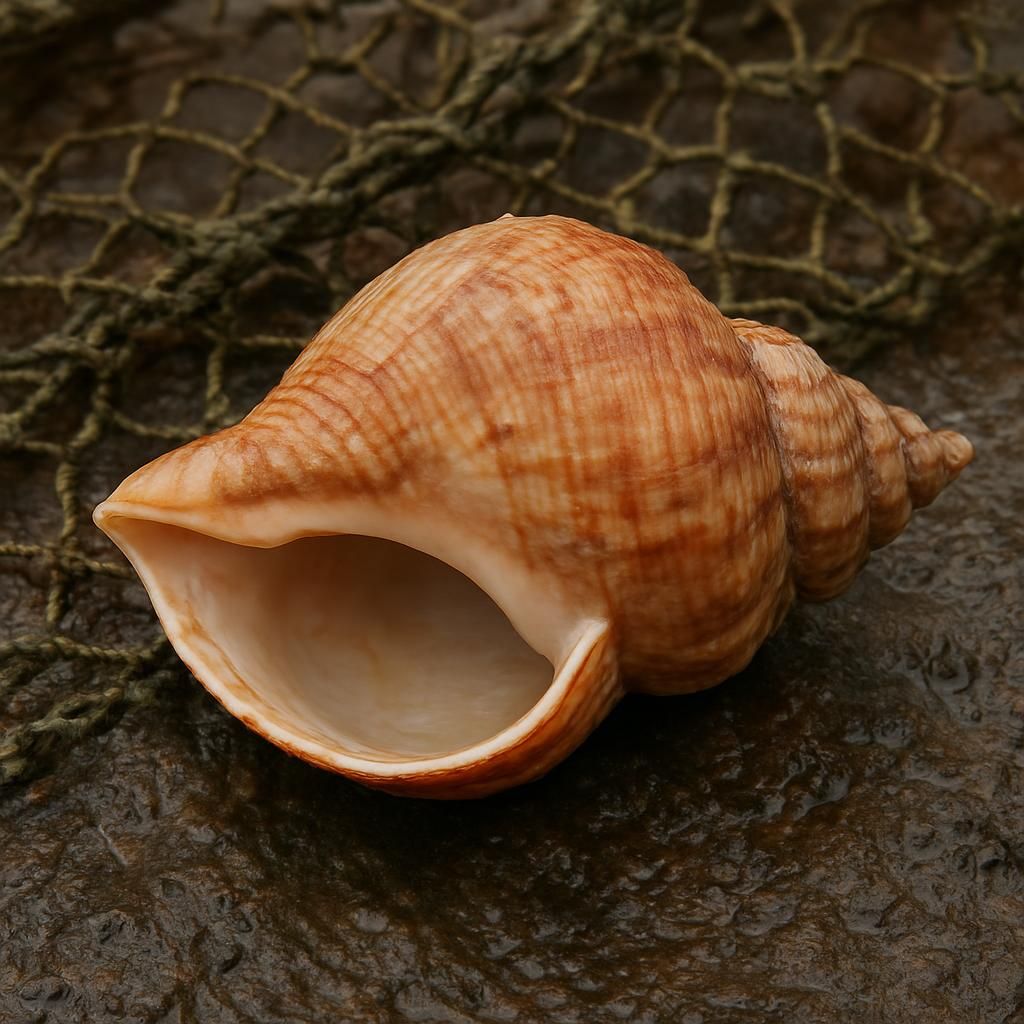
whelks
Whelks are large predatory marine snails that occasionally impact coastal and estuarine agriculture through predation on shellfish beds and damage to aquaculture infrastructure. While primarily marine, their presence near tidal farms and coastal crops can lead to indirect economic losses through equipment fouling and competition for resources.
View Profile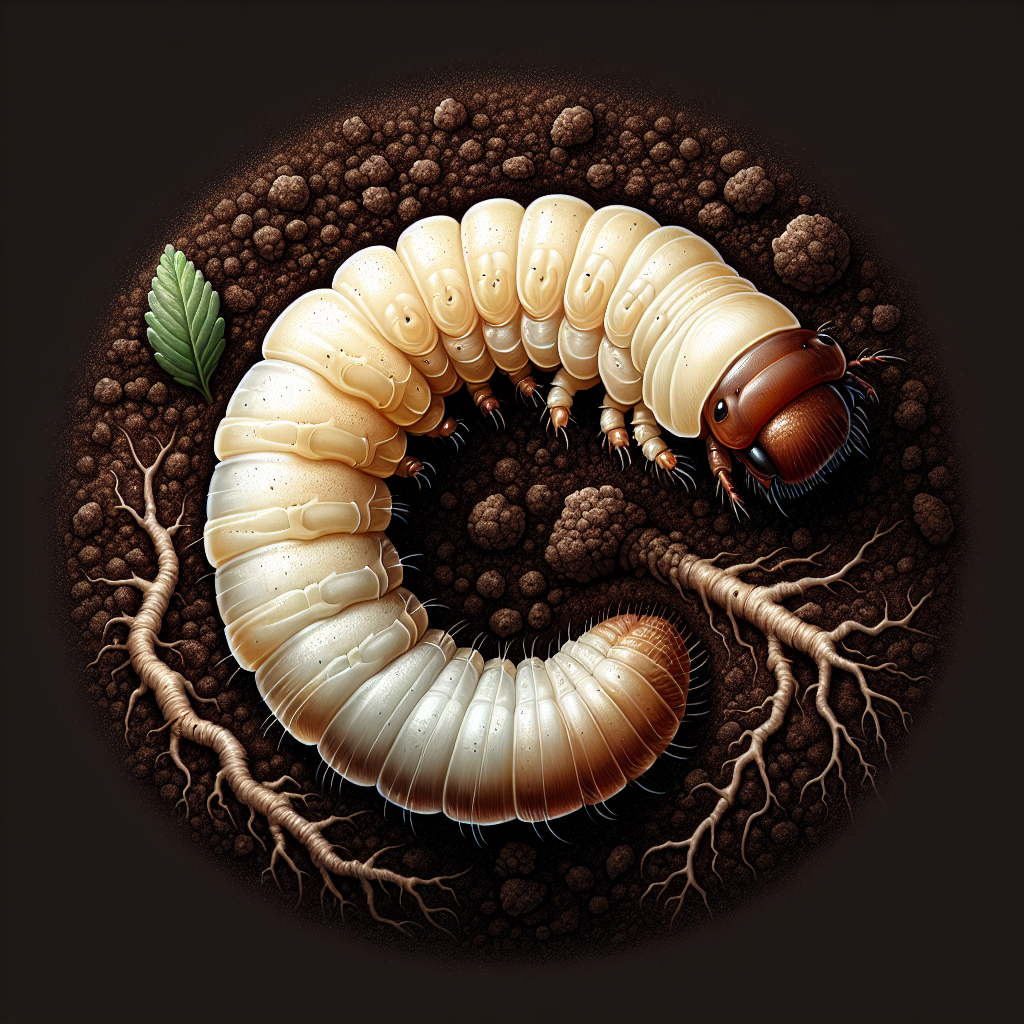
White grubs
White grubs are the C-shaped larvae of scarab beetles that feed on plant roots, causing widespread damage in lawns, turf, and agricultural fields. This guide provides comprehensive diagnostics, lifecycle insights, organic management strategies, and prevention tips for effective control. Farmers and gardeners can protect crops like corn, potatoes, and turfgrass using integrated approaches.
View Profile