Encyclopedia
Definitive guides for crops, pests, and agricultural diseases.

Starlings
Starlings (Sturnus vulgaris) are highly invasive birds that cause significant agricultural damage by consuming fruits, grains, and seeds in large flocks. These adaptable pests quickly overwhelm crops, leading to substantial yield losses for farmers worldwide. Effective management combines exclusion, deterrence, and habitat modification for sustainable control.
View Profile
stem and bulb nematodes
Stem and bulb nematodes are microscopic worms that attack the stems, bulbs, and roots of numerous crops, causing severe swelling, distortion, and plant death. Highly persistent in soil and infested plant material, they thrive in cool, moist conditions and are challenging to eradicate without integrated management. This guide provides diagnostic symptoms, lifecycle details, organic controls, and prevention strategies for effective management.
View Profile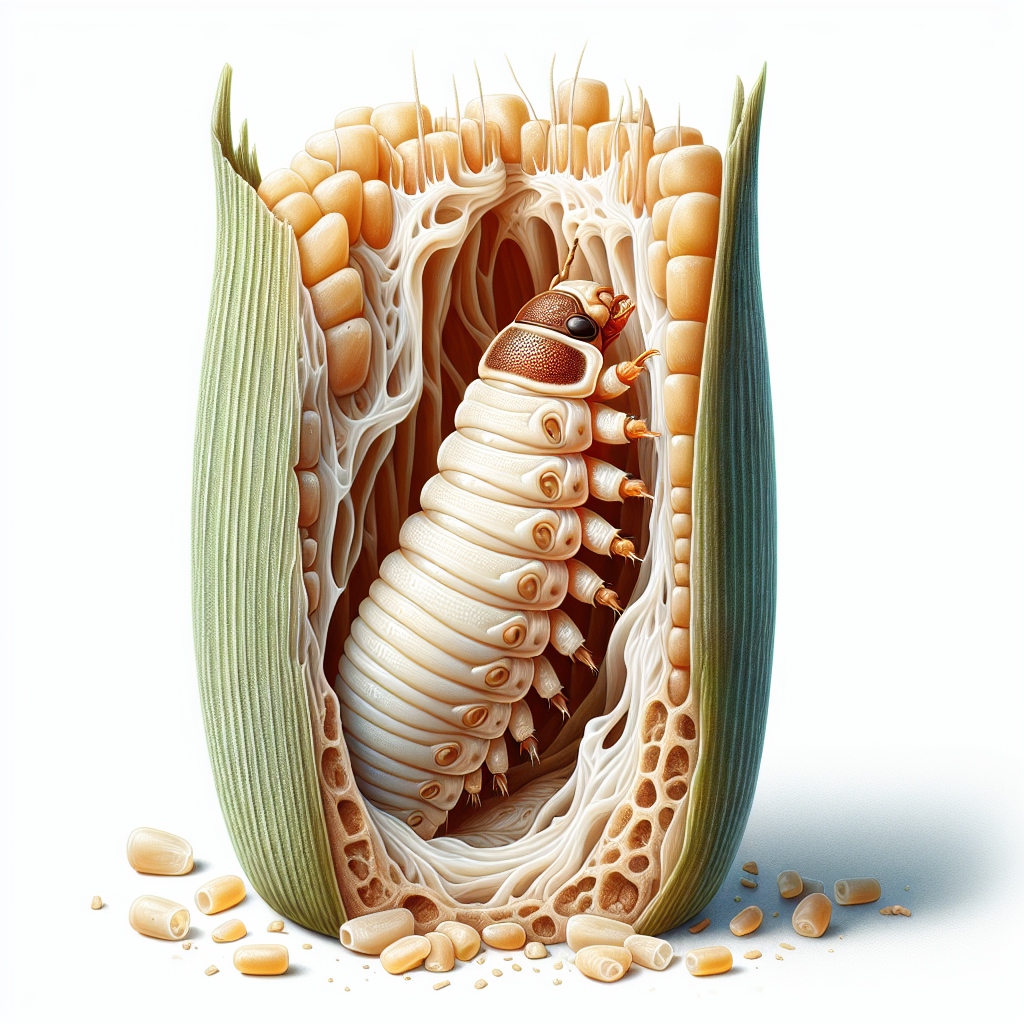
Stem and Root Borers
Stem and root borers are destructive insect pests that tunnel into plant stems and roots, causing structural weakening, nutrient blockage, and significant yield losses in staple crops. These borers affect a wide range of agricultural plants, particularly cereals and sugarcane, by disrupting vascular tissues and promoting secondary infections. Effective management combines cultural practices, biological controls, and vigilant monitoring for sustainable crop protection.
View Profile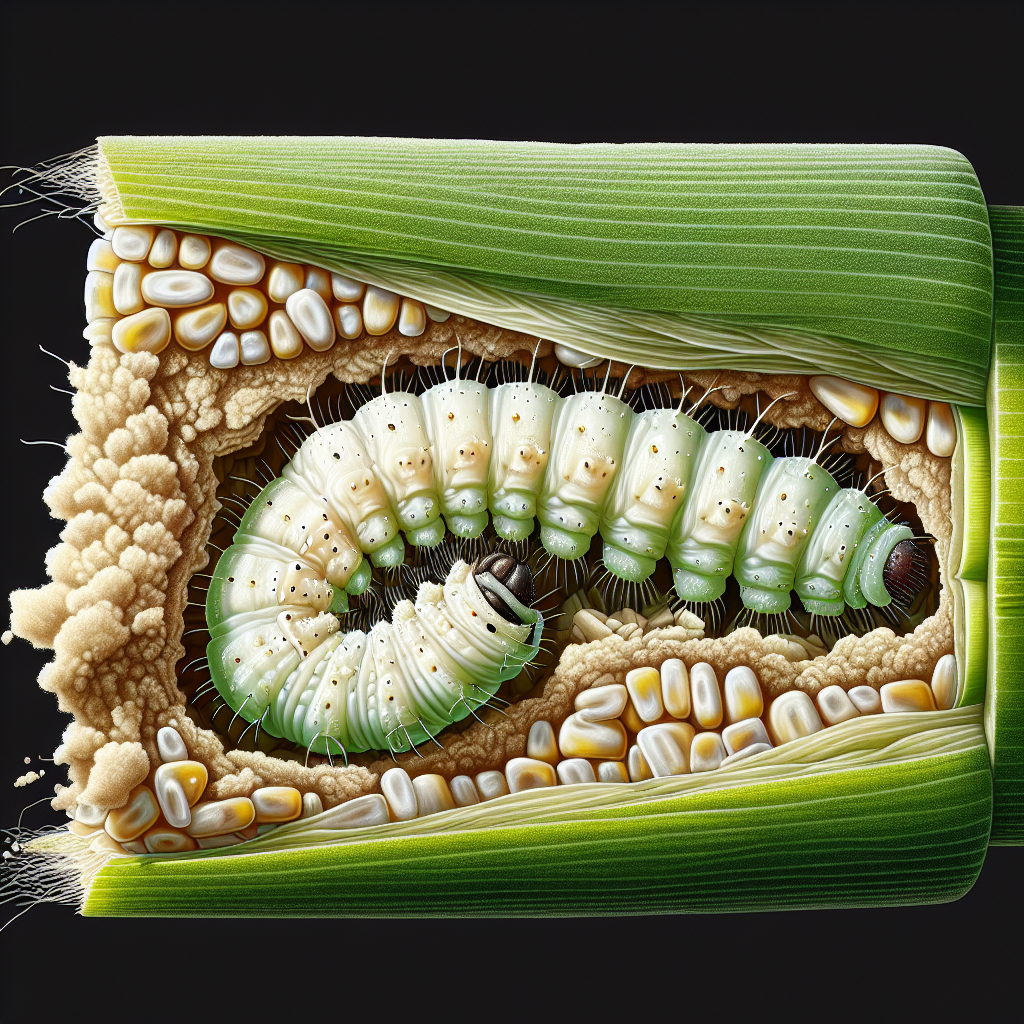
Stem borers
Stem borers are destructive moth larvae that tunnel into plant stems, causing wilting, lodging, and significant yield losses in staple crops like rice, corn, and sugarcane. This guide provides comprehensive diagnostics, organic management strategies, and prevention tactics for farmers battling these hidden invaders. Early detection and integrated approaches can protect harvests effectively.
View Profile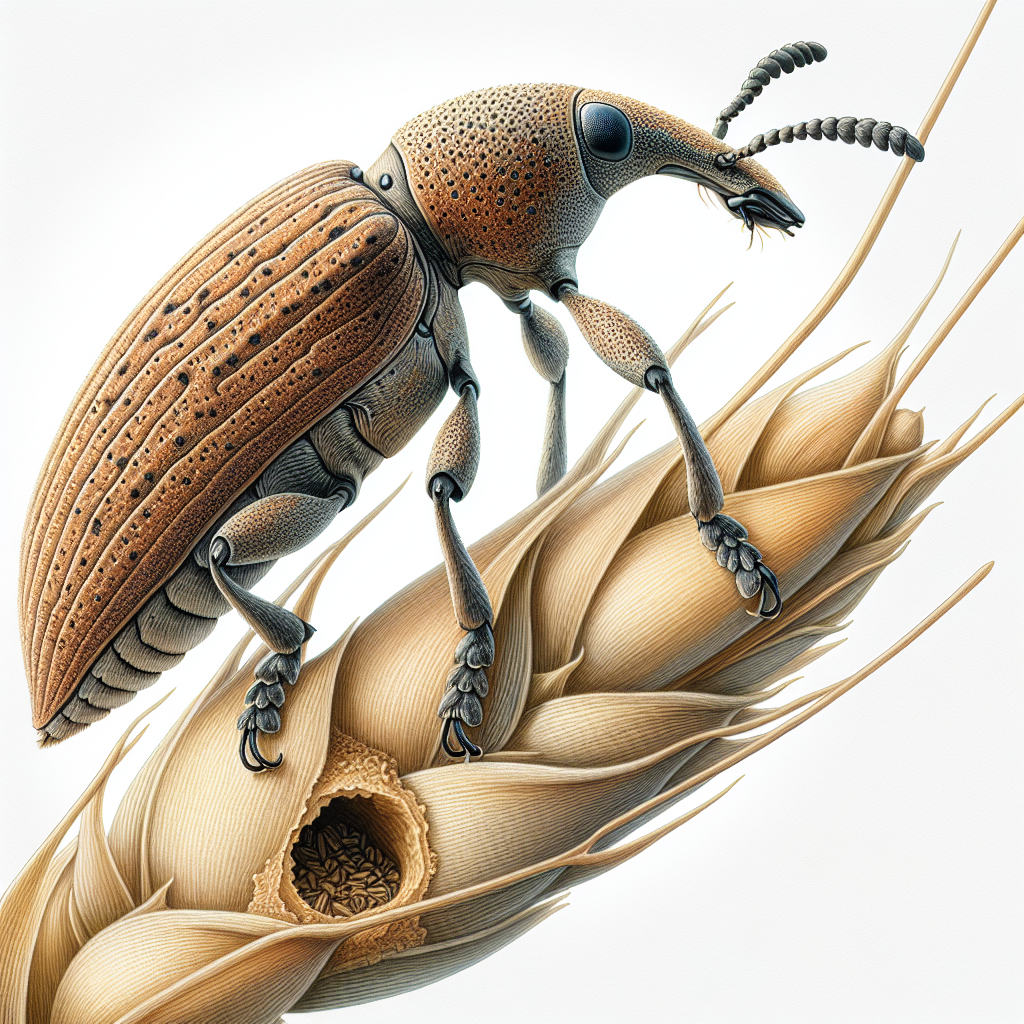
stem weevils
Stem weevils are destructive beetles that bore into plant stems, causing lodging, reduced yields, and plant death in cereals, legumes, and grasses. This guide provides comprehensive diagnostics, lifecycle insights, organic management strategies, and prevention tactics for farmers facing infestations. Protect your crops with proven, practical agricultural techniques.
View Profile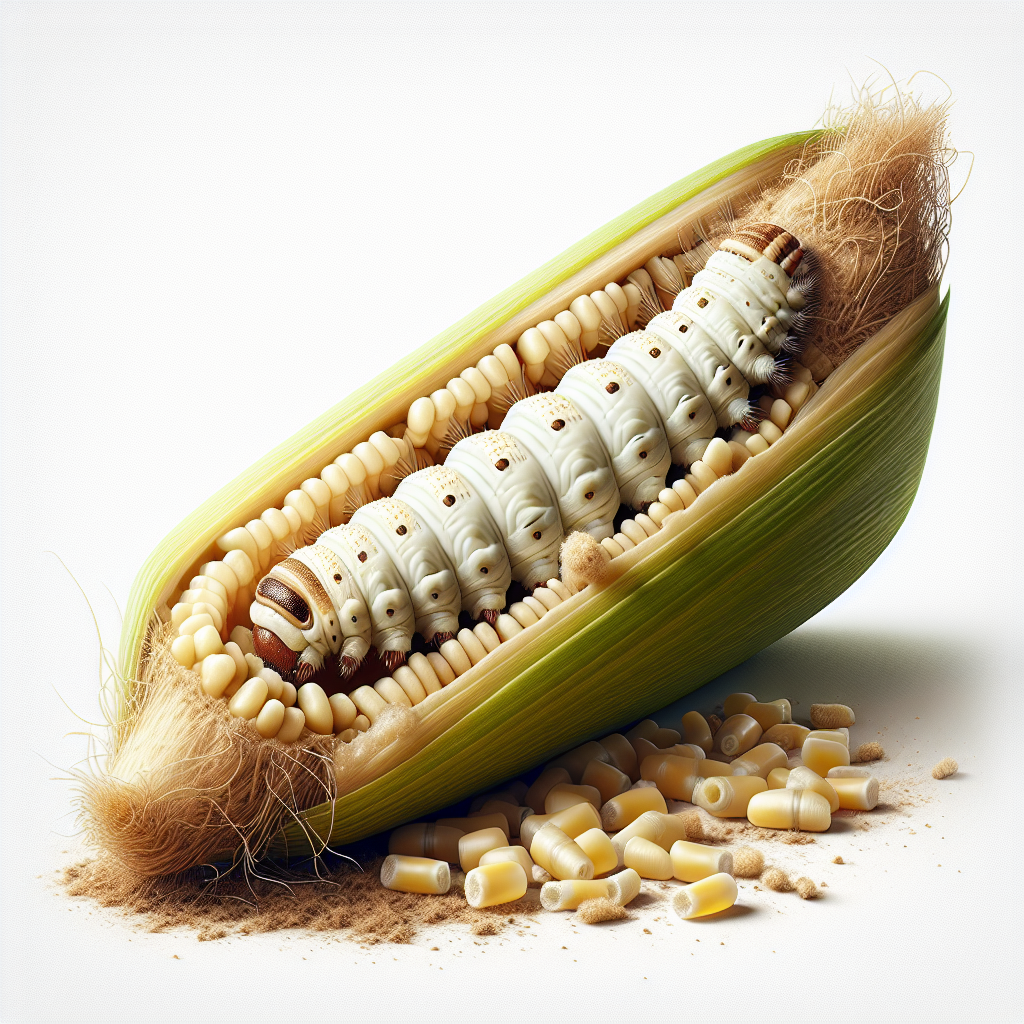
stem-boring pests
Stem-boring pests are destructive insects that tunnel into plant stems, causing structural weakening, reduced yields, and plant death. Common in cereals, sugarcane, and maize, they include moths, beetles, and wasps whose larvae feed internally. Effective management combines monitoring, cultural practices, and organic controls for sustainable agriculture.
View Profile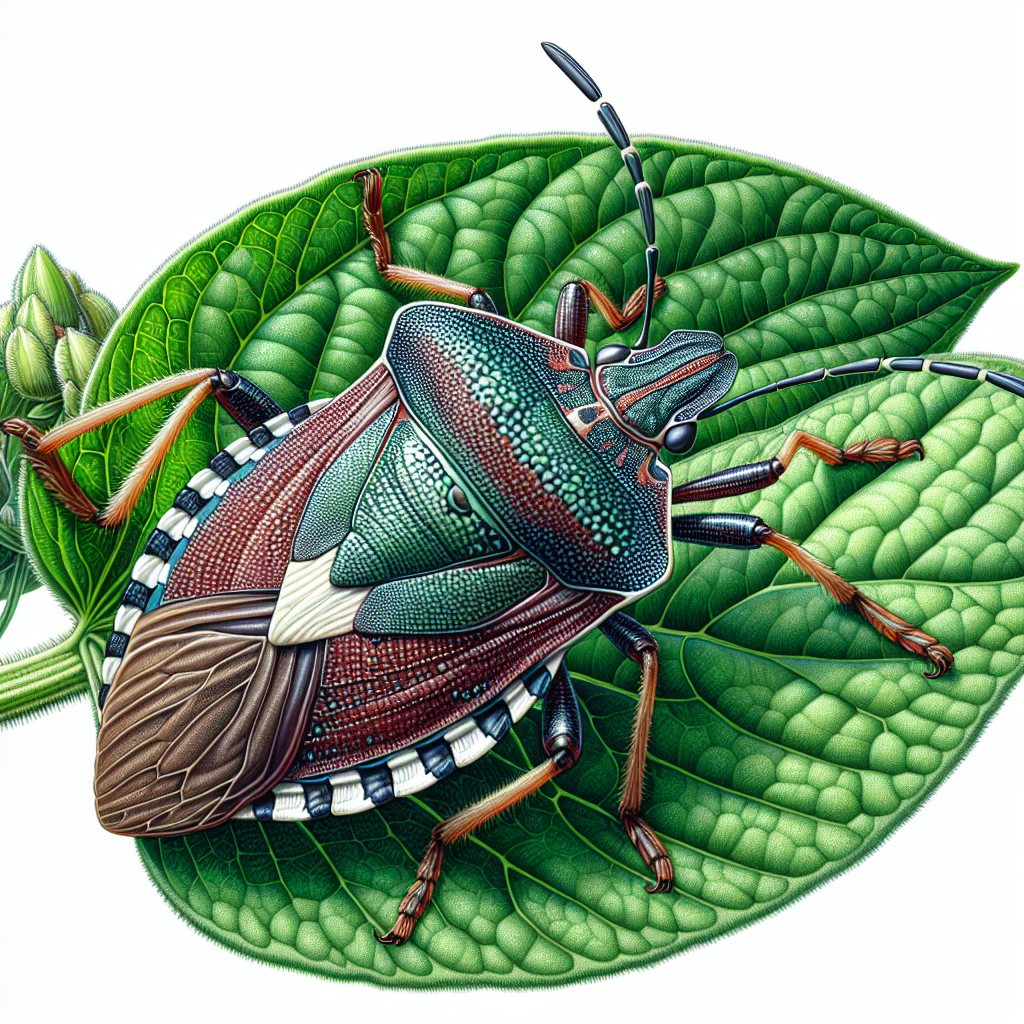
Stink bugs
Stink bugs are shield-shaped pests notorious for their foul odor when disturbed, causing significant damage to crops through piercing-sucking mouthparts that inject toxins and extract plant juices. This guide provides definitive diagnostics, lifecycle insights, organic management strategies, and prevention tips for farmers battling these invasive invaders. Protect your yields with proven, professional agricultural techniques tailored for small farms and commercial operations.
View Profile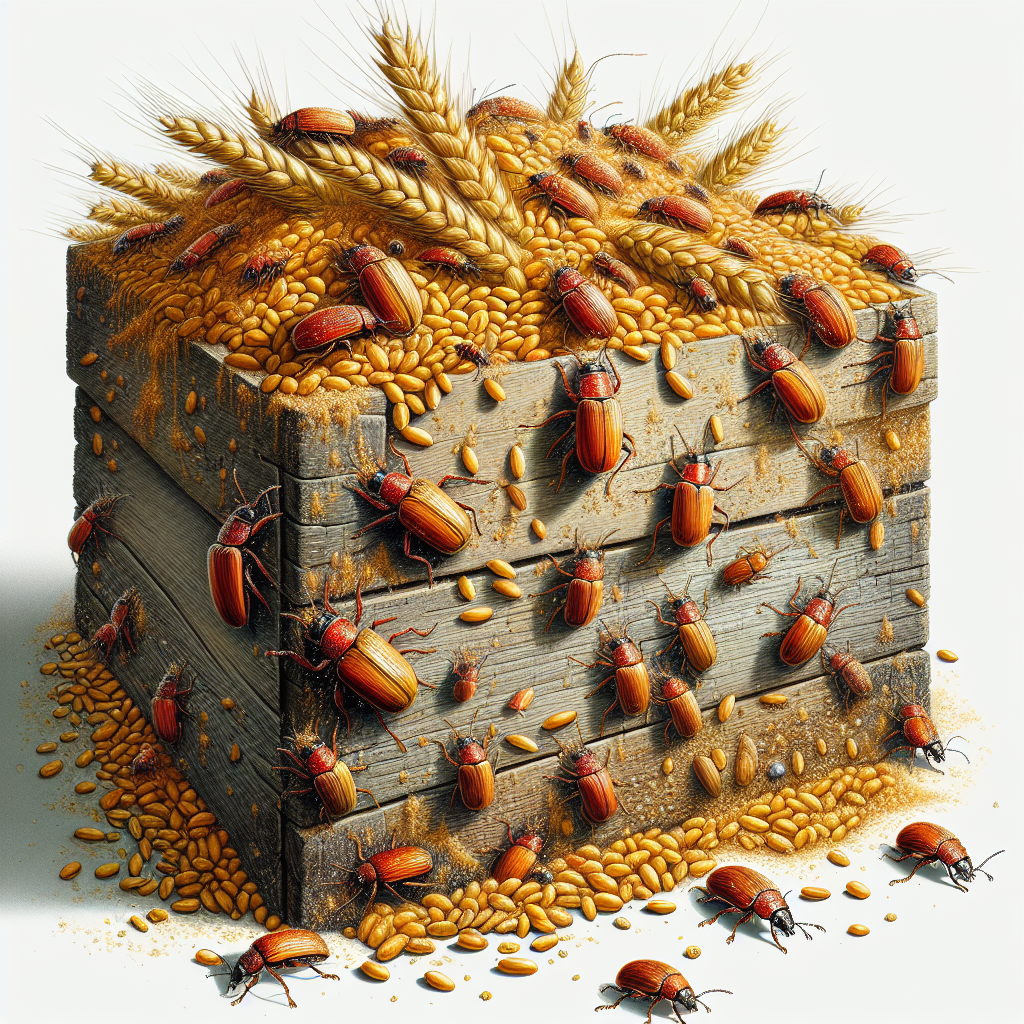
Storage Beetles
Storage beetles are a diverse group of small insects that infest and damage stored grains, seeds, nuts, and dried goods in post-harvest facilities, warehouses, and homes. These pests thrive in warm, humid environments, rapidly multiplying and rendering commodities unsalable through feeding, contamination, and mold promotion. Effective management combines sanitation, monitoring, and targeted organic controls to protect agricultural yields.
View Profile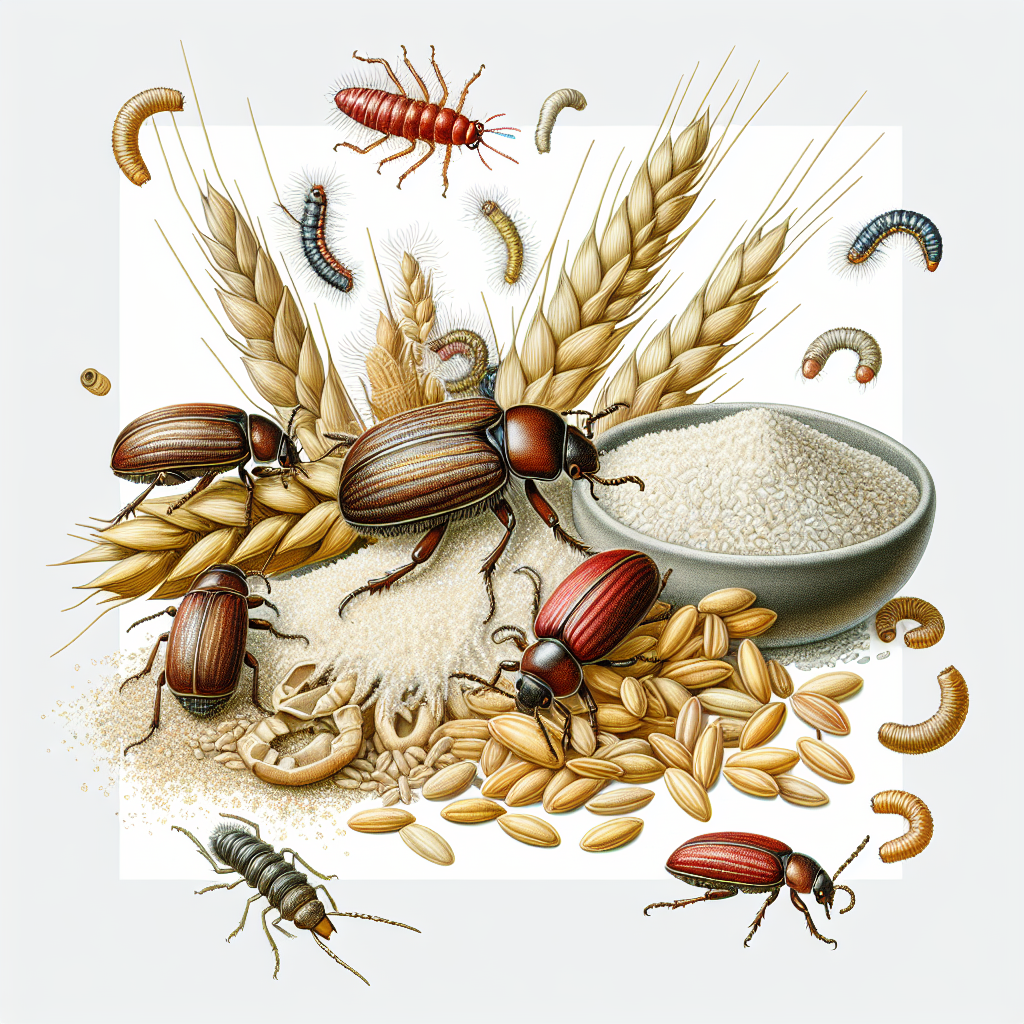
Storage insects
Storage insects are a group of pantry pests including weevils, beetles, and moths that infest and destroy stored grains, seeds, and dry goods. They cause significant economic losses in agriculture by contaminating food products and reducing quality. Effective management combines prevention, monitoring, and organic controls to protect post-harvest crops.
View Profile
striga
Striga, commonly known as witchweed, is a parasitic weed that severely impacts cereal and legume crops across Africa and parts of Asia by attaching to host roots and extracting water and nutrients. It causes stunting, chlorosis, and significant yield losses in staple crops like sorghum, maize, and millet. Effective management combines cultural, mechanical, and chemical practices with long-term prevention strategies.
View Profile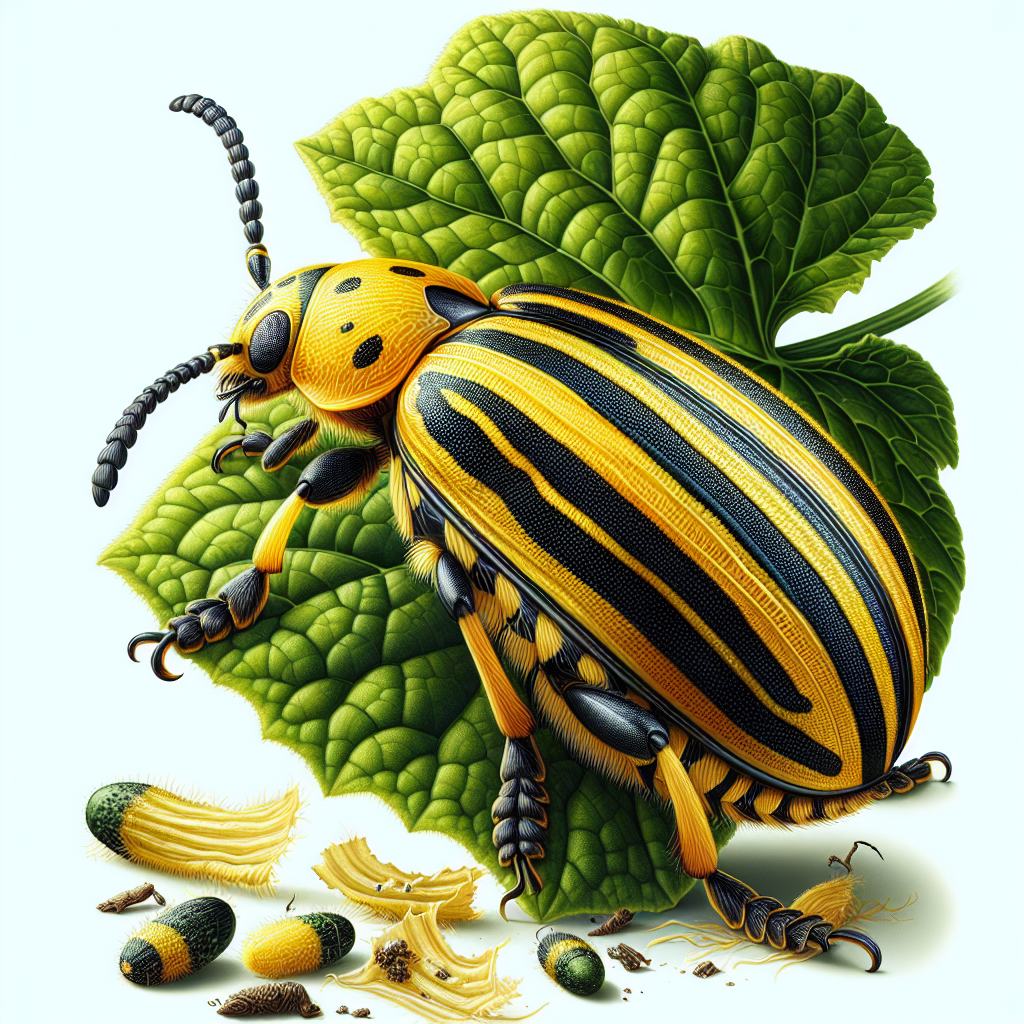
Striped Cucumber Beetle
The striped cucumber beetle (Acalymma vittatum) is a notorious pest of cucurbit crops, causing direct feeding damage to foliage, flowers, and fruits while vectoring bacterial wilt disease. Adults are easily identified by their yellow-black striped elytra, and larvae feed on roots. Effective management combines cultural practices, organic controls, and resistant varieties for sustainable protection.
View Profile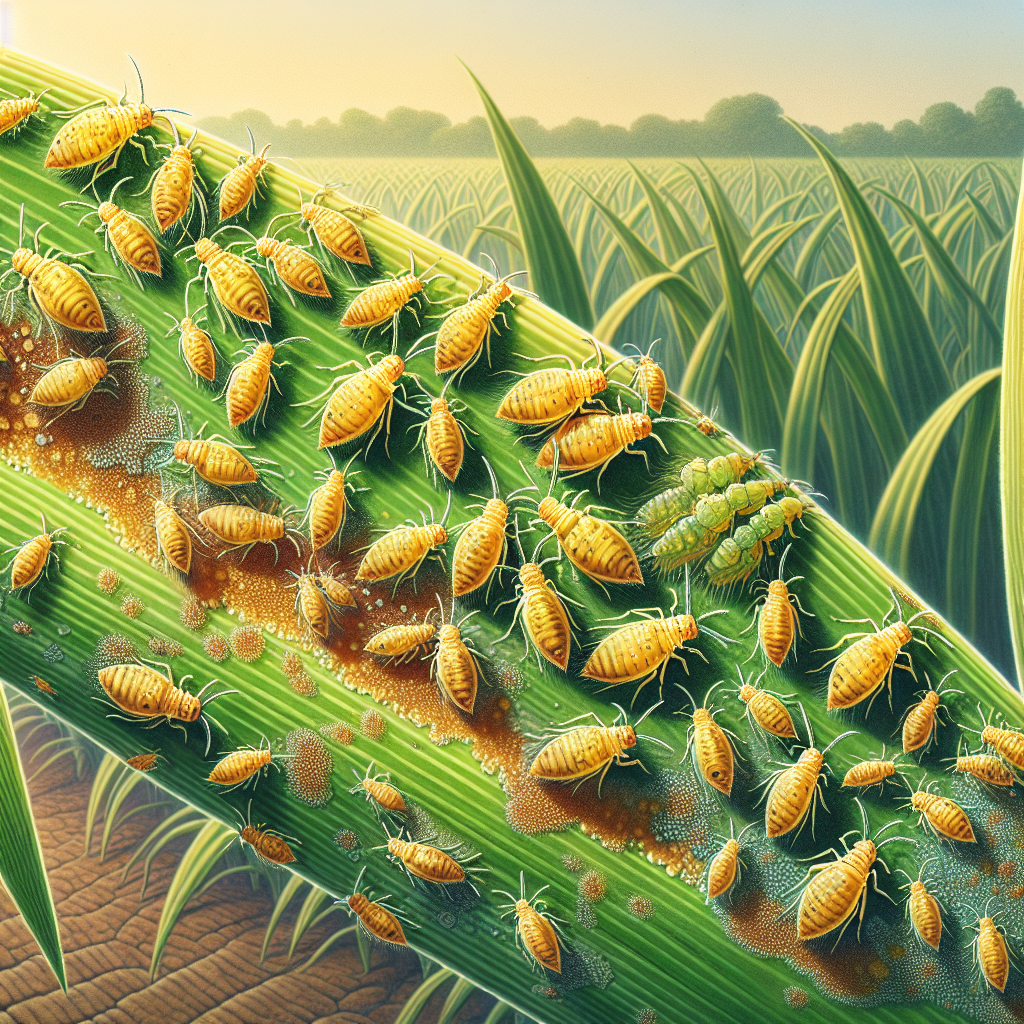
sugarcane aphid
The sugarcane aphid (Melanaphis sacchari) is a small, yellow-orange pest that rapidly colonizes sugarcane and grain crops, sucking sap and excreting honeydew that promotes sooty mold. It causes stunted growth, yellowing leaves, and significant yield losses, particularly in warm climates. Effective management combines resistant varieties, natural predators, and organic treatments for sustainable control.
View Profile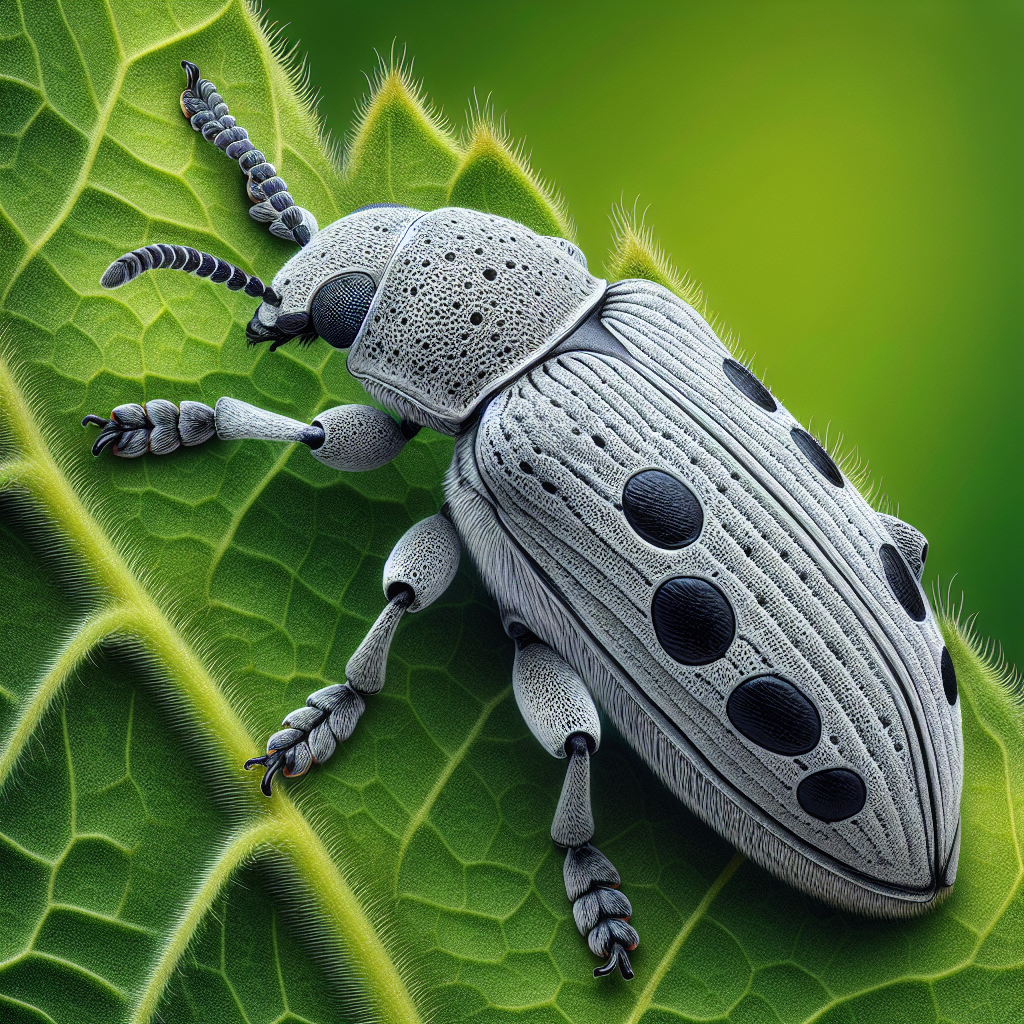
sunflower beetles
Sunflower beetles are significant defoliating pests primarily targeting sunflower crops in North America, with both adults and larvae feeding voraciously on leaves. Effective management combines scouting, economic thresholds, and integrated strategies to minimize yield losses. This guide provides diagnostic, lifecycle, and organic control insights for farmers.
View Profile
Sunflower moth
The sunflower moth (Homoeosoma electellum) is a significant pest of sunflower crops, with larvae boring into developing seeds and causing substantial yield losses. This guide provides comprehensive diagnostics, lifecycle insights, organic management strategies, and prevention tactics for farmers targeting [Sunflower](/wiki/sunflower) production. Effective control hinges on timely scouting and integrated approaches to protect seed quality and maximize harvests.
View Profile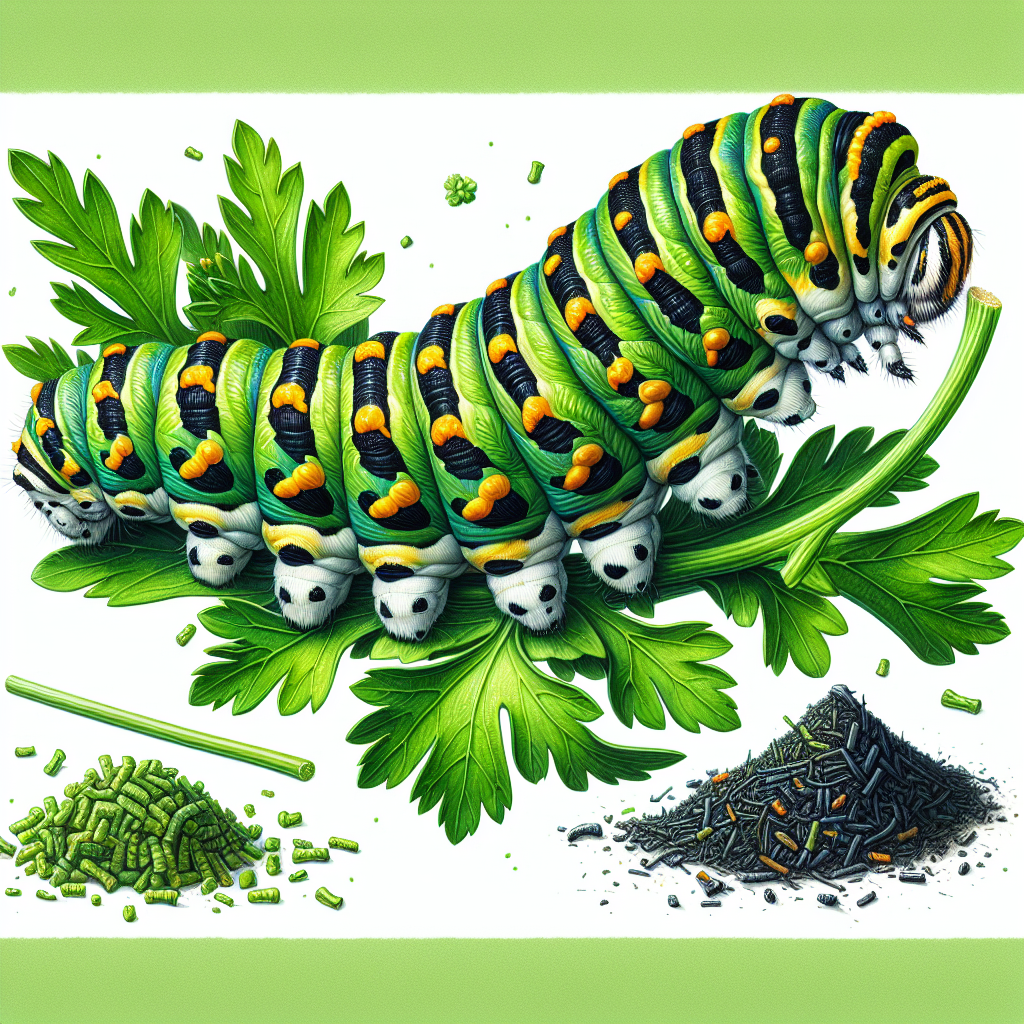
Swallowtail larvae
Swallowtail larvae are colorful caterpillars of swallowtail butterflies that primarily target plants in the Apiaceae and Rutaceae families, defoliating herbs like parsley, dill, fennel, and citrus trees. While often considered beneficial pollinators in their adult form, the larvae can cause significant damage to vegetable gardens and orchards through rapid leaf consumption. This guide provides diagnostic, organic management, and prevention strategies for growers facing infestations.
View Profile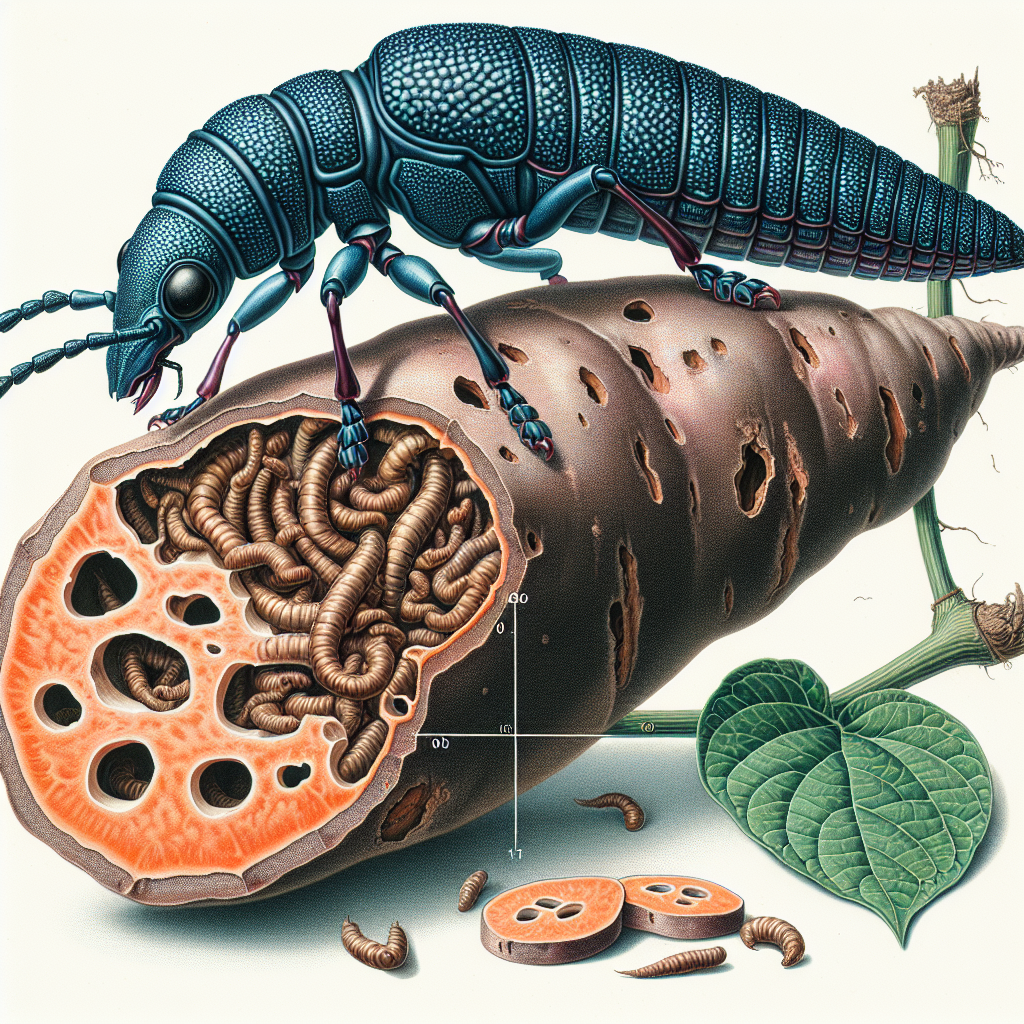
Sweet potato weevil
The sweet potato weevil (Cylas formicarius) is a devastating pest that bores into sweet potato tubers and vines, causing significant yield losses and rendering produce unmarketable. Native to tropical regions, it thrives in warm climates and spreads rapidly through infested planting material. Effective management combines cultural practices, biological controls, and vigilant monitoring for sustainable sweet potato production.
View Profile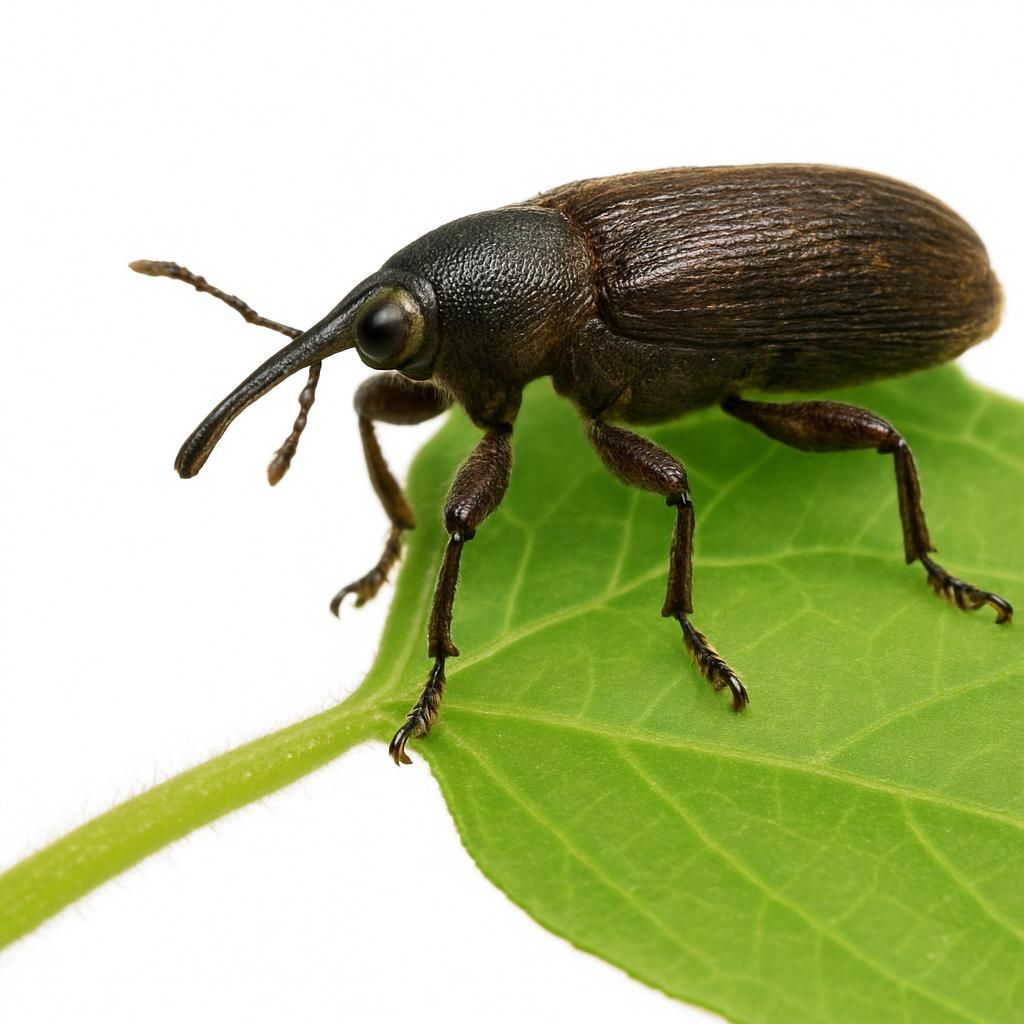
sweet potato weevils
Sweet potato weevils are the most destructive insect pest of sweet potatoes worldwide, causing severe tuber damage through larval tunneling and adult feeding. Early detection and integrated management are critical to prevent total crop loss in affected fields.
View Profile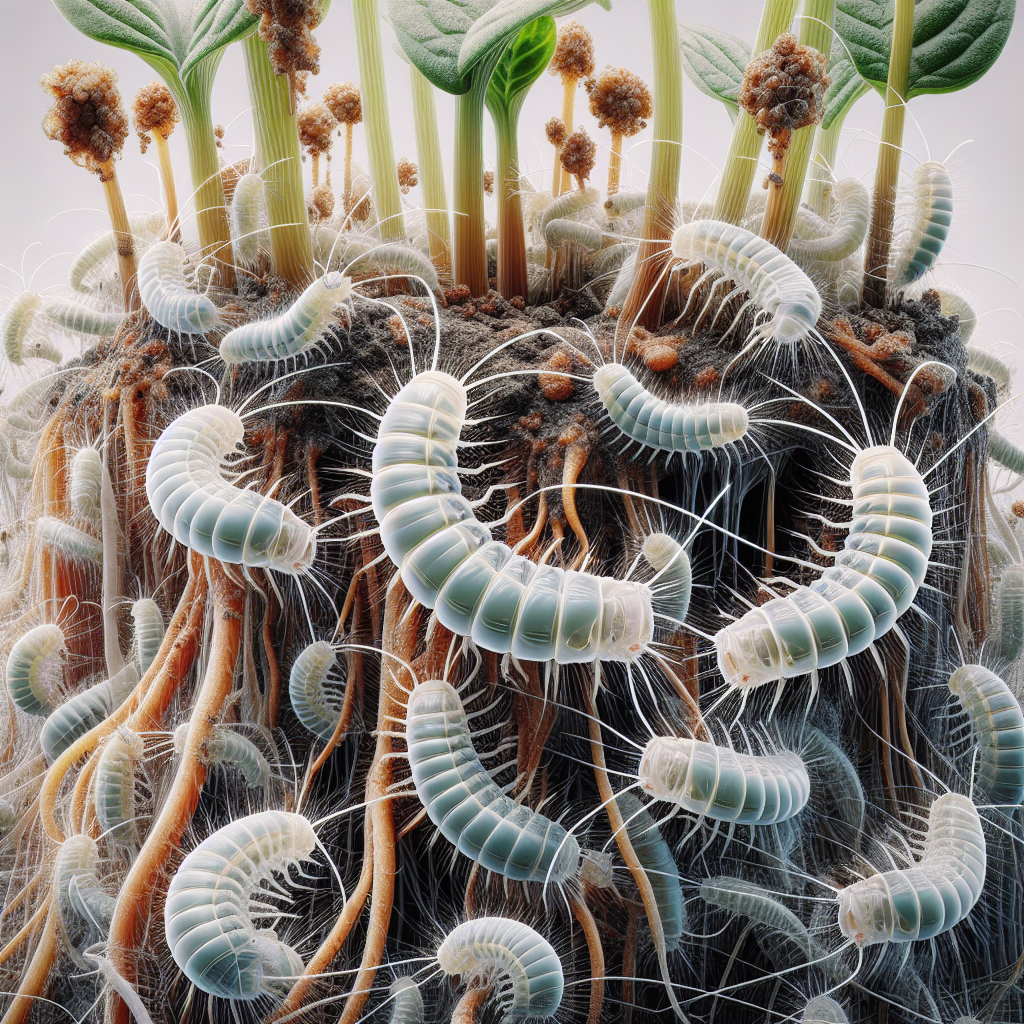
Symphylans
Symphylans are tiny, fast-moving soil-dwelling arthropods that voraciously feed on plant roots, seeds, and organic matter, causing severe damage to seedlings and young crops in moist, organic-rich soils. Often mistaken for centipedes, these pests thrive in greenhouses, nurseries, and high-organic field soils, leading to stunted growth and poor stands. Effective management relies on cultural practices, biological controls, and soil moisture regulation.
View Profile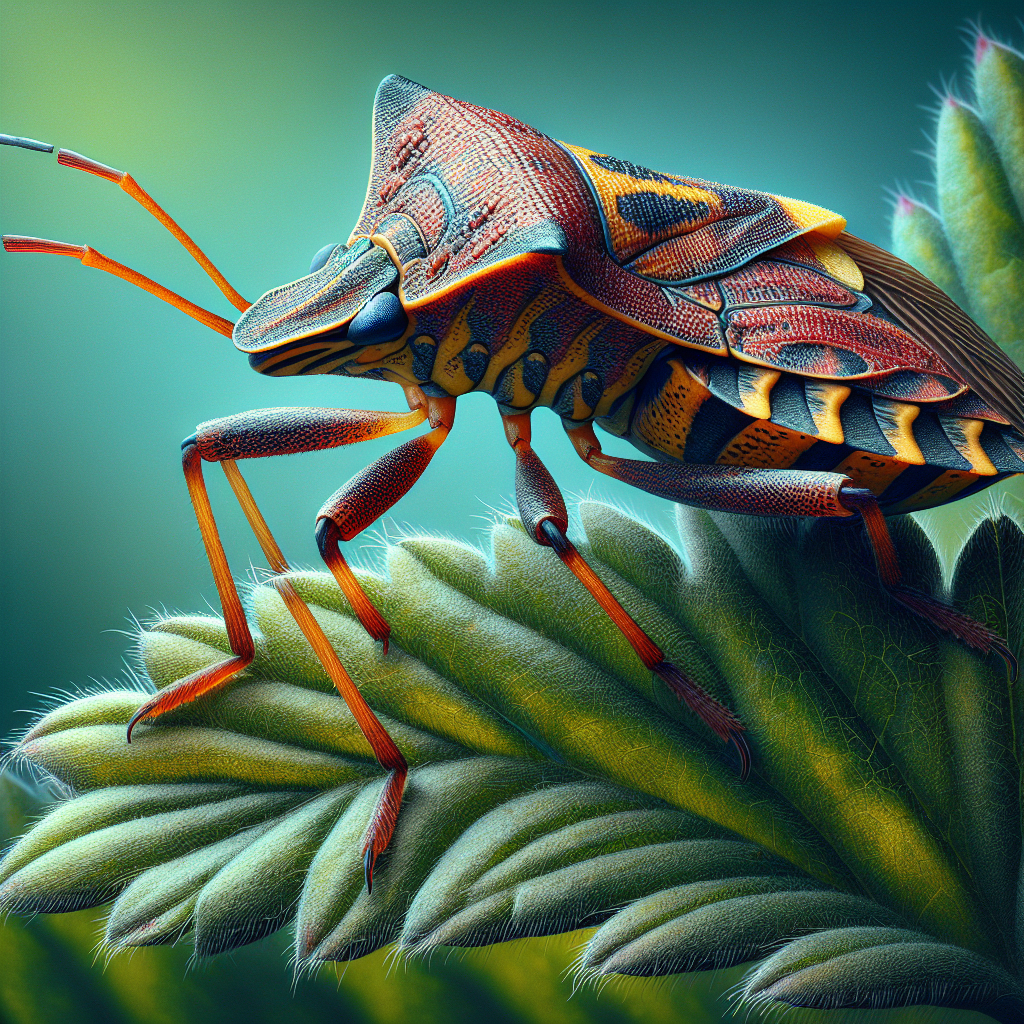
Tarnished plant bugs
Tarnished plant bugs (Lygus spp.) are highly destructive piercing-sucking pests that damage a wide range of crops by feeding on tender tissues, causing distorted growth, blossom drop, and yield losses up to 50%. This guide provides comprehensive diagnostics, organic management strategies, and prevention tactics for farmers targeting fruits, vegetables, and field crops. Effective control requires understanding their lifecycle and implementing integrated approaches for sustainable agriculture.
View Profile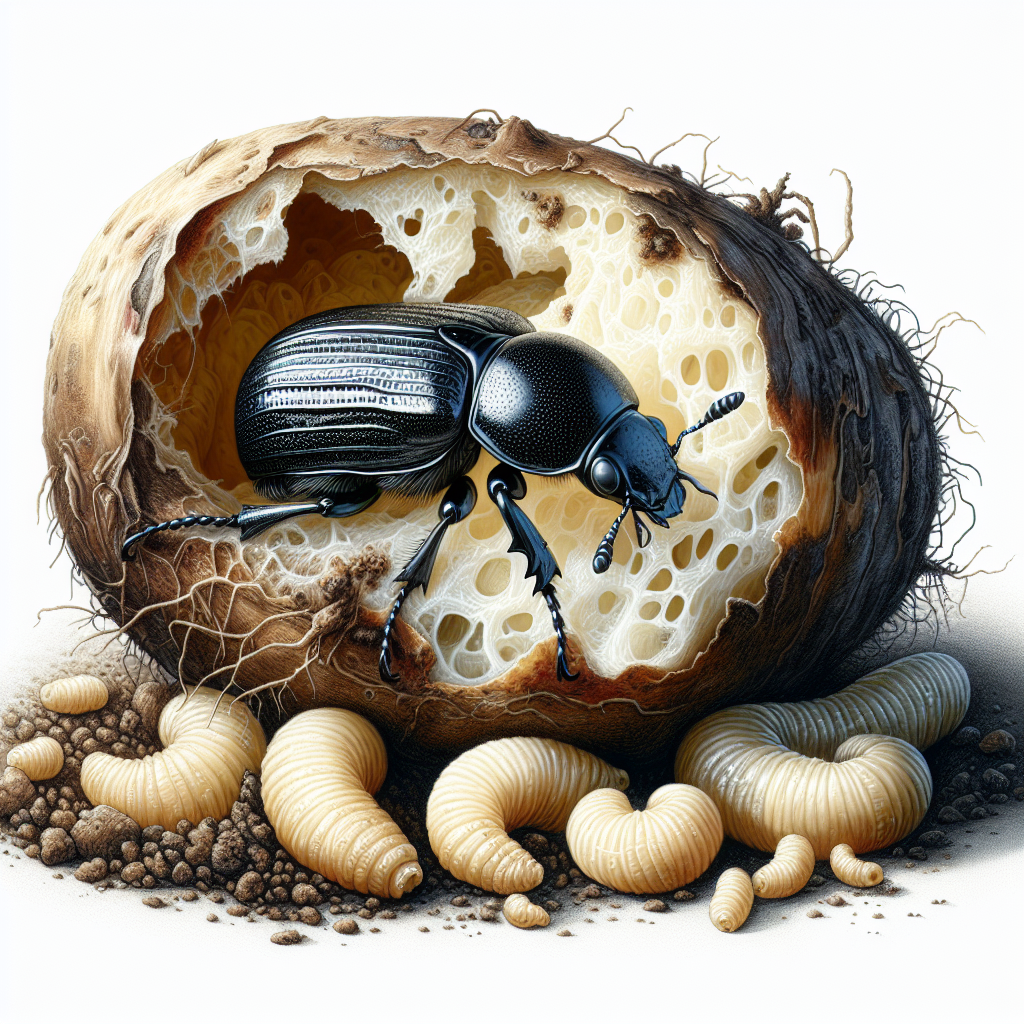
Taro beetles
Taro beetles are destructive pests targeting taro and other aroids, with grubs causing severe root and corm damage leading to plant wilting and crop failure. Native to Southeast Asia and Papua New Guinea, they have spread to Pacific islands, Hawaii, and parts of Africa, thriving in wet tropical conditions. Effective management combines cultural practices, biological controls, and targeted organic treatments for sustainable control.
View Profile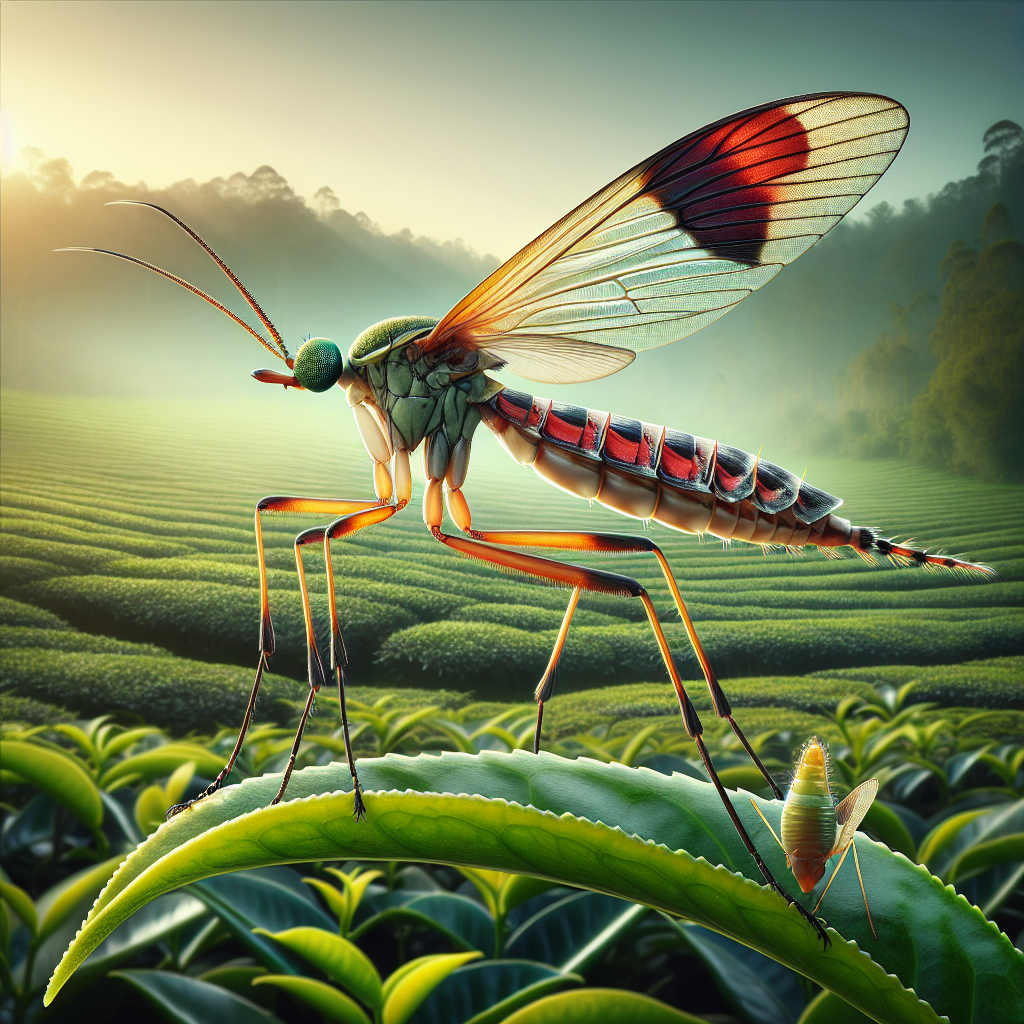
Tea Mosquito Bug
The Tea Mosquito Bug (Helopeltis theivora) is a notorious sucking pest that severely impacts tea plantations by feeding on tender leaves, buds, and shoots, causing necrotic spots and significant yield losses. This guide provides comprehensive diagnostics, lifecycle insights, organic management strategies, and prevention tactics for tea growers. Effective control combines cultural practices, biological agents, and timely monitoring to protect [Tea (crop)](/wiki/tea) crops.
View Profile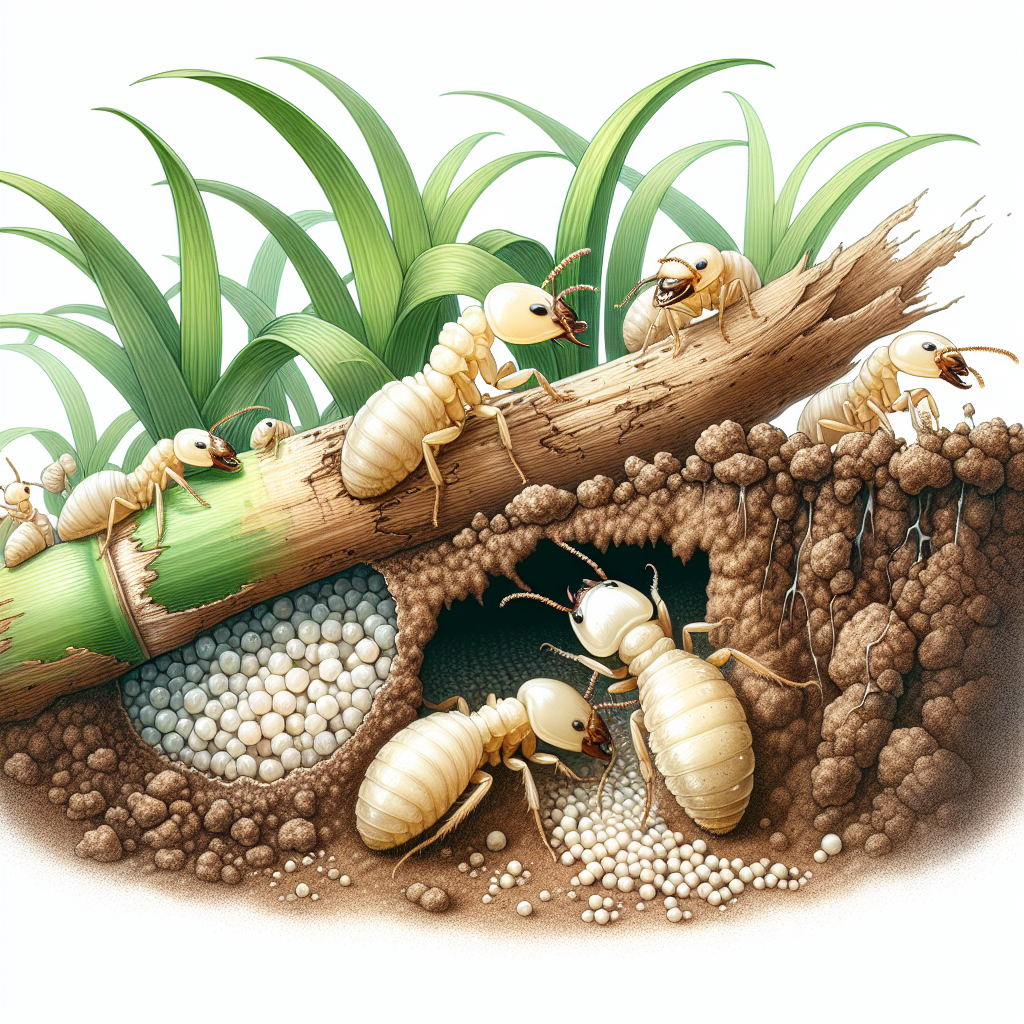
Termites
Termites are wood-eating insects that cause extensive damage to agricultural crops and structures by tunneling into roots, stems, and wood. This guide provides farmers with diagnostic symptoms, lifecycle details, organic management strategies, and prevention tips. Effective control combines cultural practices, biological agents, and monitoring to protect high-risk crops like sugarcane and cassava.
View Profile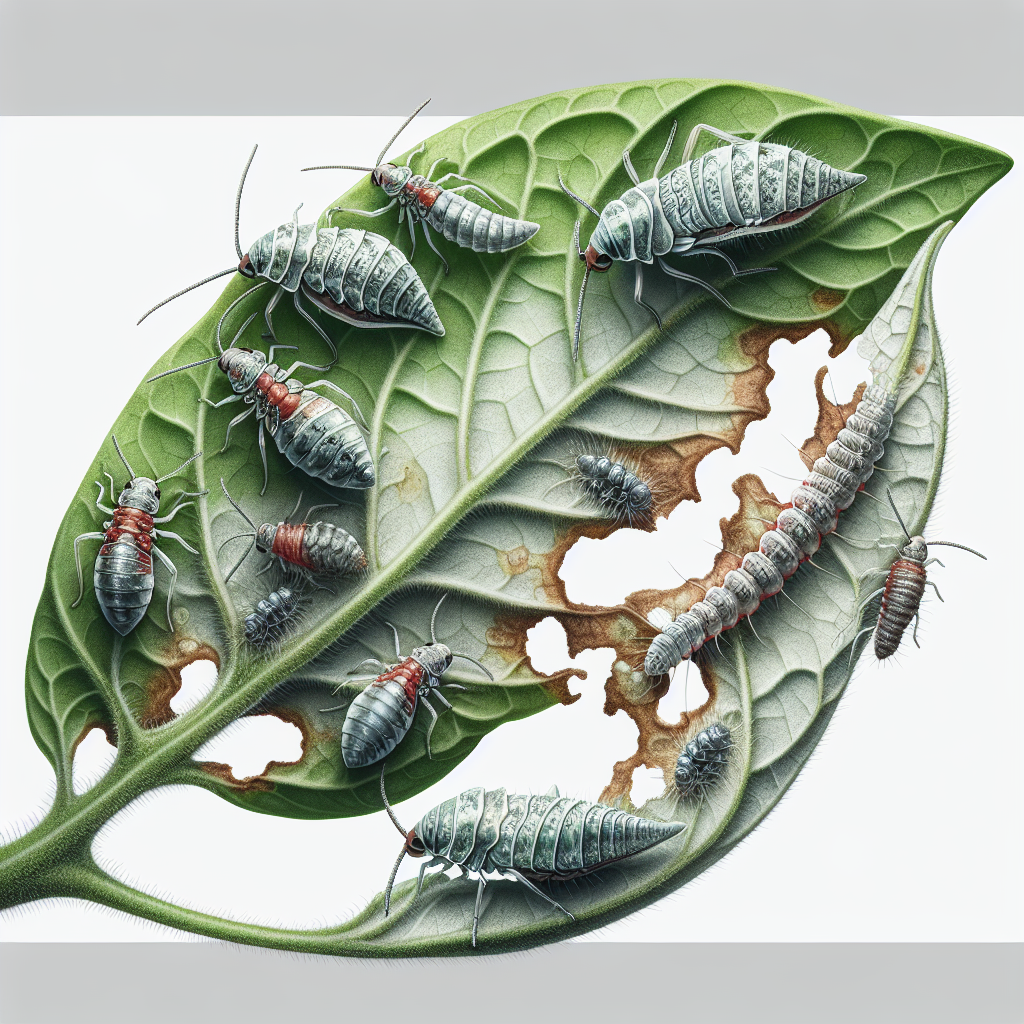
Thrips
Thrips are tiny, slender insects that damage crops by rasping plant tissues and sucking sap, causing silvering, distortion, and reduced yields. They are prolific breeders with multiple generations per season, thriving in warm, dry conditions. Effective management combines monitoring, organic controls like predatory insects, and cultural practices for prevention.
View Profile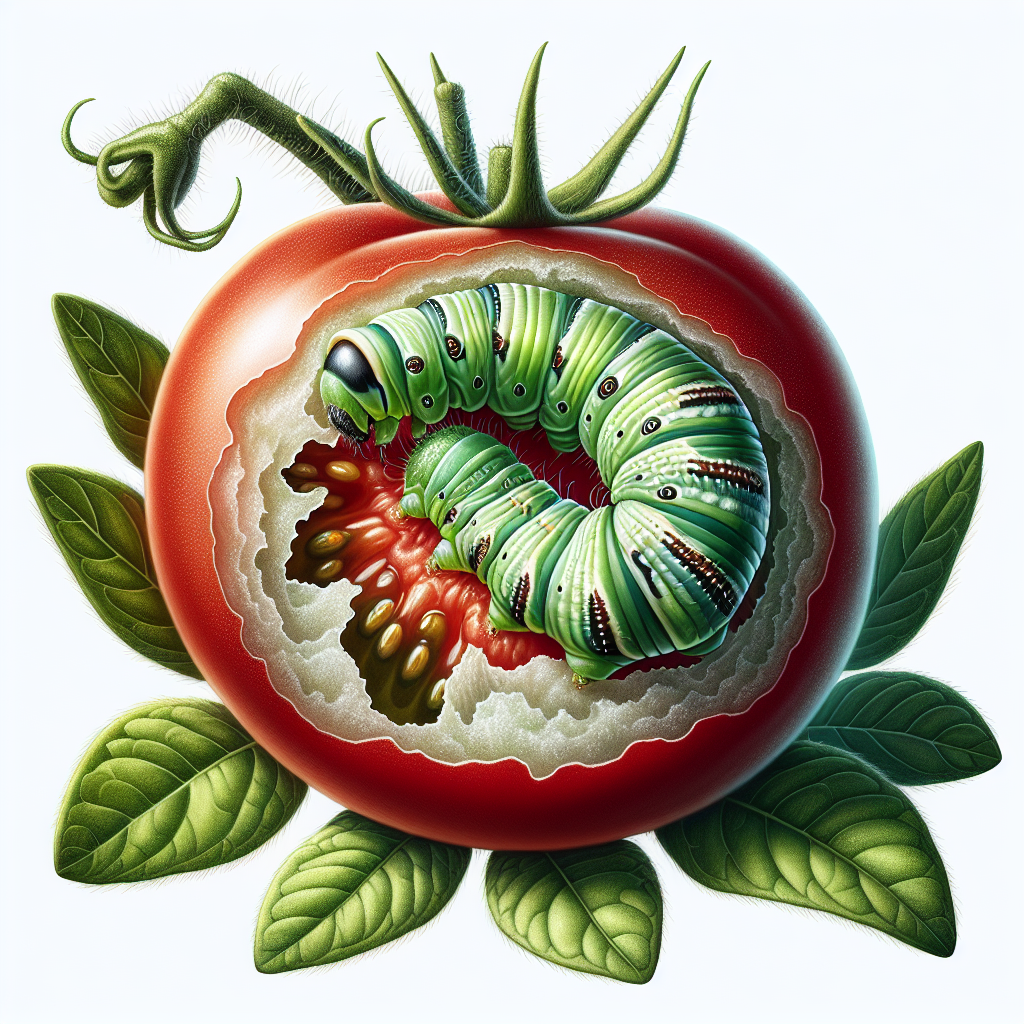
Tomato Fruitworms
Tomato fruitworms, primarily Helicoverpa zea (corn earworm) and Helicoverpa armigera, are devastating lepidopteran pests that bore into tomato fruits, causing extensive damage and rendering produce unmarketable. These moths lay eggs on foliage and fruits, with larvae feeding internally, leading to rapid crop losses in warm-season crops. Effective integrated pest management combining monitoring, biological controls, and cultural practices is essential for sustainable control.
View Profile