Encyclopedia
Definitive guides for crops, pests, and agricultural diseases.
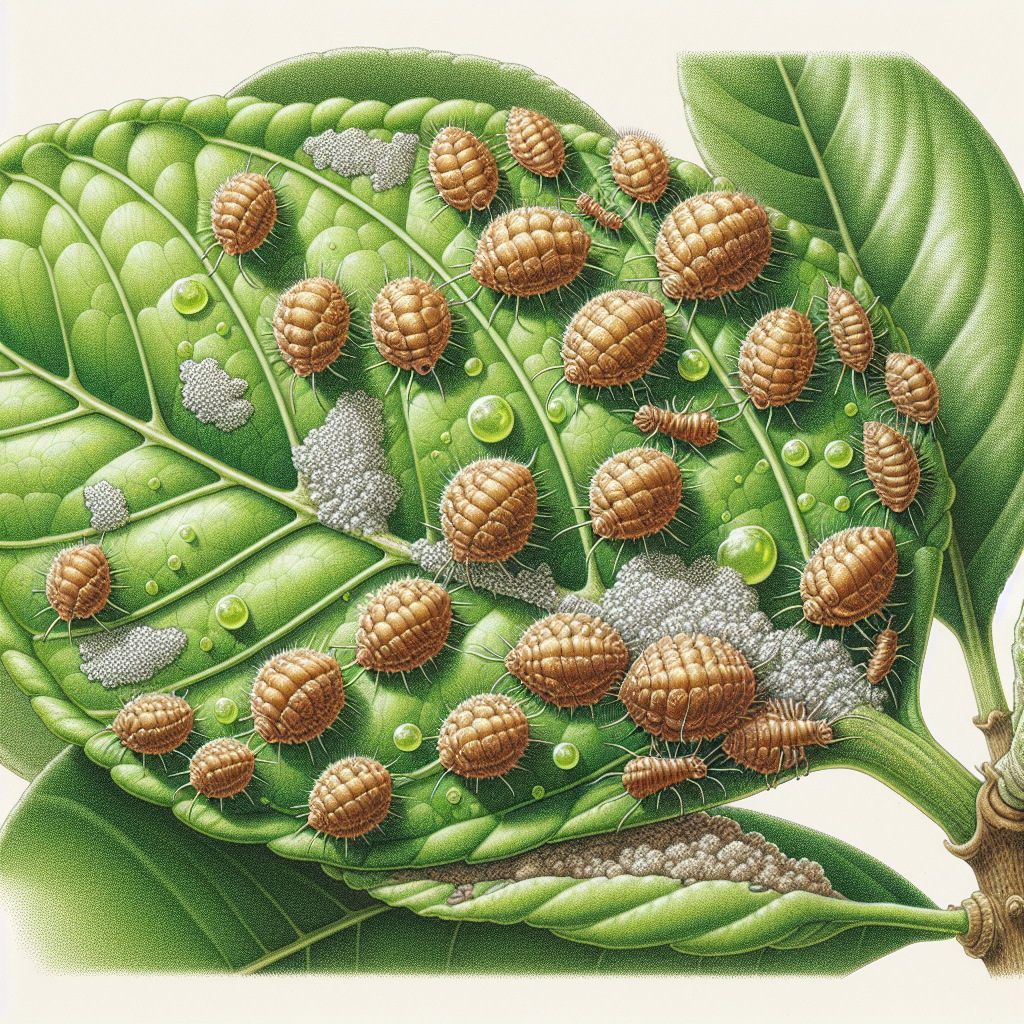
Soft scales
Soft scales are sap-sucking pests in the Coccidae family that weaken plants by feeding on phloem, leading to honeydew production, sooty mold, and plant decline. They are distinguished from armored scales by their soft, waxy coverings and are prevalent in warm climates on fruit trees, ornamentals, and vegetables. Effective management combines cultural practices, biological controls, and organic treatments for sustainable control.
View Profile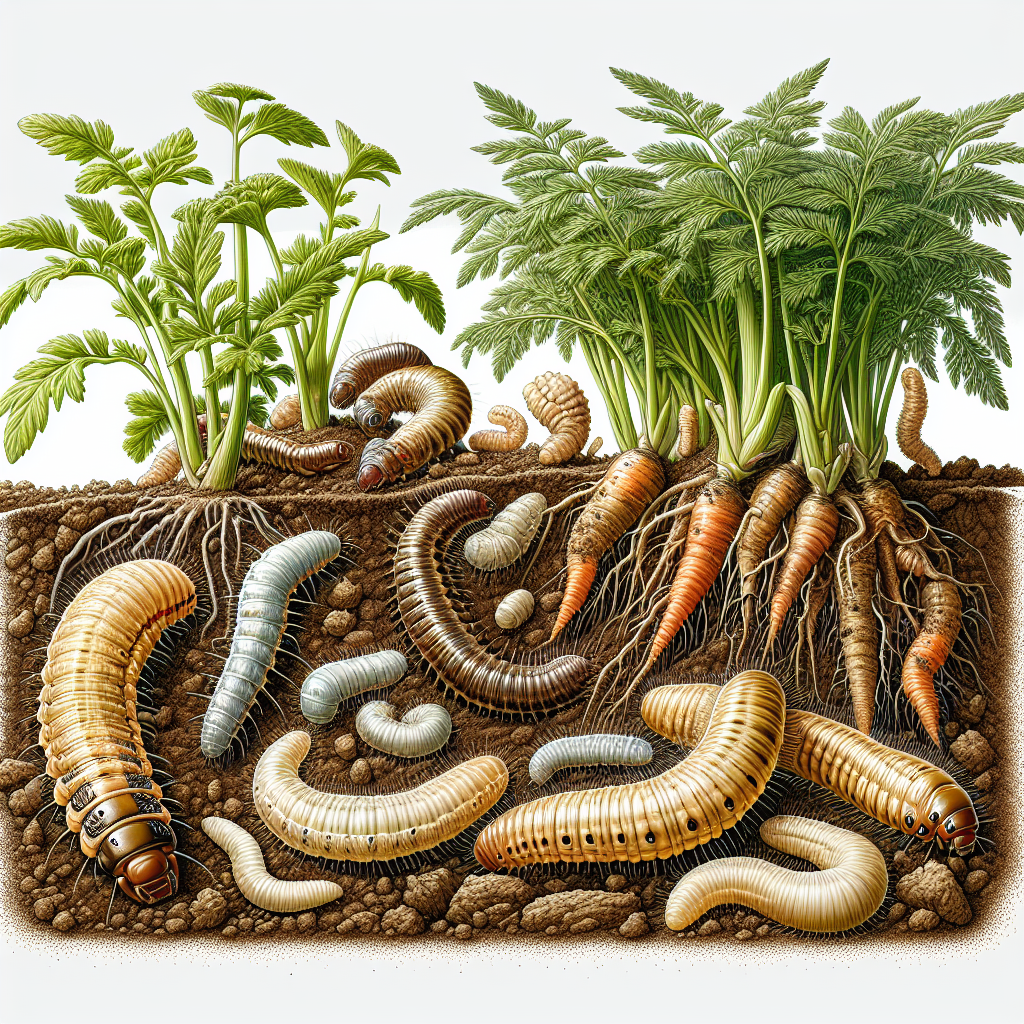
soil insects
Soil insects are a diverse group of subterranean pests including wireworms, grubs, cutworms, and root maggots that damage plant roots, seedlings, and tubers, leading to stunted growth and crop failure. Effective management relies on accurate identification, cultural practices, and targeted organic controls. This guide provides comprehensive diagnostics, lifecycle insights, and prevention strategies for farmers and gardeners.
View Profile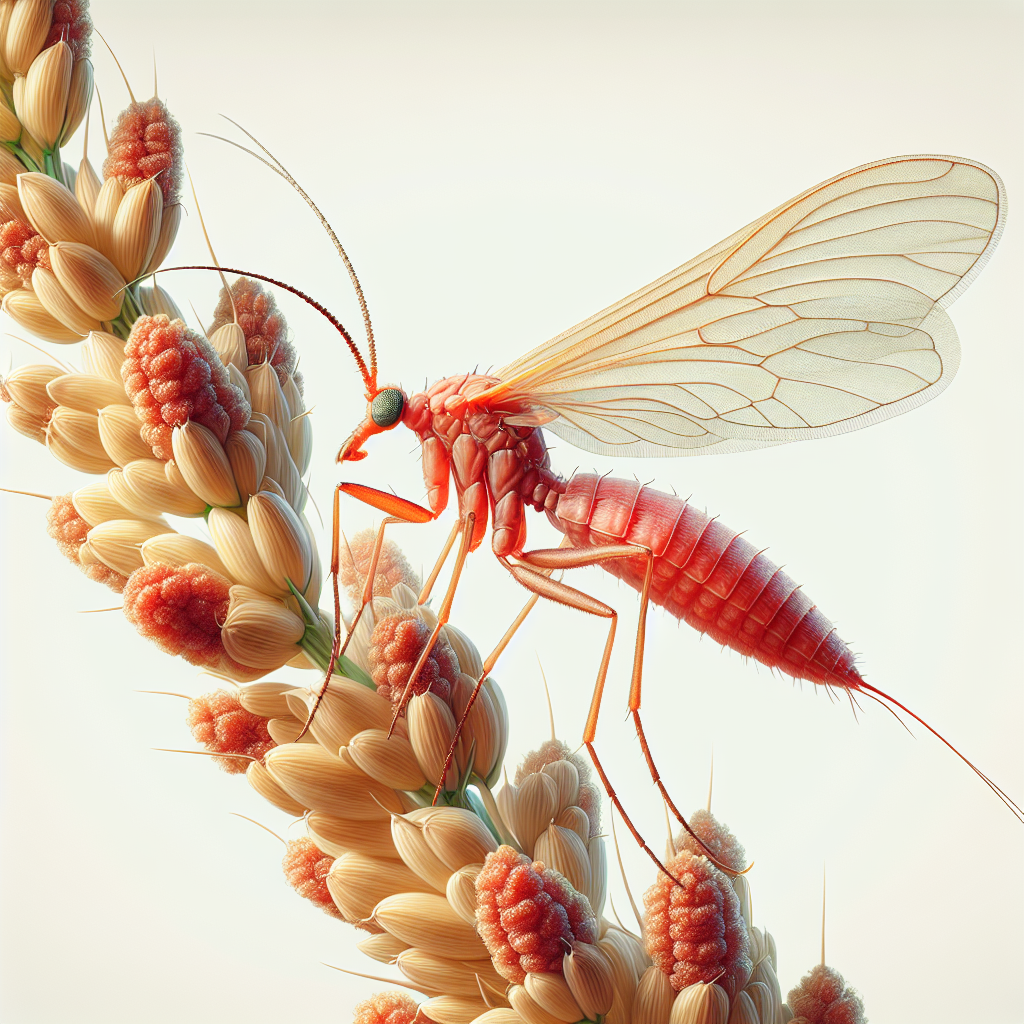
sorghum midge
The sorghum midge is a tiny gall midge that devastates grain sorghum by laying eggs in developing florets, causing significant yield losses up to 100% in susceptible crops. This guide provides comprehensive diagnostics, lifecycle insights, organic management strategies, and prevention tactics for farmers battling this pest. Learn to identify damage early and implement effective controls to protect your [Sorghum (crop)](/wiki/sorghum) harvest.
View Profile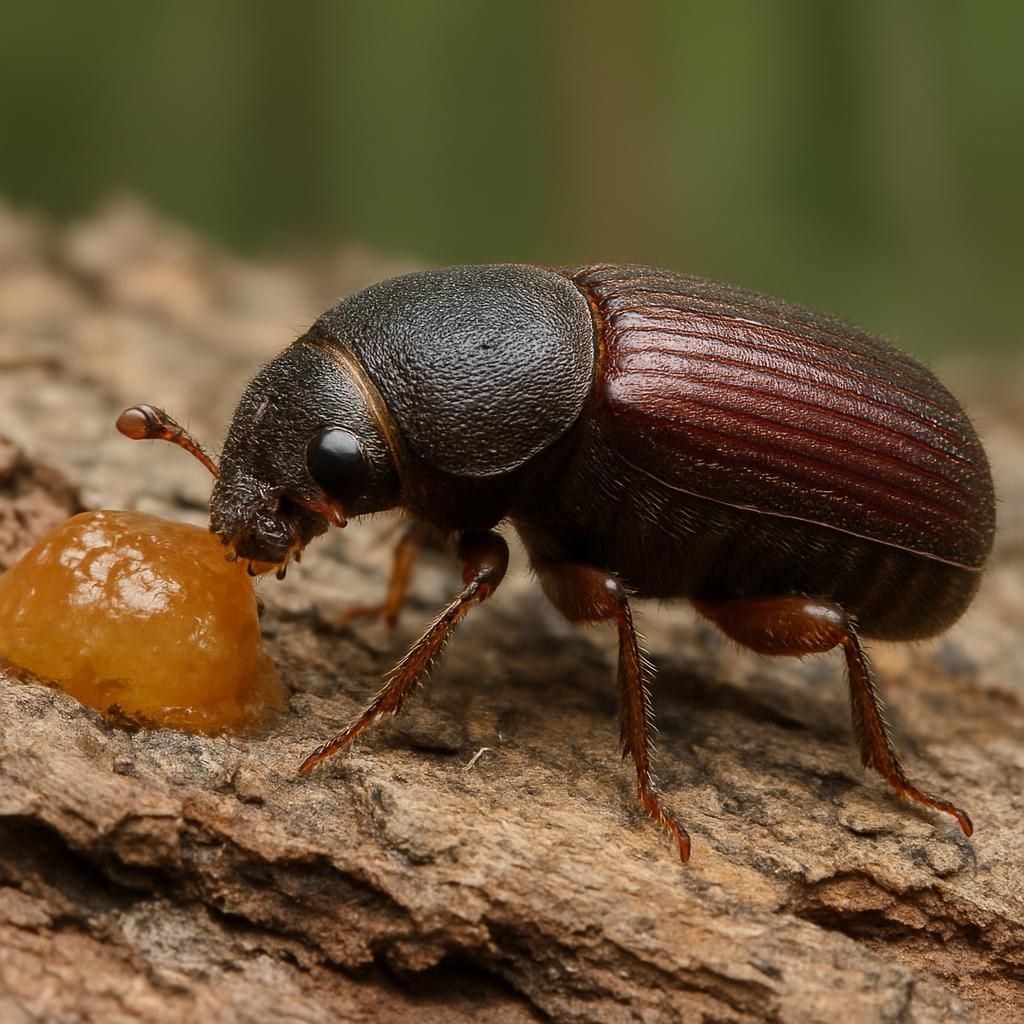
Southern pine beetle
The Southern pine beetle is one of the most destructive forest pests in the southeastern United States, rapidly killing pine trees through mass attacks and fungal associations. Effective diagnosis and integrated management are essential to protect timber resources and forest health.
View Profile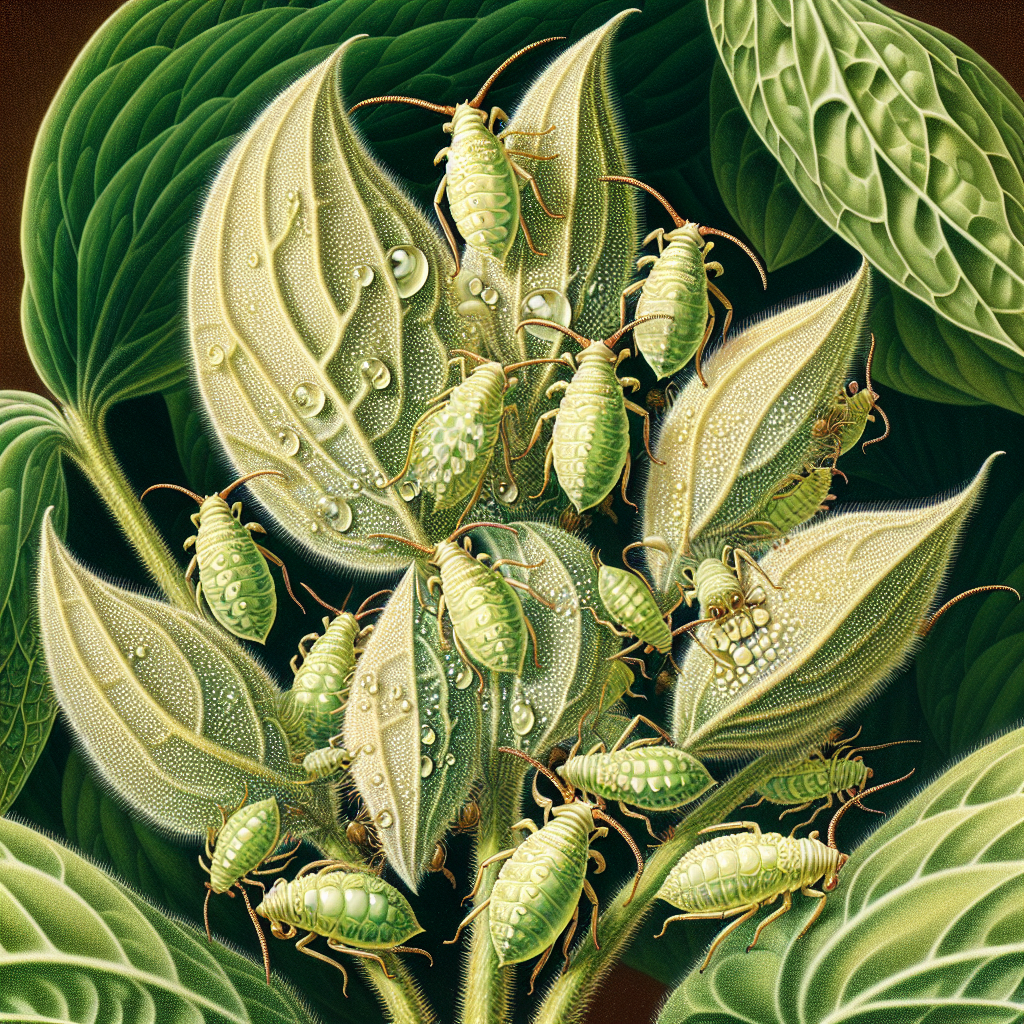
soybean aphid
The soybean aphid (Aphis glycines) is a major pest of soybeans, capable of causing significant yield losses through direct feeding and virus transmission. Native to Asia, it has become a widespread issue in North American soybean production since its introduction in 2000. Effective management combines scouting, biological controls, and resistant varieties for sustainable control.
View Profile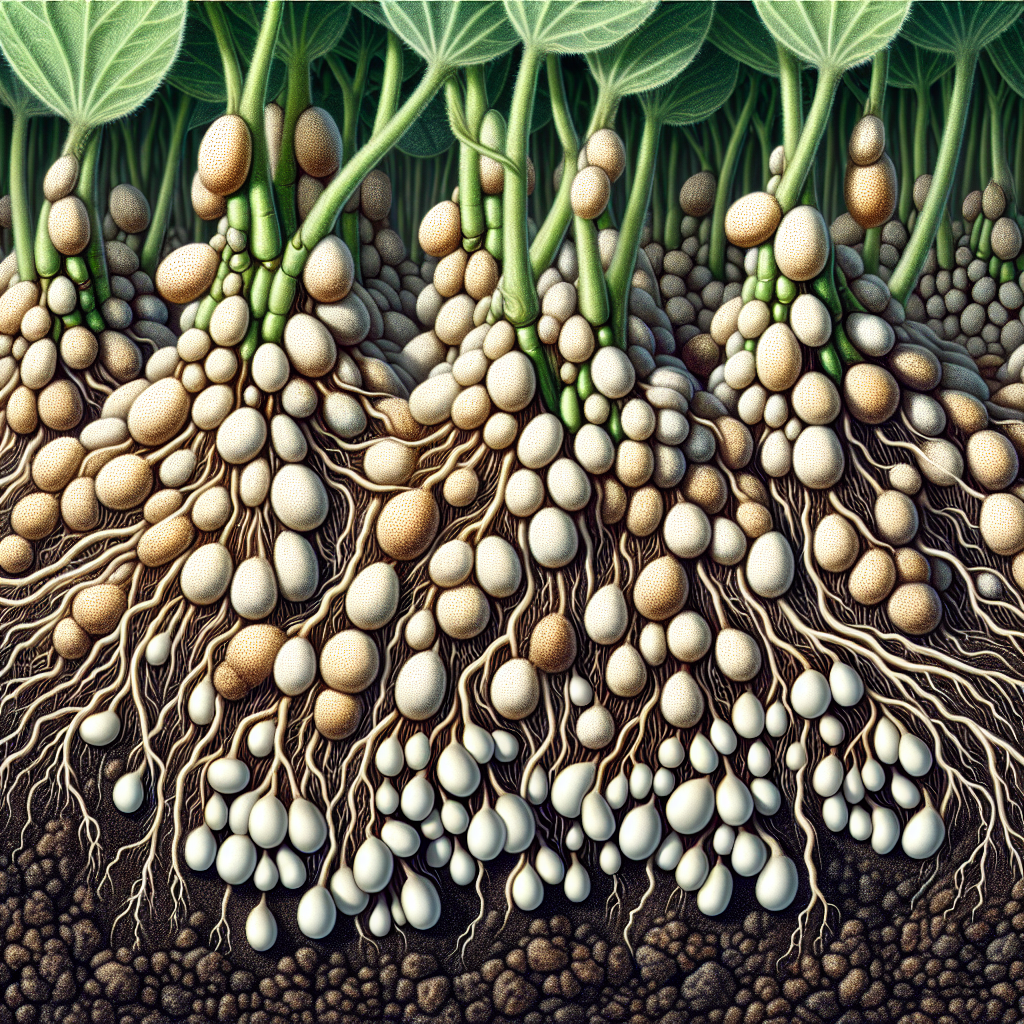
soybean cyst nematode
The soybean cyst nematode (SCN), Heterodera glycines, is a microscopic roundworm that attacks soybean roots, causing significant yield losses worldwide. Farmers can identify it by yellowing plants, stunted growth, and tiny white cysts on roots. Effective management combines resistant varieties, crop rotation, and soil testing for long-term control.
View Profile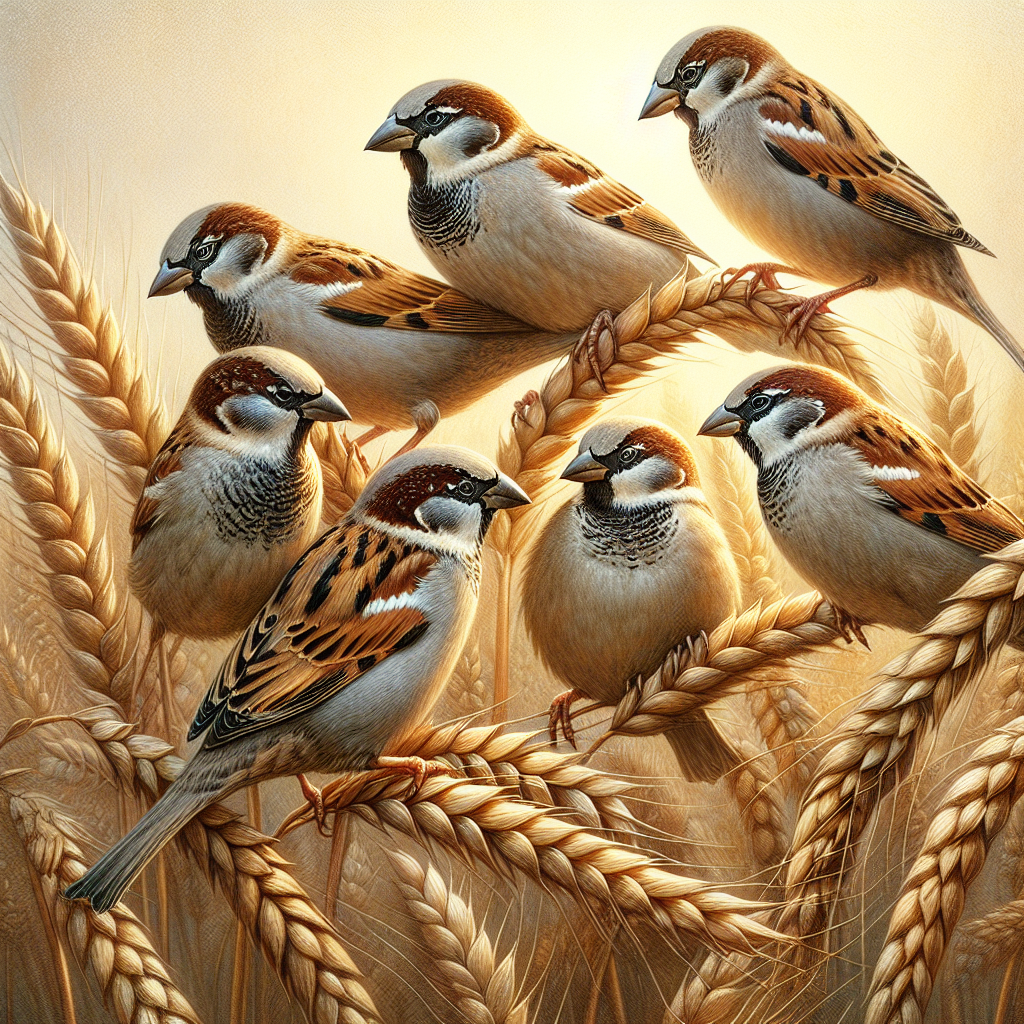
Sparrows
Sparrows are highly adaptive birds that cause significant damage to agricultural crops by consuming seeds, grains, fruits, and vegetables. This guide provides comprehensive diagnostics, lifecycle insights, organic management strategies, and prevention tactics for farmers facing sparrow infestations. Effective control combines cultural practices, deterrents, and habitat modifications to protect yields without harming beneficial wildlife.
View Profile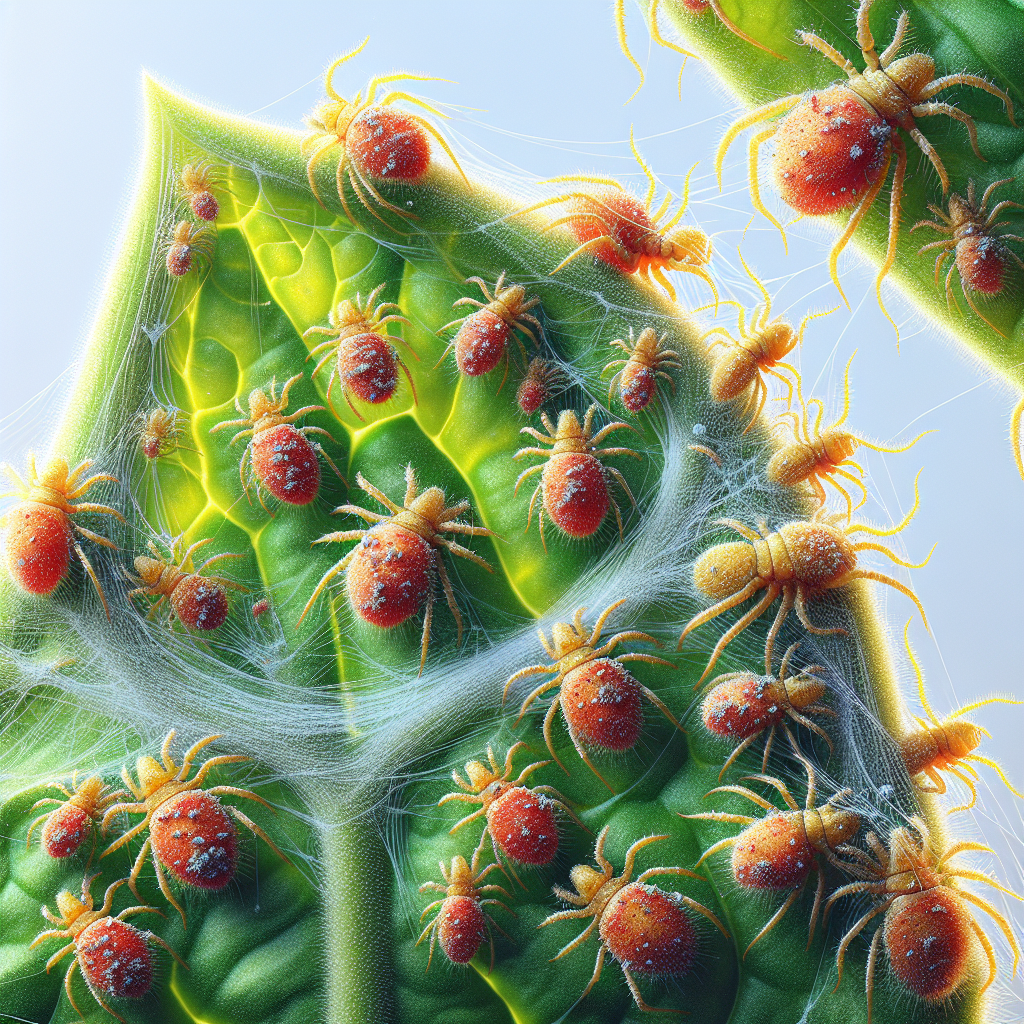
Spider mites
Spider mites are tiny arachnids that cause severe damage to crops by sucking plant sap, leading to stippling, yellowing, and webbing on leaves. They thrive in hot, dry conditions and can rapidly multiply, devastating fields if unmanaged. This guide provides expert diagnostics, organic controls, and prevention strategies for effective spider mite management in agriculture.
View Profile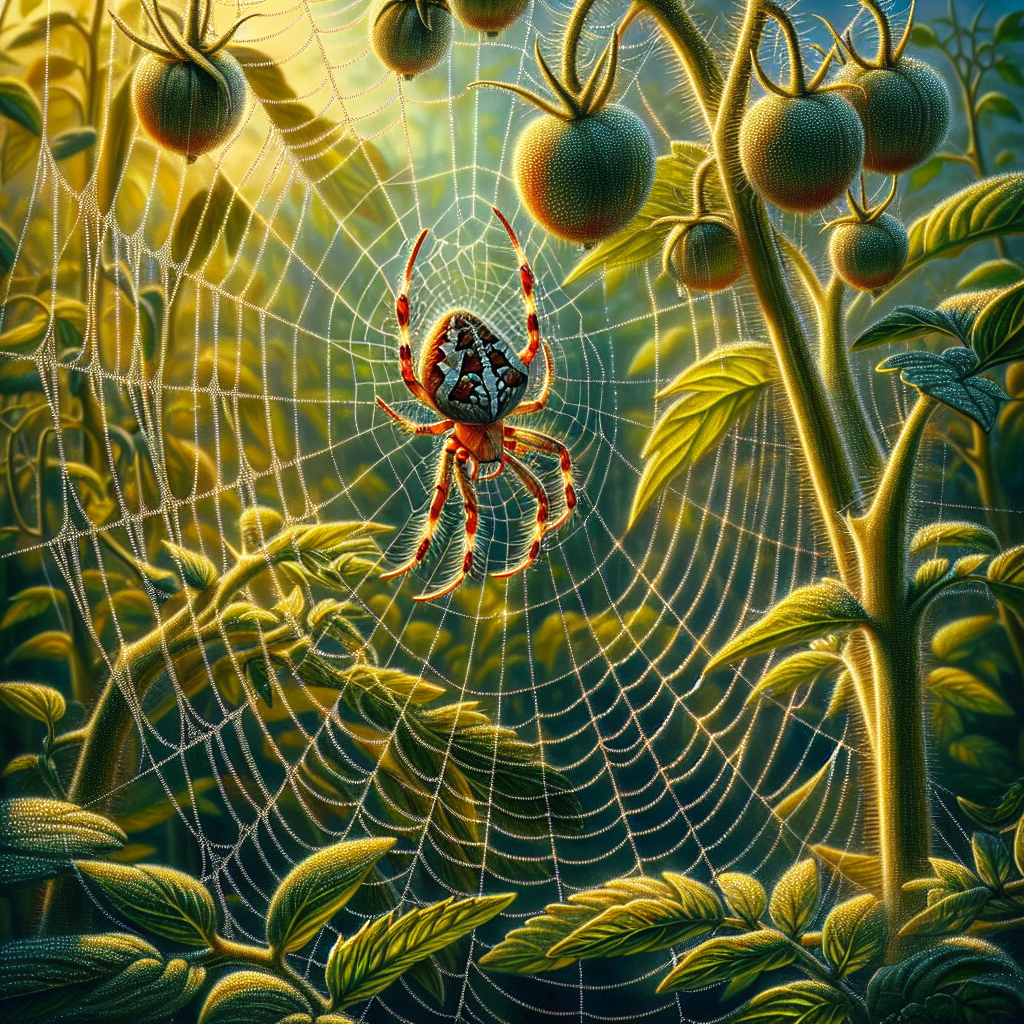
spiders
Spiders are beneficial predators in agricultural ecosystems, preying on crop-damaging insects like aphids and mites. However, certain species can become nuisance pests in high-density farm settings by webbing crops or invading storage areas. This guide provides agricultural strategies for managing spider populations when they impact farming operations.
View Profile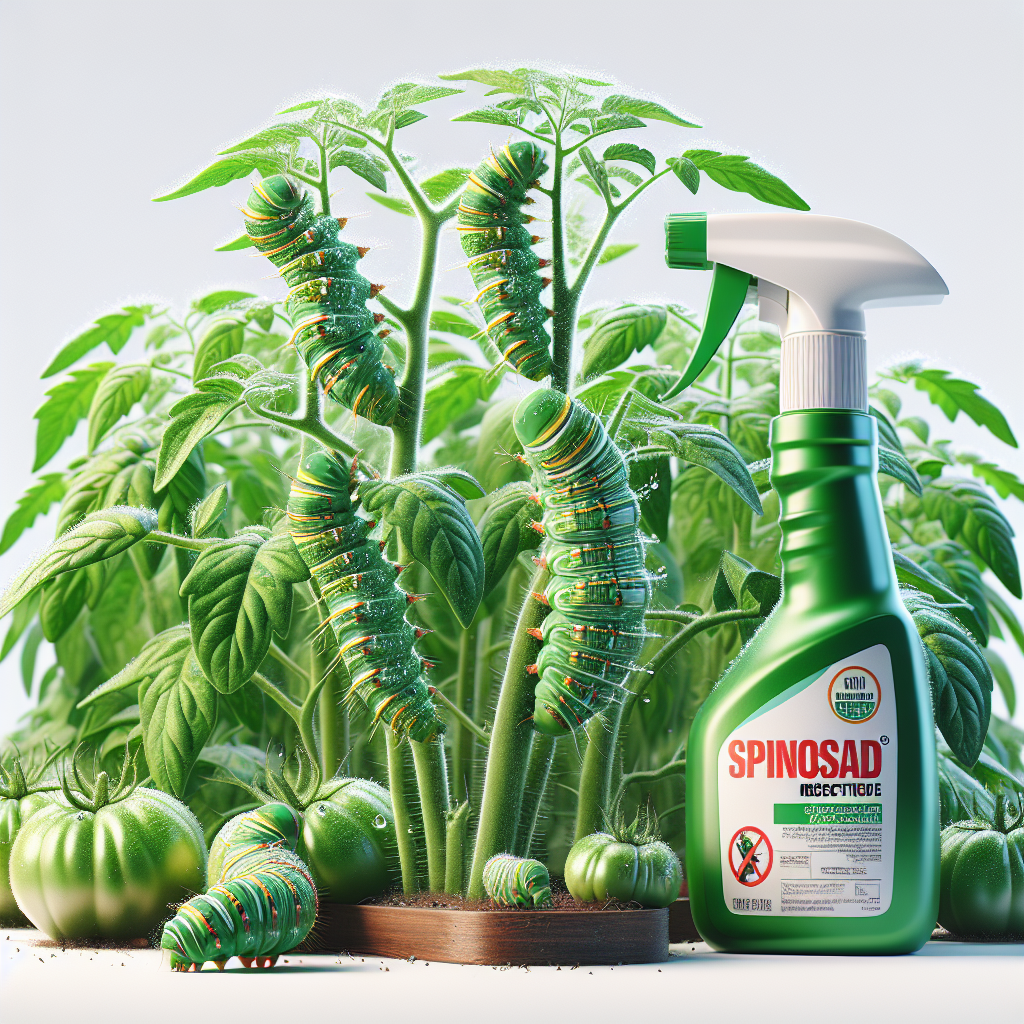
Spinosad
Spinosad is a natural insecticide derived from soil bacteria, widely used in organic farming to control a broad spectrum of insect pests like caterpillars, thrips, and leafminers. This guide provides definitive diagnostic signs of over-reliance or resistance issues, its biological lifecycle in pest management, and organic strategies to optimize its use while preventing resistance buildup. Farmers can achieve effective pest control with proper application timing and integrated approaches on crops like tomatoes and cabbage.
View Profile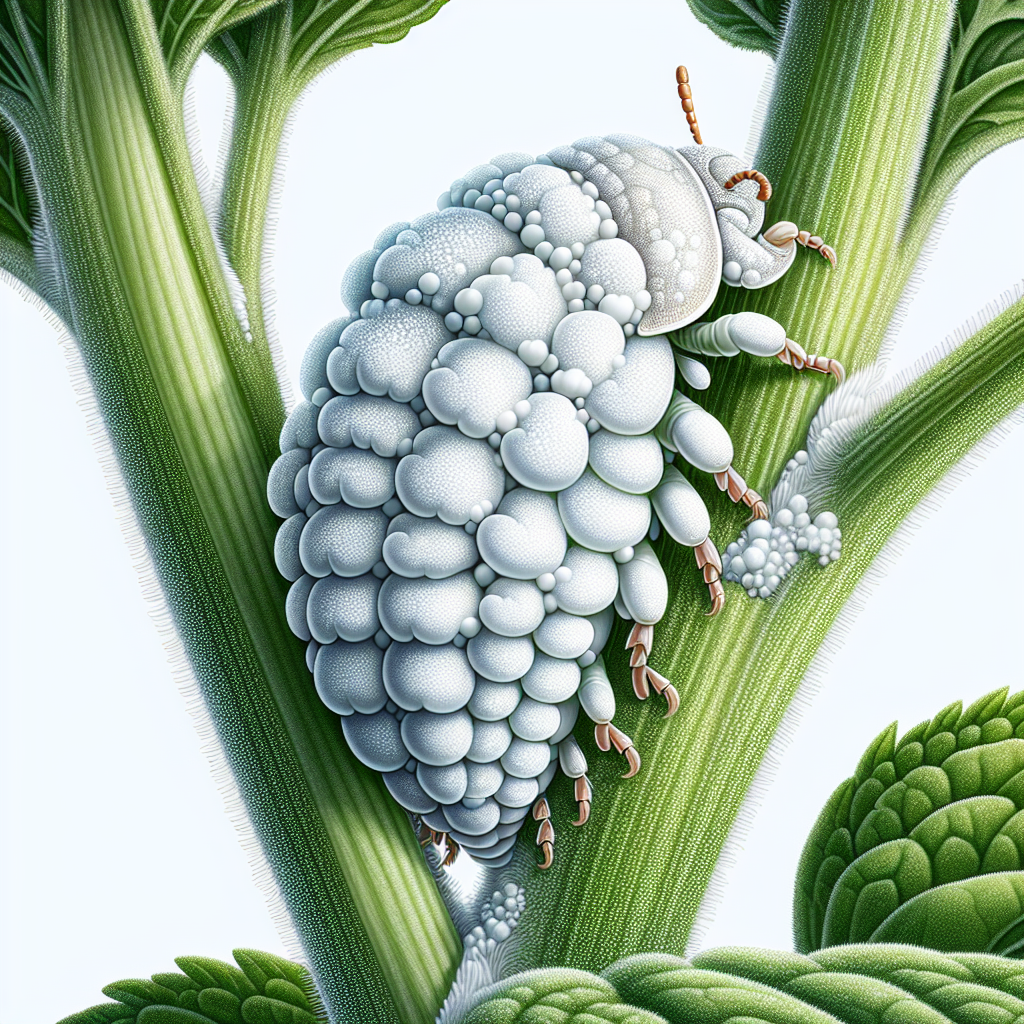
Spittlebugs
Spittlebugs, also known as froghoppers, are sap-sucking pests that produce characteristic frothy 'spittle' masses on plant stems and leaves, weakening crops by draining vital juices. They affect a wide range of plants, particularly in warm, humid conditions, leading to stunted growth and reduced yields. Effective management combines cultural practices, organic treatments, and vigilant monitoring for long-term control.
View Profile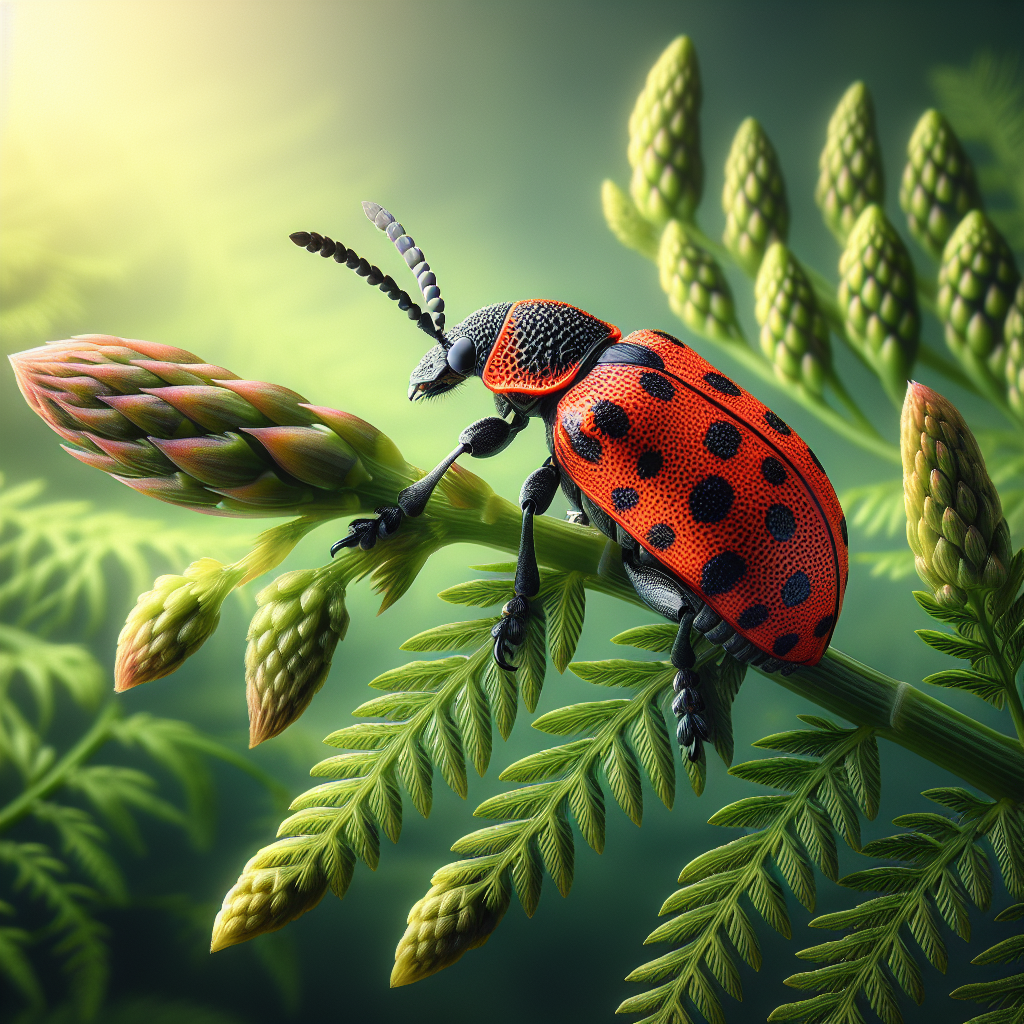
Spotted asparagus beetle
The spotted asparagus beetle is a significant pest of asparagus crops, recognizable by its distinctive 12 black spots on a red-orange body. Adults and larvae feed voraciously on foliage and spears, causing defoliation and scarring that reduce yields. Effective management combines cultural practices, biological controls, and timely interventions for sustainable asparagus production.
View Profile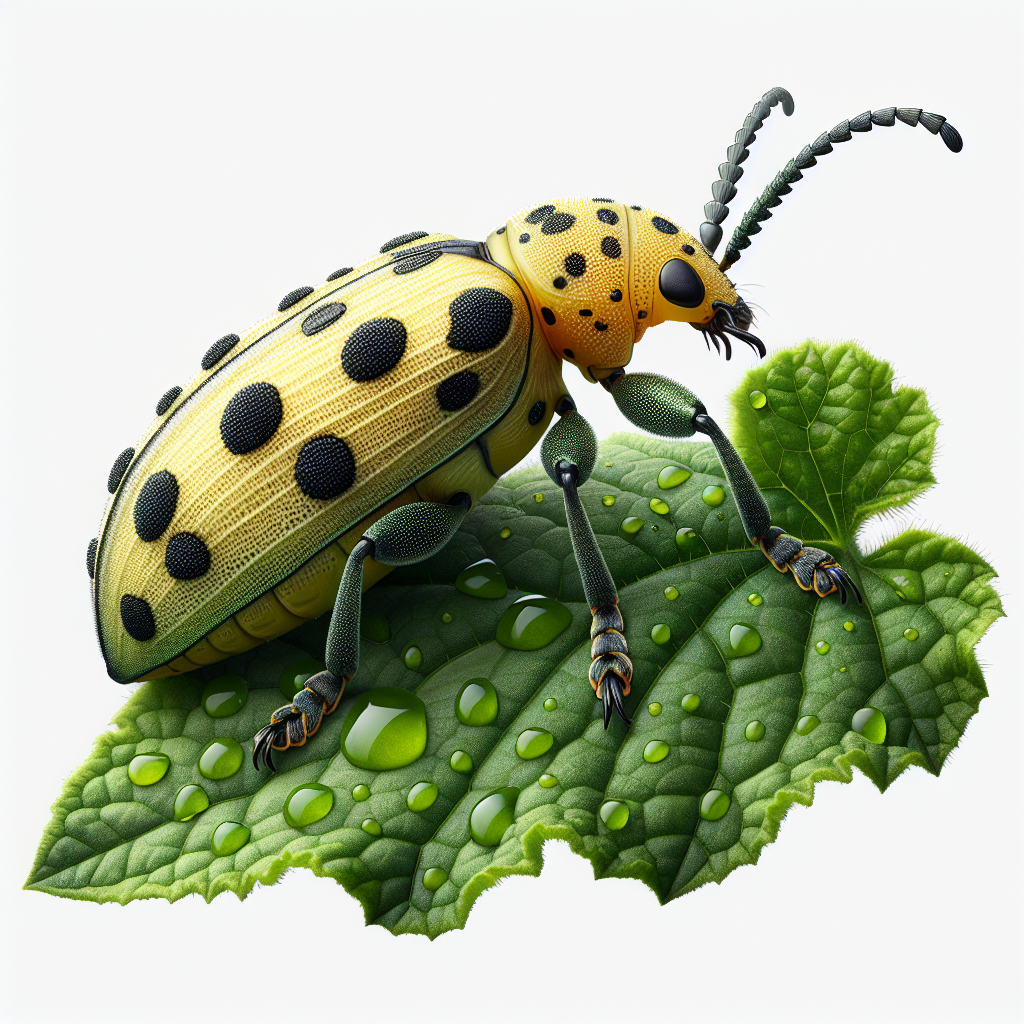
Spotted Cucumber Beetle
The spotted cucumber beetle (Diabrotica undecimpunctata) is a notorious pest targeting cucurbit crops, causing direct feeding damage to leaves, flowers, and fruits while vectoring bacterial wilt disease. Adults are easily identified by their yellow-green bodies adorned with 12 black spots. Effective management combines cultural practices, organic controls, and vigilant monitoring to protect yields.
View Profile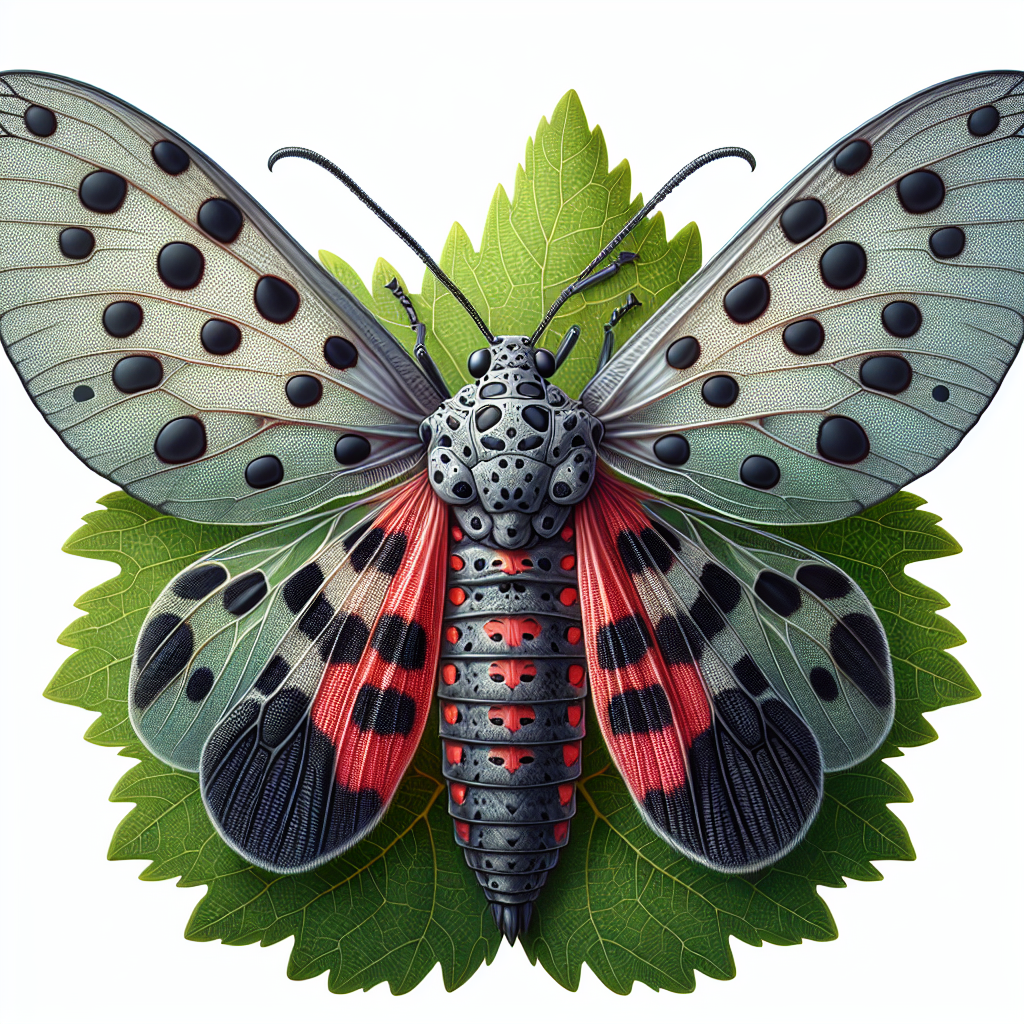
spotted lanternfly
The spotted lanternfly (Lycorma delicatula) is an invasive planthopper that feeds on plant sap, causing significant damage to vineyards, orchards, and timber crops across North America. Native to Asia, it secretes honeydew that promotes sooty mold and weakens host plants. Effective management combines early detection, organic controls, and cultural practices to prevent establishment.
View Profile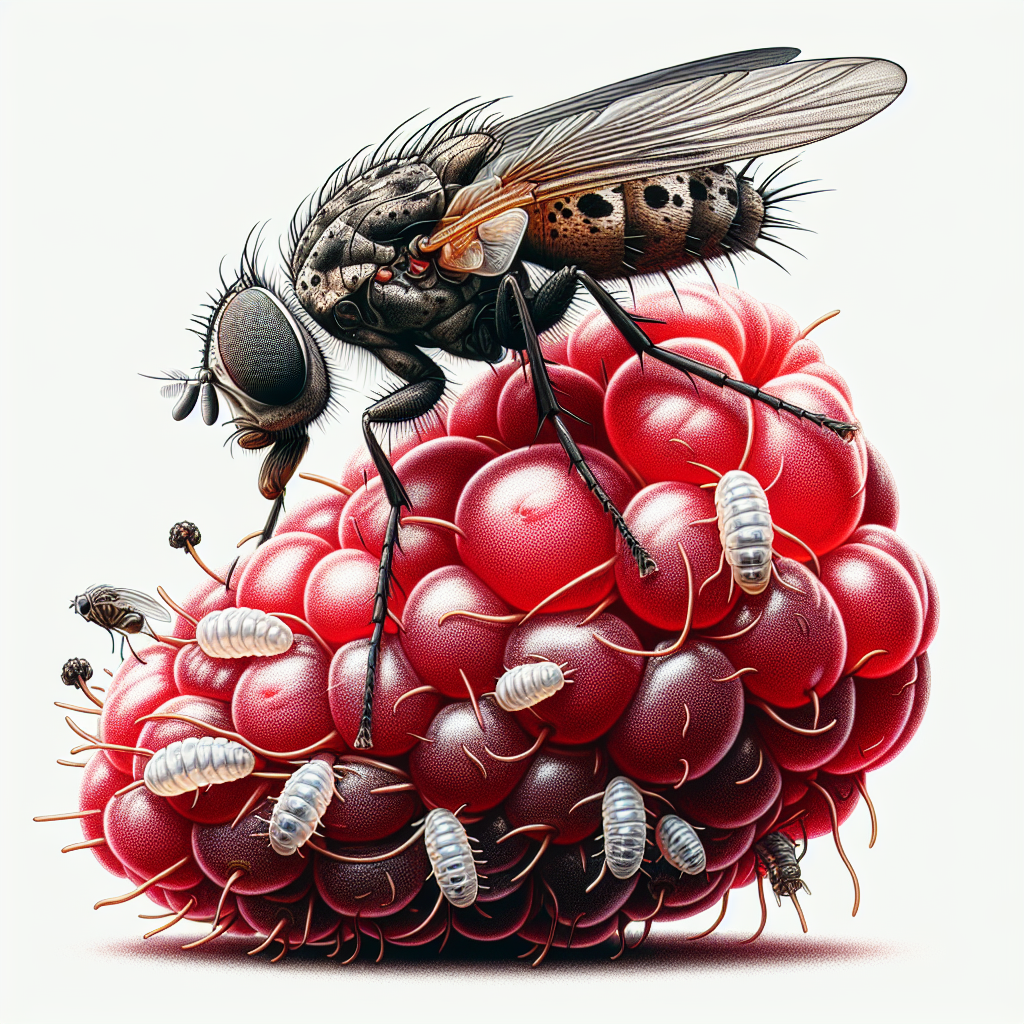
Spotted wing drosophila
Spotted wing drosophila (Drosophila suzukii) is an invasive fruit fly that infests ripening and ripe soft-skinned fruits, causing significant economic losses in berries, cherries, and stone fruits. Unlike other fruit flies, females have a serrated ovipositor that allows them to lay eggs in healthy, undamaged fruit. This guide provides comprehensive diagnostics, lifecycle insights, organic management strategies, and prevention tactics for growers.
View Profile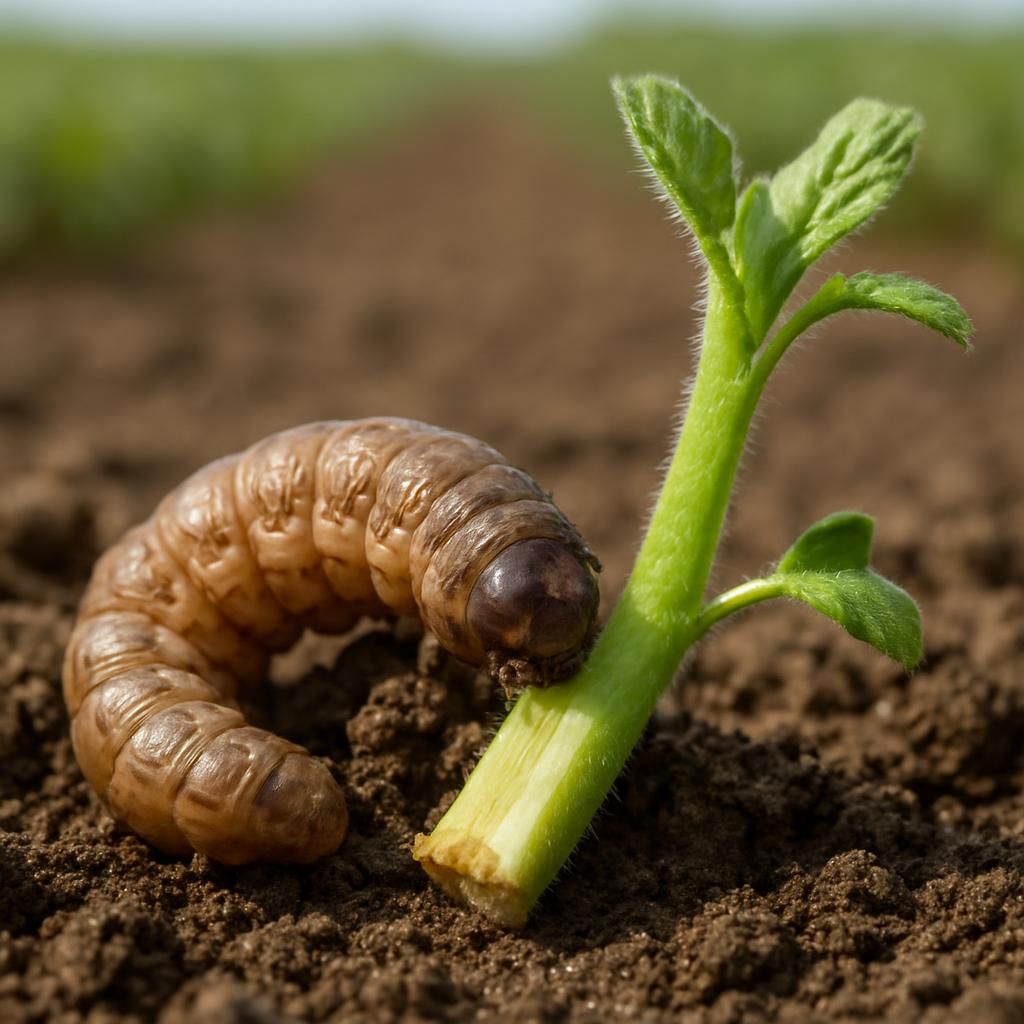
Spring Pest Patrol
Spring Pest Patrol refers to the seasonal surge of early-season pests like aphids, flea beetles, and cutworms that target emerging crops in spring. This guide provides diagnostic symptoms, lifecycle details, organic management strategies, and prevention tips for protecting your farm. Effective control ensures healthy plant establishment and maximizes yields.
View Profile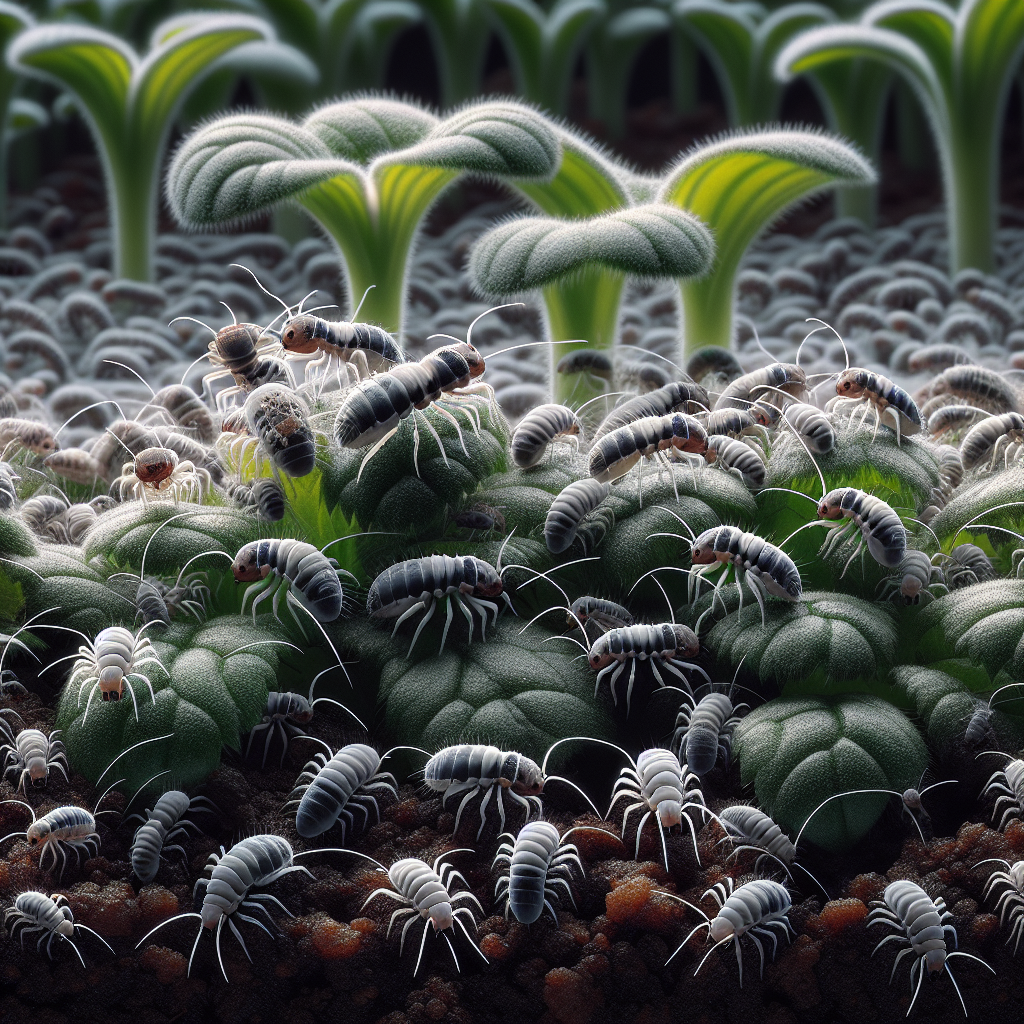
springtails
Springtails are tiny, wingless hexapods that thrive in moist, organic-rich soils, often appearing as agricultural nuisances in greenhouses and high-humidity crops. While rarely causing direct plant damage, their presence signals excessive moisture and decaying matter, potentially exacerbating issues like [root rot](/wiki/root-rot) or [fungus gnats](/wiki/fungus-gnats). Effective management focuses on cultural controls to dry out habitats rather than chemical interventions.
View Profile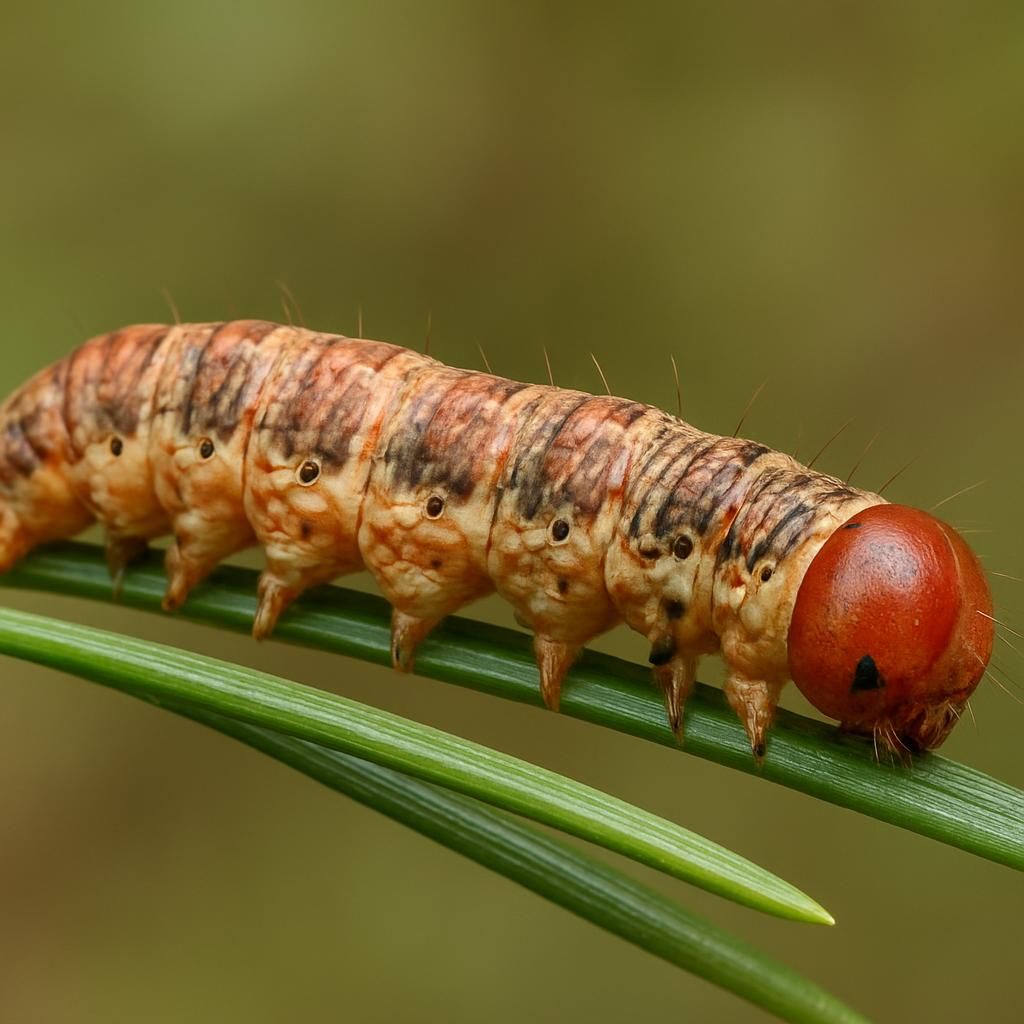
spruce budworm
The spruce budworm is a native North American moth whose larvae are among the most destructive defoliators of spruce and fir forests. Periodic outbreaks can defoliate millions of acres, reduce timber value, and alter forest succession. Effective management combines monitoring, targeted interventions, and long-term silvicultural practices.
View Profile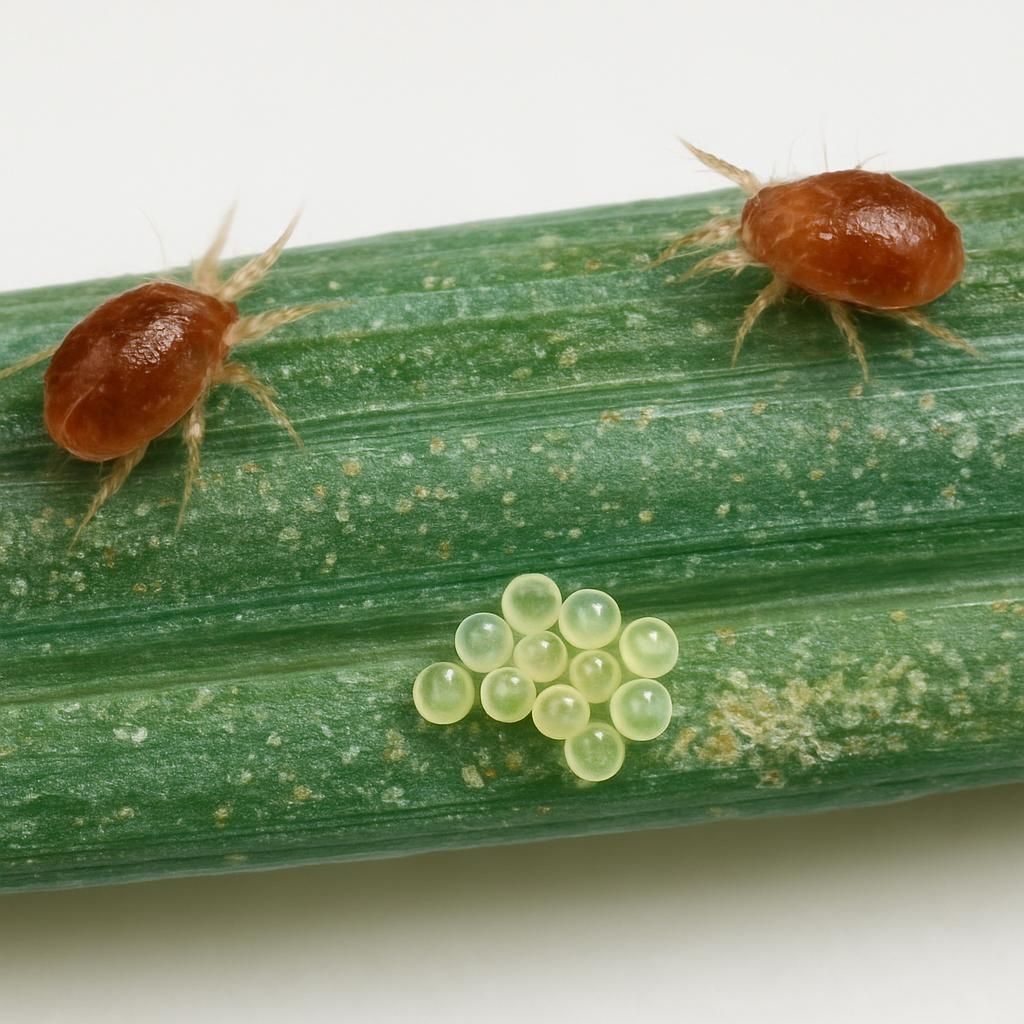
spruce spider mite
The spruce spider mite is a cool-season arachnid pest that infests conifers, particularly spruce, causing stippling, bronzing, and premature needle drop. It thrives in dry spring and fall conditions and reproduces rapidly under low humidity. Effective management combines monitoring, cultural practices, and targeted organic or conventional controls.
View Profile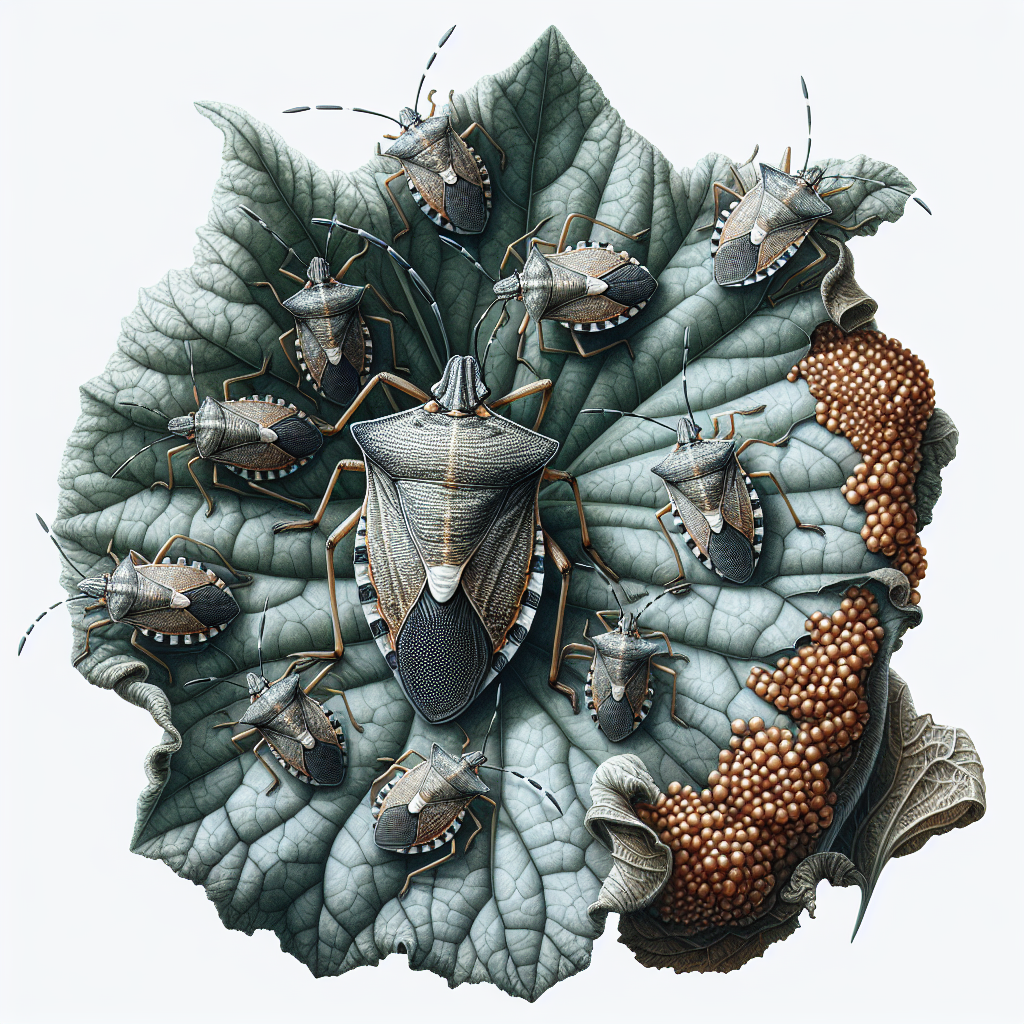
Squash Bugs
Squash bugs (Anasa tristis) are notorious pests targeting cucurbit crops like squash, pumpkins, and cucumbers, sucking sap from leaves and stems to cause wilting and plant death. Their shield-shaped bodies and gregarious nymphs make them identifiable, while organic controls focus on row covers, traps, and beneficial insects. Effective management combines early detection, cultural practices, and prevention to protect yields.
View Profile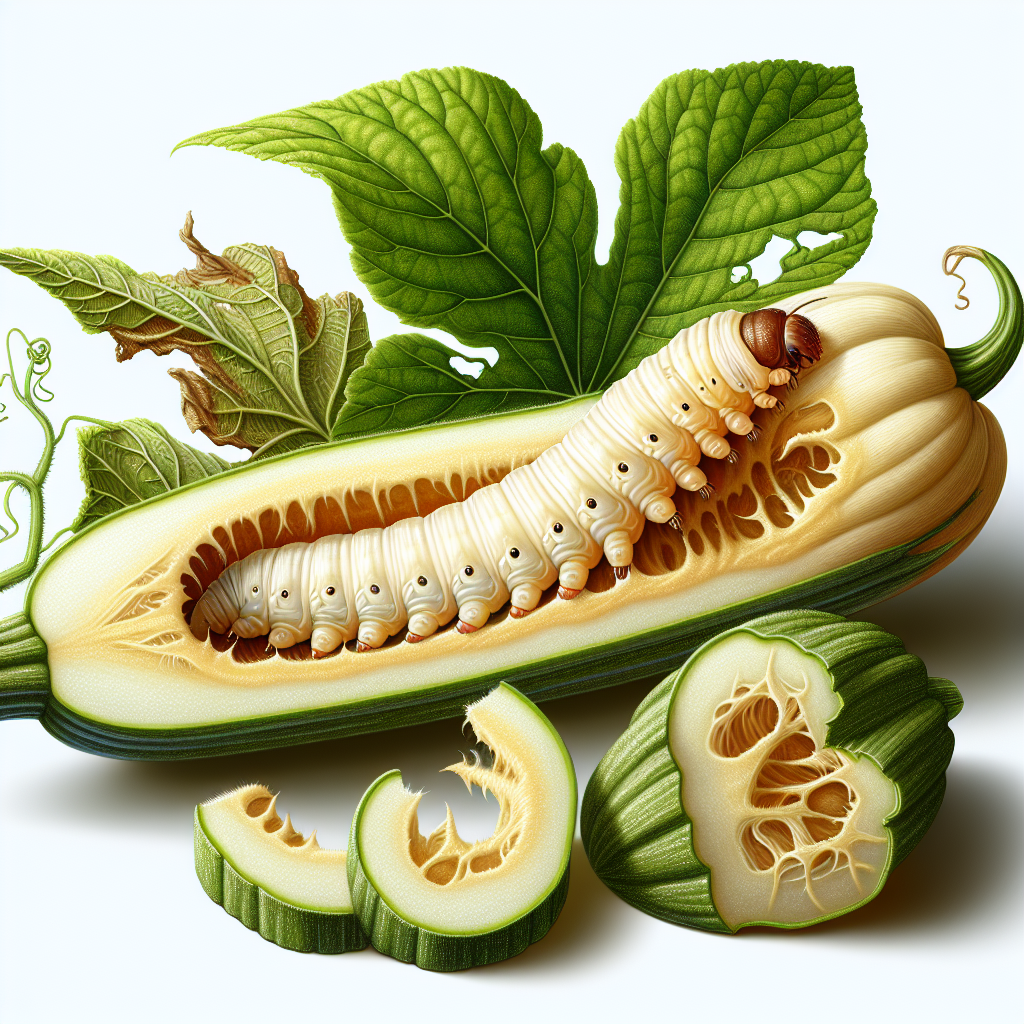
Squash Vine Borer
The Squash Vine Borer (Melittia satyriniformis) is a destructive pest targeting squash family crops, with larvae boring into stems causing sudden wilting and plant death. Effective management relies on early detection, organic controls like row covers, and resistant varieties. This guide provides comprehensive diagnostics, lifecycle insights, and prevention strategies for gardeners and farmers.
View Profile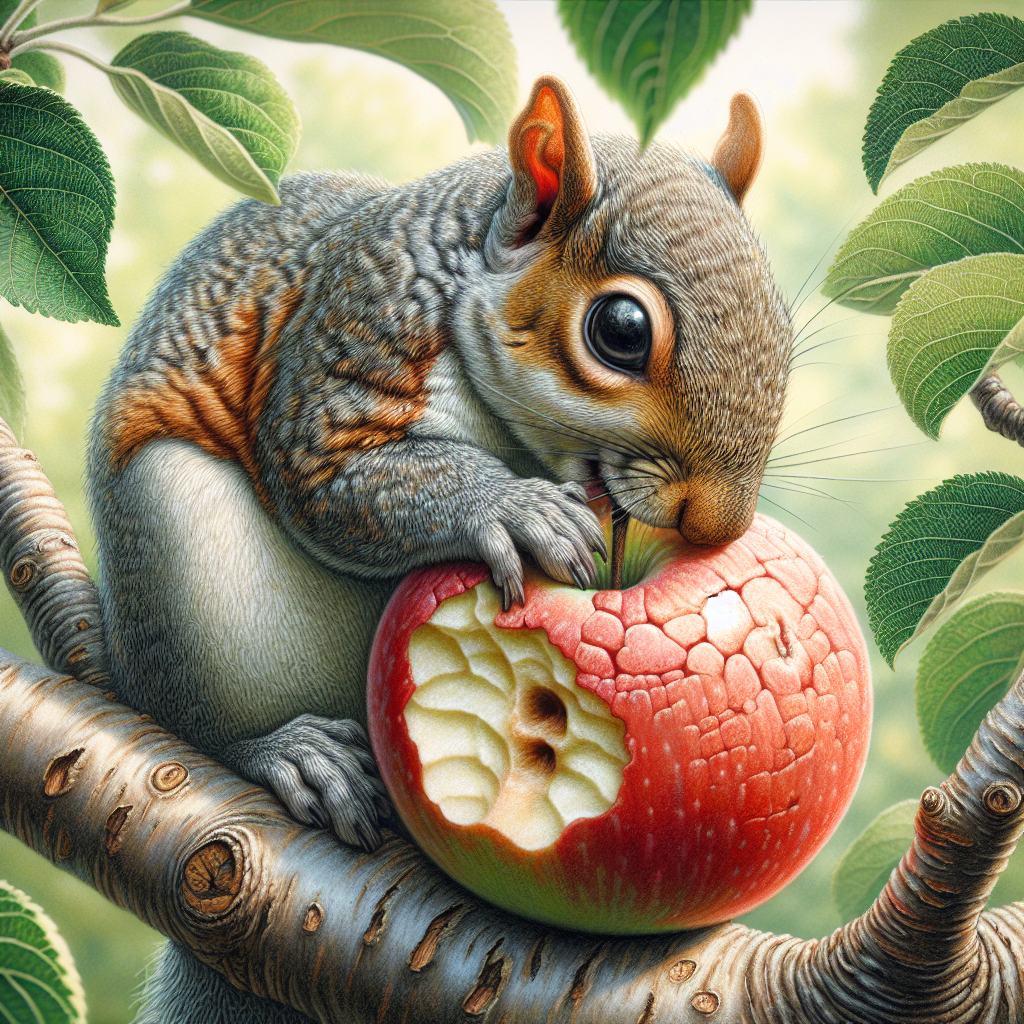
squirrels
Squirrels are highly adaptable tree-dwelling rodents that pose significant threats to agricultural crops, orchards, and gardens by gnawing, burrowing, and consuming fruits, nuts, seeds, and bulbs. This guide provides farmers with diagnostic tools to identify squirrel damage, understand their lifecycle, and implement effective organic management strategies to protect yields. Proven prevention methods and crop-specific advice ensure long-term control without synthetic chemicals.
View Profile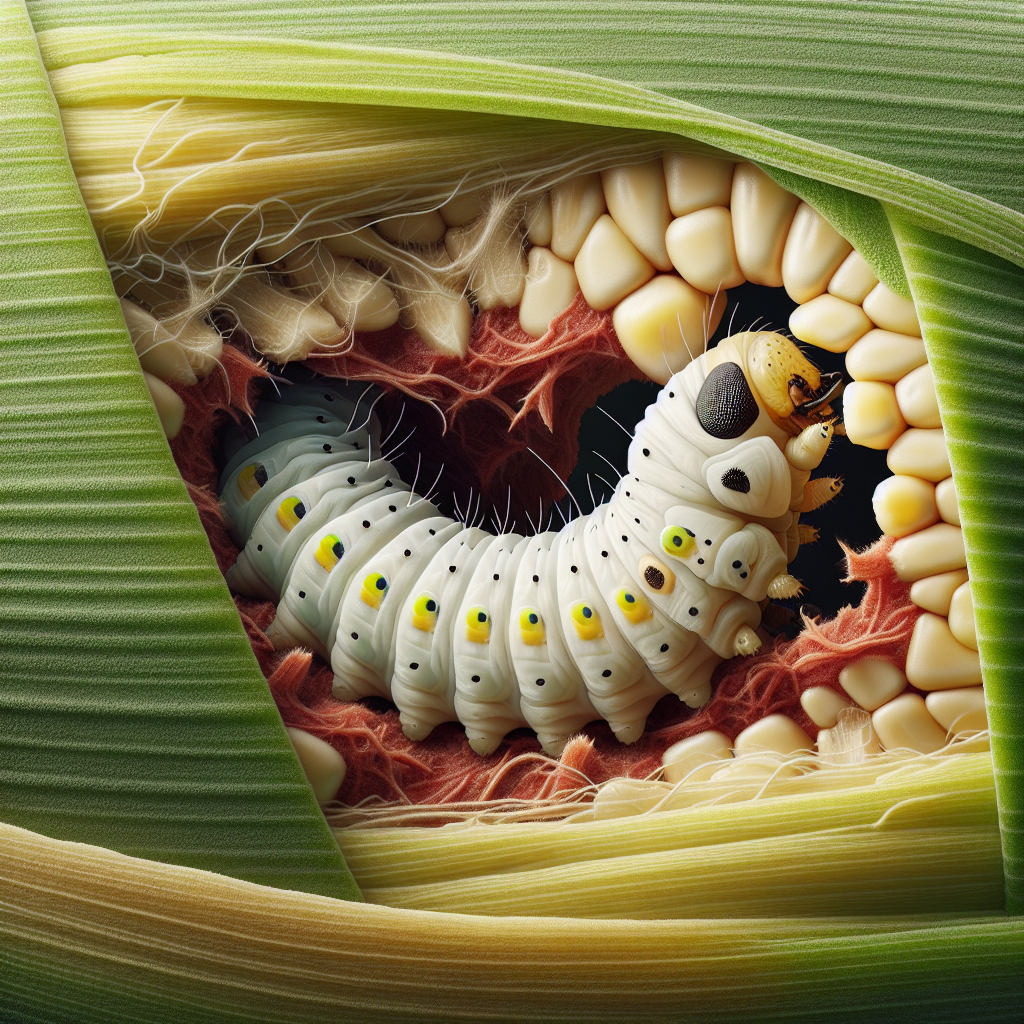
Stalk-boring caterpillars
Stalk-boring caterpillars are destructive larvae of moths that tunnel into plant stems, causing lodging, reduced yields, and secondary infections in staple crops like corn, rice, and sorghum. This guide provides comprehensive diagnostics, lifecycle insights, organic management strategies, and prevention tactics for farmers facing these pervasive pests. Effective control hinges on early detection, cultural practices, and biological interventions to safeguard crop integrity.
View Profile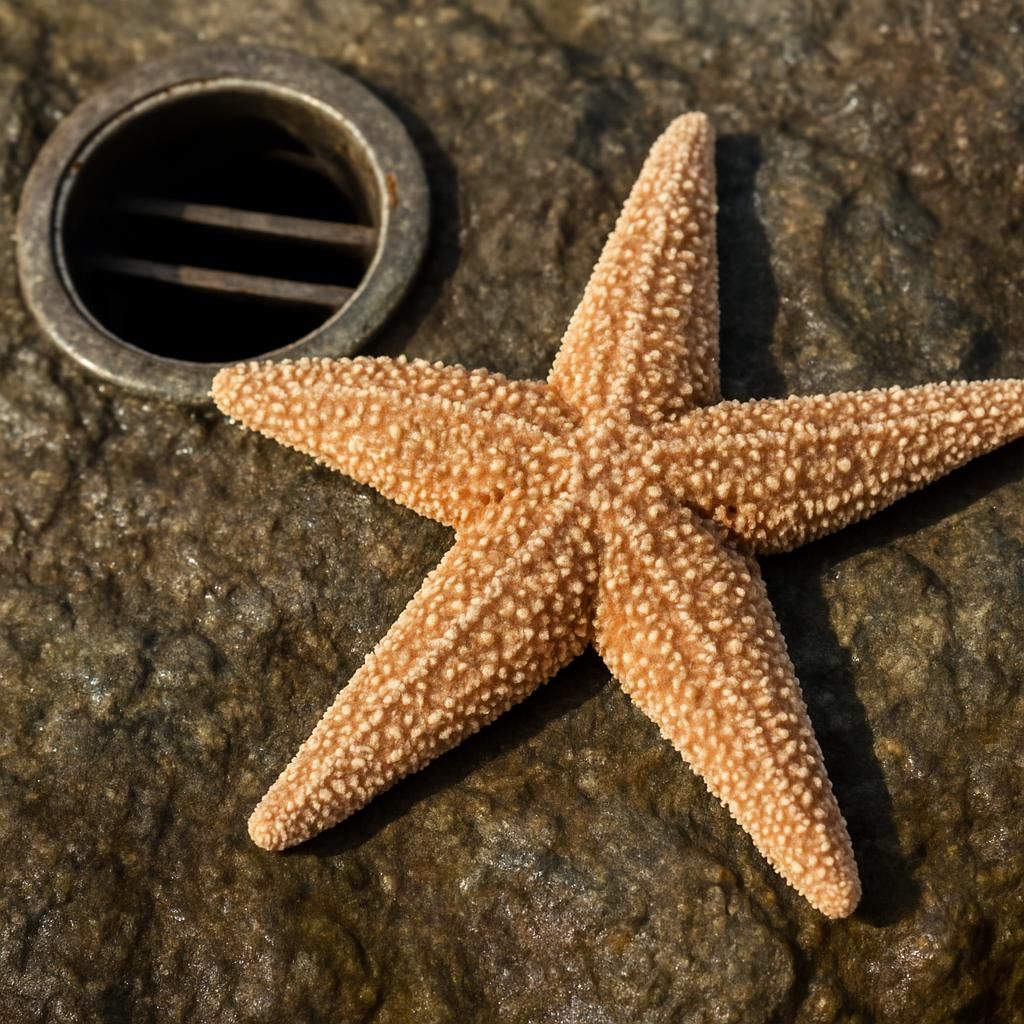
starfish
Starfish (sea stars) are marine echinoderms occasionally encountered in coastal agricultural zones where irrigation draws from brackish or seawater sources. While not a traditional terrestrial crop pest, their presence can damage coastal plantings through mechanical disturbance and salt stress. This guide covers identification, lifecycle, environmental triggers, and integrated management strategies for agricultural settings.
View Profile