Introduction to Spring Pest Patrol
Spring Pest Patrol represents the critical early-season battle against a coalition of opportunistic pests that emerge as temperatures rise and crops break dormancy. These invaders—primarily aphids, flea beetles, cutworms, and overwintering mites—target tender new growth, potentially decimating seedlings and young plants before they can establish. Farmers worldwide recognize this period as a make-or-break phase, where vigilant monitoring and proactive interventions determine the health of the entire growing season. Understanding Spring Pest Patrol is essential for sustainable agriculture, as unchecked infestations can lead to 20-50% yield losses in vulnerable crops. This comprehensive guide equips you with professional-grade diagnostics, organic treatments, and prevention strategies to safeguard your fields. For advanced organic AI strategies, check our Spring Pest Patrol blog post.
As a botanist, entomologist, and agricultural expert, I've seen firsthand how integrated pest management (IPM) during spring transforms vulnerable plots into resilient ecosystems. Early detection is key: pests multiply rapidly in the mild, moist conditions of spring, exploiting the flush of nutrients in new foliage. By scouting weekly and employing layered defenses, you can minimize chemical use and preserve beneficial insects. This guide draws from decades of field research, emphasizing organic methods that align with regenerative farming principles.
Identifying Symptoms & Damage
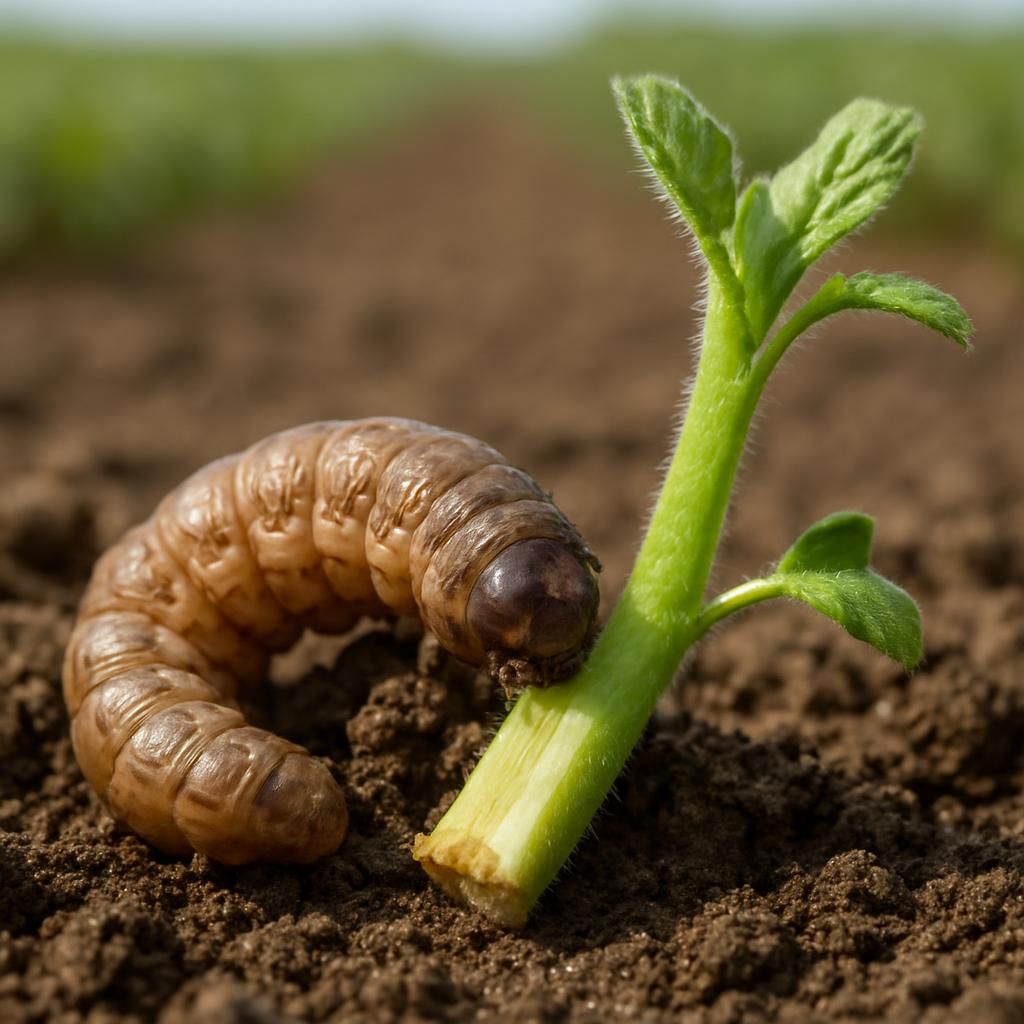
Recognizing Spring Pest Patrol damage requires keen observation of subtle early signs before populations explode. Aphids cause curled leaves, sticky honeydew, and sooty mold; inspect undersides of tomato or lettuce leaves for clusters of pear-shaped insects. Flea beetles leave shot-hole patterns—tiny, irregular perforations—in brassicas like cabbage and broccoli, often accompanied by wilting seedlings. Cutworms sever stems at soil level overnight, leaving plants toppled like felled trees; check for greasy, curled larvae hiding under debris.
Mites manifest as stippling (fine yellow dots) and webbing on strawberry or pea foliage, with leaves turning bronze. Thrips cause silvery streaks and deformed buds, prevalent on onion sets. Distinguish from diseases: pest damage is irregular and often with frass (insect poop), while fungal issues like powdery mildew are uniform and powdery. Use a 10x hand lens for confirmation—aphids have cornicles (tail pipes), flea beetles jump when disturbed.
Damage escalates quickly: seedlings munched by cutworms rarely recover, while aphid-transmitted viruses stunt growth permanently. Quantify infestations: economic thresholds include 50 aphids per leaf or 10% defoliation. Photograph suspect areas for records, aiding in tracking progression across your farm.
Lifecycle and Progression of Spring Pest Patrol
Spring Pest Patrol pests overwinter as eggs, pupae, or adults, synchronizing emergence with soil warming to 50-60°F (10-15°C). Aphids parthenogenetically birth live nymphs, completing a generation in 7-10 days; populations double weekly under ideal conditions. Flea beetles pupate in soil last fall, adults feeding voraciously for 4-6 weeks before laying eggs at plant bases.
Cutworms (nocturnal larvae of moths) have 2-4 generations yearly, with spring generations targeting seedlings; they pupate in summer soil. Mites overwinter in crop residues, females laying 20-50 eggs each in spring. Progression follows: scouting (week 1 post-planting), egg hatch (weeks 2-3), larval feeding peak (weeks 4-6), adult dispersal (week 8+). Multiple overlapping cycles demand continuous monitoring.
Understanding this timeline allows precise interventions—target eggs with spinosad before hatch, disrupt adult flea beetles with row covers during peak activity. Lifecycle knowledge integrates with crop phenology: corn at V2 stage is prime for cutworms, while potato emergence invites beetles.
Environmental Triggers & Risk Factors
Mild springs with alternating rain and sun trigger explosions, as humidity above 70% favors aphids and mites. No-till fields harbor cutworm pupae, while reduced tillage increases flea beetle pressure by preserving leaf litter refugia. Over-fertilization with nitrogen promotes succulent growth, a magnet for sap-feeders.
Risk factors include monocultures, poor drainage (mites thrive in wet soils), and nearby weedy borders hosting alternate hosts like mustard for flea beetles. Climate change extends windows: earlier thaws advance pest emergence by 1-2 weeks. Scout high-risk zones—field edges, low spots, and last season's infested patches first.
Organic Control & Treatment Plans
IPM forms the backbone: cultural (row covers, traps), biological (predators), and organic-approved sprays. Deploy yellow sticky traps for aphids and thrips (10 per 1000 sq ft), blue for flea beetles. Introduce ladybugs (1 per sq ft) and predatory mites early. For cutworms, apply beneficial nematodes (Heterorhabditis bacteriophora) at dusk, 1 billion per acre.
Neem oil or insecticidal soap sprays (every 5-7 days) smother soft-bodied pests; rotate with pyrethrins for beetles. Bt (Bacillus thuringiensis) targets cutworm and looper larvae effectively. Diatomaceous earth collars around seedlings deter crawlers. For severe cases, spinosad (OMRI-listed) provides knockdown. Always apply at dusk to spare pollinators.
Treatment plans: Week 1—preventive row covers; Week 3—scout and release predators; Week 5—targeted sprays if thresholds met. Monitor efficacy with pre/post counts. Companion planting with marigold repels nematodes, nasturtium traps aphids.
Preventing Spring Pest Patrol in the Future
Prevention beats cure: rotate crops (avoid brassicas in same spot 3 years), till lightly post-harvest to expose pupae to birds. Plant resistant varieties like Bt corn or flea beetle-tolerant mustards. Mulch with straw to suppress cutworms, time planting after peak adult flights (use degree-day models). Clean fields of volunteers and weeds pre-spring.
Foster biodiversity: hedgerows with yarrow and thyme boost parasitoids. Cover crops like clover smother eggs over winter. Solarization (clear plastic in sun) kills soil pests. Annual planning: map past hotspots, adjust rotations accordingly. Long-term soil health reduces susceptibility—healthy plants resist better.
Crops Most Affected by Spring Pest Patrol
Spring Pest Patrol hits seedlings hardest: brassicas (cabbage, broccoli), solanaceae (tomato, potato), cucurbits (cucumber), and alliums (onion, garlic). Legumes like peas suffer aphid vectors, grains (wheat, corn) cutworms. High-value crops strawberry, lettuce, and early greens face total losses without intervention. Tropicals like mango seedlings in greenhouses see mite flares. Prioritize protection on these to secure yields.