Introduction to Squash Bugs
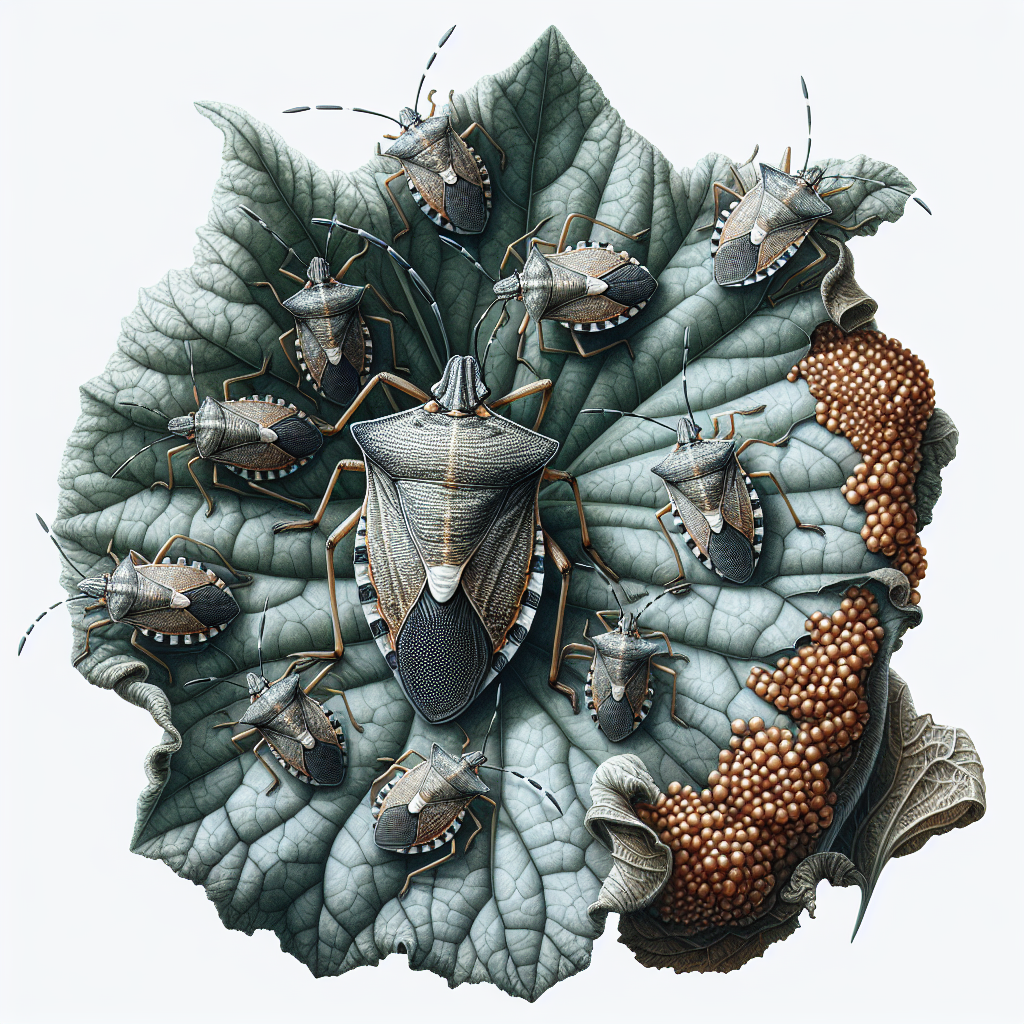
Squash bugs, scientifically known as Anasa tristis, are among the most destructive pests affecting cucurbit family crops in home gardens and commercial farms across North America. These true bugs belong to the Coreidae family and are particularly notorious for their aggressive feeding on plants like squash, pumpkin, zucchini, and cucumber. Adults are large, flat, shield-shaped insects measuring 0.5 to 0.75 inches long, with grayish-brown bodies marked by alternating brown and white stripes on the abdomen. Nymphs start grayish-white and darken to gray as they mature, clustering in groups on leaf undersides.
What makes squash bugs particularly challenging is their ability to transmit diseases and inject toxins during feeding, leading to rapid plant decline. Unlike many pests, they are highly resilient to some insecticides and reproduce quickly in warm conditions. This guide provides professional-grade diagnostic tools, lifecycle insights, organic management strategies, and prevention tactics to help growers minimize losses. Early intervention is key, as populations can explode from a few overwintering adults to hundreds per plant within weeks. For small farms, integrating these practices with tools like those in Spring Pest Patrol: Organic AI Strategies to Shield Your Crops from Common Invaders can enhance monitoring efficiency.
Identifying Symptoms & Damage
Diagnosing squash bug infestations requires keen observation of both insects and plant responses. Adults and nymphs congregate on the undersides of leaves, stems, and vines, often in masses of 10-50 individuals. Look for bronze-colored eggs laid in clusters of 20-30 on leaf undersides, arranged in tight rows resembling fish scales. Nymphs excrete a foul-smelling liquid when disturbed, a defensive mechanism that also wilts plant tissue.
Primary damage manifests as yellowing and wilting leaves, starting at the base of the plant and progressing upward. Fed-upon areas turn brown and crispy, mimicking drought stress. Vines may collapse entirely, with stems showing dark lesions or girdling from stylet insertion. Severe infestations cause stunted growth, reduced fruit set, and sunscald on fruits due to canopy loss. Differentiate from cucumber beetles by body shape—squash bugs are flatter and lack stripes or spots.
Secondary signs include sooty mold on honeydew excretions and potential spread of cucurbit yellow vine disease or bacterial wilt, though squash bugs are less efficient vectors than beetles. Scout weekly by shaking vines over white paper; falling bugs confirm presence. Use a hand lens to check for eggs. Threshold: 1 adult or 5 nymphs per leaf warrants action. In advanced stages, entire plants yellow and die, yielding no harvest—losses up to 80% in untreated fields.
Lifecycle and Progression of Squash Bugs
Understanding the squash bug lifecycle is crucial for timed interventions. There is typically one generation per year in northern regions, two in southern areas. Overwintering adults emerge in late spring (May-June) from leaf litter, crop debris, or under boards near fields. Females lay 100-200 eggs over 2-4 weeks, hatching in 7-10 days at 80°F.
Nymphs pass through five instars over 4-6 weeks: first instars are 1/10-inch pale gray spiders; later ones darken and develop wing pads. They feed gregariously, molting between stems. Adults emerge in midsummer (July-August), mating immediately and seeking new hosts. Peak damage occurs during nymphal stages, as they consume more sap. Lifespan: 2-3 months for adults.
Eggs: Flat, bronze, 1/16-inch, in double rows. Nymphs: Non-winged, gregarious feeders. Adults: Flight-capable but prefer walking, dispersing at night. Cold weather triggers diapause. Monitor with yellow sticky traps from emergence. Disrupt at eggs (remove and crush) or early nymphs for best control.
Environmental Triggers & Risk Factors
Squash bugs thrive in warm, dry conditions above 75°F, with peak activity during drought stress. Overly fertile soils with excess nitrogen promote lush growth attractive to bugs. Poor sanitation—leaving debris—provides overwintering sites. Close planting (<3 feet) hinders scouting and increases humidity, aiding survival.
Risk spikes in fields near woodlands or previous cucurbit crops. Early planting exposes tender seedlings. Companion crops like corn can act as traps but may harbor bugs if unmanaged. Climate change extends seasons, boosting generations. Weed hosts like motherwort harbor early populations. High pest pressure from stink bugs or aphids indicates vulnerability.
Organic Control & Treatment Plans
Organic management emphasizes integrated pest management (IPM). Cultural: Handpick adults/nymphs into soapy water early morning/evening. Crush egg clusters weekly. Use row covers until flowering ends. Trap crops: Early butternut squash varieties lure bugs away.
Physical: Boards under plants overnight collect hiding bugs—dispose at dawn. Tanglefoot barriers on stems. Biological: Encourage tachinid flies and parasitic wasps via nasturtium or marigold borders. Release squash bug predators like big-eyed bugs. Neem oil or insecticidal soap targets nymphs (apply evenings, 3x/week). Pyrethrin for heavy infestations, but rotate to avoid resistance.
Treatment Plan: Week 1: Scout, remove eggs/adults. Week 2-4: Soap sprays, row covers. Monitor with traps. Threshold-based: Treat if >20% leaves infested. Diatomaceous earth on stems. Avoid broad-spectrum sprays to preserve predators.
Preventing Squash Bugs in the Future
Prevention starts with site selection: Rotate cucurbits 3-4 years, avoiding prior infestation spots. Till post-harvest to expose pupae to predators/birds. Clean up volunteers and debris. Plant resistant varieties like 'Early Prolific Straightneck' or 'Multipik'. Time planting post-bug emergence (late June north).
Mulch with straw to deter laying. Interplant with radishes or onion as repellents. Use blue hubbard squash borders as traps—destroy at season end. Reflective mulches confuse adults. Solarize soil pre-planting. Scout neighbors for influx. Long-term: Build soil health to boost plant vigor against stress.
Crops Most Affected by Squash Bugs
Primarily attacks Cucurbitaceae: Squash (all types, esp. summer), pumpkin, zucchini, cucumber, watermelon, cantaloupe. Least on butternut/winter types due to toughness. Minor on melons. Avoid near sweet potato—not preferred but can spill over.