Encyclopedia
Definitive guides for crops, pests, and agricultural diseases.
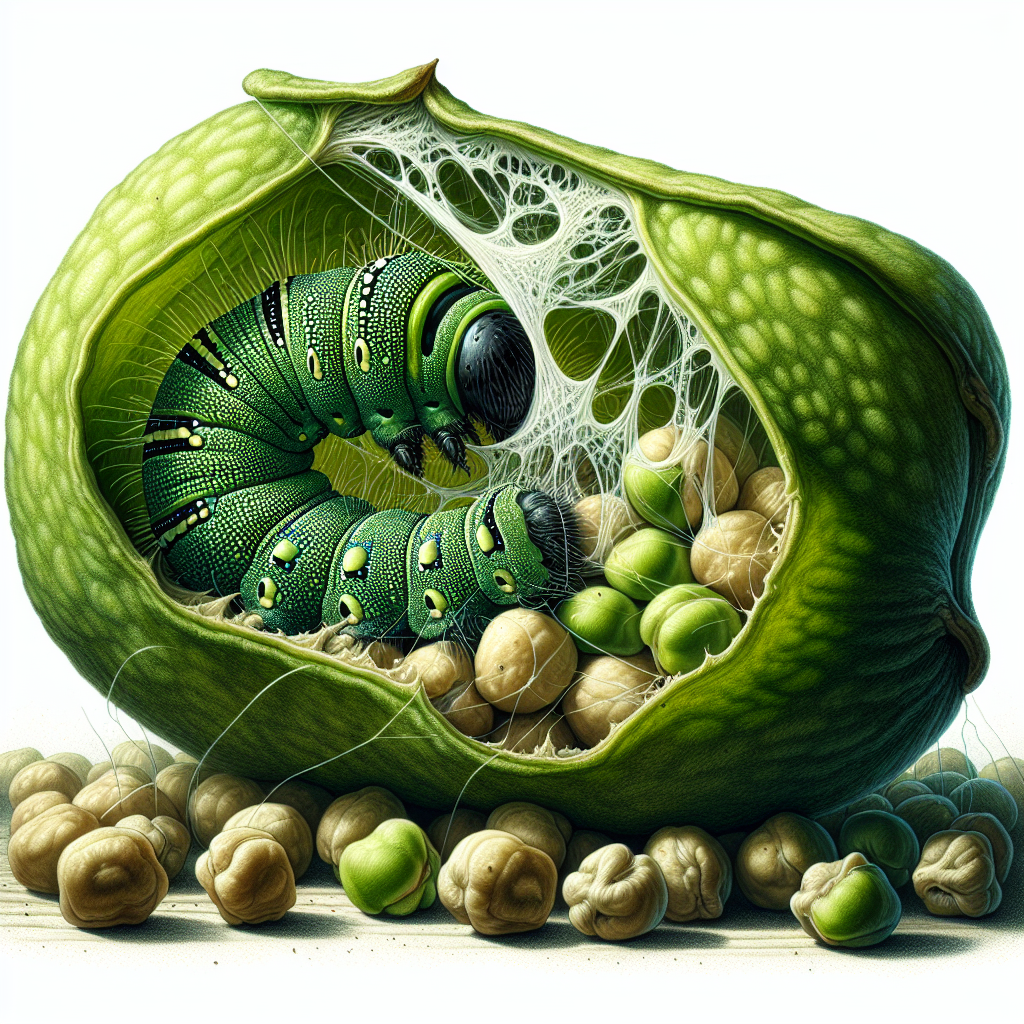
pod-feeding caterpillars
Pod-feeding caterpillars are destructive larvae of moths that target developing pods of legume crops, causing significant yield losses through feeding and contamination. This guide provides comprehensive diagnostics, lifecycle insights, organic management strategies, and prevention tactics for farmers. Effective control combines monitoring, biological agents, and cultural practices to protect high-value crops like soybeans and chickpeas.
View Profile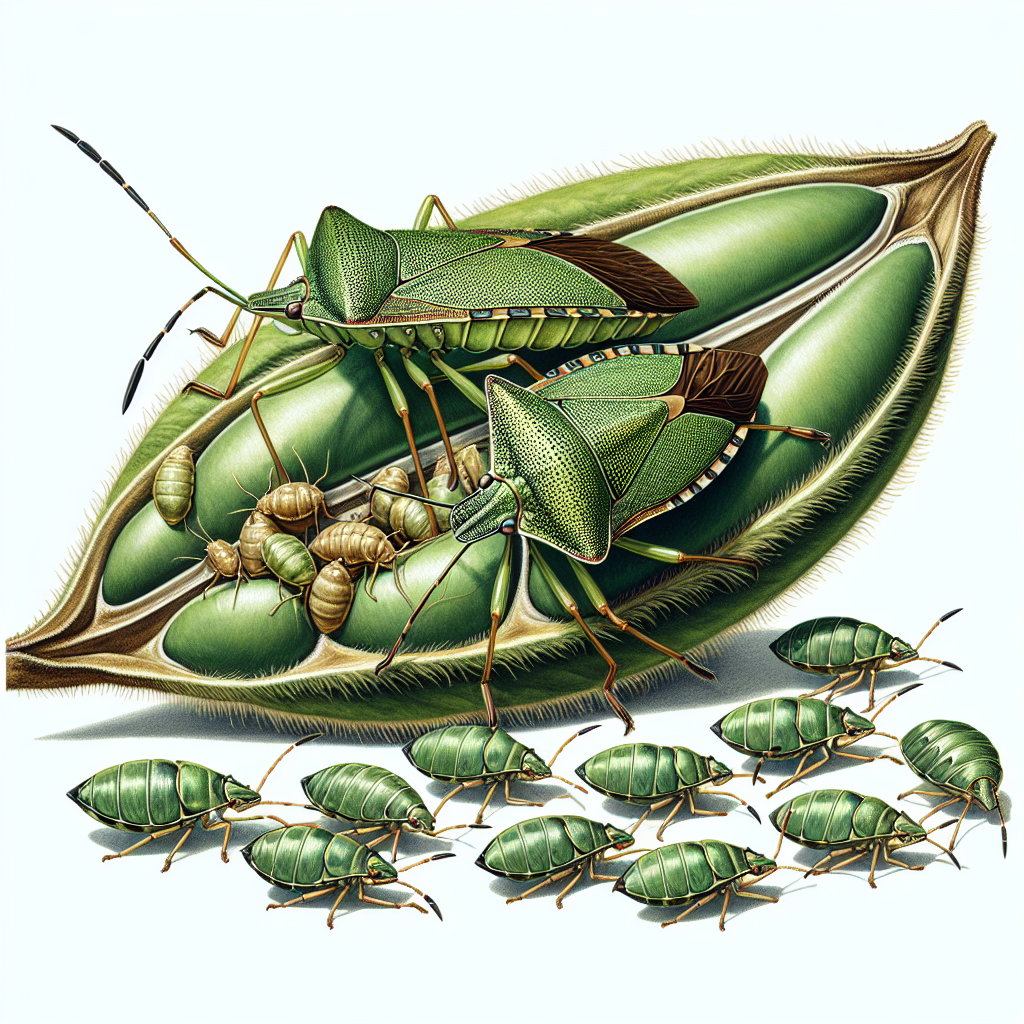
Pod-sucking bugs
Pod-sucking bugs are hemipteran pests that pierce and suck sap from developing pods of legumes, causing significant yield losses in crops like soybeans, chickpeas, and cowpeas. These bugs inject toxic saliva that disrupts plant physiology, leading to pod deformation, seed abortion, and secondary infections. Effective management combines cultural practices, biological controls, and timely monitoring for sustainable agriculture.
View Profile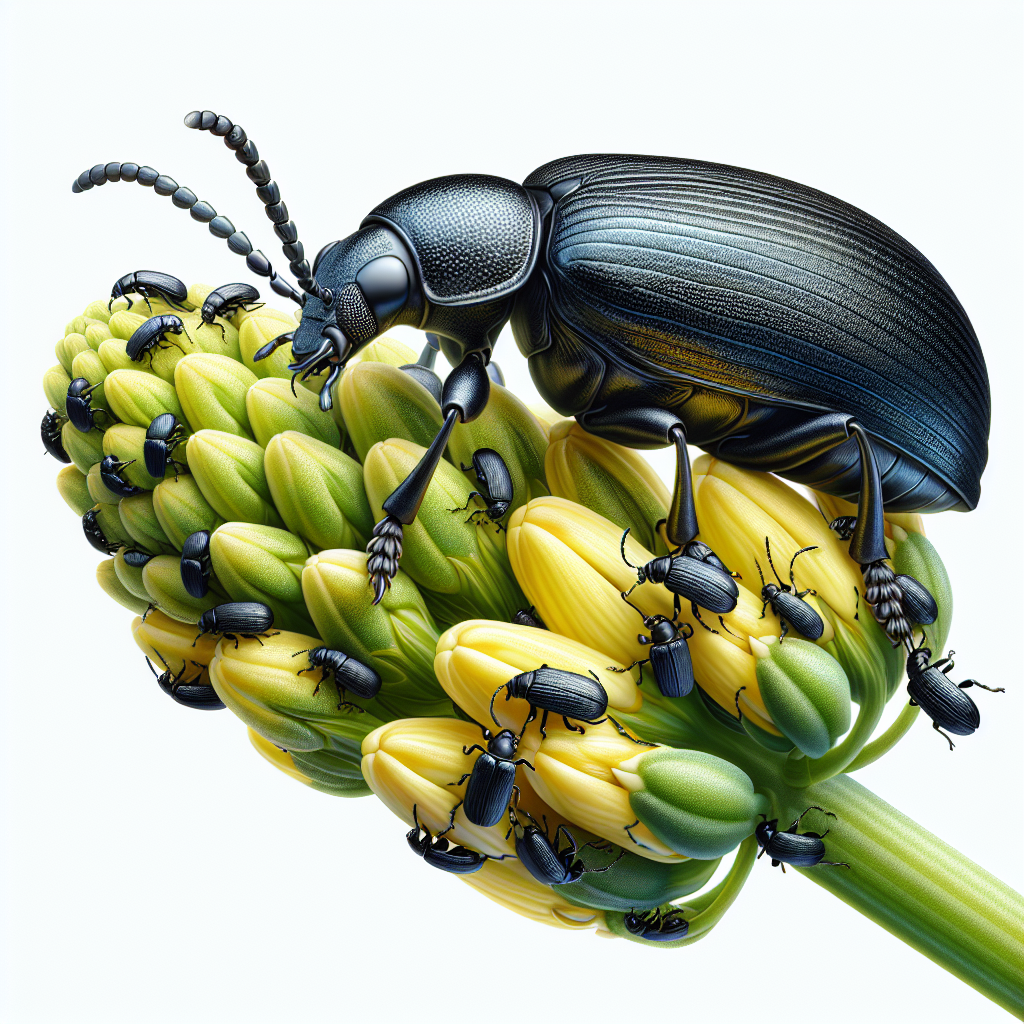
Pollen beetle
Pollen beetles (Meligethes aeneus) are small, shiny black beetles that primarily target the buds and flowers of oilseed crops like rapeseed, causing significant yield losses if unmanaged. This guide provides comprehensive diagnostics, lifecycle insights, organic management strategies, and prevention tips for farmers. Effective control relies on monitoring thresholds, cultural practices, and natural predators to minimize damage.
View Profile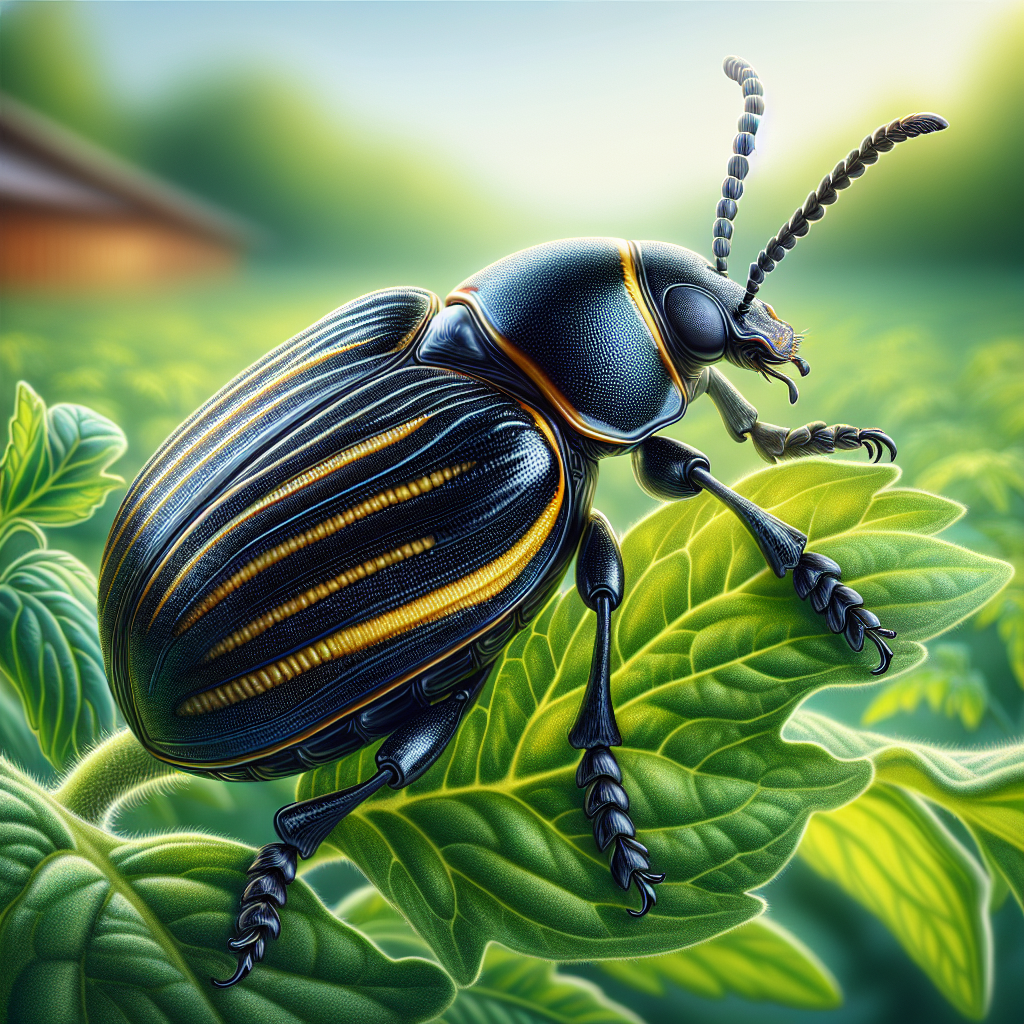
Pollu beetle
The Pollu beetle (Pollus infestans) is a destructive polyphagous pest notorious for ravaging leaves, fruits, and roots across a wide range of crops, leading to significant yield losses in warm, humid climates. This guide provides comprehensive diagnostics, lifecycle insights, organic management strategies, and prevention tactics for farmers battling this invasive beetle. Early detection and integrated organic controls are key to minimizing damage and protecting harvests.
View Profile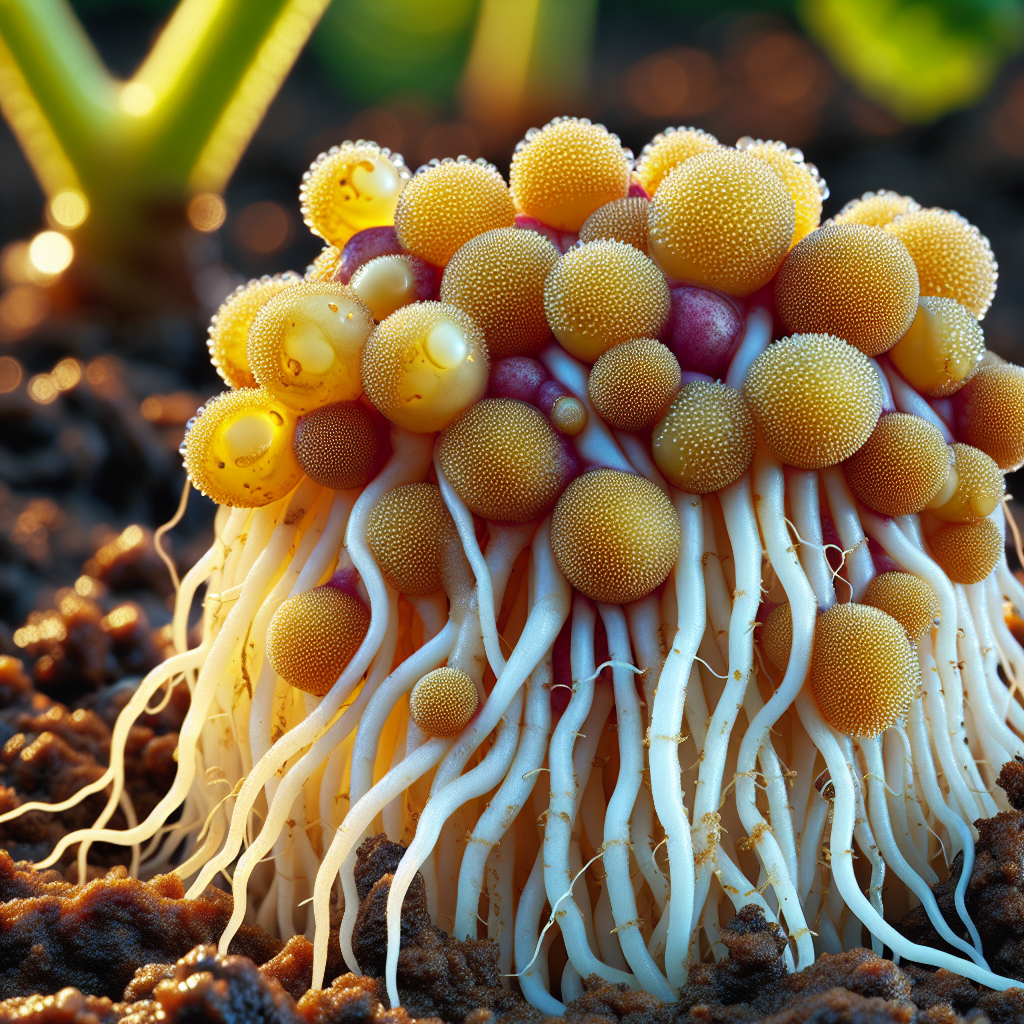
Potato cyst nematodes
Potato cyst nematodes (PCN) are microscopic soil-dwelling worms that severely damage potato crops by feeding on roots, causing stunted growth and yield losses up to 80%. Two main species, Globodera rostochiensis (golden cyst nematode) and Globodera pallida (white cyst nematode), persist in soil for decades as dormant cysts. Effective management requires integrated strategies including resistant varieties, crop rotation, and soil testing.
View Profile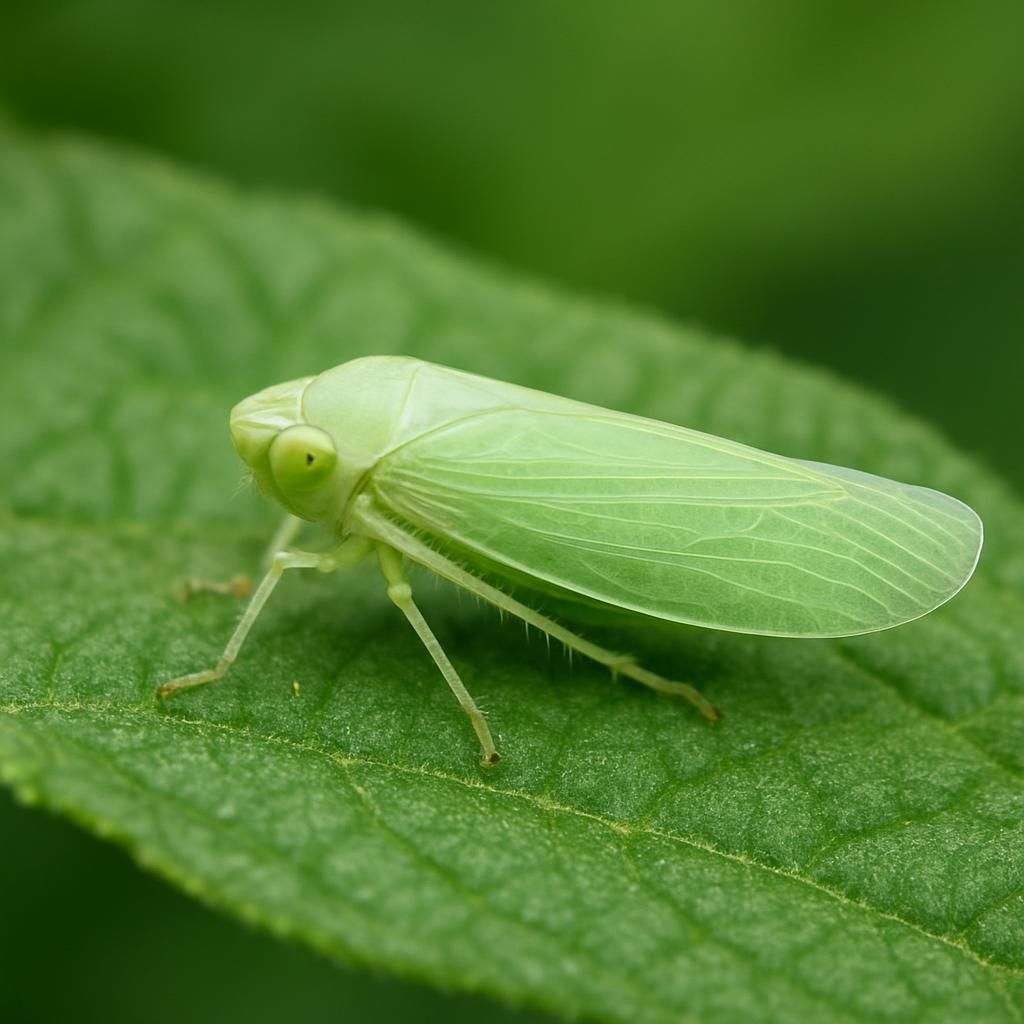
Potato leafhopper
The potato leafhopper is a small, wedge-shaped insect that causes hopperburn in potatoes, beans, and many other crops through toxic saliva injection. Early detection and integrated management are essential to prevent significant yield losses across commercial and home gardens.
View Profile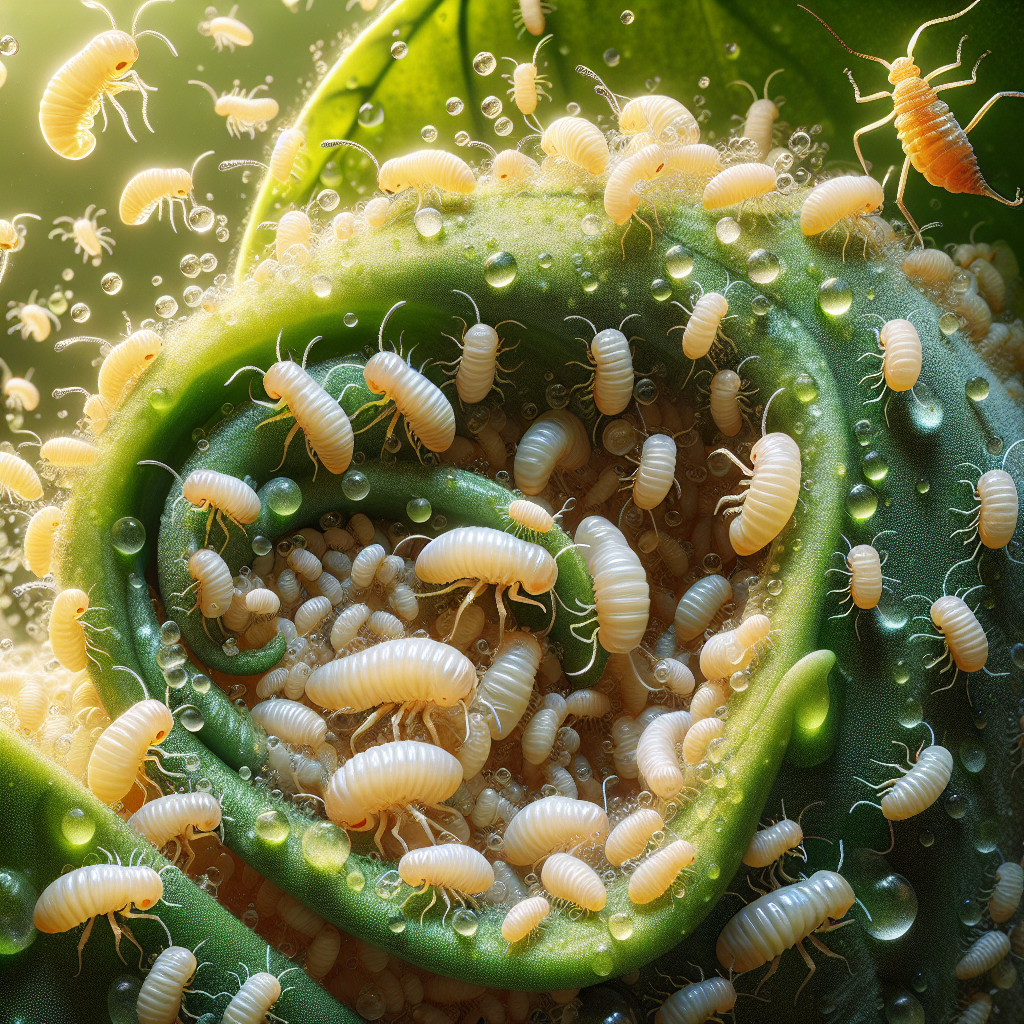
Psyllids
Psyllids are small, sap-sucking insects that damage crops by feeding on phloem and transmitting plant diseases like citrus greening. Recognizable by their jumping ability and honeydew secretions, they thrive in warm climates and can devastate orchards and gardens. Effective management combines organic controls, cultural practices, and vigilant monitoring for long-term prevention.
View Profile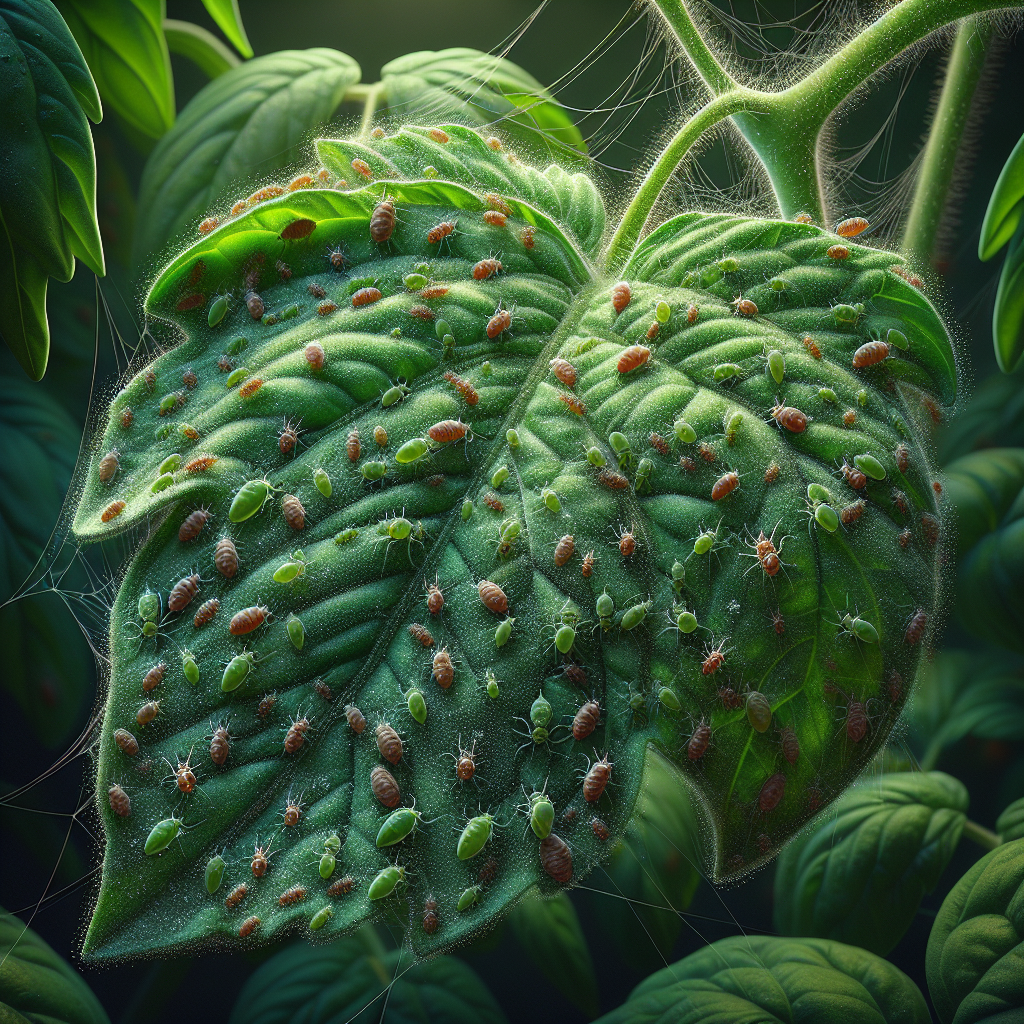
Pyrethroids
Pyrethroids represent a critical class of synthetic insecticides widely used in agriculture to combat pests like aphids and spider mites, mimicking natural pyrethrins from chrysanthemum flowers. While highly effective for rapid pest knockdown, their overuse has led to resistance issues and environmental concerns in crops such as cotton and tomatoes. This guide provides diagnostic signs of pyrethroid reliance, management strategies focusing on rotation and organic alternatives, and prevention tactics for sustainable farming.
View Profile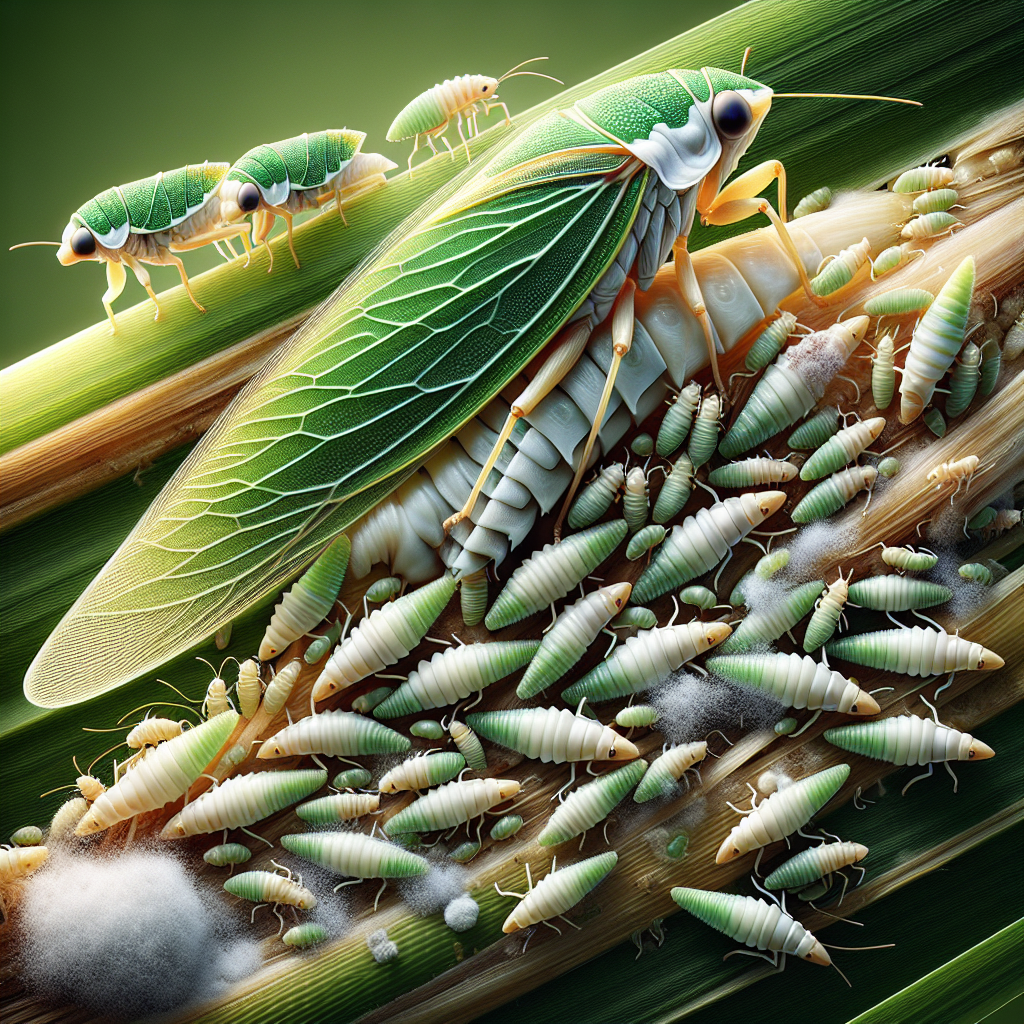
Pyrilla leafhopper
The Pyrilla leafhopper (Pyrilla perpusilla) is a major sap-sucking pest primarily affecting sugarcane and rice crops in tropical Asia. It causes direct feeding damage, transmits sooty mold, and leads to significant yield losses through honeydew excretion and stunting. Effective management combines cultural practices, biological controls, and organic treatments for sustainable control.
View Profile
Rabbits
Rabbits are prolific herbivores that devastate gardens and crops by rapidly consuming tender vegetation, bark, and roots. Common in agricultural areas worldwide, they cause significant economic losses through browsing and girdling. Effective management combines exclusion, repellents, and habitat modification for sustainable control.
View Profile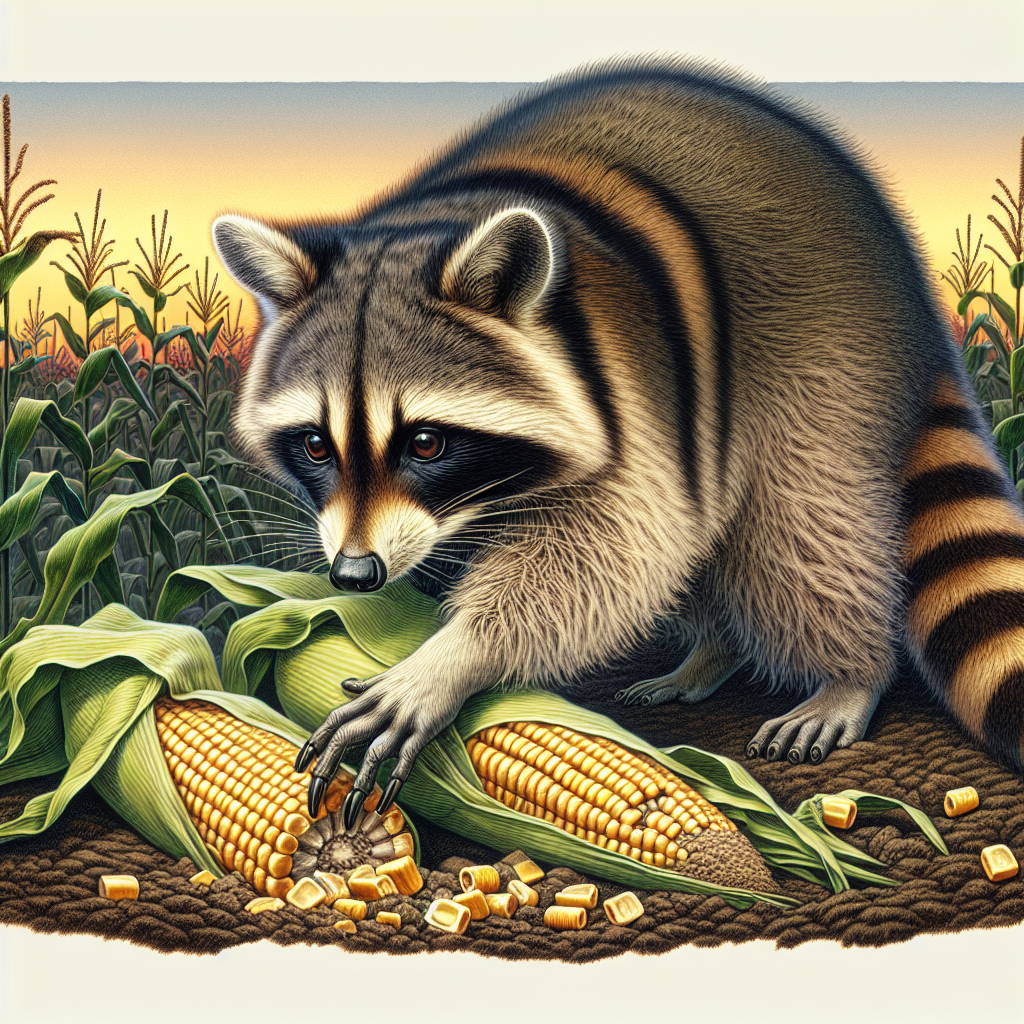
raccoons
Raccoons (Procyon lotor) are highly intelligent, nocturnal mammals notorious for raiding agricultural fields, gardens, and storage areas in search of food. These opportunistic feeders cause extensive damage to crops like corn, fruits, and vegetables by digging, pulling, and consuming produce. Effective management combines exclusion, repellents, habitat modification, and deterrence to protect yields without harm.
View Profile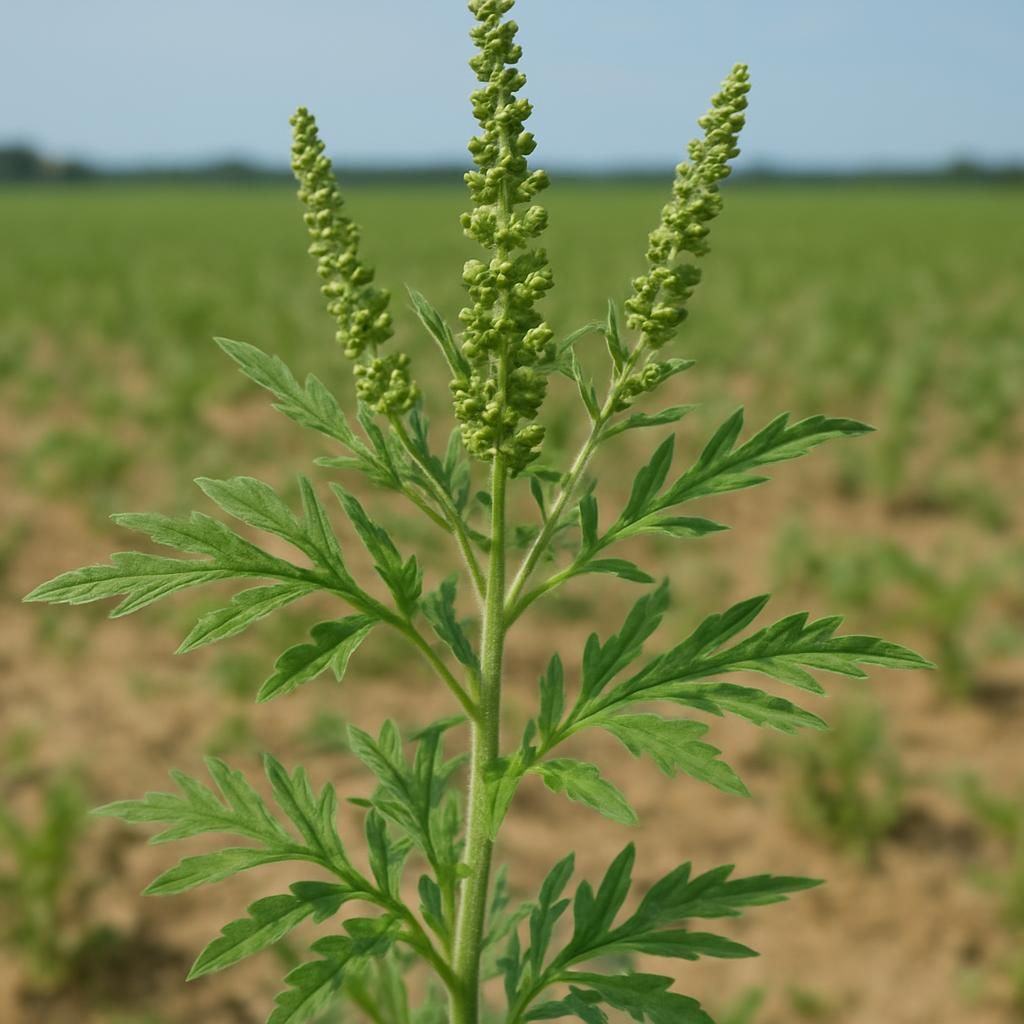
ragweed
Ragweed is a highly invasive annual broadleaf weed that competes aggressively with crops for nutrients, water, and light while producing copious allergenic pollen. Effective identification, lifecycle tracking, and integrated management are essential to protect yields and reduce future infestations.
View Profile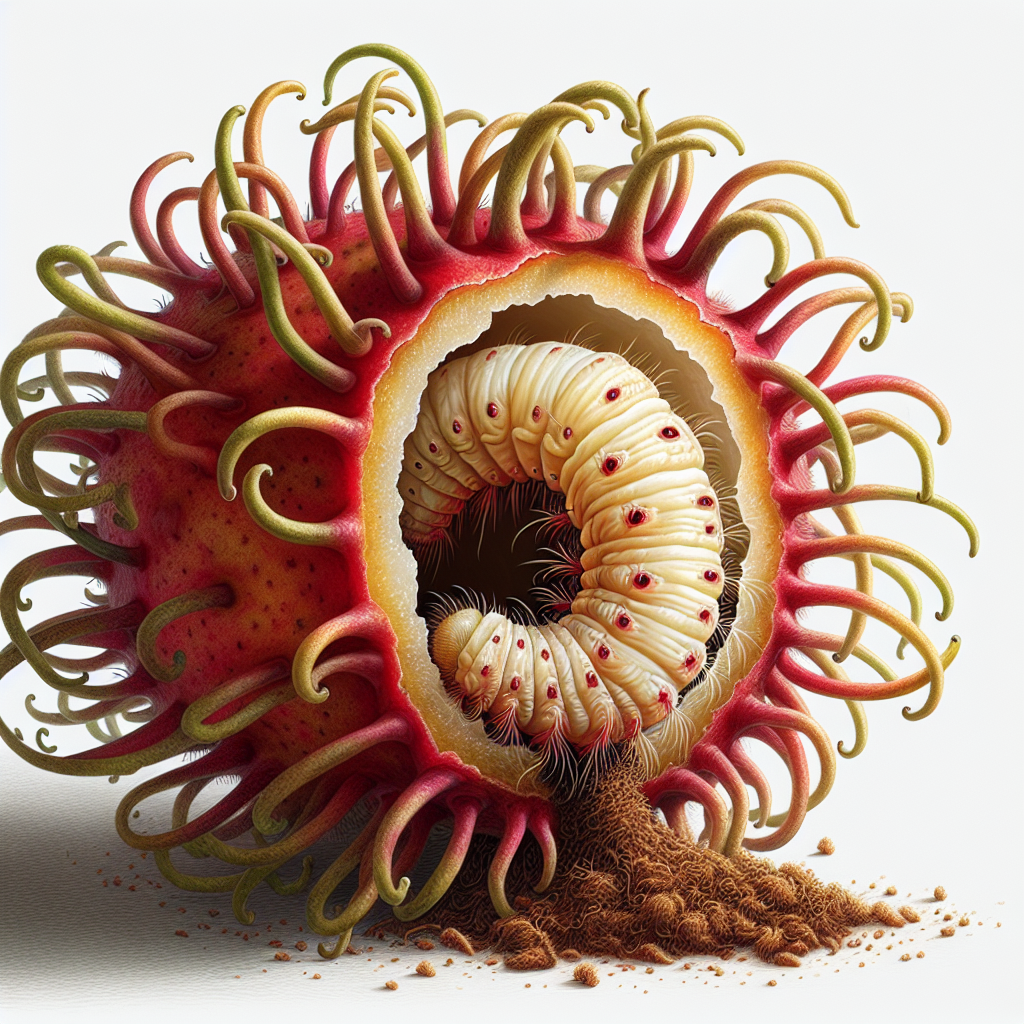
Rambutan Fruit Borer
The rambutan fruit borer (Conopomorpha sinensis) is a destructive moth pest targeting rambutan orchards in Southeast Asia, boring into fruits and causing significant yield losses. This guide provides comprehensive diagnostics, lifecycle details, organic management strategies, and prevention tips for farmers. Early detection and integrated organic controls can minimize damage effectively.
View Profile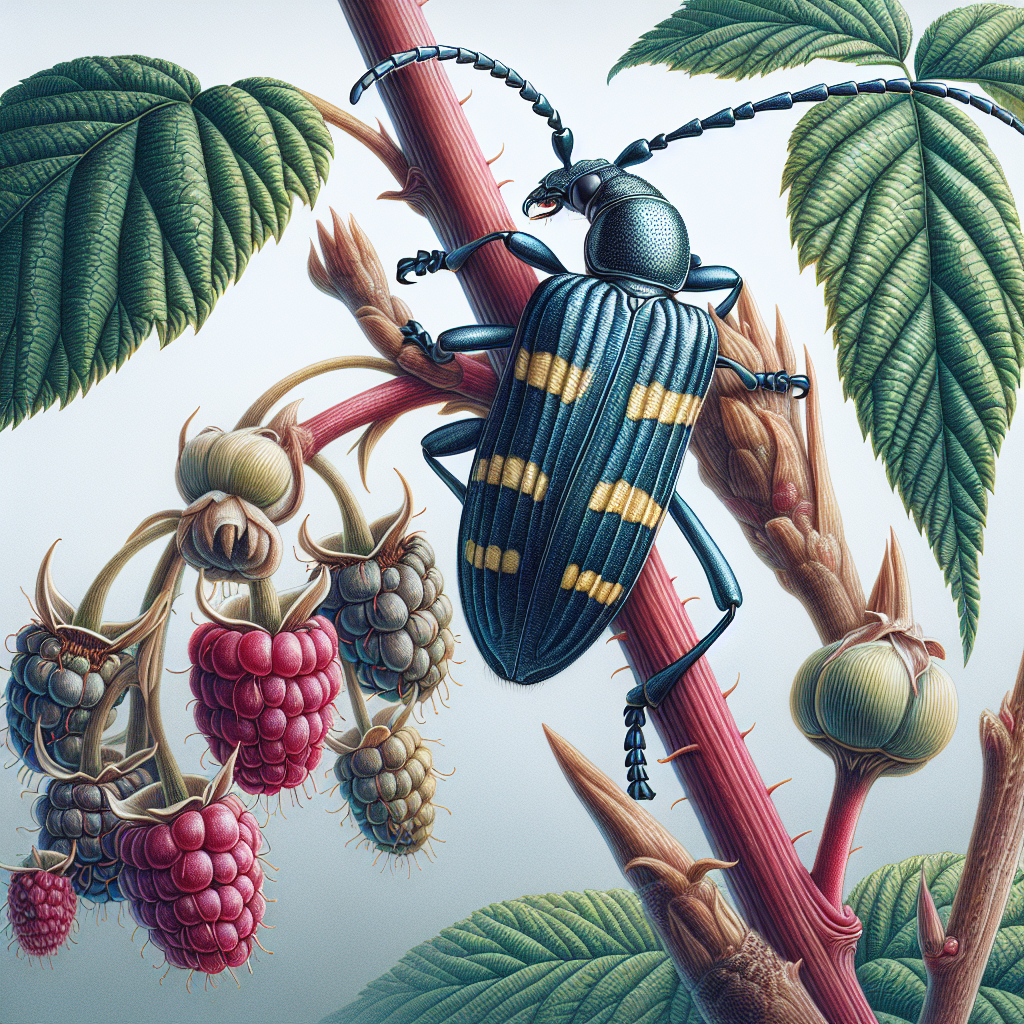
Raspberry cane borer
The raspberry cane borer is a destructive longhorned beetle that attacks raspberry and blackberry canes, causing wilting and dieback through larval tunneling. Early identification of entry and exit holes is crucial for effective management. Organic control focuses on sanitation, insecticides, and cultural practices to protect yields.
View Profile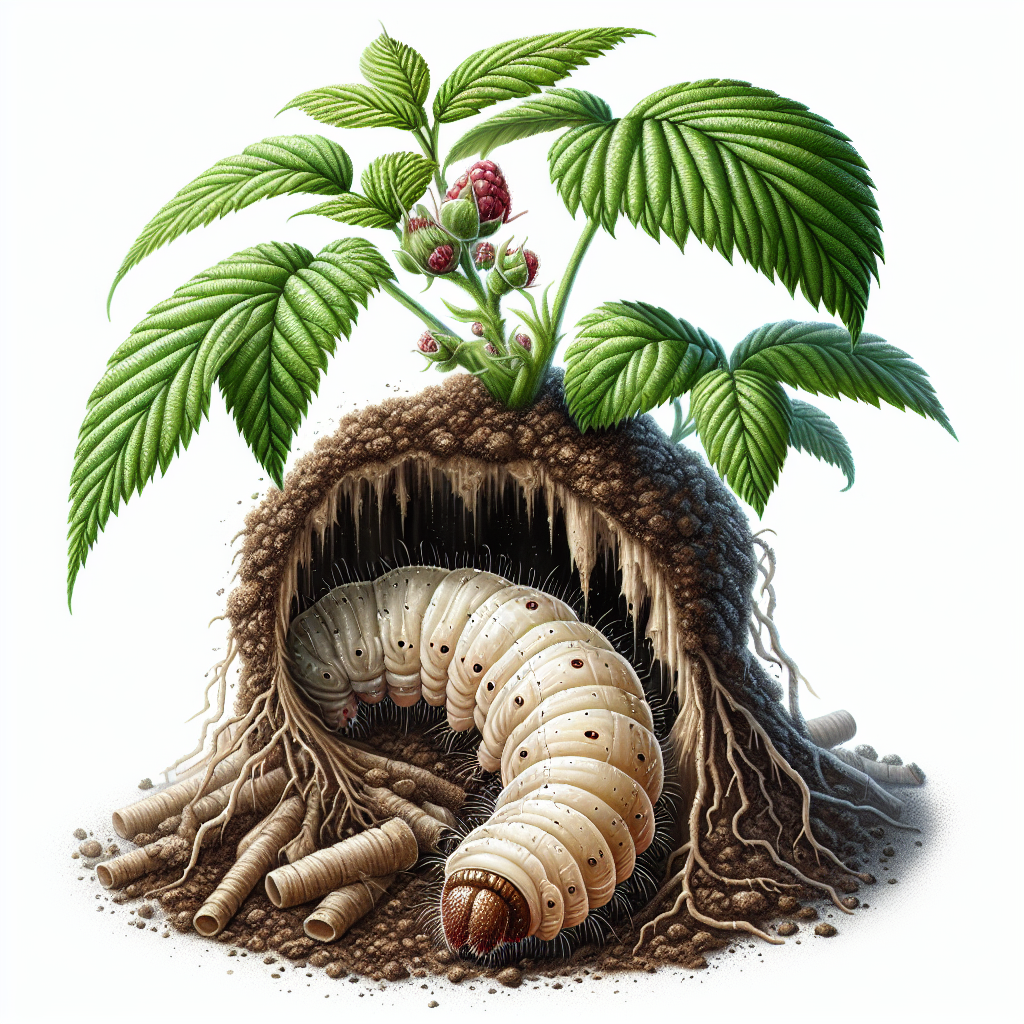
raspberry crown borer
The raspberry crown borer (Pennisetia marginata) is a destructive pest of raspberry and blackberry plants, with larvae boring into crowns and roots causing plant wilting and death. This guide provides comprehensive diagnostics, lifecycle details, organic management strategies, and prevention tips for growers. Early detection and integrated cultural practices are key to minimizing losses in bramble crops.
View Profile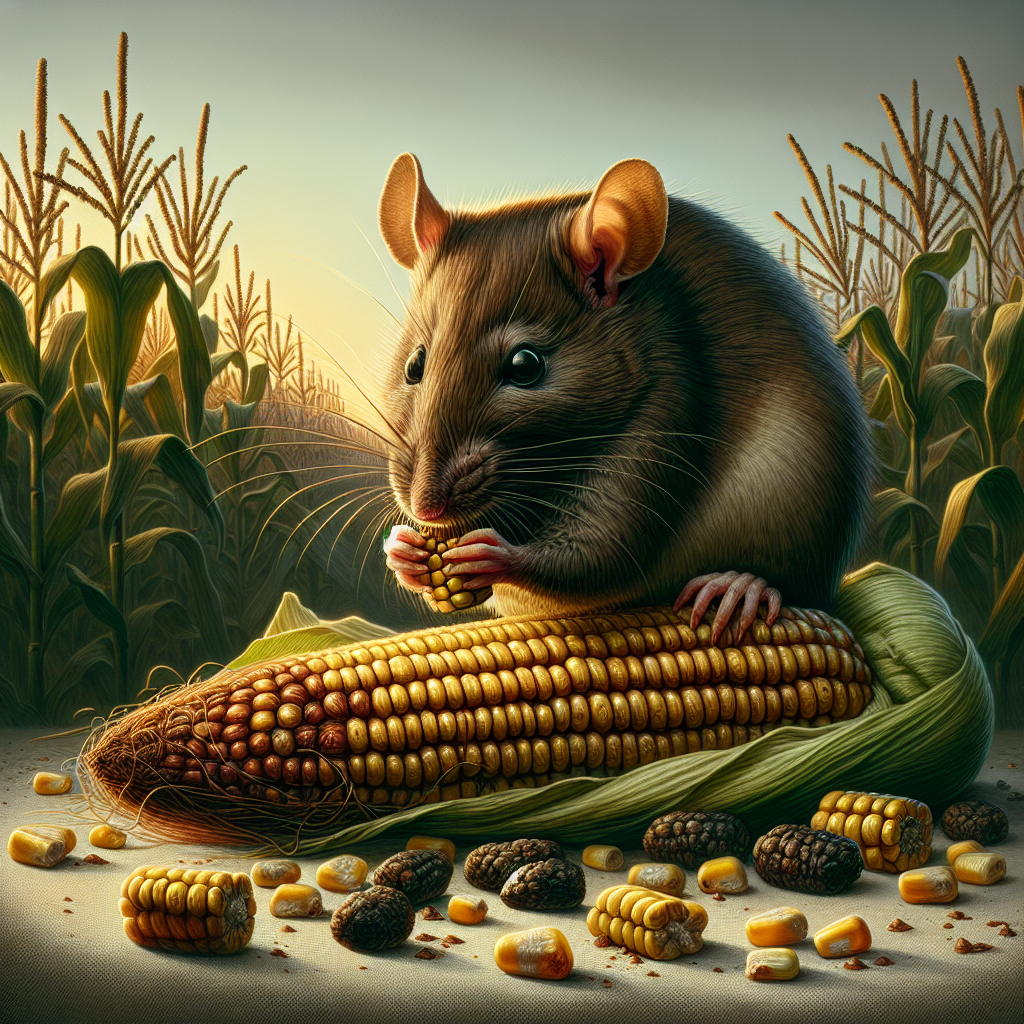
Rats
Rats are highly destructive rodent pests in agriculture, causing billions in crop losses annually through feeding, contamination, and disease transmission. This guide provides professional diagnostics, organic management strategies, and prevention tactics tailored for farmers. Effective control combines sanitation, exclusion, and natural predation to safeguard yields.
View Profile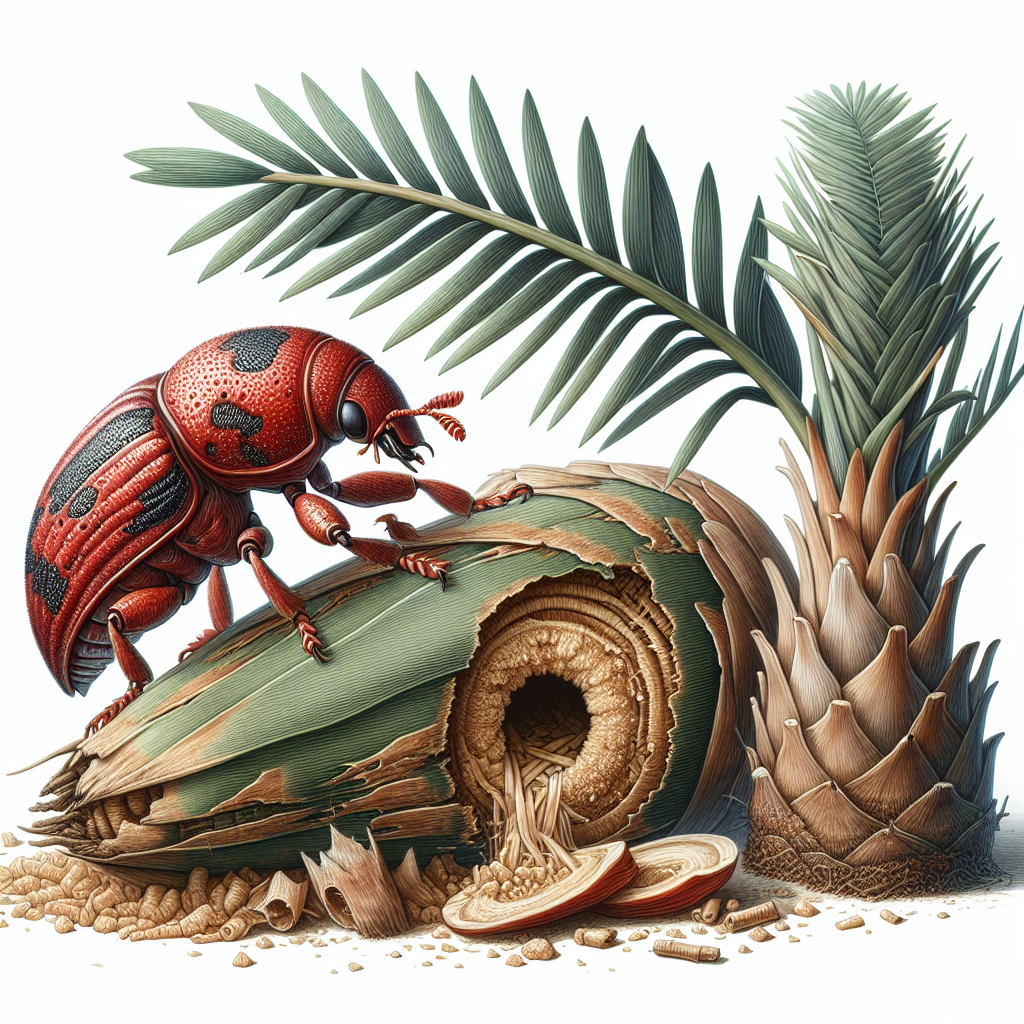
Red palm weevil
The red palm weevil is a highly destructive pest targeting palm trees worldwide, boring into trunks and crowns causing rapid tree decline and death. Early detection through symptom identification and integrated management strategies are crucial for control. This guide provides comprehensive diagnostics, organic treatments, and prevention tactics for affected crops like date palms and coconut palms.
View Profile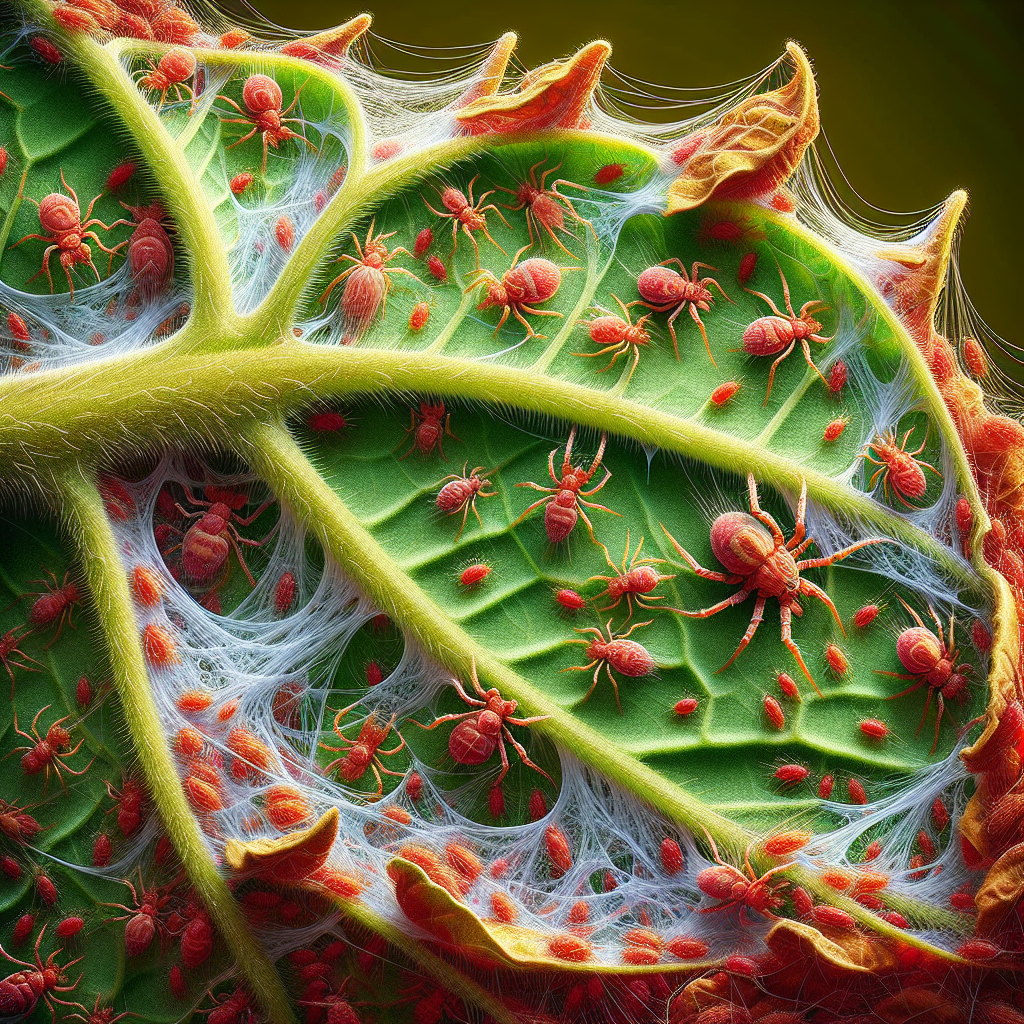
red spider mite
The red spider mite (Tetranychus urticae) is a tiny arachnid pest that causes severe damage to crops by sucking plant sap, leading to stippling, leaf bronzing, and reduced yields. Highly prolific in hot, dry conditions, it affects a wide range of plants including tomatoes, peppers, and beans. Effective management combines organic controls like predatory mites, miticides, and cultural practices for prevention.
View Profile
redberry mite
The redberry mite (Acalitus essigi) is a microscopic eriophyid mite that infests blackberries and raspberries, causing drupelets to remain red and hard, rendering fruit unmarketable. This pest thrives in warm, humid conditions and completes multiple generations per season, making early detection and management crucial for berry crops. Organic control focuses on sulfur applications, resistant varieties, and cultural practices to minimize damage.
View Profile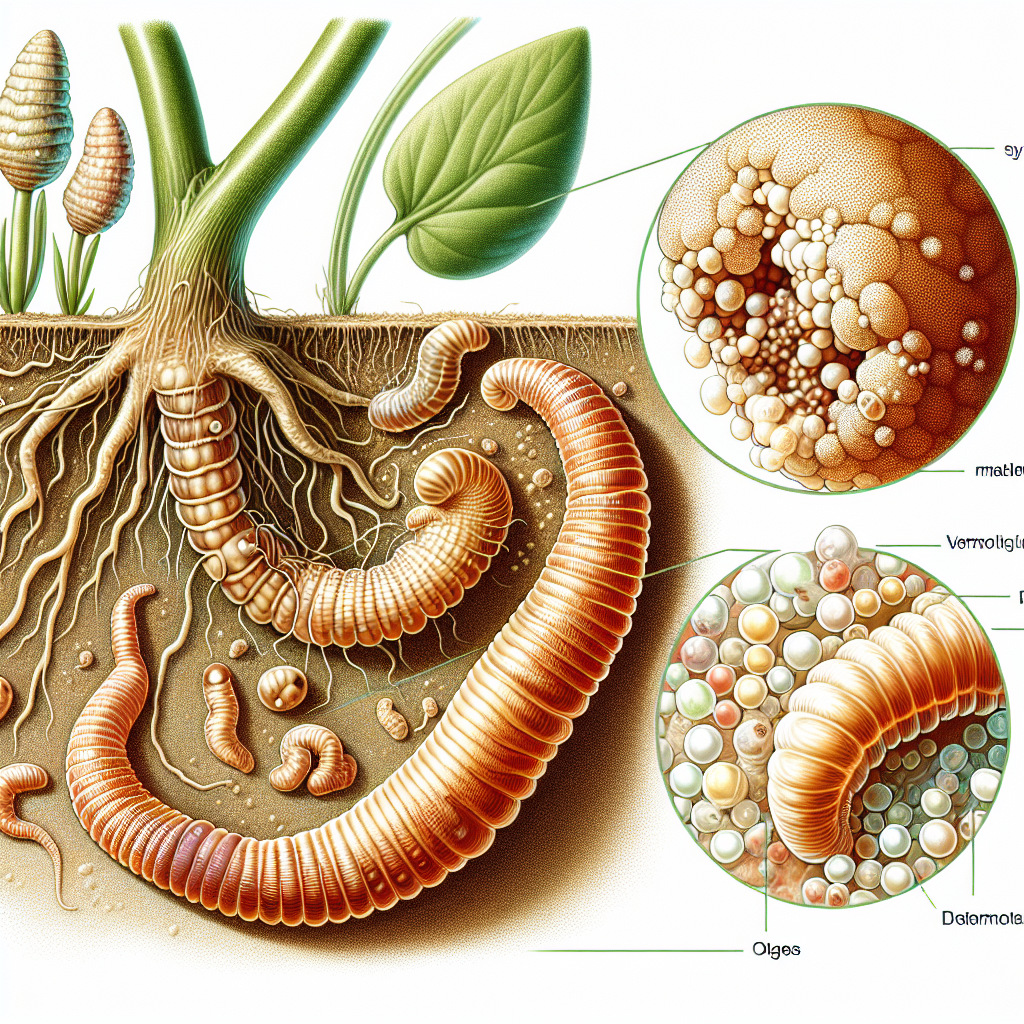
Reniform nematodes
Reniform nematodes (Rotylenchulus reniformis) are microscopic, kidney-shaped plant-parasitic worms that attack root systems, causing stunted growth and yield losses in warm-climate crops. Highly persistent in soil, they thrive in sandy soils and are notoriously difficult to eradicate without integrated management. This guide provides diagnostic symptoms, lifecycle details, organic controls, and prevention strategies for affected farmers.
View Profile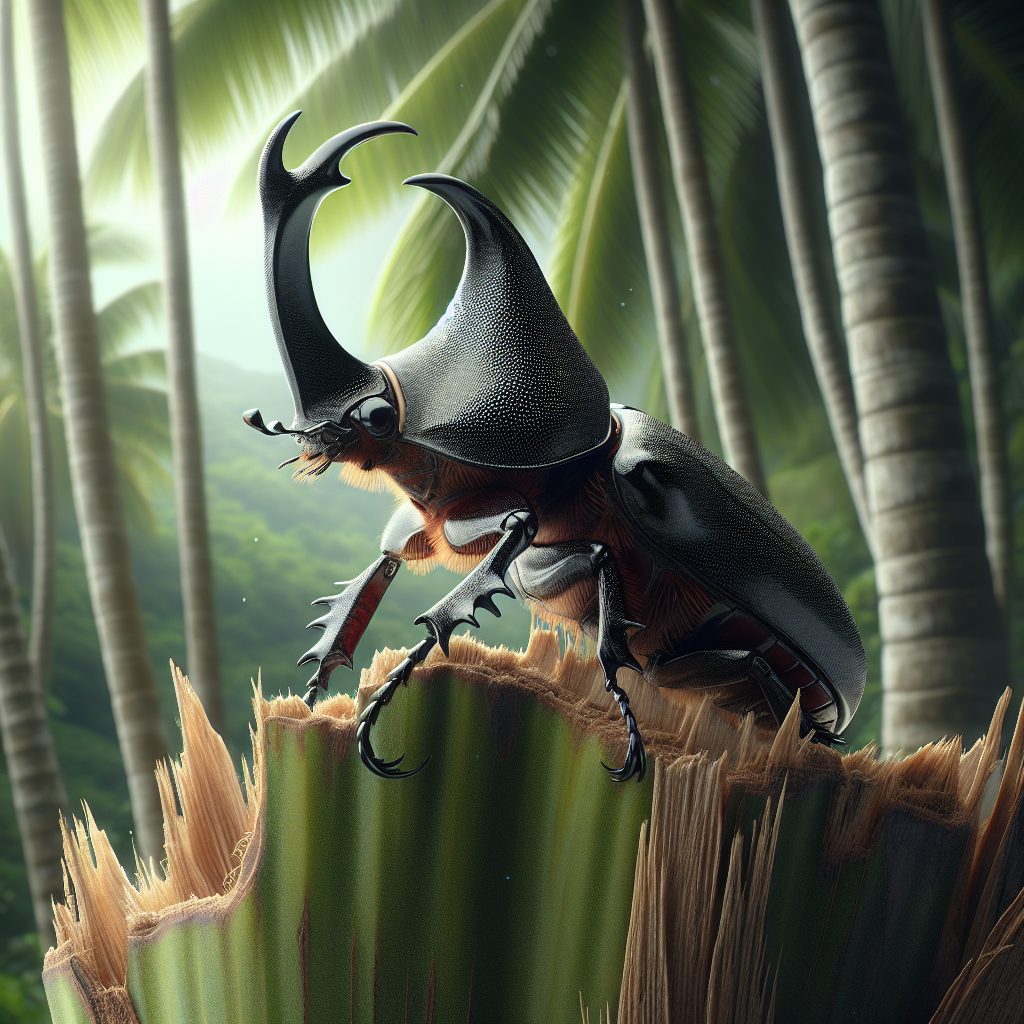
Rhinoceros beetle
The rhinoceros beetle (Oryctes rhinoceros) is a destructive palm pest notorious for boring into trunks and crowns, causing severe structural damage and yield losses in coconut, oil palm, and date palm plantations. This comprehensive guide covers identification, lifecycle, organic management strategies, and prevention tactics for farmers worldwide. Early detection and integrated pest management are key to minimizing economic impacts.
View Profile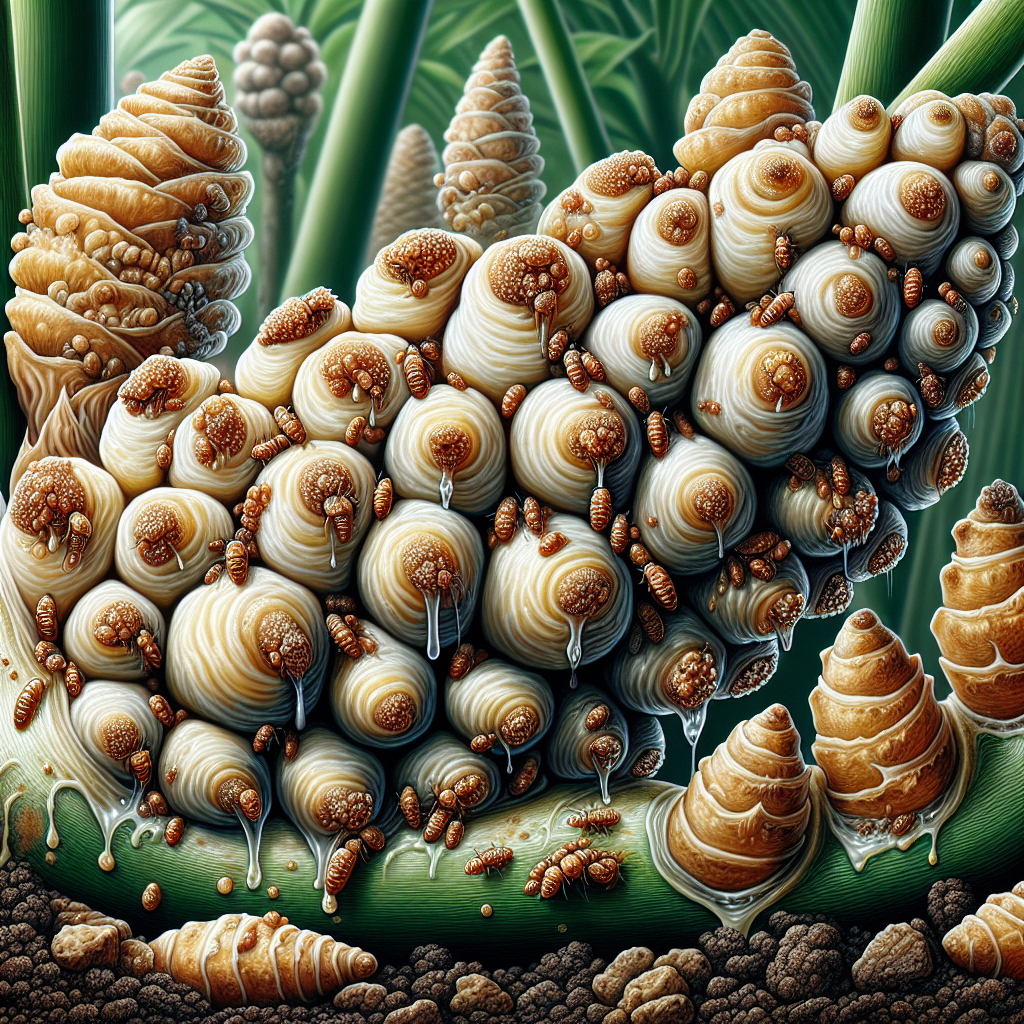
Rhizome scale insects
Rhizome scale insects are armored scale pests that infest underground rhizomes of tropical and subtropical crops, sucking sap and causing severe root decline. They thrive in warm, humid conditions and are particularly devastating to ginger, turmeric, and banana crops. Early detection and integrated organic management are crucial for effective control.
View Profile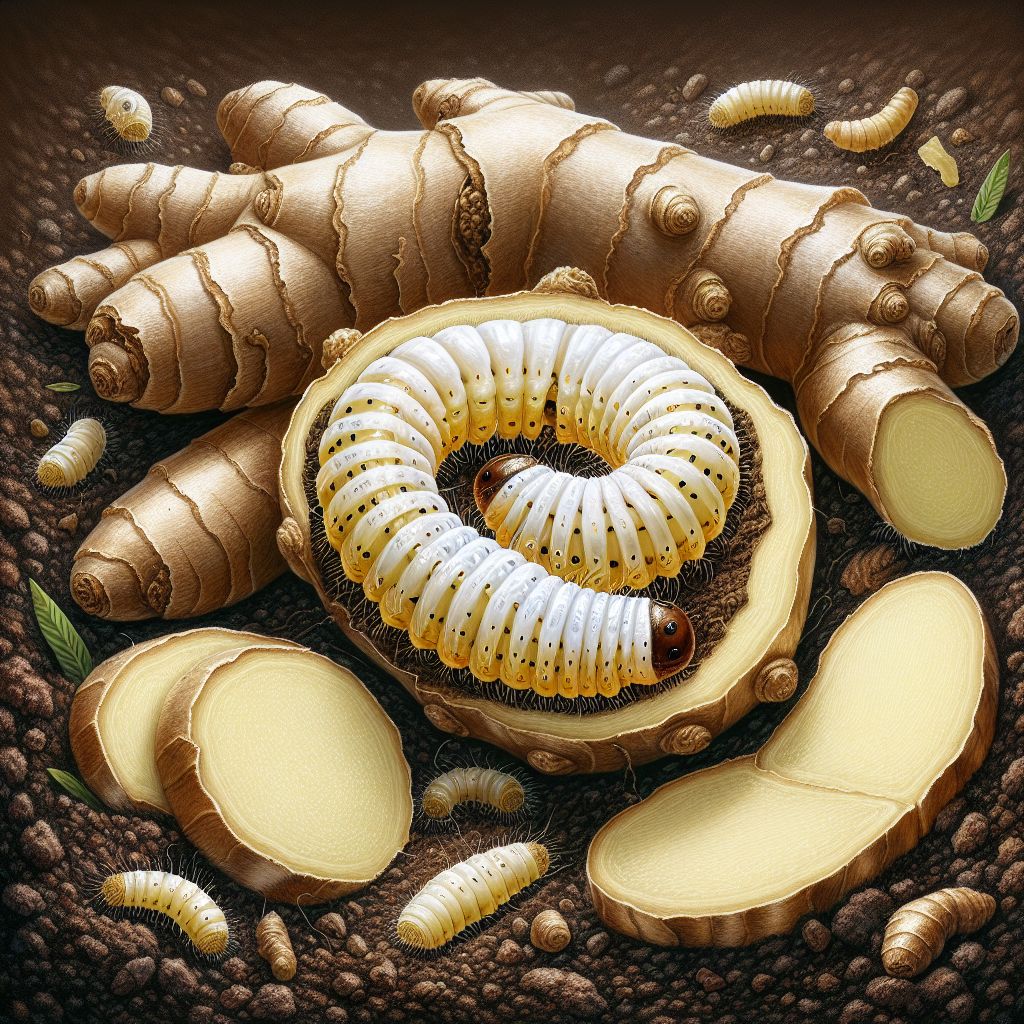
rhizome-boring larvae
Rhizome-boring larvae are the destructive underground grubs of beetles and moths that tunnel into plant rhizomes, causing wilting, stunted growth, and plant death in tropical and subtropical crops. These pests target high-value rhizomatous plants like ginger, turmeric, and banana, leading to significant yield losses if unmanaged. This guide provides comprehensive diagnostics, organic management strategies, and prevention tactics for effective control.
View Profile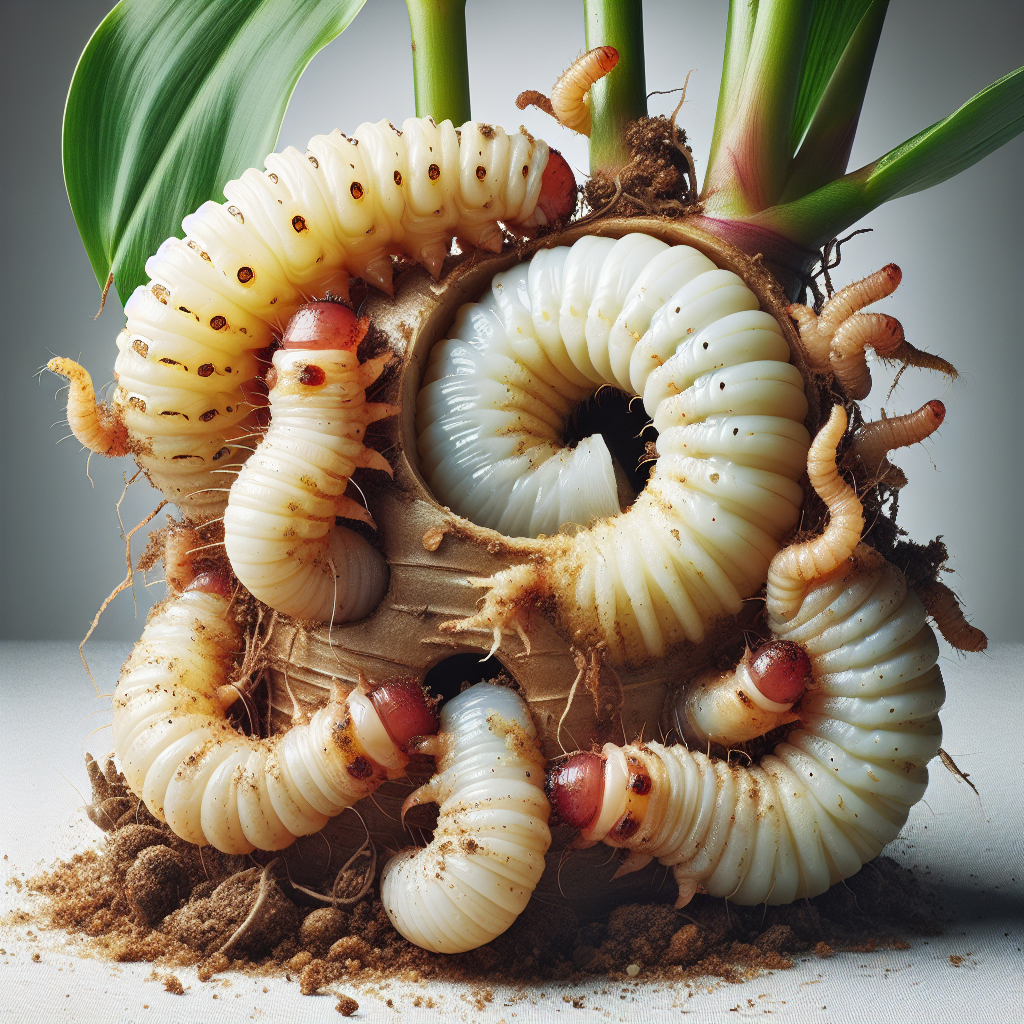
Rhizome-feeding larvae
Rhizome-feeding larvae are soil-dwelling grubs that target the underground rhizomes and roots of crops like ginger, turmeric, and banana, causing severe wilting and plant death. These pests are particularly devastating in tropical and subtropical agriculture, leading to significant yield losses if not managed properly. This guide provides comprehensive diagnostics, organic control strategies, and prevention tactics for effective management.
View Profile