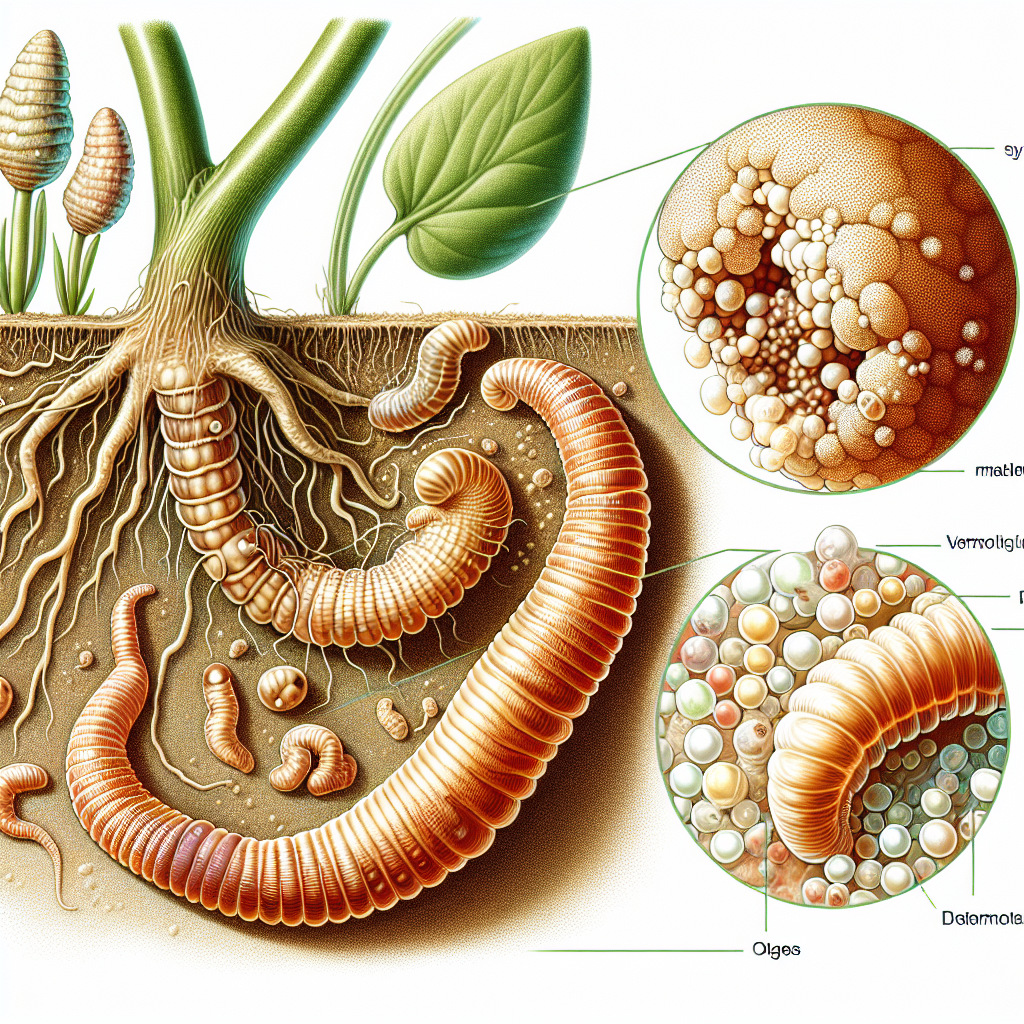
Introduction to Reniform nematodes
Reniform nematodes, scientifically known as Rotylenchulus reniformis, represent one of the most destructive soilborne pests in tropical and subtropical agriculture. These microscopic roundworms, measuring just 0.4-0.6 mm in length, derive their common name from the kidney-shaped (reniform) adult females. Unlike more mobile nematodes, reniform nematodes are sedimenters, meaning they remain in the topsoil layers where they feed on plant roots, disrupting nutrient and water uptake. First identified in India in 1962, they have since spread globally, posing severe threats to high-value crops in regions like the southeastern United States, Brazil, West Africa, and India.
Farmers often overlook reniform nematodes until significant damage appears, as symptoms mimic drought or nutrient deficiencies. Populations can build rapidly under favorable conditions, with females producing up to 100 eggs each, leading to exponential infestations. Yield losses can exceed 50% in cotton, soybeans, and other susceptible crops, making early detection and management critical. This definitive guide equips agricultural professionals with diagnostic tools, lifecycle insights, organic control strategies, and long-term prevention tactics to safeguard productivity. For more on related soil pests, see root-knot nematodes.
Understanding reniform nematodes is essential for sustainable farming, especially in nematode-prone areas. Their resilience to many control methods stems from protected egg stages and obligatory parasitism on host roots. Integrated approaches combining cultural practices, resistant varieties, and biological agents offer the best defense. As climate change expands suitable habitats, proactive management will determine farm viability.
Identifying Symptoms & Damage
Diagnosing reniform nematodes requires keen observation of above- and below-ground indicators. Above-ground symptoms include stunted plant growth, yellowing leaves (chlorosis), and wilting during midday even under adequate irrigation—often termed 'maturation arrest.' Affected plants appear uneven in fields, with patches of poor vigor amid healthier ones. Roots exhibit sparse, stubby feeder roots, dark lesions, and galls less pronounced than those from root-knot nematodes. In severe cases, roots may show cortical discoloration and necrosis, reducing their absorptive capacity.
Damage severity correlates with nematode density: low levels (under 100 per 100 cm³ soil) cause subtle yield dips, while high populations (over 1,000) lead to 30-75% losses. In cotton, expect reduced boll set and lint quality; in soybeans, fewer pods and smaller seeds. Dig up roots during peak growing seasons (summer in tropics) and inspect for swollen, flask-shaped females embedded in root tissue. Soil sampling at 15-30 cm depth, processed via centrifugal flotation or Baermann funnel extraction, confirms presence. Thresholds vary: 200-500 nematodes/100 cm³ soil warrants action in cotton.
Secondary issues compound damage, as wounded roots invite root rot pathogens like Fusarium or Pythium. Differentiate from drought by noting persistence post-watering and root inspection. Use assay kits or lab services for precise counts. Early ID prevents spread via equipment or floodwater.
Lifecycle and Progression of Reniform nematodes
Reniform nematodes complete their lifecycle in 21-30 days under optimal conditions (27-34°C soil temperature), enabling 8-12 generations per growing season. Males are vermiform (worm-like, 0.4-0.5 mm), while immature females swell to reniform adults upon reaching maturity. The cycle begins with eggs hatching into first-stage juveniles (J1), which molt four times to adults. Notably sedentary, adult females embed in roots, inserting their stylet to withdraw contents while injecting enzymes that kill root cells, forming feeding sites called syncytia.
Juveniles penetrate roots near tips, migrating intercellularly. Males exit roots to mate, but reproduction is often parthenogenetic (females produce offspring without males). Eggs laid in root lesions or soil masses protect against desiccation. Dispersal occurs passively via windblown soil, irrigation, or machinery. Cold halts development below 15°C; populations survive years in dry soils.
Progression peaks mid-summer, with females peaking at 4-6 weeks post-planting. Monitor via monthly soil samples. Lifecycle knowledge informs timing for controls, targeting juveniles during hatch.
Environmental Triggers & Risk Factors
Reniform nematodes flourish in warm, sandy soils (pH 5.5-7.0) with temperatures above 25°C. Continuous monocropping of hosts like cotton or soybeans builds populations exponentially. Poor drainage and over-irrigation create ideal moist microhabitats (60-80% field capacity). Infested equipment, flood-prone fields, and imported seedlings spread them rapidly.
Risk spikes in the U.S. Cotton Belt, where sandy-loam soils prevail. Cover crops like velvetbean suppress, but grasses like corn exacerbate via non-host status allowing buildup. Drought stress amplifies damage by limiting root compensation. Climate warming extends ranges northward. Assess risk via pre-plant soil tests; rotate with antagonists like marigold to disrupt cycles.
Organic Control & Treatment Plans
Organic management emphasizes integrated nematode management (INM), avoiding synthetic nematicides. Crop Rotation: Rotate with poor hosts like corn, peanuts, or sorghum for 2-3 years, reducing populations 70-90%. Resistant Varieties: Select cotton lines like 'Fibermax 904' or soybean 'UA 4919' with tolerance.
Biological Controls: Apply Paecilomyces lilacinus or Pochonia chlamydosporia at 10^6 spores/g soil pre-planting; these egg-parasitic fungi achieve 50-70% suppression. Purpureocillium lilacinum DSM 1514 integrates well. Organic Amendments: Incorporate 20-30 tons/ha composted poultry manure or neem cake, boosting antagonists and outcompeting nematodes. Mustard biofumigant cover crops release isothiocyanates toxic to juveniles.
Cultural Practices: Solarization—cover moist soil with clear plastic for 4-6 weeks in summer—kills 80% via heat (50-55°C). Deep tillage (30 cm) exposes nematodes to UV and predators. Drench with garlic or neem extracts (5-10 ml/L) at planting.
Treatment Plan: 1) Soil test and map hotspots. 2) Rotate 2 years. 3) Amend with organics. 4) Plant resistant varieties/cover crops. 5) Apply bioagents. 6) Monitor quarterly. Combine for 85% control. See Spring Pest Patrol: Organic AI Strategies to Shield Your Crops from Common Invaders for tech-enhanced monitoring.
Preventing Reniform nematodes in the Future
Prevention hinges on breaking the lifecycle through vigilant practices. Sanitize equipment with steam or disinfectants; use weed-free transplants. Implement 3-year rotations with non-hosts like wheat or clover. Mulch with mustard or thyme residues for natural suppression.
Site selection avoids infested sands; test new fields pre-planting. Promote soil health with mycorrhizal inoculants enhancing root vigor. Flood fallow fields intermittently to drown populations. Scout regularly, using thresholds for intervention. Long-term, breed resistant cultivars and deploy cover crop mixes. Education and farmer networks prevent spread. Sustainable prevention yields resilient farms.
Crops Most Affected by Reniform nematodes
Reniform nematodes afflict over 300 species, but row crops suffer most. Cotton tops the list, with 40-60% losses in infested fields. Soybeans face 20-50% reductions, especially in southern U.S. Other victims include okra, eggplant, tomato, potato, sweet potato, peanuts, cucumber, and watermelon. Tropicals like banana, mango, and sugarcane report damages. Grasses like rice tolerate better. Select resistant varieties per crop for mitigation.