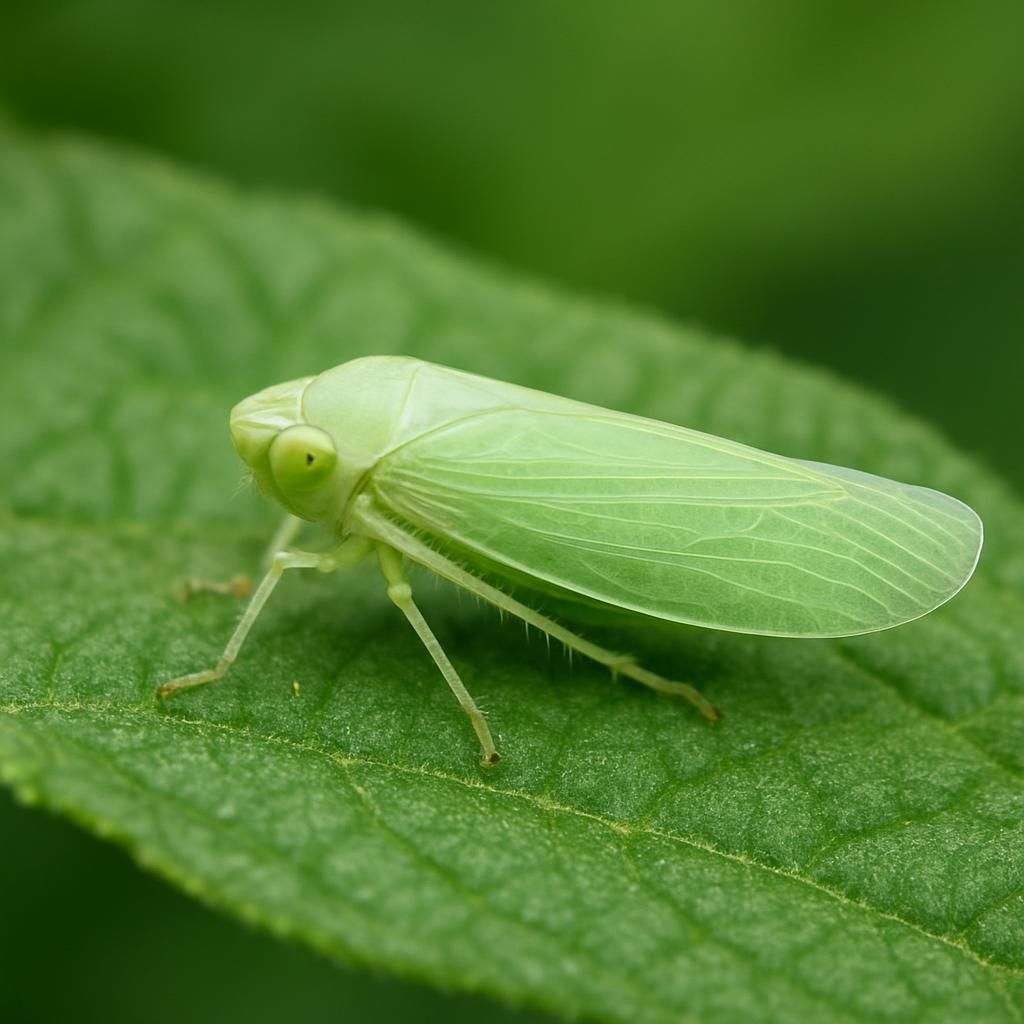
Introduction to Potato leafhopper
The potato leafhopper (Empoasca fabae) is a highly mobile, sap-feeding insect belonging to the family Cicadellidae. Adults are pale green, approximately 3 mm long, and possess distinctive white or pale markings on the head and thorax. This species is notorious for causing a condition known as hopperburn, which results from the injection of toxic saliva during feeding that disrupts plant vascular tissue. Potato crops are particularly vulnerable, but the pest also affects numerous vegetables and legumes.
Native to North America, potato leafhoppers overwinter in the southern United States and migrate northward each spring on warm air currents. Their rapid reproduction and ability to colonize new fields quickly make them a persistent challenge for growers. Effective management requires understanding their lifecycle, recognizing early symptoms, and implementing timely interventions.
Identifying Symptoms & Damage
The primary symptom of potato leafhopper infestation is hopperburn, characterized by yellowing or bronzing that begins at the leaf margins and progresses inward. Severely affected leaves curl upward, become brittle, and eventually turn brown and necrotic. In Potato plants, this damage often starts on the lower leaves and moves upward, reducing photosynthetic capacity and tuber development.
Additional signs include stunted plant growth, reduced pod set in beans, and overall decline in vigor. White stippling or flecking may appear on leaf surfaces where the insects have fed. Because symptoms can mimic nutrient deficiencies or drought stress, careful scouting for the actual insects or their cast skins is necessary for accurate diagnosis.
Lifecycle and Progression of Potato leafhopper (MUST INCLUDE A MARKDOWN TABLE OF LIFECYCLE STAGES)
The potato leafhopper completes its lifecycle in 3–4 weeks under optimal summer temperatures, allowing multiple generations per season. Females insert eggs into leaf veins or petioles, where they hatch into nymphs that undergo five instars before reaching adulthood. Both nymphs and adults feed on the undersides of leaves, injecting saliva that causes the characteristic hopperburn.
| Stage | Duration | Description | Key Activity |
|---|---|---|---|
| Egg | 7–10 days | Tiny, white, inserted into leaf veins | Overwintering in southern states |
| Nymph (5 instars) | 12–18 days | Wingless, pale green, move sideways when disturbed | Feeding and rapid population growth |
| Adult | 30+ days | Wedge-shaped, 3 mm, strong fliers | Migration, egg-laying, dispersal |
Environmental Triggers & Risk Factors
Warm temperatures between 25–32 °C combined with moderate humidity accelerate development and increase fecundity. Strong southerly winds in spring facilitate long-distance migration into northern production areas. Fields located near alfalfa or clover are at higher risk because these crops serve as early-season hosts.
Drought stress or irregular irrigation can exacerbate hopperburn symptoms because plants are less able to compensate for vascular damage. Monoculture plantings and lack of natural enemy habitat further elevate risk by removing biological control agents such as parasitic wasps and predatory insects.
Organic Control & Treatment Plans (MUST INCLUDE A MARKDOWN TABLE OF TREATMENT OPTIONS AND FREQUENCIES)
Organic management integrates cultural, mechanical, and biological tactics. Begin with regular scouting using a sweep net or visual inspection of leaf undersides. Thresholds typically range from 0.5–1 adult or 2–3 nymphs per sweep. When thresholds are reached, deploy targeted interventions promptly.
| Treatment Option | Frequency | Application Notes |
otes| |-------------------------------|----------------------------|--------------------------------------------------------|------| | Row covers (lightweight fabric) | At planting until flowering | Exclude adults; remove during bloom for pollination | Effective for early-season protection | | Insecticidal soap (2% solution) | Every 5–7 days as needed | Thorough coverage of leaf undersides required | OMRI-listed; low impact on beneficials | | Neem oil (azadirachtin) | Every 7–10 days | Apply in early morning or evening to avoid leaf burn | Disrupts feeding and molting | | Kaolin clay (Surround WP) | Every 7–14 days | Forms physical barrier; reapply after heavy rain | Reduces oviposition | | Beneficial insects (Anagrus spp.) | Release at first detection | Augmentative releases in high-pressure areas | Parasitizes eggs |
Preventing Potato leafhopper in the Future
Crop rotation with non-host plants such as corn or small grains disrupts the pest’s host-finding behavior. Timely planting of early-maturing varieties allows crops to escape peak migration periods. Maintaining diverse field margins with flowering plants supports populations of natural enemies.
Reflective mulches and trap crops like alfalfa strips can divert adults away from main plantings. Regular monitoring throughout the season, combined with weather-based migration forecasts, enables proactive rather than reactive management.
Crops Most Affected by Potato leafhopper
While named for its impact on potatoes, this pest also severely affects Beans (snap, dry, and lima), Alfalfa, Clover, Eggplant, Pepper, Cucumber, Squash, Strawberry, and many other vegetables and ornamentals. Young, succulent growth is most attractive, making seedlings and recently transplanted crops especially susceptible.
Additional Management Considerations
Integrating the strategies above with regular field scouting provides the best long-term suppression. Avoid broad-spectrum insecticides that harm beneficial insects and may lead to secondary outbreaks of aphids or mites. Record-keeping of infestation timing and weather patterns helps refine future prevention plans.
For severe or recurring problems, consult local extension resources for region-specific thresholds and registered products. Consistent application of the cultural and organic methods outlined ensures sustainable control without compromising crop quality or environmental health.