Encyclopedia
Definitive guides for crops, pests, and agricultural diseases.
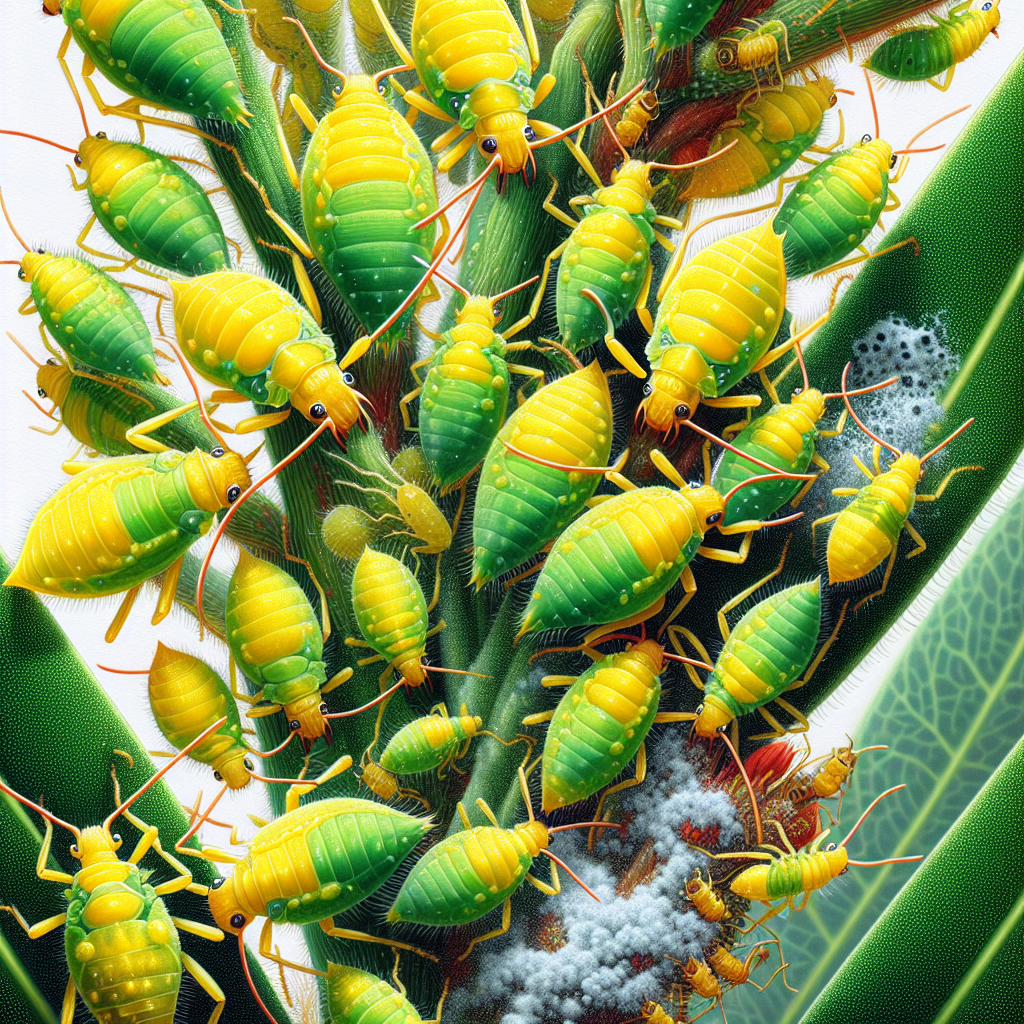
Nerium Oleander Aphid
The Nerium Oleander Aphid (Aphis nerii) is a sap-sucking pest that primarily targets oleander plants but can infest a wide range of ornamental and crop species, causing distorted growth, leaf yellowing, and sooty mold. This guide provides comprehensive diagnostics, lifecycle details, organic management strategies, and prevention tips for farmers and gardeners. Effective control combines cultural practices, biological agents, and targeted organic sprays to protect yields without chemicals.
View Profile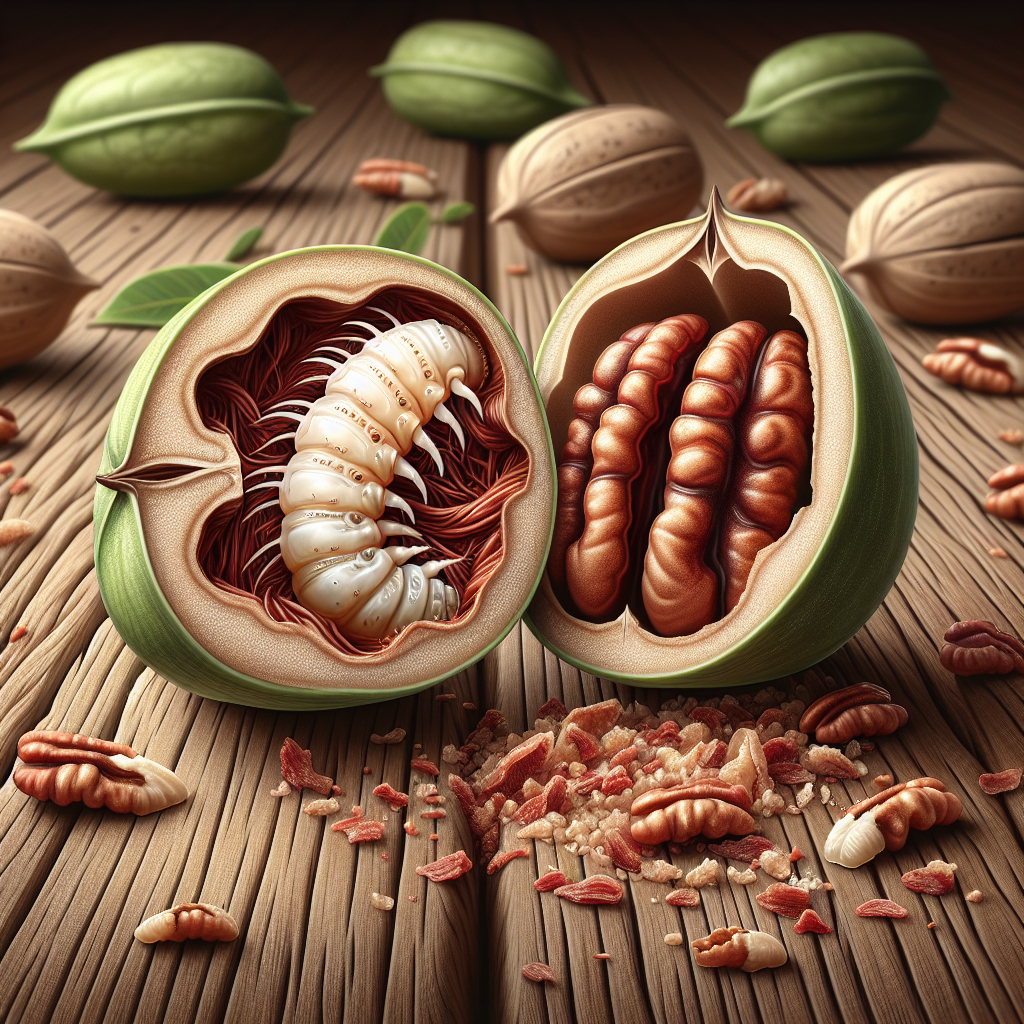
Nut borers
Nut borers are destructive larvae of moths and weevils that tunnel into developing nuts, causing significant yield losses in orchards. This guide provides comprehensive diagnostics, lifecycle details, organic management strategies, and prevention tips for affected nut crops like almonds, walnuts, and pecans. Early detection and integrated pest management are key to minimizing damage and protecting harvests.
View Profile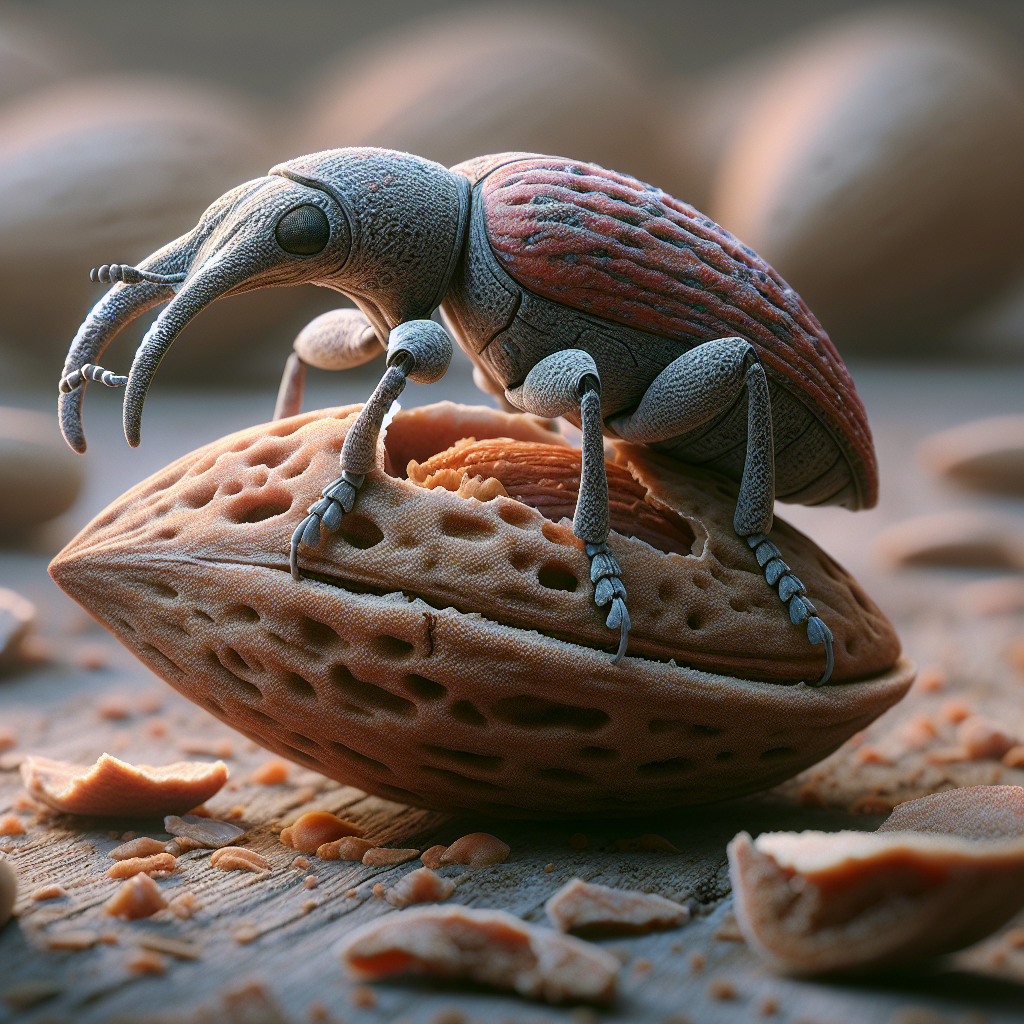
Nut weevils
Nut weevils are destructive beetles that infest nut crops by boring into developing nuts, causing significant yield losses and quality degradation. This guide provides comprehensive diagnostics, lifecycle insights, organic management strategies, and prevention tactics for growers facing these persistent pests. Effective control hinges on early detection, cultural practices, and integrated organic approaches to protect high-value nut orchards.
View Profile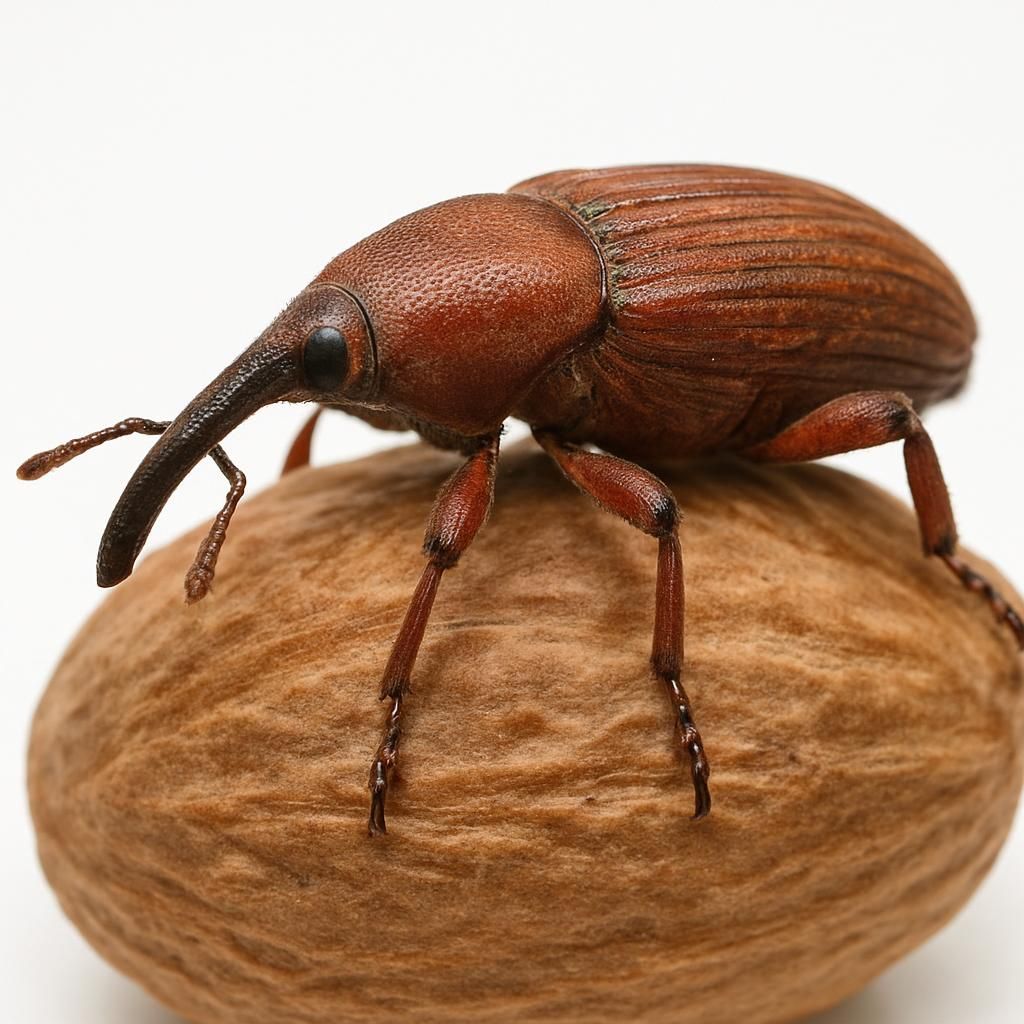
nutmeg weevil
The nutmeg weevil is a specialized beetle pest that targets nutmeg and related spice crops, causing significant seed and pod damage through larval boring. Early identification and integrated management are critical to protect yields in tropical plantations.
View Profile
Oil Palm Pests
Oil palm plantations face severe threats from pests like rhinoceros beetles and red palm weevils, causing extensive damage to trunks and fronds. This guide provides diagnostic symptoms, lifecycle details, organic management strategies, and prevention tips for sustainable control. Protect yields with proven agricultural practices tailored for tropical palm crops.
View Profile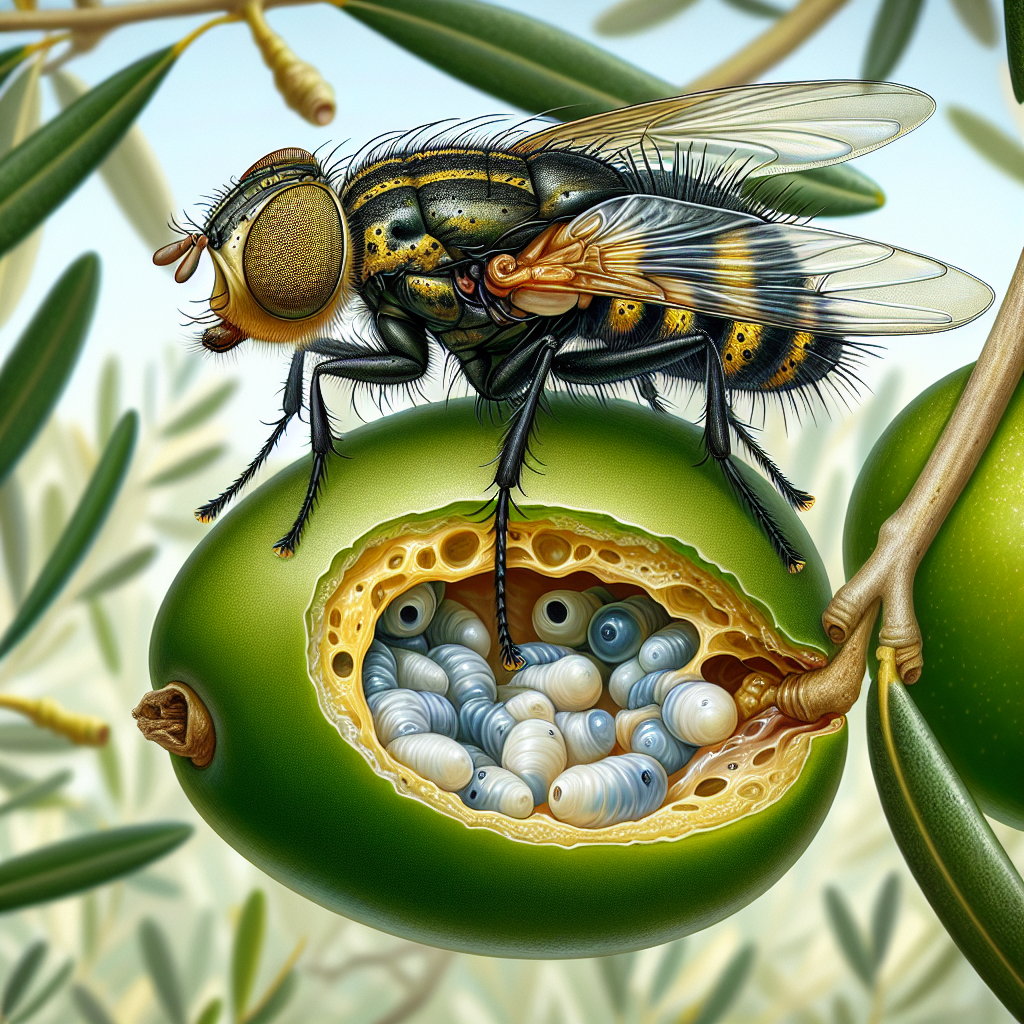
Olive fruit fly
The olive fruit fly (Bactrocera oleae) is a highly destructive pest targeting olive crops worldwide, causing significant yield losses through larval feeding inside developing fruits. Effective management combines monitoring, organic controls like protein baits and kaolin clay, and cultural practices to minimize damage. This guide provides diagnostic symptoms, lifecycle details, and proven strategies for olive growers to protect their harvests.
View Profile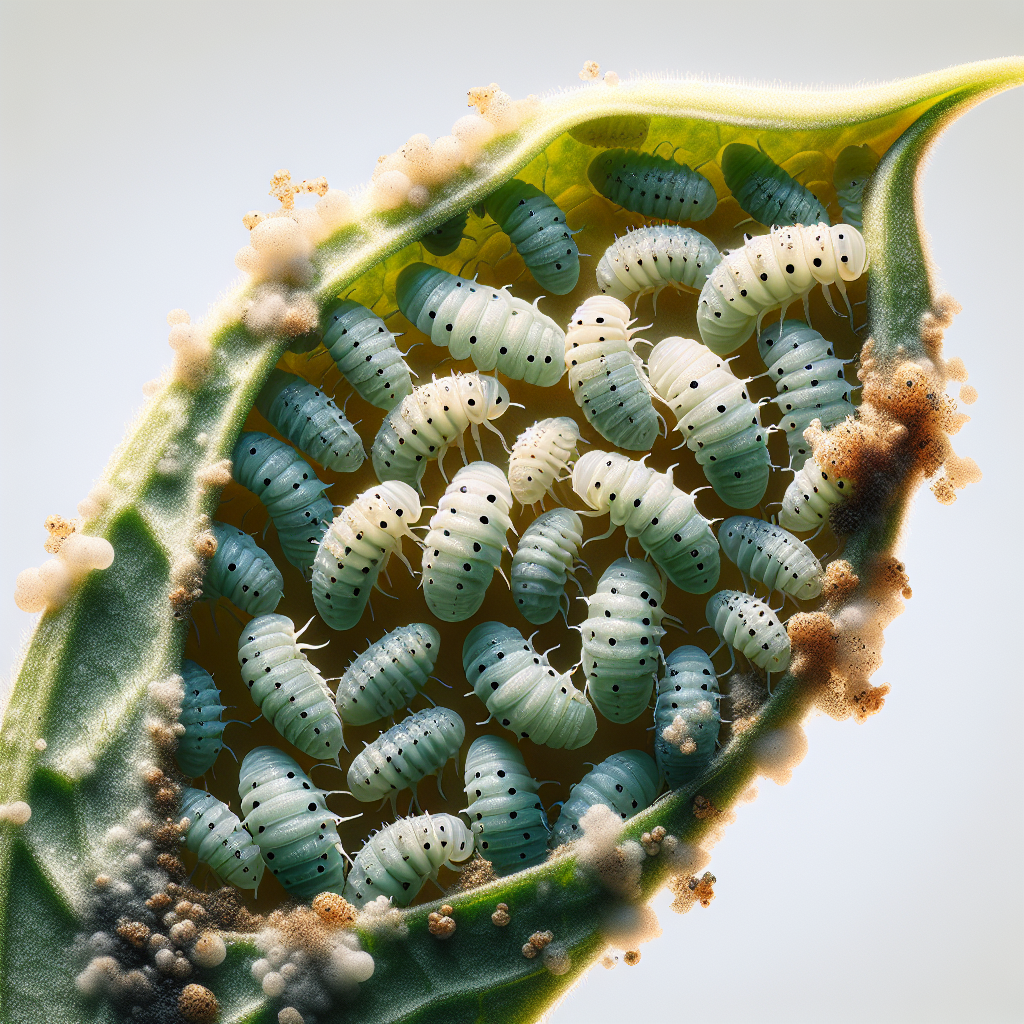
Olive psyllid
The olive psyllid (Eugenioza olivi) is a small sap-sucking insect that targets olive trees, causing leaf curling, honeydew production, and sooty mold growth. Effective management relies on early detection, organic treatments like insecticidal soaps, and cultural practices to disrupt its lifecycle. This guide provides comprehensive diagnostics, organic control strategies, and prevention tips for olive growers.
View Profile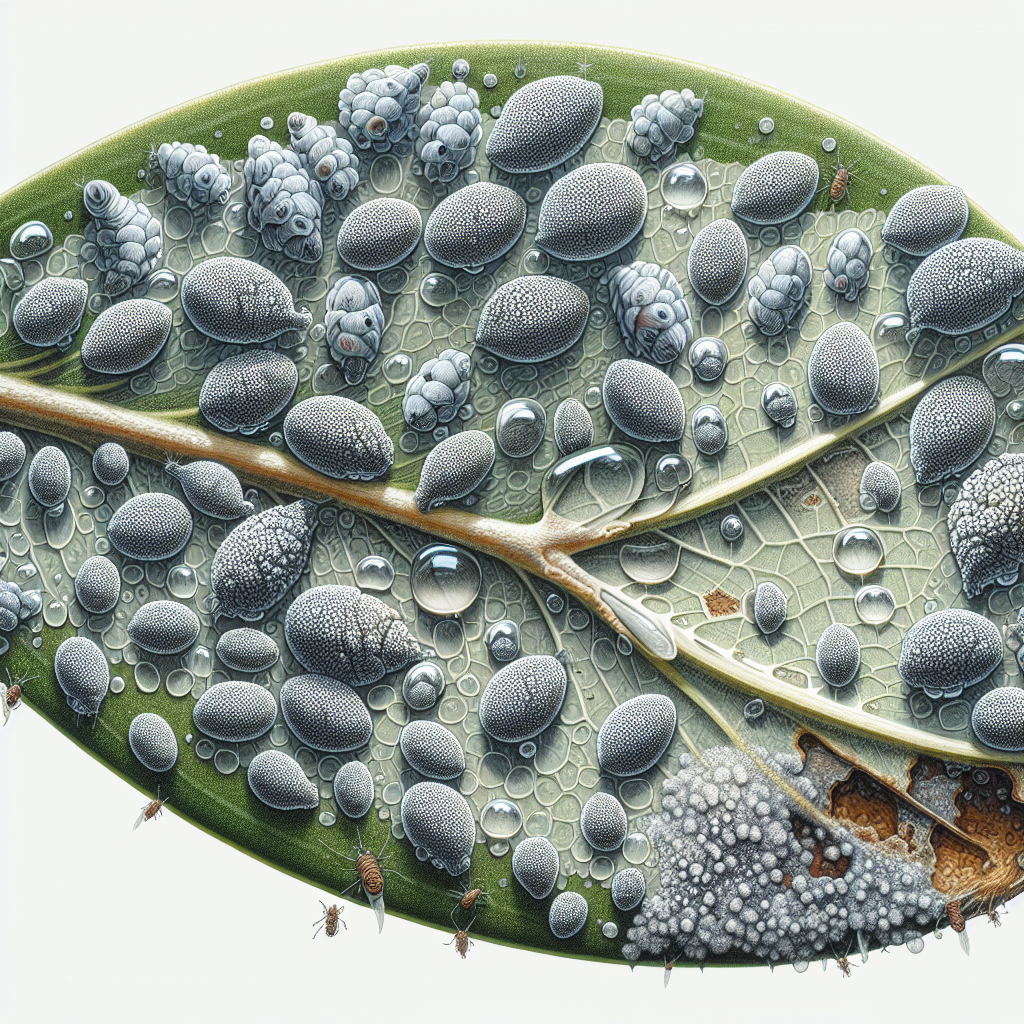
Olive scale
Olive scale (Parlatoria oleae) is a pervasive armored scale insect that infests olive trees, sucking sap and weakening productivity. This guide covers identification, lifecycle, organic management, and prevention strategies for olive growers. Effective control combines cultural practices, biological agents, and timely interventions to protect yields.
View Profile
Omnivorous leafroller
The omnivorous leafroller (Platynota stultana) is a highly destructive moth pest native to the western United States, notorious for feeding on over 100 plant species including fruits, vegetables, and ornamentals. Its larvae roll and tie leaves together with silk, creating protected feeding sites that lead to significant crop damage. Effective management combines cultural practices, biological controls, and targeted organic treatments for sustainable control.
View Profile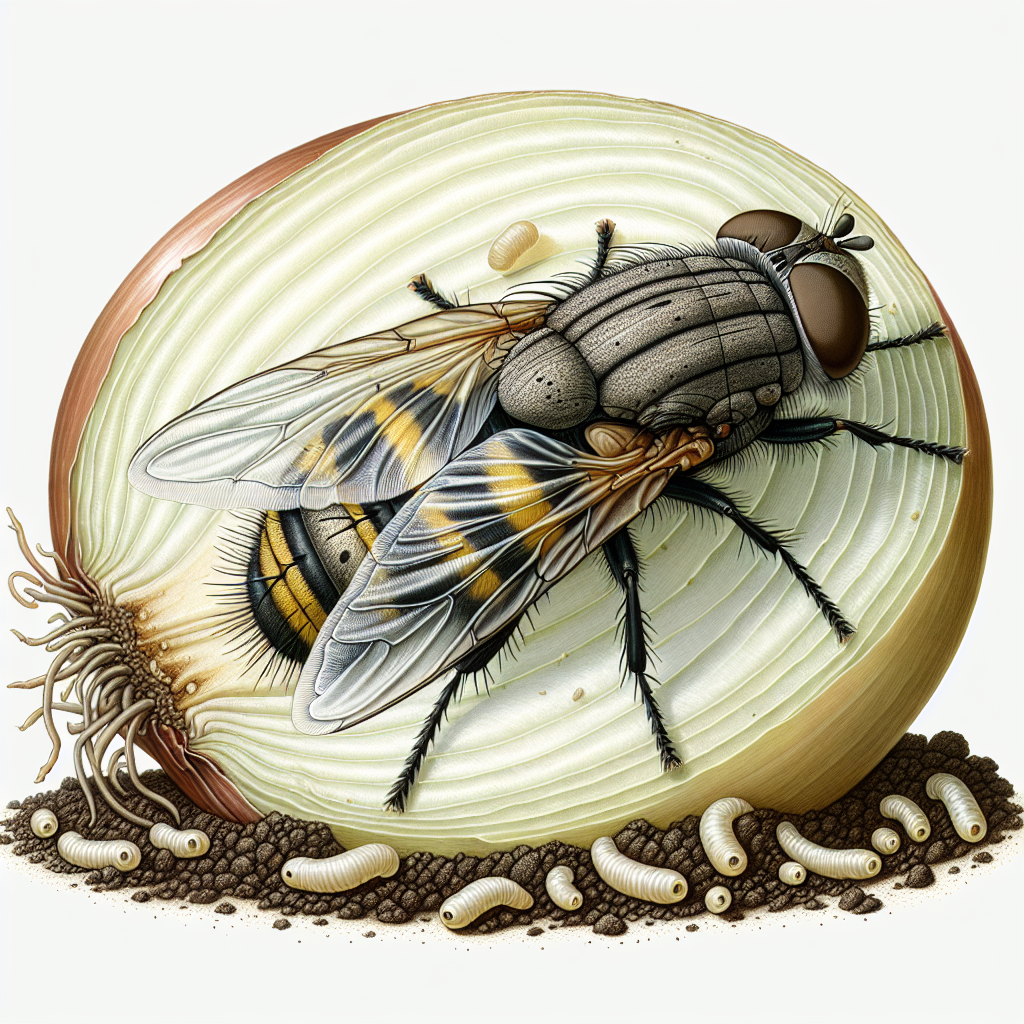
Onion fly
The onion fly (Delia antiqua) is a destructive root-feeding pest that targets onions, garlic, and related alliums, causing severe seedling damage and bulb rot. Its larvae burrow into roots and bulbs, leading to wilting, stunting, and total crop loss if unmanaged. Effective organic controls and cultural practices are essential for prevention and management in home gardens and commercial fields.
View Profile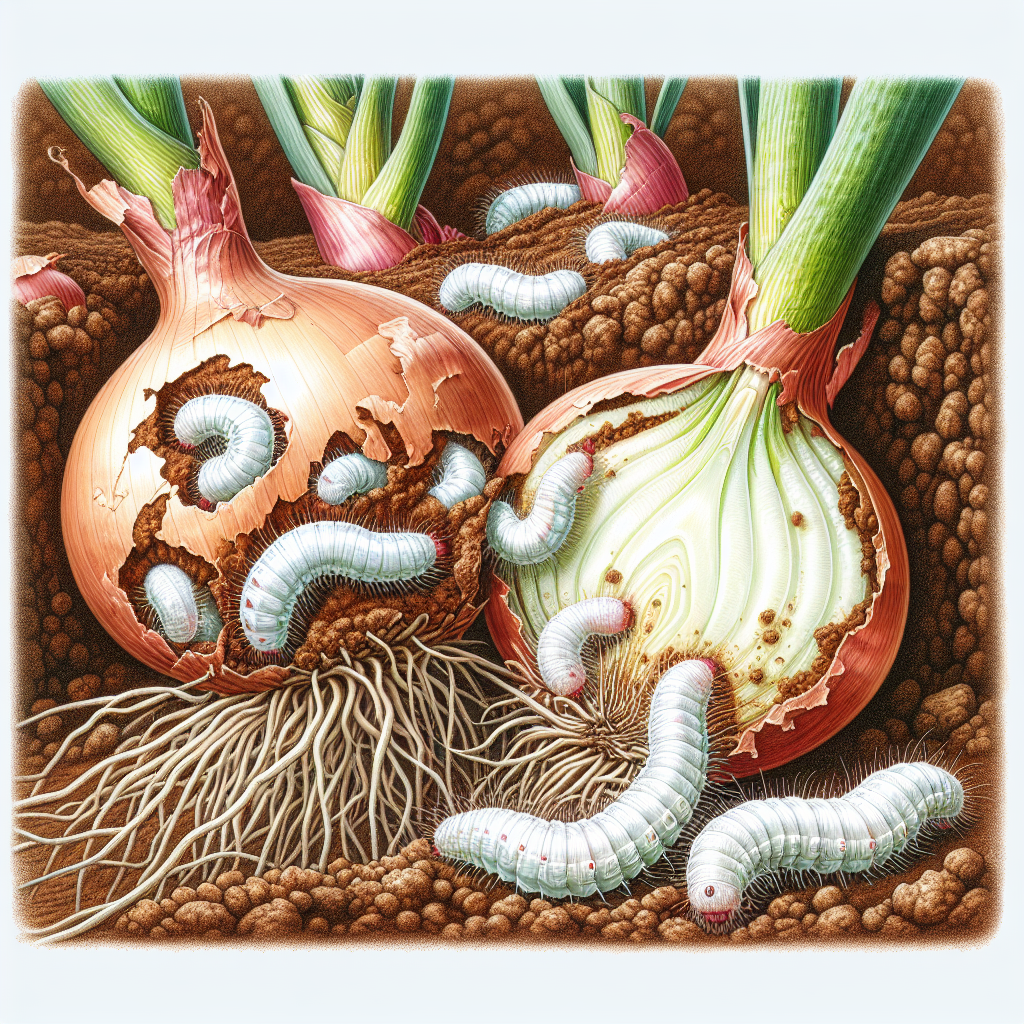
Onion maggot
The onion maggot (Delia antiqua) is a destructive root pest targeting onions, garlic, and related crops, with legless white larvae burrowing into bulbs and causing rapid decay. Effective management combines cultural practices, crop rotation, and organic treatments to disrupt its lifecycle. Early detection and prevention are key to minimizing losses in home gardens and commercial fields.
View Profile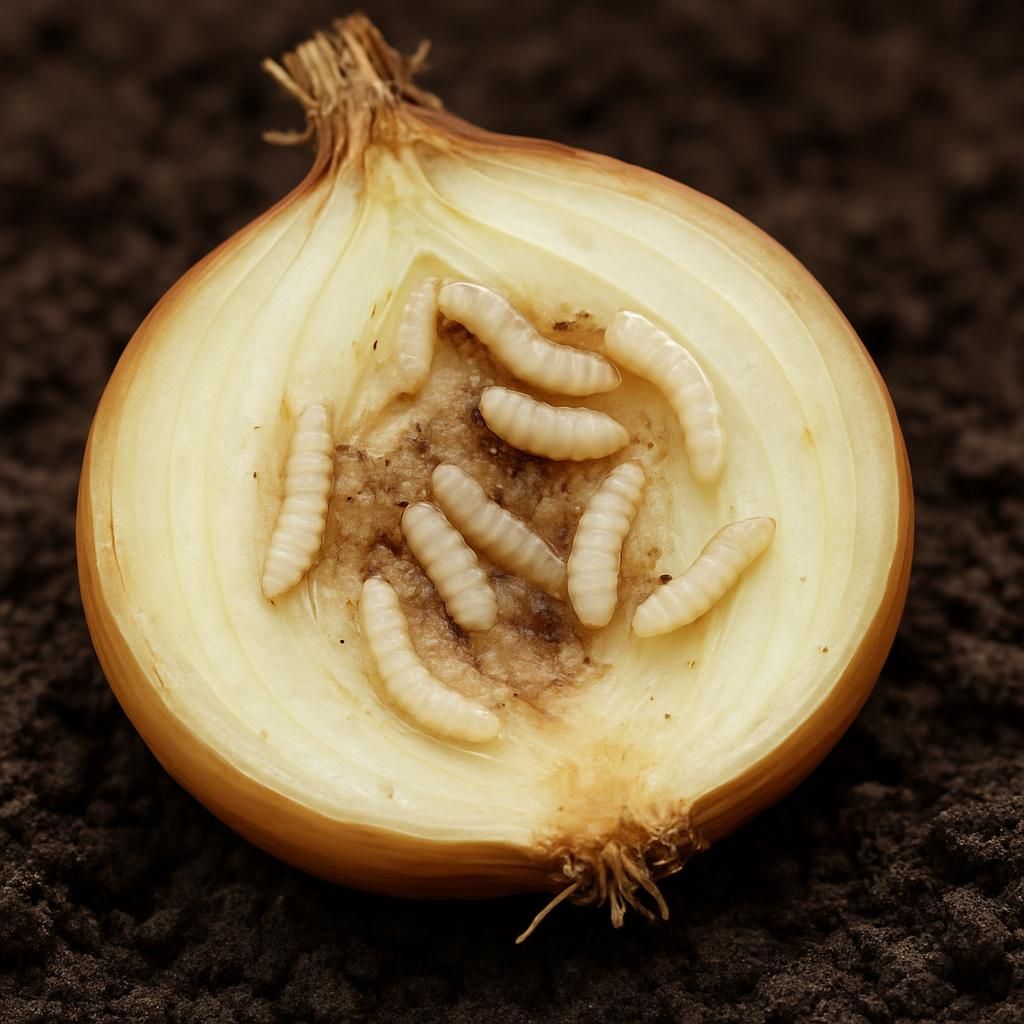
onion maggots
Onion maggots are the larval stage of the onion fly, a major root-feeding pest of Allium crops. They tunnel into bulbs causing wilting, rot, and stand loss. Effective management combines cultural, biological, and targeted organic controls.
View Profile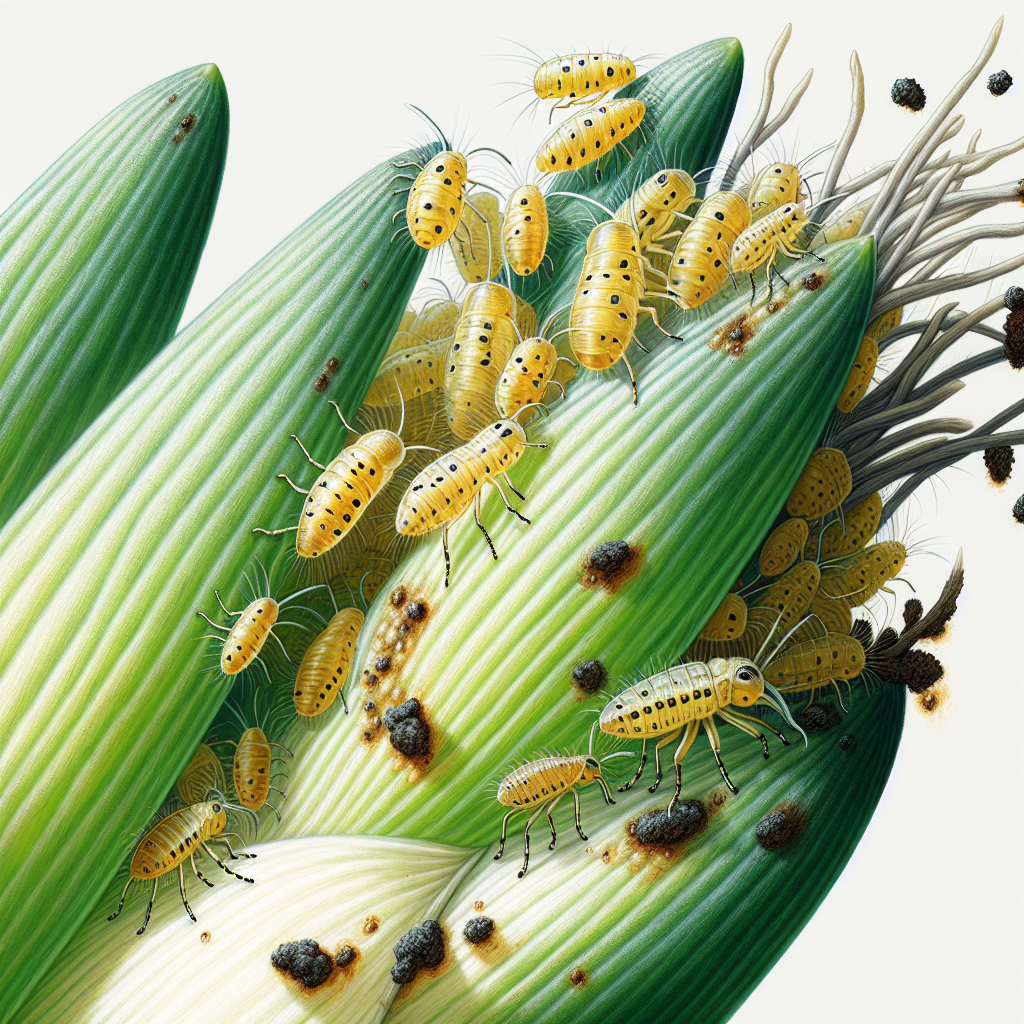
onion thrips
Onion thrips (Thrips tabaci) are tiny, sap-sucking insects that cause significant damage to onion crops and related alliums by rasping plant tissues and feeding on emerging leaves. They thrive in warm, dry conditions, leading to silvered foliage, distorted growth, and reduced bulb quality. Effective management combines cultural practices, organic treatments, and vigilant monitoring for sustainable control.
View Profile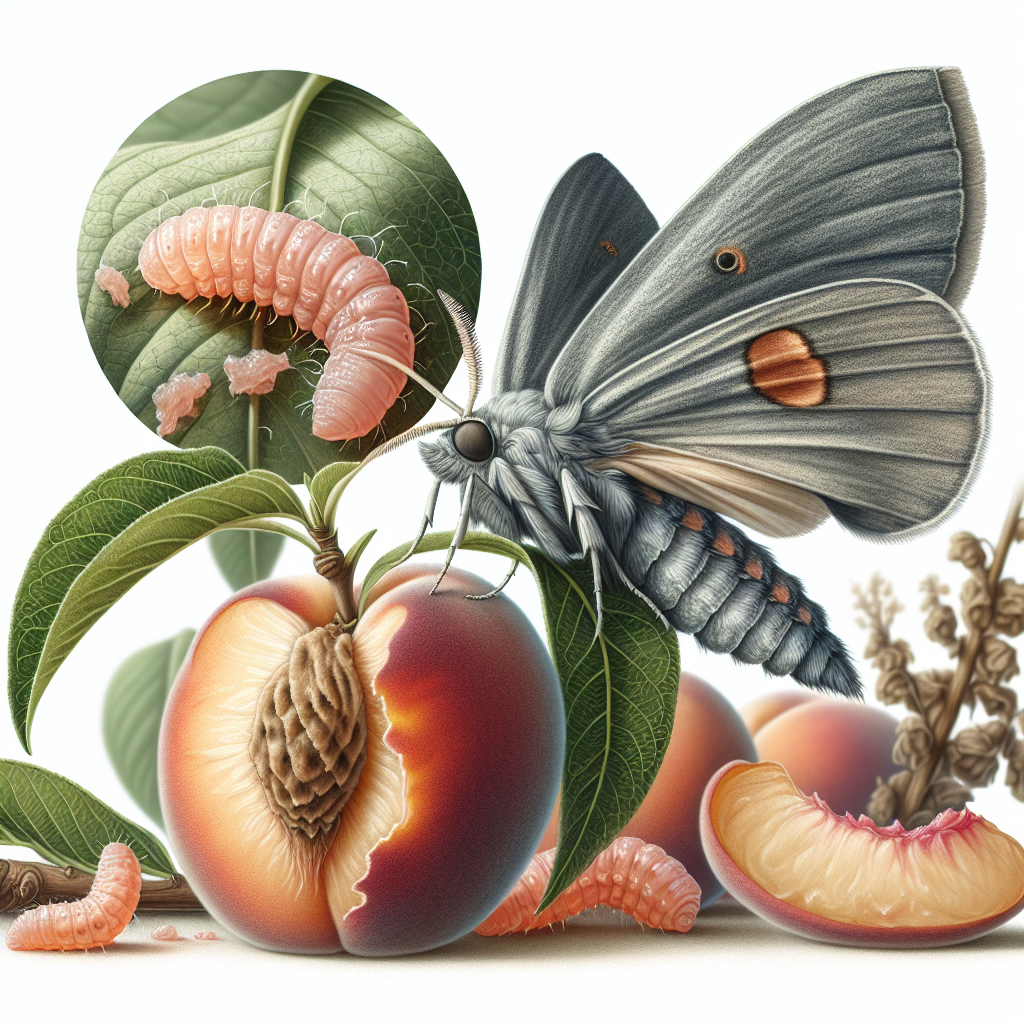
Oriental fruit moth
The Oriental fruit moth (Grapholita molesta) is a destructive pest targeting stone fruits and pome fruits, boring into shoots, twigs, and fruits causing significant economic losses. Effective management combines monitoring, organic controls like mating disruption, and cultural practices for sustainable control. This guide provides diagnostic symptoms, lifecycle details, and proven organic strategies to protect crops like peaches and apples.
View Profile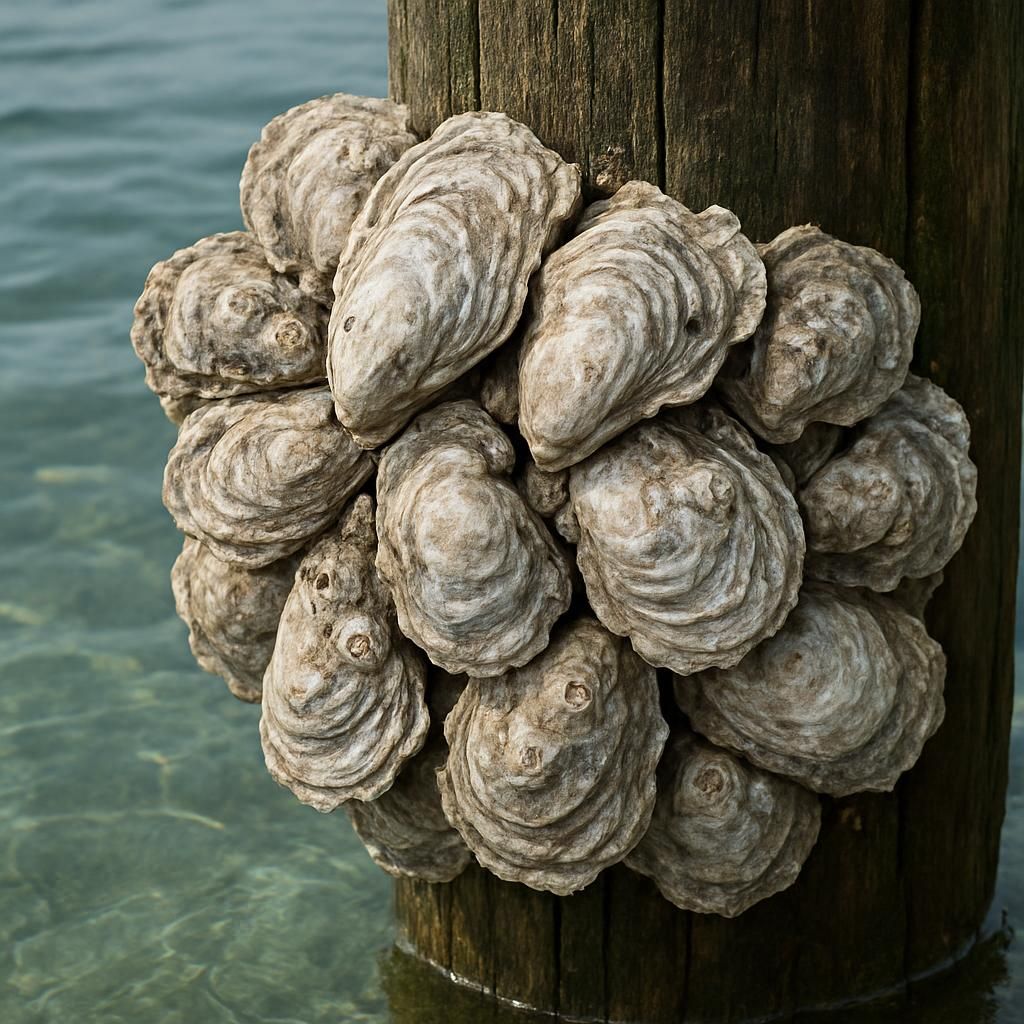
Pacific oyster
The Pacific oyster (Crassostrea gigas) is a large marine bivalve that has become an invasive pest in many temperate estuarine and coastal agricultural-adjacent waters. It rapidly colonizes hard substrates, outcompetes native shellfish, and alters water flow and sediment dynamics. Effective long-term management requires integrated monitoring, mechanical removal, and habitat modification.
View Profile
Papaya ringspot virus
Papaya ringspot virus (PRSV) is a devastating potyvirus that causes ringspots, leaf distortion, and stunted growth in papaya crops, leading to significant yield losses. Transmitted primarily by aphids in a non-persistent manner, it spreads rapidly in tropical regions. Effective management relies on resistant varieties, vector control, and strict sanitation practices.
View Profile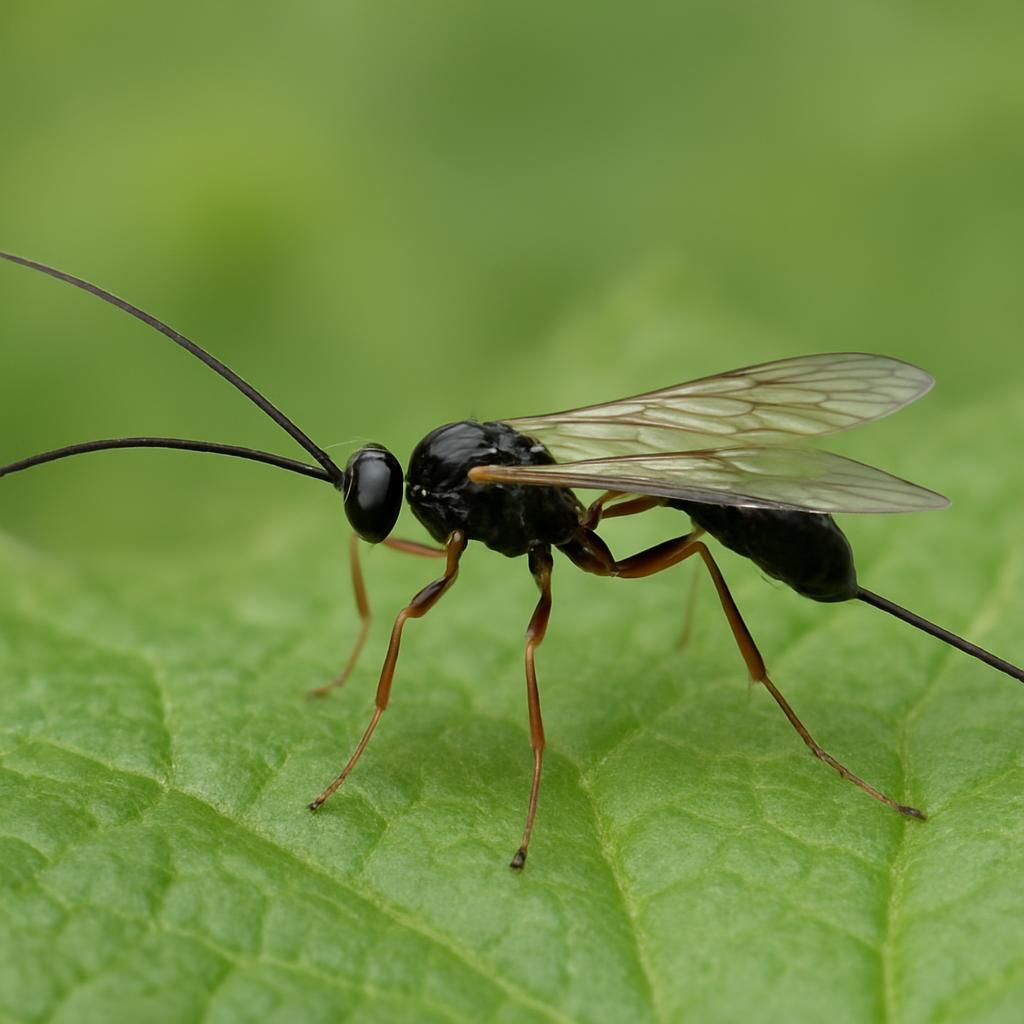
parasitoid wasps
Parasitoid wasps are beneficial insects that lay eggs inside or on pest insects, killing the host as larvae develop. They provide natural biological control in many cropping systems but can be confused with harmful species. Proper identification and habitat support maximize their pest-management value.
View Profile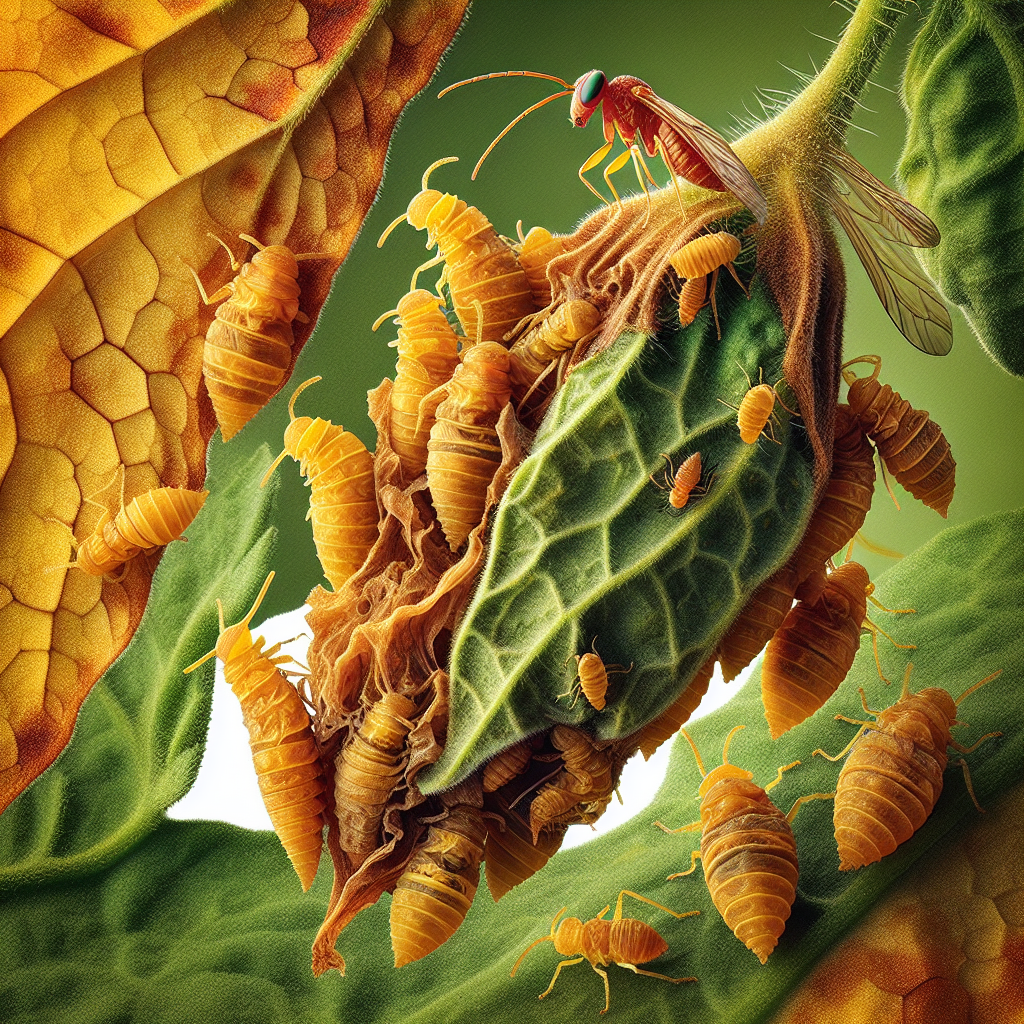
parasitoids
Parasitoids are beneficial insects that lay eggs inside or on other pest insects, ultimately killing the host as larvae develop. While not pests themselves, mismanagement can disrupt their populations, leading to pest outbreaks in crops. This guide provides diagnostic insights and management strategies to harness or conserve parasitoids for natural pest control in agriculture.
View Profile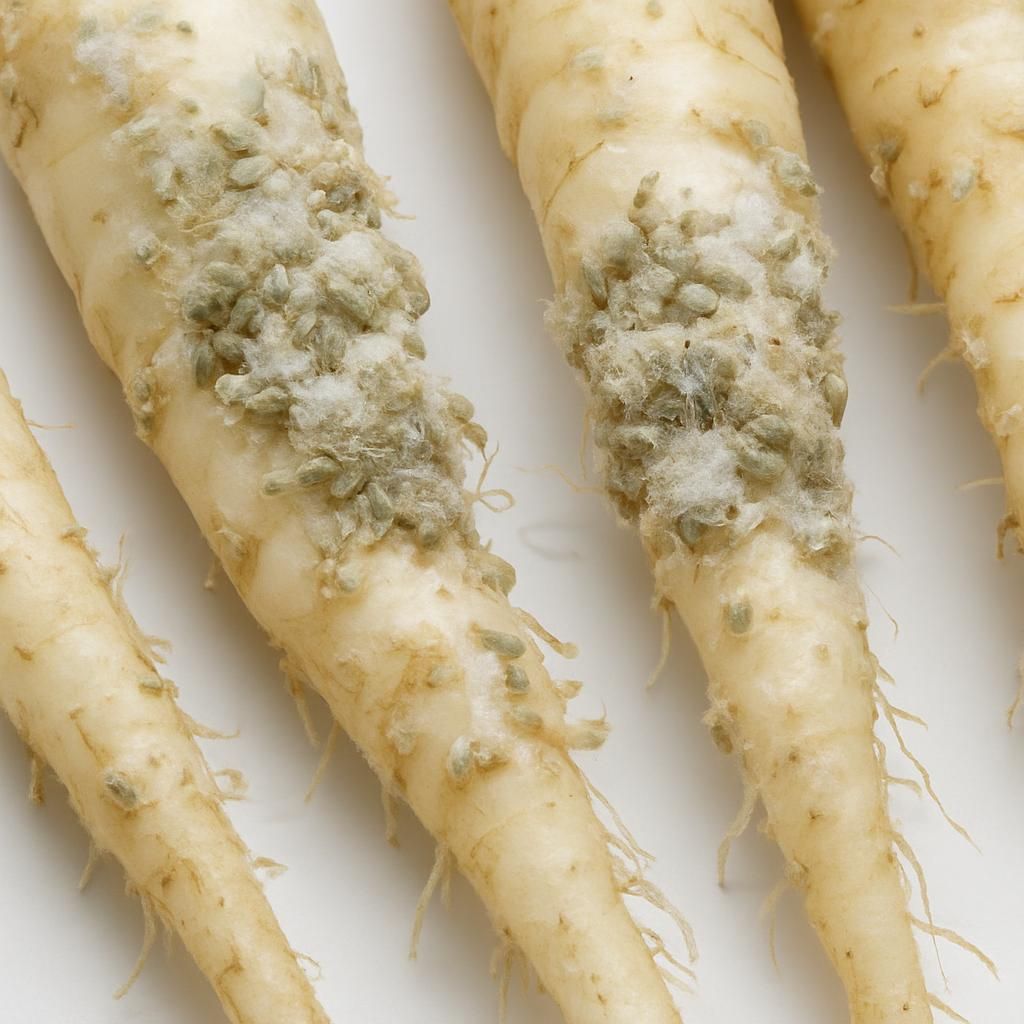
parsley root aphid
The parsley root aphid is a soil-dwelling pest that targets the roots of parsley and related Apiaceae crops, causing stunting, yellowing, and reduced yields. It forms dense colonies on roots and produces protective galls, making early detection and integrated management essential for commercial and home growers.
View Profile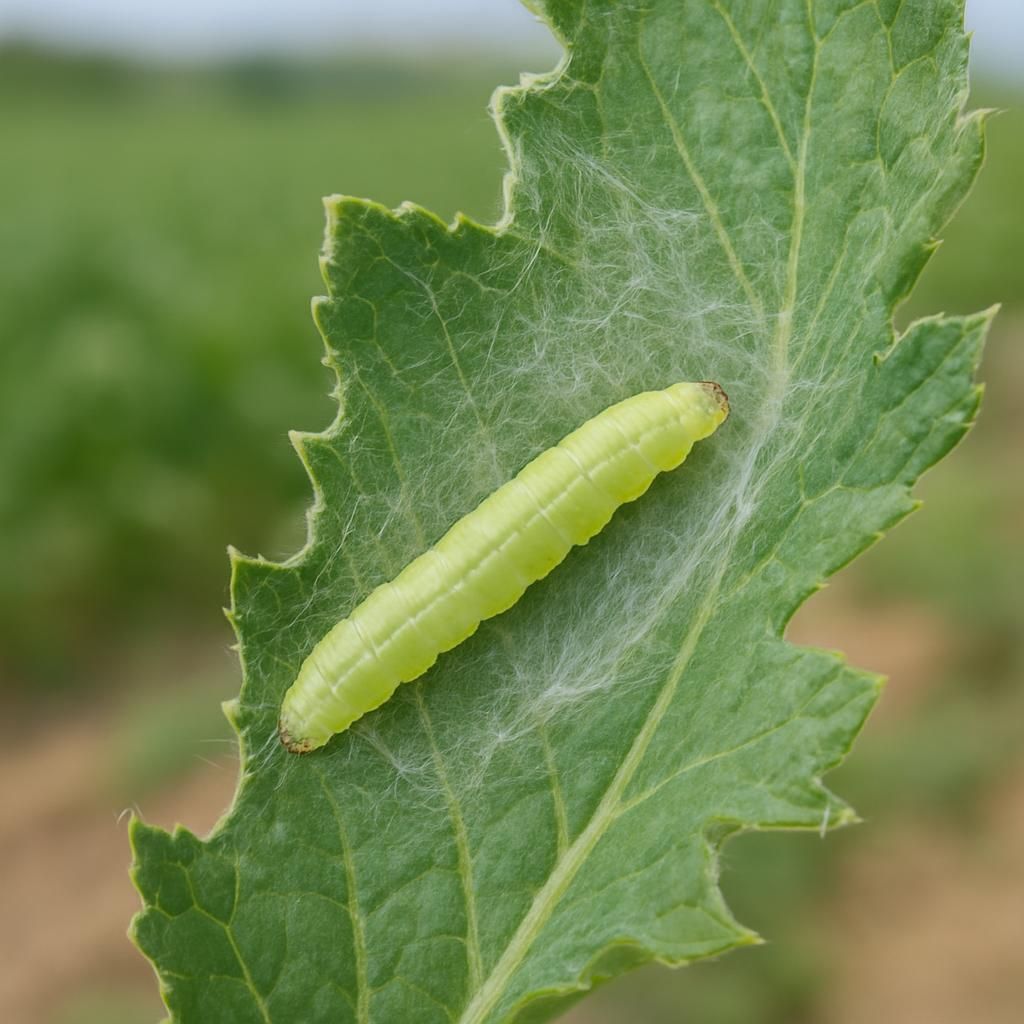
Parsnip webworm
The parsnip webworm is a specialist lepidopteran pest whose larvae construct silk webs and feed on parsnip foliage and umbels, reducing photosynthesis and seed set. Early detection of silk tents, frass, and skeletonized leaves is essential for timely intervention. Integrated management combining cultural, mechanical, and targeted biological controls delivers the most reliable long-term suppression.
View Profile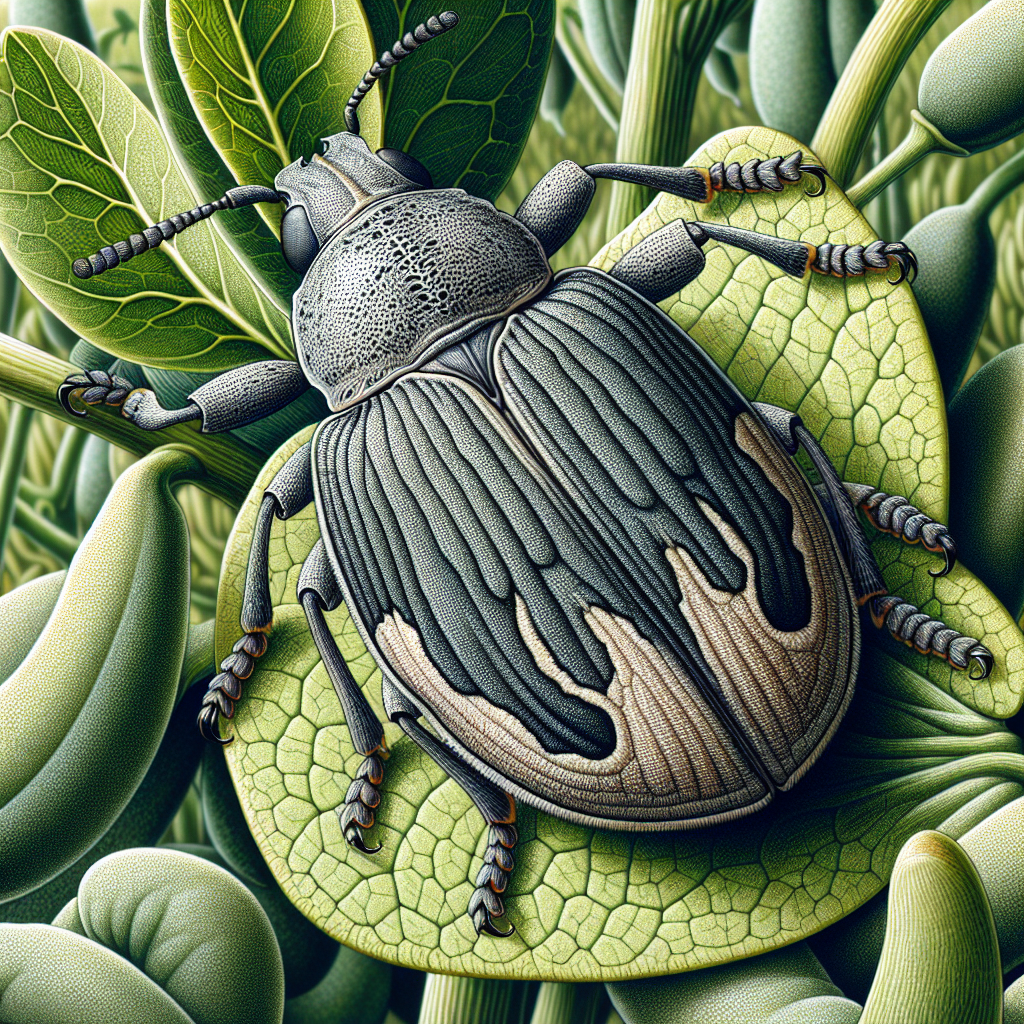
Pea and bean weevil
The pea and bean weevil (Sitona lineatus) is a widespread pest targeting legumes like peas and beans, causing significant damage through larval root feeding and adult leaf notching. Effective management combines cultural practices, biological controls, and vigilant monitoring to minimize crop losses. This guide provides comprehensive diagnostics, lifecycle insights, and organic strategies for sustainable control.
View Profile
Pea weevils
Pea weevils (Bruchus pisorum) are destructive seed beetles that infest pea crops, causing significant yield losses through larval feeding inside developing seeds. This guide provides comprehensive diagnostics, lifecycle insights, organic management strategies, and prevention tactics for farmers battling this persistent pest. Protect your pea harvests with proven, practical agricultural advice tailored for field and garden growers.
View Profile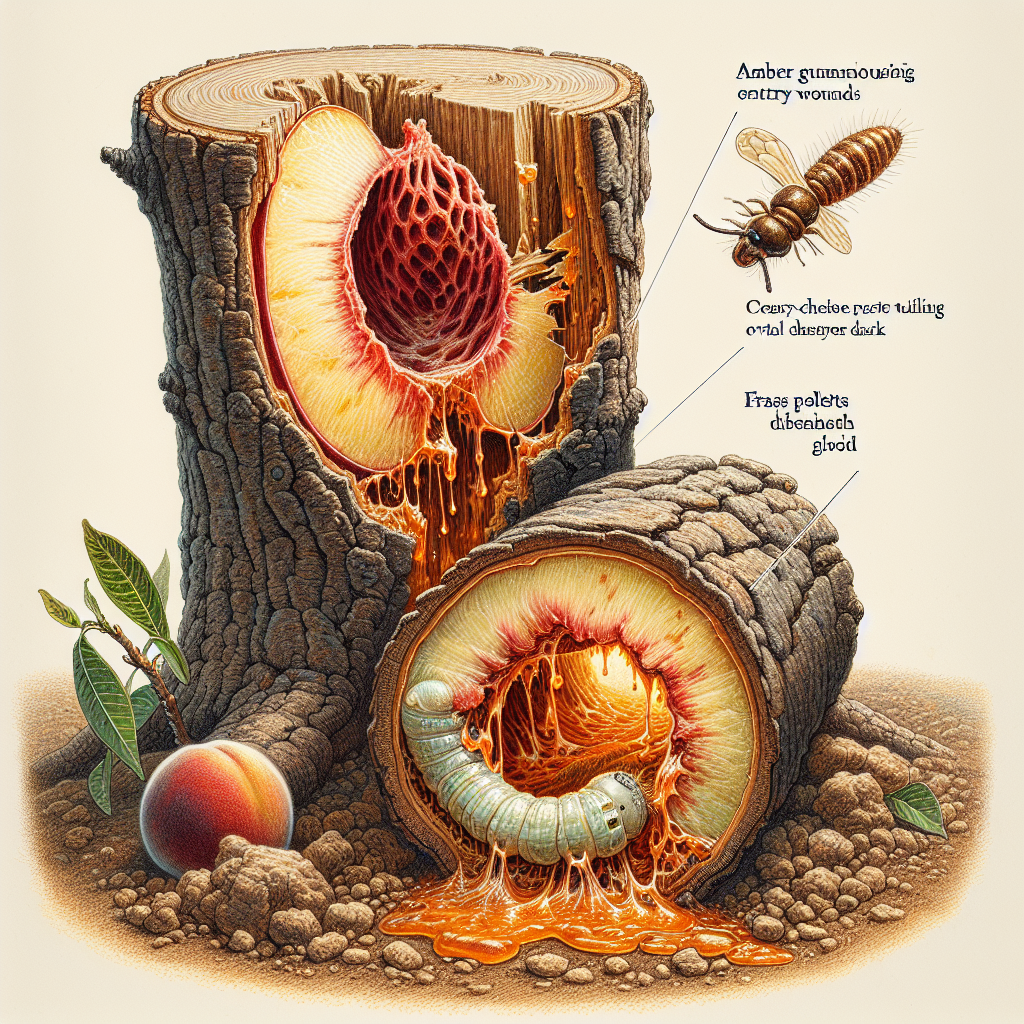
Peach tree borer
The peach tree borer is a destructive pest targeting stone fruit trees, with larvae boring into the trunk and roots, causing sap leakage, girdling, and tree death. Effective management relies on early detection, organic treatments like beneficial nematodes, and preventive cultural practices. This guide provides comprehensive diagnostics, lifecycle insights, and organic control strategies for sustainable peach orchard health.
View Profile
Peach twig borer
The peach twig borer (Anarsia lineatella) is a destructive pest targeting peach, apricot, and almond trees, with larvae boring into twigs, shoots, and fruits, causing significant economic losses. Effective management combines cultural practices, organic treatments, and precise timing based on its lifecycle. This guide provides diagnostic symptoms, lifecycle details, and proven organic control strategies for sustainable orchard protection.
View Profile