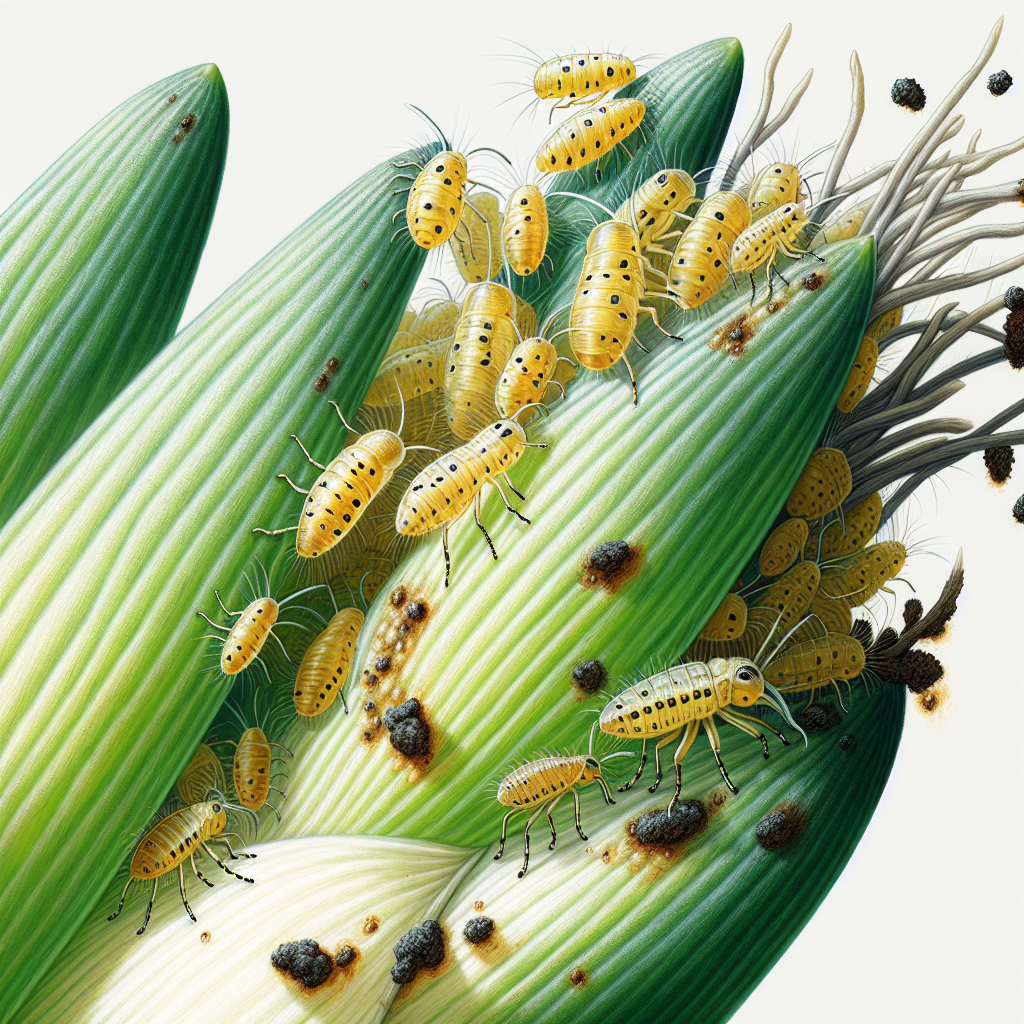
Introduction to onion thrips
Onion thrips, scientifically known as Thrips tabaci, represent one of the most persistent and damaging pests in allium production worldwide. These minuscule insects, often less than 1.5 mm in length, target the tender, emerging leaves of onions, leeks, garlic, and related crops, rasping the plant epidermis to extract sap. This feeding action not only deprives plants of vital nutrients but also creates entry points for secondary pathogens, exacerbating crop losses that can reach 30-50% in severe infestations.
As a professional botanist and agricultural expert with over two decades of field experience, I've witnessed onion thrips devastate entire fields, particularly in regions with arid climates like the southwestern U.S., Mediterranean basins, and parts of India and Australia. Their rapid reproduction—females can produce up to 80 offspring in their lifetime—and ability to develop resistance to chemical controls make them a formidable adversary. Early detection is crucial, as populations explode during warm spells, often going unnoticed until silvery streaks mar the foliage. For growers of Onion (crop), Garlic (crop), and similar crops, understanding thrips biology and implementing integrated pest management (IPM) is non-negotiable. This guide provides diagnostic tools, lifecycle insights, and proven organic strategies to safeguard yields. Learn more about broader thrips management in our comprehensive Thrips (pest) wiki page.
Identifying Symptoms & Damage
Diagnosing onion thrips requires keen observation, as their size renders them invisible to the naked eye without magnification. Begin by inspecting the innermost leaves of young onion plants, where thrips congregate. Key symptoms include:
- Silvery-white streaking or scarring: Rasping creates a characteristic silvering effect on leaf surfaces, progressing from tips inward. This is the hallmark sign, often accompanied by tiny black specks (thrips frass).
- Distorted or crinkled growth: Severe feeding causes leaves to curl, twist, or fail to unfurl properly, stunting plant development.
- Premature drying and browning: Leaf tips turn necrotic, giving plants a burnt appearance, especially under hot, dry conditions.
- Bulb deformation: In bulb onions, heavy infestations reduce bulb size and quality, with papery outer skins and soft centers.
- Secondary issues: Honeydew excretion promotes sooty mold, while wounds invite bacterial rots like Alternaria (disease) or soft rots.
To confirm, use a 10x hand lens or sticky traps to spot the slender, yellow-to-brown adults or pale larvae. Shake plants over white paper; thrips will tumble out, wriggling actively. Differentiate from mites (which cause stippling without streaking) or aphids (clustered, larger, with honeydew). Economic thresholds: 10-20 thrips per plant in vegetative stages, rising to 30+ during bulbing. Regular scouting every 3-5 days prevents escalation. Check out practical scouting tips in our Spring Pest Patrol: Organic AI Strategies to Shield Your Crops from Common Invaders.
Lifecycle and Progression of onion thrips
Understanding the lifecycle of Thrips tabaci is pivotal for timing interventions. These pests complete development in as little as 10-14 days under optimal conditions (77-86°F/25-30°C), with up to 12-15 generations per season.
- Eggs: Females insert 25-80 crescent-shaped eggs into leaf tissues, hatching in 4-6 days.
- Larvae (Nymphs): Two active feeding stages last 5-10 days; first instars are pale, second more pigmented. Non-feeding prepupal and pupal stages occur in soil or crop debris.
- Adults: Winged or wingless, live 30-45 days, dispersing via wind or on transplants.
Progression peaks in spring and summer, with overlapping generations. Overwinter as adults in plant debris, weeds, or greenhouse crops. High humidity slows development, while drought stress favors outbreaks. Monitor with blue sticky traps, as thrips are attracted to UV-reflective blues. Destroy volunteers and weeds like mustard to disrupt cycles.
Environmental Triggers & Risk Factors
Onion thrips flourish in specific conditions, making certain farms prime targets:
- Warm, dry weather: Optimal at 70-90°F with low humidity (<50% RH); winds disperse adults.
- Crop history: Continuous allium monocultures build populations; nearby garlic or leeks serve as reservoirs.
- Soil and planting: Poor drainage, high nitrogen fertilizers promote succulent growth attractive to thrips.
- Transplants: Infested seedlings introduce pests early.
- Weed hosts: Wild onions, grasses harbor thrips.
Risk spikes post-overhead irrigation (splashes adults onto plants) or during El Niño dry spells. Fields near dryland crops or uncultivated areas face higher invasion. Mitigate by planting in cooler shoulders of the season and avoiding stress.
Organic Control & Treatment Plans
Organic management emphasizes IPM, layering multiple tactics for sustainable control without synthetics.
Cultural Controls
- Resistant varieties: Choose thrips-tolerant onions like 'Super Star' or 'Redwing'.
- Crop rotation: Alternate with non-hosts like corn or potato for 2-3 years.
- Timing: Plant early to avoid peak thrips flights; use transplants from clean sources.
- Irrigation: Drip systems keep foliage dry; avoid mid-day watering.
Biological Controls
- Predators: Release predatory mites (Amblyseius swirskii), pirate bugs (Orius spp.), or lacewings. Apply 1-2 per square foot weekly.
- Entomopathogens: Beauveria bassiana or Metarhizium anisopliae sprays (e.g., BotaniGard) target all stages; reapply every 7-10 days.
Mechanical & Physical
- Row covers: Exclude adults until flowering; vent properly.
- Blue sticky traps: 1 per 1,000 sq ft, placed low.
- Suction or hosing: Blast larvae from whorls with strong water jets.
Organic Sprays
- Neem oil: 0.5-1% weekly disrupts feeding/oviposition.
- Spinosad: OMRI-listed (e.g., Entrust), apply evenings to spare predators; rotate to prevent resistance.
- Insecticidal soaps: Potassium salts smother larvae; 2-3% solution.
Treatment Plan: Scout weekly; act at 10 thrips/plant. Week 1: Cultural + traps. Week 2: Bioagents + soaps. Week 3: Spinosad if needed. Evaluate after 7 days.
Preventing onion thrips in the Future
Prevention trumps cure for onion thrips:
- Sanitation: Till under residues post-harvest; flame-weed field margins.
- Cover crops: Plant clover or mustard to suppress soil pupae.
- Mulching: Straw or plastic repels adults, conserves moisture.
- Reflective mulches: Aluminum foil or silver plastic confuses alates.
- Companion planting: Intercrop with thyme or nasturtium, natural repellents.
- Monitoring tech: Use apps for trap counts and degree-day models.
- Threshold-based IPM: Never blanket spray; scout religiously.
Long-term, build soil health to foster resilient plants less prone to pests. Check Soil Health Mastery: 5 Proven Strategies for Small Farms to Build Fertile Ground Without Breaking the Bank for tips.
Crops Most Affected by onion thrips
While notorious on alliums, onion thrips attack over 200 hosts:
- Primary: Onion, Garlic, leeks, shallots, chives.
- Secondary: Tomato, cucumber, cabbage, strawberry, beans.
- Ornamentals: Gladiolus, iris, roses.
Allium focus yields 80% of economic damage. In mixed farms, isolate onions from susceptible neighbors. Global losses exceed $100M annually, underscoring vigilance.