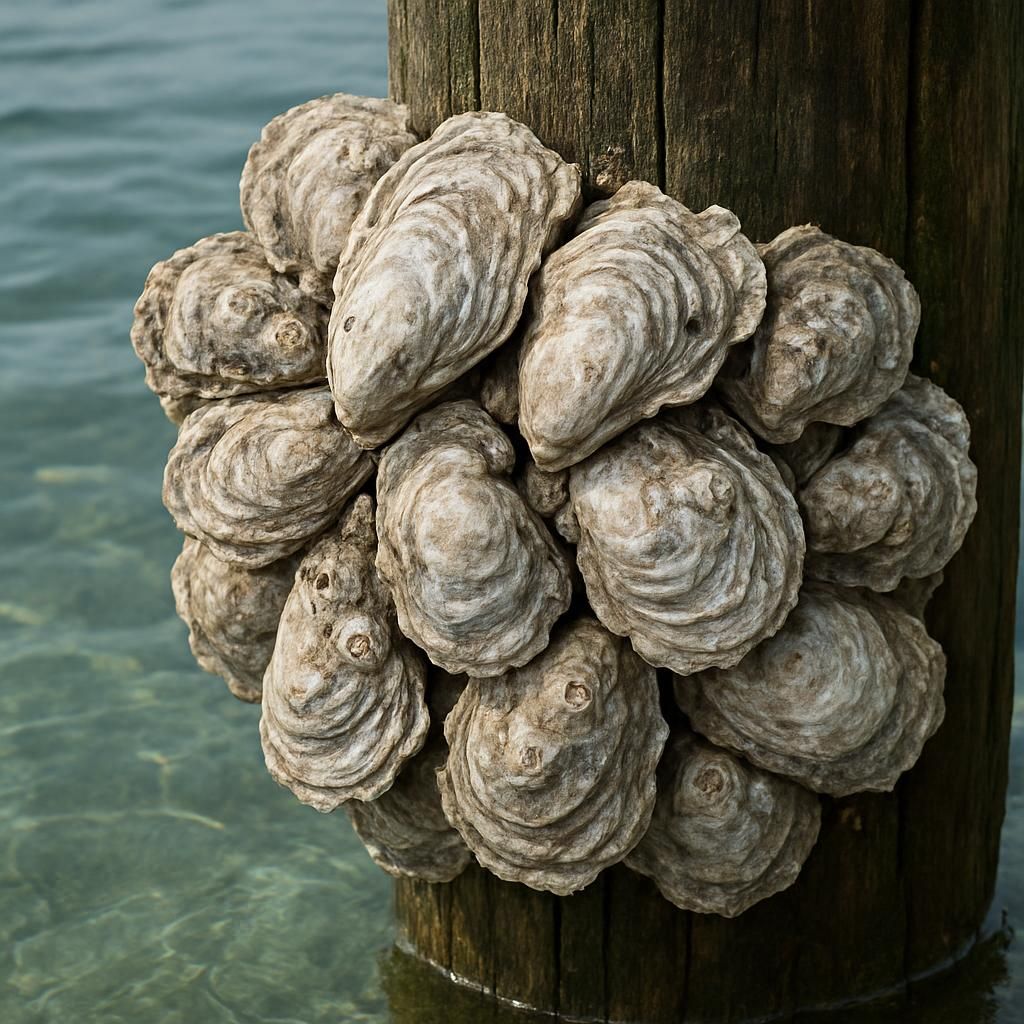
Introduction to Pacific oyster
The Pacific oyster, scientifically known as Crassostrea gigas, is a highly invasive marine bivalve originally native to the northwest Pacific. It has been introduced worldwide through aquaculture and ballast water, establishing dense populations in estuaries, bays, and intertidal zones that border agricultural lands. These oysters filter large volumes of water but can rapidly dominate substrates, smother native species, and create physical barriers that interfere with water intake systems used in coastal farming operations.
Beyond ecological disruption, Pacific oysters pose direct economic threats when they foul irrigation intakes, clog drainage channels, and reduce biodiversity in shellfish beds that support local fisheries. Their ability to tolerate wide salinity and temperature ranges allows them to spread into new regions, making early detection and proactive management essential for protecting both marine and adjacent terrestrial agricultural systems.
Identifying Symptoms & Damage
Pacific oyster infestations are identified by the presence of large, irregularly shaped, grayish-white shells attached in dense clusters to rocks, pilings, buoys, and man-made structures. In agricultural contexts, symptoms include reduced water flow through intake pipes, visible shell debris on screens or filters, and a decline in native bivalve or crustacean populations near affected waterways.
Damage manifests as physical obstruction of water movement, altered sediment deposition that can affect nearby fields through changed tidal patterns, and competition that reduces populations of commercially important native oysters and clams. Heavy fouling can also increase maintenance costs for pumps, gates, and other coastal infrastructure.
Lifecycle and Progression of Pacific oyster
The Pacific oyster exhibits a complex lifecycle involving broadcast spawning, a planktonic larval stage, and settlement onto hard substrates. Understanding each stage is critical for timing control interventions.
| Stage | Duration | Key Characteristics | Optimal Conditions |\n|--------------------|-------------------|----------------------------------------------------------|----------------------------------------| | Spawning | Hours to days | Adults release gametes into the water column | Water temperatures 18–24 °C | | Larval (veliger) | 2–4 weeks | Free-swimming larvae feed on phytoplankton | Salinity 20–35 ppt, abundant food | | Settlement (spat) | 1–7 days | Larvae attach to hard surfaces and metamorphose | Presence of suitable substrate | | Juvenile | 3–12 months | Rapid shell growth, filter feeding begins | High nutrient waters, low predation | | Adult | 2–10+ years | Reproductive maturity reached; dense reef formation | Stable intertidal or subtidal habitats |
Environmental Triggers & Risk Factors
Pacific oyster establishment is strongly influenced by water temperature, salinity, nutrient availability, and the presence of hard substrates. Rising sea temperatures associated with climate change extend the reproductive window, while increased nutrient runoff from agricultural lands fuels phytoplankton blooms that support larval survival.
Risk is highest in estuaries with moderate salinity (20–35 ppt), summer water temperatures above 18 °C, and structures such as pilings, riprap, or aquaculture gear that provide settlement sites. Proximity to active shipping lanes or historical aquaculture sites further elevates introduction probability.
Organic Control & Treatment Plans
Integrated management combines mechanical, biological, and cultural practices. No single method provides complete control; repeated applications and monitoring are required.
| Treatment Option | Method | Frequency | Notes |
|---|---|---|---|
| Manual scraping & removal | Hand or power scraping of surfaces | Quarterly or after spawning | Collect and dispose of shells away from water to prevent re-settlement |
| Pressure washing | High-pressure water jets | Bi-annually | Effective on pilings and intake screens; capture dislodged spat |
| Substrate modification | Replace hard surfaces with smooth materials | As infrastructure is maintained | Reduces settlement sites; coordinate with coastal engineering projects |
| Biological control (native predators) | Encourage native crabs and fish | Ongoing habitat support | Maintain predator populations through habitat corridors |
| Monitoring & early removal | Regular visual and settlement plate surveys | Monthly during warm season | Use settlement plates to detect new spat before heavy fouling occurs |
Preventing Pacific oyster in the Future
Prevention centers on reducing introduction pathways and limiting settlement opportunities. Ballast water management, hull cleaning protocols for vessels, and restrictions on new aquaculture introductions are foundational. On agricultural properties, regular inspection of water intake structures and prompt removal of any attached spat prevent establishment.
Maintaining vegetative buffers and reducing nutrient runoff also lowers the food supply that supports larval survival. Coordinated regional monitoring programs and rapid-response removal teams provide the best defense against new infestations.
Crops Most Affected by Pacific oyster
While the Pacific oyster does not directly attack terrestrial crops, it indirectly affects coastal agriculture by fouling irrigation infrastructure that supports Rice, Tomato, and Strawberry production near estuaries. Reduced water flow can stress these crops during critical growth periods, lowering yields and increasing pumping costs.