Introduction to Ulupica Pepper
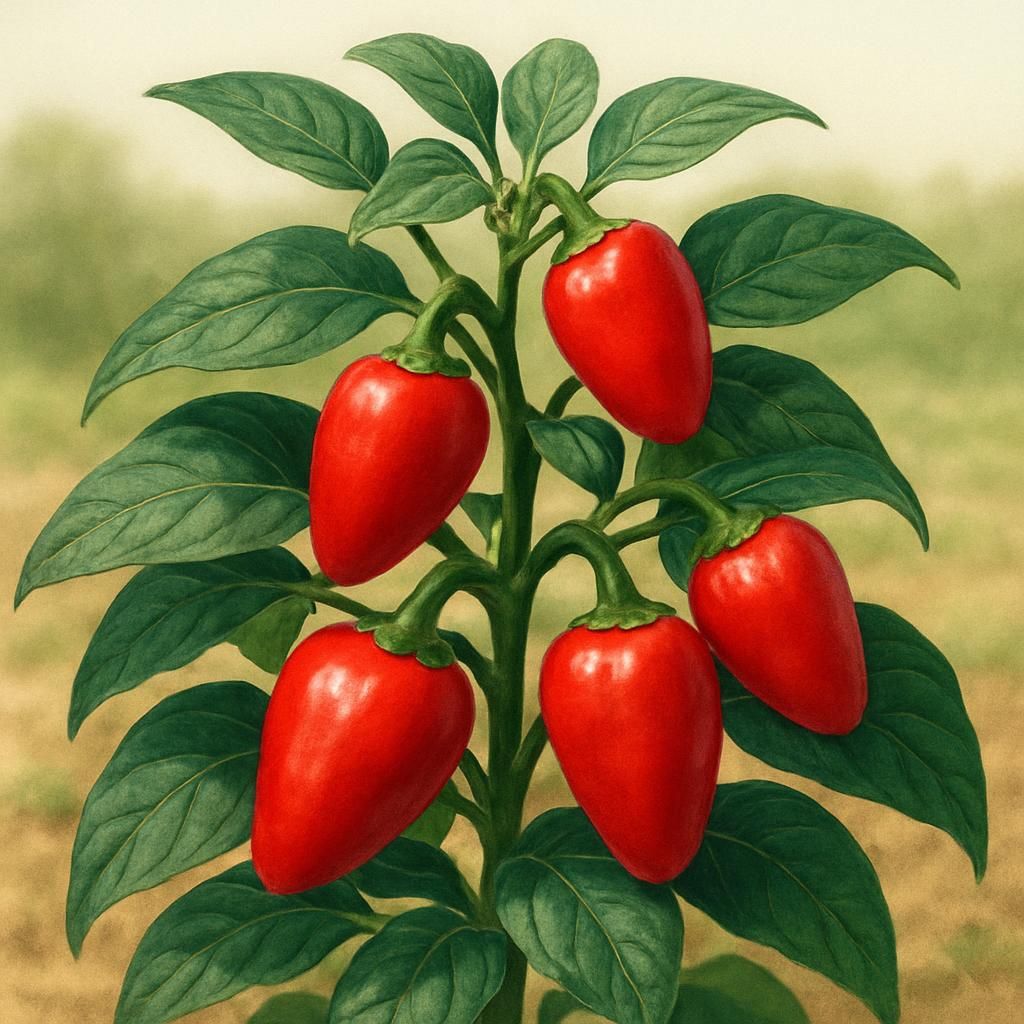
Ulupica Pepper (Capsicum cardenasii) is a wild Bolivian chili species known for its extreme pungency, reaching 150,000–200,000 Scoville Heat Units, and its distinctive citrus-berry aroma. Native to the high Andes, this small-fruited pepper has transitioned from foraged wild stands to a niche commercial crop valued by specialty hot-sauce producers and seed savers. The plant forms compact bushes 60–90 cm tall with dark green leaves and clusters of upright, cherry-sized pods that ripen from green to deep red. Because of its short growing season and cold tolerance, Ulupica Pepper offers growers in temperate climates a unique high-value option when managed with precise cultural practices.
Botanical Profile of Ulupica Pepper
Ulupica Pepper belongs to the Solanaceae family and is one of the few truly wild Capsicum species still cultivated on a small scale. It exhibits a perennial growth habit in frost-free zones but is typically grown as an annual in cooler regions. The plant produces perfect, self-fertile flowers that are predominantly pollinated by small native bees. Fruits average 1–2 cm in diameter, contain 15–25 seeds, and develop a thin, glossy pericarp that dries well for spice production. Genetic studies show high diversity in capsaicinoid profiles, allowing selective breeding for flavor intensity and disease resistance.
Soil, pH, and Climate Requirements for Ulupica Pepper
Ulupica Pepper thrives in well-drained, moderately fertile soils with consistent moisture but never waterlogging. The species prefers cool nights and warm days typical of high-elevation tropics.
| Parameter | Ideal Range | Notes |
|---|---|---|
| Soil Type | Sandy loam to loam | High organic matter improves structure |
| Soil pH | 6.2–6.8 | Slightly acidic prevents nutrient lockup |
| Temperature (Day) | 22–28 °C | Optimal fruit set occurs in this window |
| Temperature (Night) | 12–16 °C | Tolerates brief dips to 8 °C |
| Frost Tolerance | None | Protect below 5 °C |
| Altitude | 1,500–3,200 m | Mimics native Bolivian habitat |
| Spacing | 45 cm between plants, 60 cm rows | Allows airflow and easy harvest |
Step-by-Step Planting & Propagation
Start seeds indoors 8–10 weeks before the last frost. Soak seeds in 3 % hydrogen peroxide for 30 minutes to improve germination, then sow 5 mm deep in sterile seed-starting mix at 24–26 °C. Germination occurs in 10–18 days. Transplant seedlings when they have 4–6 true leaves and nighttime temperatures remain above 12 °C. Harden off plants for 7–10 days. In frost-free zones, direct sow or transplant after soil reaches 18 °C. Use black plastic mulch or row cover to accelerate early growth and suppress weeds.
Care & Maintenance regimes for Ulupica Pepper
Consistent irrigation and balanced nutrition are critical for fruit quality. Over-fertilization produces lush foliage at the expense of capsaicin production.
| Growth Stage | Water Schedule | Fertilizer Schedule | Pruning Schedule |
|---|---|---|---|
| Seedling (0–4 wks) | Keep evenly moist, never soggy | ¼-strength balanced liquid fertilizer weekly | Pinch growing tip at 4th true leaf |
| Vegetative (4–8 wks) | 2.5 cm/week; drip irrigation preferred | NPK 10-5-10 every 14 days | Remove lower leaves touching soil |
| Flowering/Fruiting | 3 cm/week; reduce slightly at ripening | Switch to NPK 5-10-10; foliar calcium weekly | Remove suckers below first fork |
| Post-Harvest | Reduce to 1.5 cm/week | Compost tea monthly | Cut back 30 % to encourage ratoon crop |
Pests, Diseases & Organic Management
Ulupica Pepper is susceptible to Aphids, Spider Mites, Thrips, and Fusarium wilt. Monitor weekly with yellow sticky traps. Release lady beetles and lacewings at first sign of aphids. Apply neem oil or insecticidal soap at 7-day intervals for mites and thrips. Rotate away from solanaceous crops for at least three years to reduce soil-borne pathogens. Drip irrigation and proper spacing reduce humidity-related diseases such as Botrytis and powdery mildew.
Harvesting, Curing & Optimal Storage
Harvest pods at full red color for maximum heat and flavor, typically 75–85 days after transplant. Pick every 4–5 days to encourage continuous production. Air-dry fruits on screens in a shaded, well-ventilated area at 25–30 °C for 7–10 days until brittle. Store whole dried pods in airtight glass jars away from light; shelf life exceeds 18 months. For fresh use, refrigerate at 7–10 °C and 85 % humidity for up to 10 days.
Companion Planting for Ulupica Pepper
Pair Ulupica Pepper with Thai Basil to repel aphids and improve flavor through aromatic root exudates. Marigold and Nasturtium deter nematodes and whiteflies. Avoid planting near Fennel or Dill which can stunt growth. Interplant with Cherry Tomato at 1 m spacing to maximize vertical space and provide shared pollinator resources. Clover living mulch between rows fixes nitrogen and suppresses weeds while maintaining soil moisture.