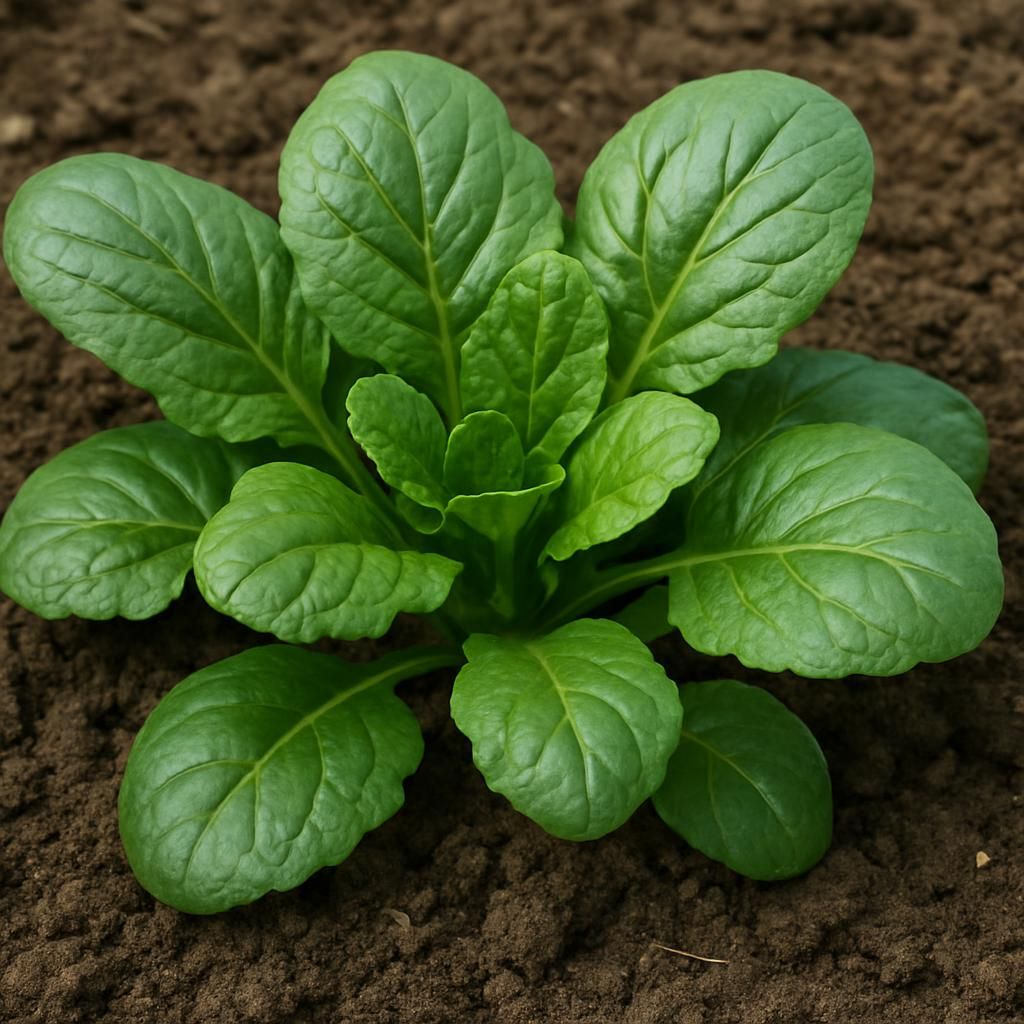
Introduction to Upland Cress
Upland Cress, also known as Winter Cress or American Cress, is a versatile leafy green. Renowned for its peppery taste, similar to watercress, it is a resilient crop ideal for home gardens and farms alike. Its leaves are notably rich in vitamins A, C, and K, adding nutritional value to salads and sandwiches. Upland Cress thrives in cool conditions, making it an excellent autumn or early spring crop.
Botanical Profile of Upland Cress
Botanically classified as Barbarea verna, Upland Cress belongs to the Brassicaceae family, which also includes kale, cabbage, and Brussels sprouts. This biennial plant, native to Europe, grows to about 12 to 24 inches in height. Its lush, dark green leaves grow in a rosette pattern and can survive moderate frost, adding to its appeal as a cold-hardy crop.
Soil, pH, and Climate Requirements for Upland Cress
To achieve optimal growth, Upland Cress requires specific soil, pH, and climate conditions which can be summarized in the following table:
| Factor | Ideal Condition |
|---|---|
| Soil Type | Loamy, well-drained |
| Soil pH | 6.0 - 7.0 |
| Temperature | 50°F - 75°F (10°C - 24°C) |
| Sun Exposure | Partial shade to full sun |
| Humidity | Moderate |
Step-by-Step Planting & Propagation
- Seed Selection: Choose high-quality seeds from a reputable supplier to ensure healthy germination.
- Site Preparation: Till the soil to a depth of 6-8 inches and mix in organic matter to enhance fertility.
- Sowing Seeds: Plant seeds directly in the garden bed during early spring or fall. Sow them 0.25 inches deep and 2-3 inches apart in rows.
- Thinning: Once seedlings have developed leaves, thin them to 6 inches apart to allow space for growth.
- Watering: Keep the soil consistently moist, but not waterlogged, to ensure germination.
Care & Maintenance regimes for Upland Cress
Ensuring proper care for Upland Cress involves regular watering, strategic fertilization, and occasional pruning, shown below:
| Activity | Schedule |
|---|---|
| Watering | 1 inch per week |
| Fertilizer | Every 4-6 weeks |
| Pruning | Trim yellow leaves as needed |
Pests, Diseases & Organic Management
Common pests include Aphids and Spider Mites, while diseases may include downy mildew and leaf spot. Employ organic pest control such as neem oil and insecticidal soap to manage infestations. Regular crop rotation and removing diseased leaves are effective preventive measures.
For more insights on handling pest threats, read our blog 7 Summer Pest Traps That Sabotage Small Farm Harvests.
Harvesting, Curing & Optimal Storage
Harvesting can begin 4-6 weeks after planting once leaves are large enough for your culinary uses. Use sharp scissors to cut the cress about an inch above the base to encourage regrowth. For optimal storage, wash and dry leaves, then keep them in a damp paper towel within a plastic bag in the refrigerator for up to a week.
Companion Planting for Upland Cress
Upland Cress thrives alongside crops like Carrot and Lettuce. Companion planting can deter pests and promote plant health by improving nutrient uptake and providing physical support. Avoid planting near Cruciferous vegetables as they may compete for the same nutrients.
Explore more about strategic planting in our article, Summer Companion Planting: 10 Organic Pairings to Boost Small Farm Resilience.