Introduction to Valerian Root
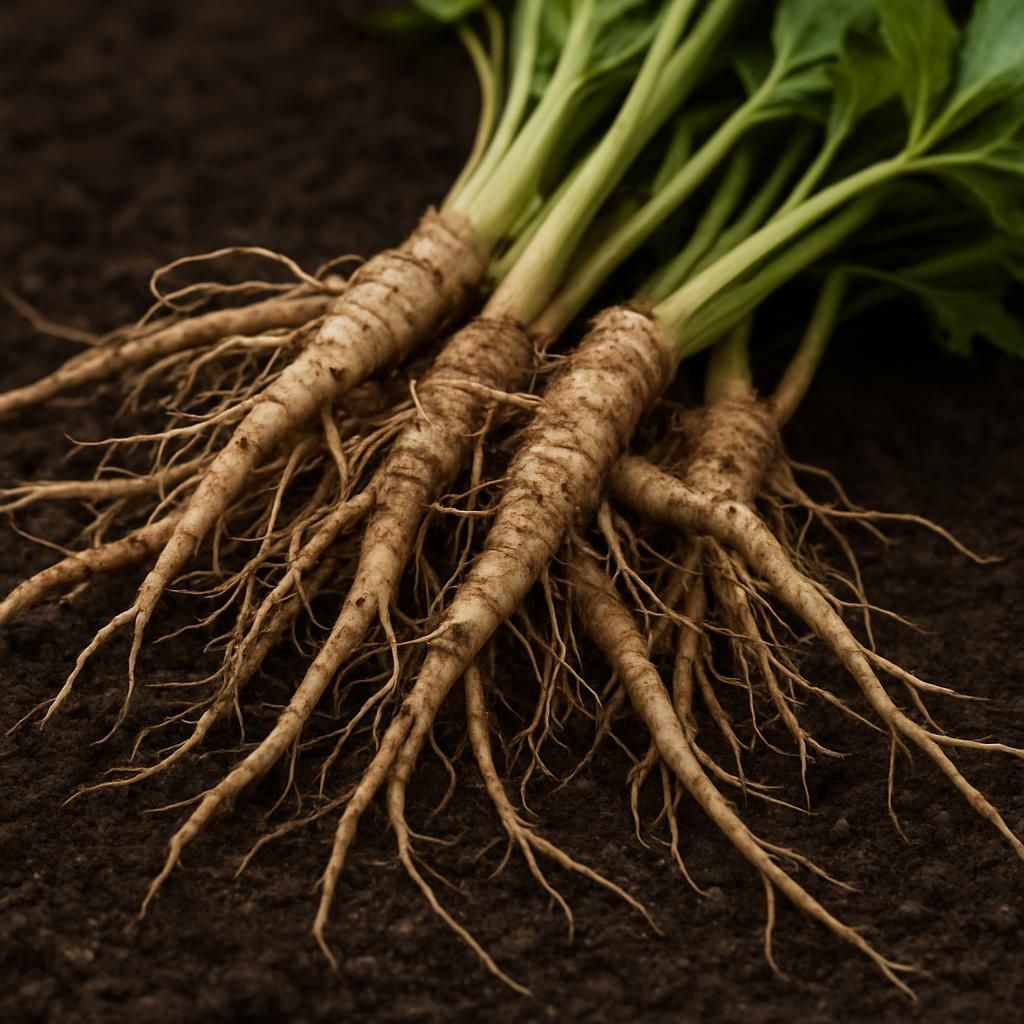
Valerian Root (Valeriana officinalis) has been cultivated for centuries as a medicinal crop prized for its sedative and anxiolytic properties. The plant produces clusters of small white or pink flowers atop tall stems, but the true economic value lies underground in the thick, aromatic rhizomes and roots. Commercial growers target the root for drying, tinctures, and capsules, while small-scale farmers often integrate it into diversified herb operations.
Successful production demands attention to soil moisture, winter hardiness, and a two-year growth cycle. Yields vary widely depending on climate and management, but well-managed stands can produce 800–1200 kg of dried root per hectare in the second year. Because the crop is relatively low-maintenance once established, it appeals to organic and regenerative growers seeking high-value specialty herbs.
Botanical Profile of Valerian Root
Valeriana officinalis belongs to the Caprifoliaceae family and is native to Europe and western Asia. It grows as a clump-forming herbaceous perennial reaching 1–1.5 m in height with pinnately divided leaves and corymbs of tiny, fragrant blooms. The root system consists of a short rhizome with numerous fleshy secondary roots that contain the highest concentration of valerenic acids and essential oils.
The plant is fully hardy to USDA zone 4 and tolerates light frost. In the first year it forms a basal rosette; flowering and seed set occur in the second season. Roots are harvested in autumn of the second year when volatile compounds peak. Seed viability declines rapidly, so fresh seed or division is preferred for propagation.
Soil, pH, and Climate Requirements for Valerian Root
Valerian prefers deep, loamy soils with excellent moisture retention yet good drainage. Heavy clay should be amended with organic matter to prevent waterlogging, while sandy soils benefit from compost to improve water-holding capacity.
| Parameter | Ideal Range | Notes |
|---|---|---|
| Soil Type | Loam to sandy loam | Deep, friable structure preferred |
| Soil pH | 5.5–7.0 | Slightly acidic to neutral |
| Temperature Range | 15–24 °C daytime | Cool nights improve root quality |
| USDA Hardiness | Zones 4–8 | Requires winter chilling |
| Annual Rainfall | 600–1000 mm | Supplemental irrigation in dry spells |
| Light Requirement | Full sun to partial shade | Afternoon shade beneficial in hot climates |
Step-by-Step Planting & Propagation
Valerian is most reliably started from fresh seed sown in late summer or early autumn. Prepare a fine seedbed and sow at 3–5 mm depth, keeping the surface consistently moist until germination (14–21 days). Thin seedlings to 30 cm spacing once they reach the four-leaf stage.
Division of established clumps in early spring offers faster establishment for commercial plantings. Lift healthy two-year-old plants, separate rhizomes with at least two buds, and replant immediately at the same depth. Root cuttings taken in autumn can also be used but require bottom heat (18 °C) for reliable rooting.
Care & Maintenance regimes for Valerian Root
Consistent moisture is critical during the first season; allow the top 2–3 cm of soil to dry slightly between waterings to encourage deep rooting. Mulch with 5–8 cm of straw or leaf mold to suppress weeds and retain humidity. Fertilization should be moderate—excess nitrogen promotes lush foliage at the expense of root development.
| Growth Stage | Watering Frequency | Fertilizer Schedule | Pruning/Maintenance |
|---|---|---|---|
| Establishment (Yr 1) | Keep evenly moist | 5-5-5 organic at 50 g/m² after 4 weeks | Remove flower stalks to direct energy |
| Active Growth (Yr 2) | 25–30 mm/week | Side-dress compost tea at bud break | Deadhead spent blooms, cut back foliage |
| Pre-Harvest | Reduce to avoid rot | No additional fertilizer | Remove weeds and diseased leaves |
Pests, Diseases & Organic Management
Valerian is relatively pest-resistant but can suffer from aphids and spider mites during hot, dry periods. Regular scouting and strong water sprays or insecticidal soap provide effective control. Root-knot nematodes may become problematic in sandy soils; crop rotation with marigold or mustard green manures helps suppress populations.
Fungal issues such as powdery mildew and root rot are mitigated by proper spacing (45–60 cm between plants) and well-drained beds. Copper-based sprays and neem oil offer organic options when infection pressure is high. Avoid overhead irrigation late in the day to reduce leaf wetness duration.
Harvesting, Curing & Optimal Storage
Harvest roots in the second autumn after the first hard frost when foliage begins to yellow. Lift entire plants with a digging fork, shake off soil, and cut tops 2–3 cm above the crown. Wash roots gently in cool water, then slice larger rhizomes for faster drying.
Dry at 35–40 °C with good airflow until roots snap cleanly (typically 5–7 days). Store in airtight containers away from light and heat; properly cured root retains potency for 12–18 months. Vacuum-sealing extends shelf life up to two years.
Companion Planting for Valerian Root
Valerian pairs well with nitrogen-fixing legumes such as clover and peas that improve soil fertility without competing for nutrients. Aromatic companions like thyme and rosemary help deter aphids and spider mites. Avoid planting near brassicas because shared pests can migrate between crops.
Valerian also serves as a beneficial insect attractor; its flowers provide late-season nectar for predatory wasps and hoverflies that reduce pest pressure on neighboring vegetables. Incorporate it as a border or insectary strip within diversified herb and vegetable systems.