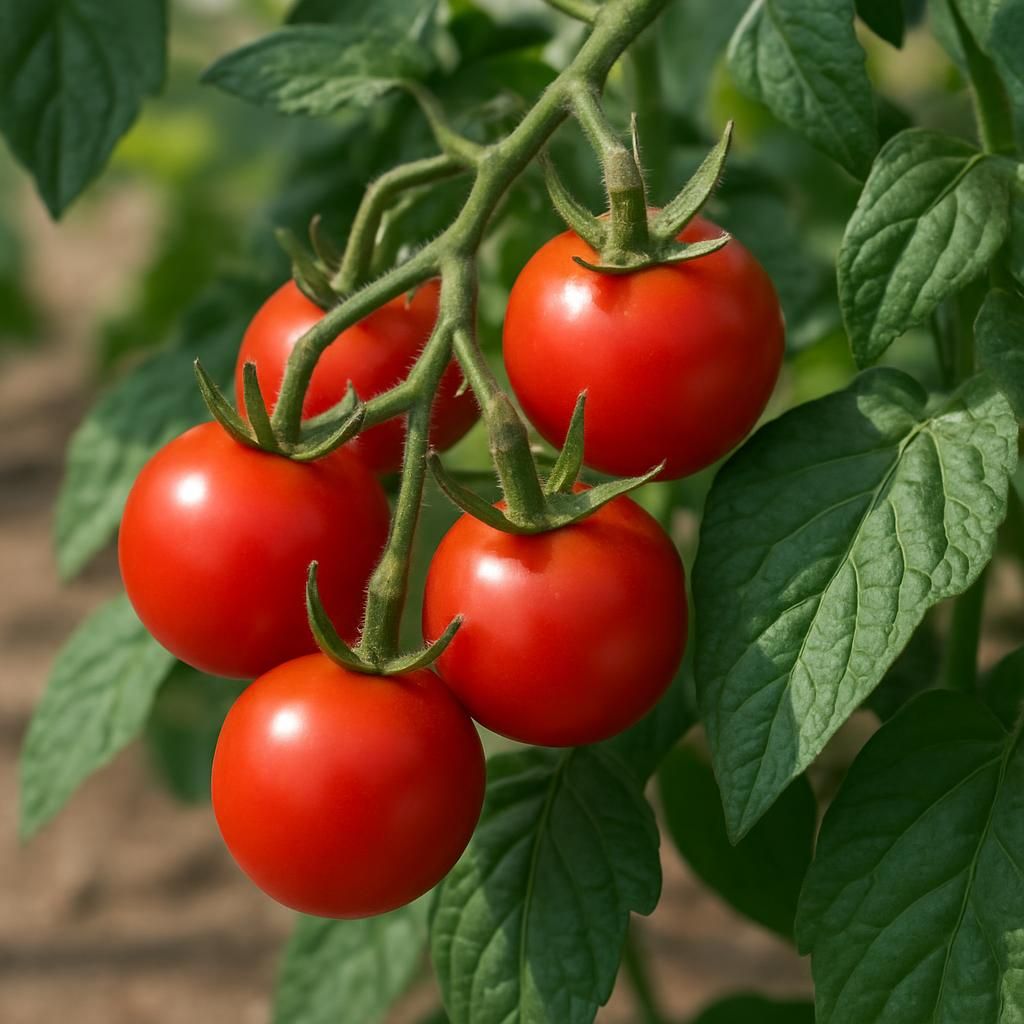
Introduction to Stupice Tomato
Stupice Tomato is a beloved heirloom variety originating from Czechoslovakia, renowned among gardeners and small-scale farmers for its exceptional cold tolerance and early ripening. Developed in the mid-20th century, this compact plant delivers sweet, intensely flavored fruits even in short growing seasons where many other tomatoes fail. Its reliable performance, combined with resistance to common tomato ailments, makes it a staple for northern climates and organic production systems. Whether grown in raised beds, containers, or traditional field rows, Stupice consistently produces high-quality yields with minimal inputs.
Botanical Profile of Stupice Tomato
Stupice belongs to the species Tomato within the Solanaceae family. The plant exhibits a semi-determinate growth habit, reaching 4–5 feet in height with sturdy stems and potato-leaf foliage that provides good disease resistance. Fruits are small to medium (2–3 ounces), round to slightly oblate, and ripen to a deep red with a rich, balanced sweet-tart flavor profile. The variety is noted for its high fruit set even under cooler temperatures and its ability to continue production into late summer.
Soil, pH, and Climate Requirements for Stupice Tomato
Stupice thrives in well-drained, fertile loam soils enriched with organic matter. Consistent moisture without waterlogging is essential for healthy root development and fruit quality. The variety tolerates a broad temperature range but performs best when daytime temperatures remain between 65–80°F (18–27°C).
| Parameter | Ideal Range/Value | Notes |
|---|---|---|
| Soil Type | Loamy, well-drained | Incorporate compost for structure |
| Soil pH | 6.2–6.8 | Slightly acidic optimizes nutrient uptake |
| Temperature (Day) | 65–80°F (18–27°C) | Cool tolerant down to 50°F (10°C) |
| Temperature (Night) | 55–65°F (13–18°C) | Avoid prolonged exposure below 50°F |
| Spacing | 18–24 inches between plants | Rows 3–4 feet apart |
| Sunlight | Full sun (6–8+ hours) | Morning sun preferred in cool climates |
| Frost Tolerance | Moderate (seedlings sensitive) | Use row covers for late spring frosts |
Step-by-Step Planting & Propagation
Start seeds indoors 6–8 weeks before the last expected frost date. Sow seeds ¼ inch deep in sterile seed-starting mix and maintain soil temperature at 75–85°F (24–29°C) for optimal germination. Once seedlings develop their first true leaves, transplant into 4-inch pots and harden off gradually over 7–10 days. Set plants outdoors when soil temperatures reach at least 60°F (16°C) and all frost risk has passed. Space plants 18–24 inches apart in rows 3–4 feet wide. Provide sturdy stakes or cages at planting time to support future growth.
Care & Maintenance regimes for Stupice Tomato
Stupice requires consistent care focused on moisture management, balanced nutrition, and structural support. Mulch heavily with straw or shredded leaves to conserve soil moisture and suppress weeds. Water deeply at the base of plants to keep foliage dry and reduce disease pressure. Fertilize according to soil test results, emphasizing phosphorus and potassium during flowering and fruiting stages.
| Growth Stage | Watering Schedule | Fertilizer Application | Pruning/Maintenance |
|---|---|---|---|
| Seedling/Transplant | Keep evenly moist (1 inch/week) | Light balanced fertilizer (NPK 5-10-10) | Remove lower leaves touching soil |
| Vegetative | 1–1.5 inches/week | Side-dress with compost tea every 3 weeks | Remove suckers below first flower cluster |
| Flowering/Fruiting | 1.5–2 inches/week | Apply potassium-rich fertilizer monthly | Continue light suckering; tie stems |
| Late Season | Reduce to 1 inch/week | Cease nitrogen applications | Remove diseased foliage; clean debris |
Pests, Diseases & Organic Management
Stupice demonstrates good resistance to many common tomato pathogens, yet remains susceptible to Early blight, Septoria leaf spot, and Tomato spotted wilt virus. Monitor regularly for Aphids, Spider mites, and Hornworms. Implement integrated pest management by introducing beneficial insects such as lady beetles and lacewings. Apply neem oil or insecticidal soap at the first sign of infestation. Practice crop rotation and remove crop debris at season’s end to break disease cycles. Copper-based fungicides can be used sparingly for bacterial and fungal issues when cultural controls prove insufficient.
Harvesting, Curing & Optimal Storage
Harvest fruits when they reach full color and yield slightly to gentle pressure. For peak flavor, allow tomatoes to ripen fully on the vine. In cooler climates, pick mature green fruits before the first frost and ripen indoors at 60–70°F (15–21°C). Store ripe tomatoes at room temperature away from direct sunlight; refrigeration diminishes flavor. For longer preservation, can, dehydrate, or freeze the harvest. Properly stored, fresh Stupice tomatoes maintain quality for 5–7 days.
Companion Planting for Stupice Tomato
Pair Stupice with aromatic herbs such as Thai Basil and Rosemary to deter pests and enhance flavor. Marigold and Nasturtium repel nematodes and aphids while attracting pollinators. Avoid planting near Potato or Corn to minimize shared disease risks. Lettuce and Carrot make excellent understory companions that utilize different soil layers. Cucumber and Pepper also thrive alongside tomatoes when spaced appropriately.