Introduction to Summer rots
Summer rots represent a complex of destructive diseases that strike during the hottest months, primarily affecting fruit, stems, and blossoms in warm, humid climates. Caused mainly by oomycete pathogens like Phytophthora species—such as Phytophthora capsici, P. drechsleri, and P. nicotianae—these rots thrive when temperatures exceed 25°C (77°F) and free moisture persists on plant surfaces. Secondary bacterial invaders, including Erwinia and Pseudomonas species, accelerate tissue breakdown, turning firm plant parts into mushy, foul-smelling masses.
This guide provides professional-grade diagnostic criteria, lifecycle insights, and proven organic management strategies tailored for small farms and commercial growers. With global warming intensifying summer conditions, summer rots now cause billions in annual losses, particularly in cucurbits, peppers, tomatoes, and tropical fruits. Early identification and intervention are critical, as infections can wipe out 50-100% of yields in untreated fields. For small farms optimizing under pressure, integrating precise monitoring with Why Misidentifying Plants Costs Small Farms Thousands - And How AI Camera Diagnosis Fixes It Fast can prevent misdiagnosis and enable rapid response.
Understanding summer rots requires recognizing their opportunistic nature: they exploit wounds from sunburn, mechanical injury, or pest damage like squash bugs. Unlike cool-season rots such as Botrytis, summer rots favor high humidity (80%+ RH) and soil saturation, making them a hallmark of monsoon seasons in subtropical regions. This comprehensive resource equips growers with tools to diagnose, treat, and prevent outbreaks effectively.
Identifying Symptoms & Damage
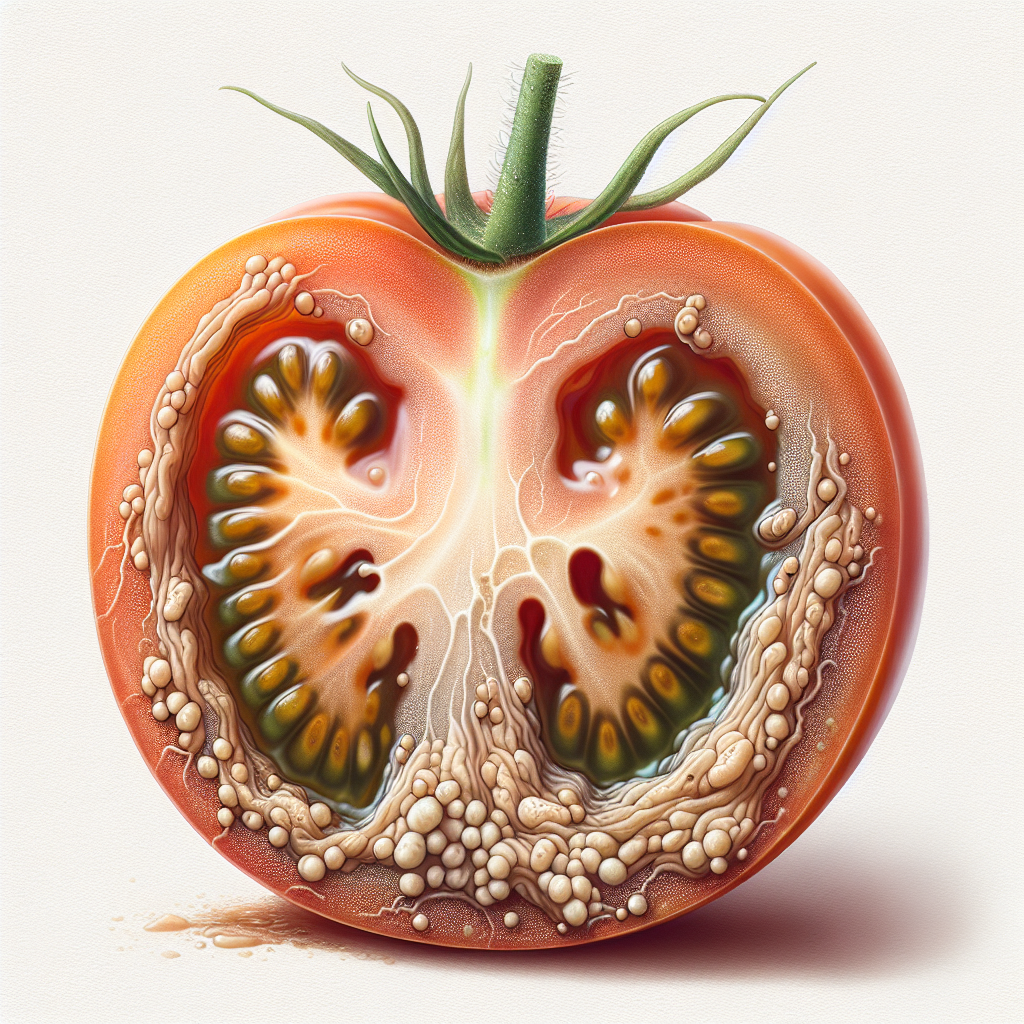
Accurate diagnosis hinges on distinct visual and textural cues. Initial symptoms appear as small, water-soaked spots on fruits, stems, or blossoms, often at the soil line or near pruning wounds. Within 24-48 hours in hot weather, these lesions expand rapidly, becoming sunken, soft, and translucent—earning the 'rots' moniker.
Key diagnostic features include:
- Color progression: Pale green to brown-black, with a clear boundary between healthy and rotted tissue.
- Texture: Squishy and slippery, exuding watery ooze that turns foul-smelling as bacteria invade.
- Fruit-specific signs: On tomato or cucumber, rots start at the blossom end, mimicking blossom end rot but spreading upward. In squash, entire fruits collapse into flattened, leathery husks.
- Stem involvement: Dark streaks with shredded bark; girdling leads to wilting above the lesion.
- Sporulation: Under humid conditions, white-gray sporangia (fuzzy growth) appear on lesion surfaces, confirming Phytophthora.
Damage escalates quickly: a single lesion can rot an entire fruit overnight, leading to 70% yield loss in peppers or melons. Differentiate from anthracnose (darker, concentric rings) or soft rots (slimy, no sporulation). Use a knife to cut lesions: healthy tissue is firm; rotted tissue shreds easily. Lab confirmation via plating on selective media reveals the pathogen in 3-5 days.
Economic impact is severe—small farms lose prime market fruits, reducing revenue by 30-50%. Scout weekly during summer, focusing on lower canopy and soil splash zones.
Lifecycle and Progression of Summer rots
Summer rots follow a polycyclic lifecycle optimized for hot, wet summers. Primary inoculum survives in soil as thick-walled oospores (up to 5 years) or in plant debris. Zoospores—motile, water-loving propagules—swim in films of free water to infect wounds or stomata.
Progression stages:
- Inoculation (0-24 hrs): Splash dispersal from rain or irrigation delivers sporangia to susceptible tissue.
- Incubation (1-3 days): At 28-35°C, mycelium colonizes, causing water-soaking.
- Symptom expression (3-7 days): Lesions expand 1-2 cm/day; new sporangia form for secondary cycles.
- Secondary spread: Wind-driven rain spreads spores up to 100m; tools and workers disseminate over fields.
Peak activity occurs mid-summer with daily cycles: sporangia release at dawn, infection by noon. In Phytophthora crown or fruit rot, root infections girdle stems, blocking vascular flow and causing canopy wilt. Harvested fruits rot postharvest if latent infections exist, emphasizing pre-harvest control.
Environmental Triggers & Risk Factors
Summer rots explode under specific conditions: temperatures 25-35°C, relative humidity >85%, and leaf wetness >12 hours. Poor soil drainage traps inoculum, while overhead irrigation creates ideal spore dispersal. Compacted soils reduce root oxygenation, stressing plants and inviting root rots.
Key risk factors:
- Cultural: Excessive nitrogen promotes lush growth prone to infection; close spacing traps humidity.
- Site issues: Low-lying fields flood-prone; clay soils hold water.
- Crop stress: Drought followed by rain wounds tissue; mites or thrips create entry points.
- Regional hotspots: Subtropical zones (Florida, Queensland, India) see epidemics during monsoons.
Monitor with weather stations: alert when leaf wetness exceeds thresholds. For small farms, Why 80% of Small Farms Battle Weather Disasters - And How Hyper-Local AI Forecasts Can Save Your Harvest offers predictive tools to preempt outbreaks.
Organic Control & Treatment Plans
Organic management integrates sanitation, cultural shifts, and biofungicides. No single cure exists; focus on suppression.
Immediate response:
- Remove and destroy infected parts (burn or bury deep).
- Apply copper-based fungicides (e.g., copper octanoate) at 7-10 day intervals; OMRI-listed.
- Drench soil with Trichoderma or Bacillus subtilis (e.g., Serenade) to antagonize pathogens.
Integrated plan:
- Timing: Start at fruit set; reapply post-rain.
- Bio-controls: Streptomyces lydicus (Actinovate) colonizes roots.
- Plant extracts: Neem oil + potassium bicarbonate disrupts spore germination.
- Mulching: Plastic or organic mulches prevent splash.
For squash vine borer wounds, seal with organic putty. Rotate with non-hosts like grains. In severe cases, rogue entire rows. Efficacy: 60-80% control with compliance.
Preventing Summer rots in the Future
Prevention outperforms cure: select resistant varieties (e.g., 'Grey Zucchini' for cucurbits), improve drainage with raised beds or tile systems. Drip irrigate to keep foliage dry; time watering for midday evaporation.
Long-term strategies:
- Soil solarization: Summer tarp fields 4-6 weeks kills 90% soil inoculum.
- Resistant rootstocks: For tomato, use Maxifort.
- Cover crops: Mustard biofumigants suppress Phytophthora.
- Monitoring: Traps for early detection; soil tests for pathogen load.
- Sanitation: Disinfect tools; footbaths at field edges.
Annual planning reduces incidence by 70%. Pair with companion planting from Why Companion Planting Feels Like Guesswork for Small Farms - And How AI Makes It Foolproof.
Crops Most Affected by Summer rots
Summer rots target Solanaceae and Cucurbitaceae: Tomato, bell pepper, eggplant, cucumber, squash, pumpkin, watermelon. Tropicals like mango, avocado, papaya suffer stem rots. Peppers lose 40% fruit; cucurbits collapse vines. Avoid in flood-prone fields.