Introduction to Striped German Tomato
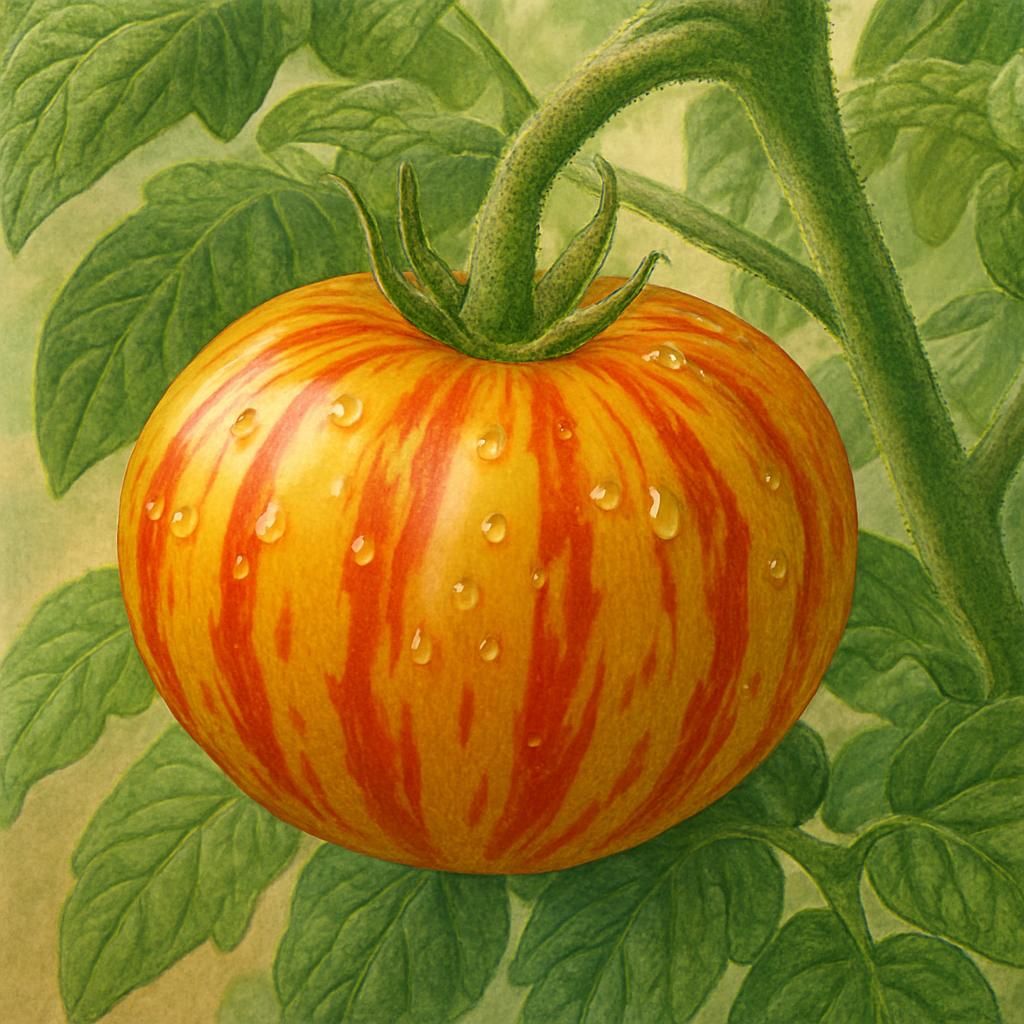
Striped German Tomato is an heirloom beefsteak variety renowned for its dramatic coloration and complex flavor profile. The large, slightly flattened fruits display vivid yellow-orange skin streaked with ruby-red pigment, often weighing 12–16 ounces. Gardeners and market growers favor this cultivar for its rich, balanced sweetness and low acidity, making it ideal for fresh salads, sandwiches, and gourmet sauces.
Originating from the Appalachian region of the United States, Striped German has been preserved by seed savers for generations. Its vigorous indeterminate vines continue producing until frost, delivering consistent harvests when provided with sturdy support and regular maintenance.
Botanical Profile of Striped German Tomato
Striped German belongs to the nightshade family (Solanaceae) and exhibits classic indeterminate growth, reaching 6–8 feet in height. The plants produce potato-leaf foliage that provides generous shade for developing fruit clusters. Flowers are self-pollinating, though wind and insect activity enhance fruit set.
The fruits feature a distinctive marbled appearance created by anthocyanin pigments in the skin. Flesh is meaty with few seeds and a rich, fruity aroma. This variety is classified as a late-season tomato, typically requiring 80–90 days from transplant to first ripe fruit.
Soil, pH, and Climate Requirements for Striped German Tomato
Striped German performs best in fertile, well-drained loam enriched with organic matter. Soil should be amended with aged compost or well-rotted manure prior to planting. Avoid heavy clay soils that retain excess moisture, which can lead to root diseases.
| Parameter | Ideal Range | Notes |
|---|---|---|
| Soil Type | Loamy, well-drained | Incorporate 2–3 inches of compost |
| Soil pH | 6.2–6.8 | Test annually; adjust with lime if needed |
| Temperature (Day) | 70–85°F (21–29°C) | Protect from temps below 50°F |
| Temperature (Night) | 60–70°F (15–21°C) | Use row covers for early/late season |
| Sunlight | Full sun, 8+ hours | Morning sun preferred to reduce disease |
| Spacing | 24–36 inches between plants | Rows 4–5 feet apart; use cages or stakes |
| Frost Tolerance | None | Transplant after last spring frost |
Step-by-Step Planting & Propagation
- Start seeds indoors 6–8 weeks before the last expected frost. Sow ¼ inch deep in sterile seed-starting mix.
- Maintain soil temperature at 75–80°F for optimal germination (7–10 days).
- Provide 14–16 hours of light daily using grow lights positioned 2–3 inches above seedlings.
- Harden off plants for 7–10 days by gradually exposing them to outdoor conditions.
- Transplant outdoors when soil reaches 60°F and nighttime temperatures remain above 55°F.
- Dig holes 24–36 inches apart; mix ½ cup of balanced organic fertilizer or compost into each planting hole.
- Set plants deeply, burying the stem up to the first true leaves to encourage strong root development.
- Water thoroughly after planting and apply a 2–3 inch layer of organic mulch to retain moisture and suppress weeds.
Care & Maintenance regimes for Striped German Tomato
Consistent care ensures vigorous growth and high-quality fruit. Monitor plants weekly for nutrient deficiencies, pests, and disease symptoms.
| Task | Schedule | Details |
|---|---|---|
| Watering | 1–2 inches per week | Deep watering at base; avoid wetting foliage |
| Fertilizer | Every 3–4 weeks after fruit set | Use balanced organic (5-5-5) or fish emulsion |
| Pruning | Weekly from transplant | Remove suckers below first flower cluster |
| Mulching | At planting and mid-season | Maintain 3-inch layer of straw or leaves |
| Support | Install at transplant | Use 6–8 ft cages or Florida weave system |
| Weeding | As needed | Hand-pull or shallow hoe to avoid root damage |
Pests, Diseases & Organic Management
Common challenges include Aphids, Hornworms, and Spider Mites. Early detection through daily scouting prevents major outbreaks.
- Aphids: Spray with insecticidal soap or neem oil; encourage lady beetles and lacewings.
- Hornworms: Handpick larvae; apply Bt (Bacillus thuringiensis) when small.
- Spider Mites: Increase humidity and apply horticultural oil.
- Early Blight and Septoria Leaf Spot: Remove lower leaves, improve airflow, and apply copper-based fungicides.
- Blossom End Rot: Maintain consistent soil moisture and ensure adequate calcium uptake.
Rotate tomatoes with non-solanaceous crops every 3–4 years to reduce soil-borne pathogens such as Fusarium Wilt and Verticillium Wilt.
Harvesting, Curing & Optimal Storage
Harvest when fruits show full color but remain slightly firm. Cut stems with pruners to avoid damaging vines. For peak flavor, allow fruits to ripen on the vine when possible.
Store unripe tomatoes at 55–70°F away from direct sun. Fully ripe fruits keep 4–7 days at room temperature or up to two weeks in the refrigerator (though flavor may diminish). For long-term use, can, freeze, or dehydrate surplus harvest.
Companion Planting for Striped German Tomato
Pair Striped German with aromatic herbs and flowers to deter pests and attract beneficial insects. Recommended companions include Basil, Marigold, Nasturtium, and Borage. These plants improve pollination and provide habitat for predatory insects.
Avoid planting near Fennel or Walnut trees, as these can inhibit tomato growth through allelopathy. Corn and Cucumber are neutral companions but require separate irrigation management.
For deeper insights on optimizing small-farm timing and harvest strategies, see The Overlooked Art of Seasonal Harvest Timing for Small Farm Profit.