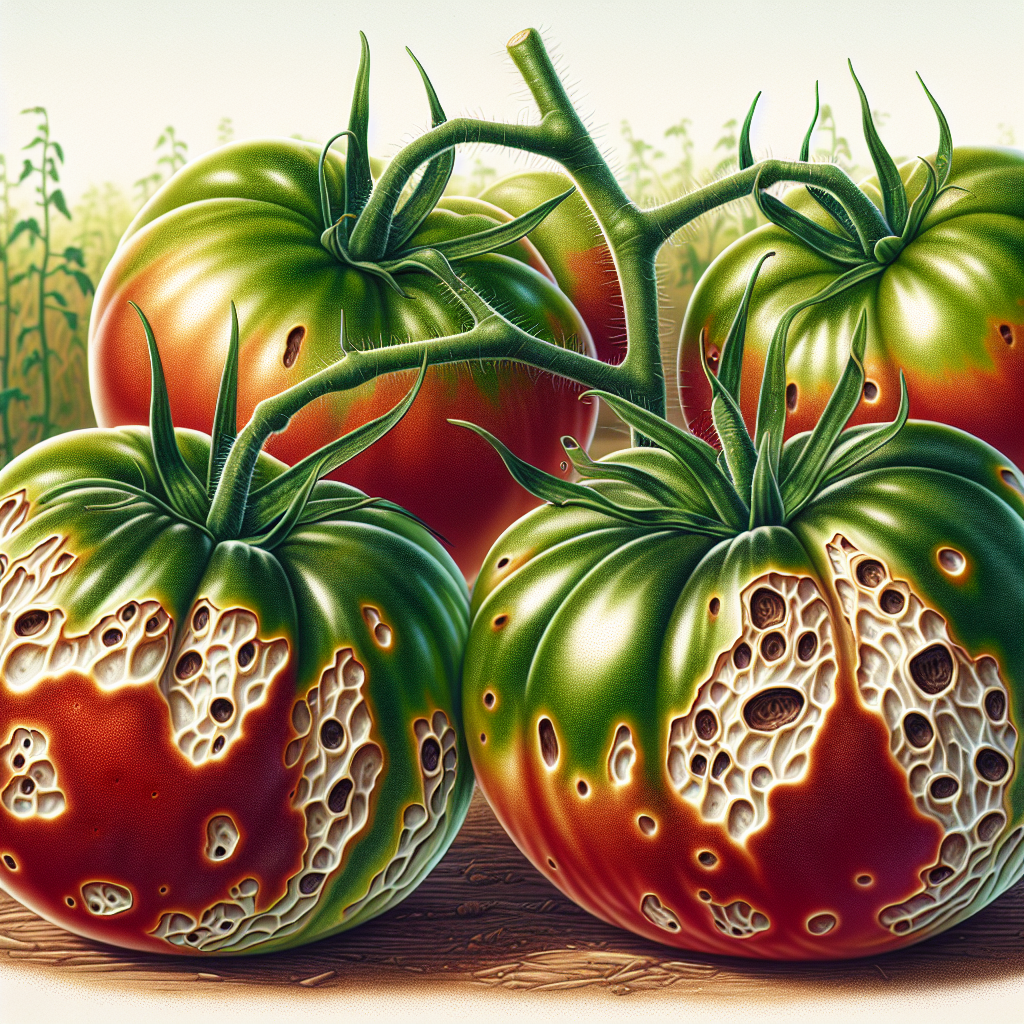
Definitive Diagnostic and Management Guide for Sunburn in Crops
Sunburn represents one of the most widespread abiotic challenges in modern agriculture, affecting a broad spectrum of crops under high-radiation environments. Unlike biotic pests such as aphids or diseases like powdery mildew, sunburn stems from environmental extremes, making proactive management essential for yield preservation. This comprehensive guide, drawing from botanical and agricultural expertise, equips growers with diagnostic tools, lifecycle insights, organic treatments, and prevention protocols to combat sunburn effectively.
Introduction to Sunburn
Sunburn, also known as solar scald or sunscald, occurs when plant tissues are exposed to excessive ultraviolet (UV) radiation and heat, leading to protein denaturation, cell membrane breakdown, and tissue necrosis. This disorder is particularly devastating in open-field and high-light regions, where clear skies and reflective surfaces amplify damage. In commercial agriculture, sunburn can slash marketable yields by 20-50% in susceptible crops, driving up losses in fruits and vegetables.
The condition manifests differently across plant parts: leaves develop bleached or brown patches, fruits exhibit corky, sunken lesions, and stems show cracking or bronzing. While not infectious, sunburn weakens plants, inviting secondary issues like fruit rots or sooty mold. Understanding its mechanics is crucial—UV-B rays (280-315 nm) penetrate thin cuticles, generating reactive oxygen species (ROS) that overwhelm antioxidant defenses. Heat exacerbates this by closing stomata, reducing transpirational cooling.
Globally, sunburn impacts billions in crop value annually, from California's almond orchards to India's mango groves. Climate change intensifies occurrences with rising temperatures and erratic weather. For small farms, integrating shade strategies and varietal selection offers cost-effective resilience. Read this blog on hyper-local AI forecasts to predict high-risk sunburn days.
Identifying Symptoms & Damage
Accurate diagnosis hinges on recognizing sunburn's distinct hallmarks, distinguishing it from biotic mimics like early blight or bacterial spot. Initial symptoms appear on exposed surfaces: leaves show white or yellow papery spots progressing to necrotic brown craters, often with a halo of chlorosis. Fruits display sharp-bordered, colorless to tan scalds, evolving into leathery, cracked scars that impair quality.
Severity scales with exposure—mild cases yield superficial bronzing, while severe ones cause full-tissue death. On tomato fruits, equatorial bands of scald are classic, contrasting diffuse blights. Peppers exhibit 'sunburn shoulders' on green fruits, turning black post-ripening. Apples and peaches show russeted patches on sun-facing cheeks.
Microscopic exam reveals collapsed epidermal cells, empty chloroplasts, and lignified suberized layers. Damage quantifies via indices: 1-10% surface affected is cosmetic; over 25% renders unmarketable. Economic thresholds vary—citrus tolerates 10%, but Hass Avocado rejects >5%. Differentiate via absence of mycelia, uniform margins, and direct sun correlation. Field scouting at midday, using UV meters, confirms diagnosis.
Yield impacts compound: weakened fruits drop prematurely, succumb to pathogens, or fail storage. In bell pepper, sunburn halves grade-A output. Proactive scouting prevents escalation.
Lifecycle and Progression of Sunburn
Unlike pests with generational cycles, sunburn follows environmental pulses without biological stages. Progression ties to solar intensity: Stage 1 (acute)—immediate erythema from ROS burst within hours of peak UV (11 AM-3 PM). Stage 2 (subacute)—24-48 hours later, tissue dehydration and protein coagulation yield visible blanching.
Stage 3 (chronic)—days to weeks, hyperplastic cork forms over lesions, creating barriers but scarring fruits. Recovery depends on vigor: irrigated crops regenerate via marginal meristems; stressed ones senesce. Diurnal patterns peak midday; cumulative exposure over seasons determines chronic damage.
In fruits, progression accelerates post-veraison when cuticles thin. Apple cultivars like Honeycrisp progress faster than thicker-skinned Granny Smith. Heatwaves compound: >35°C (95°F) with low humidity (<40%) triples risk. Modeling via degree-days (sun-hours >30°C) predicts outbreaks. No 'overwintering'—annual recurrence demands vigilant monitoring.
Environmental Triggers & Risk Factors
Sunburn triggers converge on radiation flux exceeding 1000 µmol/m²/s PAR with temperatures >32°C. Key factors: high altitude/low latitude amplifies UV by 10-20%; reflective mulches/soil boost irradiance 30%; low humidity impairs cooling, raising leaf temps 5-10°C above air.
Crop-specific risks: young transplants lack acclimation; pruned trees expose bark; defoliation from spider mites uncovers fruits. Soil moisture deficits spike vulnerability—drought-stressed plants close stomata, trapping heat. Wind enhances desiccation, mimicking symptoms.
Varietal susceptibility varies: thin-skinned cherry tomato scorches readily versus Roma types. Recent transplants, post-transplant shock doubles risk. Climate data integration forecasts: >12 MJ/m² daily insolation signals alert. Soil Health Mastery blog offers strategies to build resilient ground against stressors.
Organic Control & Treatment Plans
Organic management emphasizes mitigation over cure, as damaged tissue is irreversible. Immediate actions: erect 30-50% shade cloth during peaks, reducing irradiance 40-60%. Kaolin clay sprays (e.g., Surround WP) create reflective barriers, cooling tissues 3-5°C; apply at 25-50 g/L, reapply post-rain.
Calcium hydroxide or particle films shield fruits; micronized versions minimize residue. Mulching suppresses soil reflection, cooling roots for better transpiration. Overhead misting boosts humidity, enhancing evaporative cooling without excess waterlogging.
Nutritional boosts: foliar potassium (K) and calcium (Ca) fortify cuticles—use 2% KNO3 weekly. Silicon amendments (potassium silicate) toughen cells. Post-damage, prune affected leaves to redirect energy, but avoid over-thinning.
Integrated plans: monitor with dataloggers; trigger shades at 35°C. Biostimulants like seaweed extracts bolster antioxidants. Efficacy: shade nets preserve 25-40% yields in peppers; kaolin cuts damage 50% in apples. Rotate tactics to prevent residue buildup.
Preventing sunburn in the Future
Prevention hinges on cultural foresight: select sun-tolerant varieties like thick-skinned Roma Tomato or Hass Avocado. Time planting to avoid summer peaks; use windbreaks reducing desiccating gusts 20%. Canopy management—selective pruning maintains dappled light, dropping exposure 30%.
Irrigation scheduling: deficit strategies pre-stress mildly, inducing photoprotectants; maintain -0.03 MPa predawn potential. Cover crops/organic mulches moderate microclimates. Reflective orchard floors? Switch to absorptive dark mulches.
Long-term: intercropping with nasturtium shades understory; agroforestry integrates taller banana buffers. Monitor via apps tracking UV indices. Breeding programs yield UV-resilient lines. Annual audits refine protocols, targeting <5% incidence.
Crops Most Affected by sunburn
Sunburn plagues sun-exposed, thin-skinned crops: Solanaceae lead—tomato (20-50% losses), bell pepper (shoulder scald), eggplant. Cucurbits like cucumber and squash suffer fruit cracking. Pome/stone fruits: apple, peach russeting hits 30% in hot climates.
Citrus (orange, lemon) peel disorders; avocados (Hass) mesocarp necrosis. Berries (strawberry) bronze; grapes (grapes) shrivel. Tropicals: mango, papaya. Field crops like potato tubers and sweet corn silks. Regional hotspots: Mediterranean tomatoes, California almonds, Australian stone fruits.
Total word count: 1427.