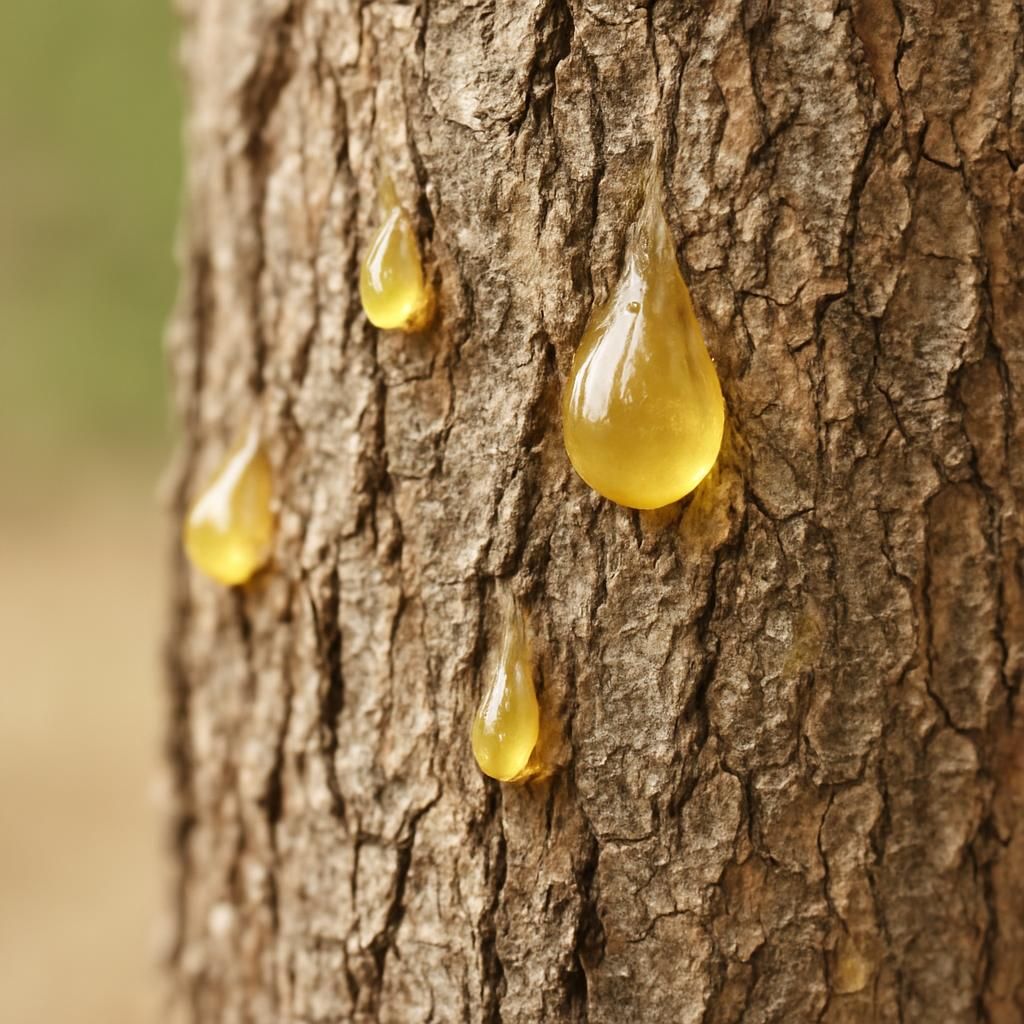
Introduction to Styrax Resin
Styrax Resin comes from the genus Styrax, primarily Styrax officinalis and related species, which are small to medium-sized deciduous trees or shrubs native to the Mediterranean, Middle East, and parts of Asia. The plant produces a fragrant, balsamic resin known historically as storax or benzoin, prized for centuries in perfumery, incense, and traditional remedies. Today, commercial interest in Styrax Resin cultivation is growing due to demand in natural fragrance, aromatherapy, and organic incense markets.
Successful cultivation requires mimicking the plant's native habitat of well-drained, rocky slopes with warm, dry summers and mild winters. The resin is obtained by making controlled incisions into the bark, allowing the exudate to harden into tears or lumps that are later collected. This guide provides professional, practical agricultural advice for establishing and managing a productive Styrax Resin planting.
Botanical Profile of Styrax Resin
Styrax officinalis belongs to the Styracaceae family. It typically reaches 3–7 meters in height with a spreading crown and produces attractive white, bell-shaped flowers in spring. The leaves are simple, alternate, and ovate with a slightly pubescent underside. The plant develops a deep taproot system that aids drought tolerance once established.
The resin forms in response to injury or deliberate tapping and contains benzoic acid, cinnamic acid, and various esters responsible for its characteristic vanilla-like aroma. Flowering occurs from April to June depending on climate, followed by small, dry, indehiscent fruits containing one or two seeds. Propagation is possible by seed, semi-hardwood cuttings, or grafting onto compatible rootstocks.
Soil, pH, and Climate Requirements for Styrax Resin
Styrax Resin thrives in poor to moderately fertile, well-drained soils. It performs best on slopes or raised beds where water does not accumulate around the root zone. The plant tolerates rocky or calcareous substrates but will not survive waterlogged conditions.
| Parameter | Ideal Range | Notes |
|---|---|---|
| Soil Type | Sandy loam, loam, or rocky calcareous | Must be free-draining; avoid heavy clay |
| Soil pH | 6.5 – 8.0 | Slightly alkaline preferred |
| Temperature | 10–30 °C daytime; hardy to –8 °C | Protect young plants from severe frost |
| Annual Rainfall | 400–700 mm | Supplemental irrigation needed in drier areas |
| Sunlight | Full sun to partial shade | At least 6 hours direct sun daily |
| Elevation | 0–1200 m | Performs well on hillsides |
Step-by-Step Planting & Propagation
Site Selection: Choose a south or southwest-facing slope with excellent drainage. Clear competing vegetation and incorporate coarse sand or gravel if the native soil is heavy.
Soil Preparation: Test soil pH and amend with agricultural lime if below 6.5. Create planting holes twice the width of the root ball and equal in depth.
Propagation Methods:
- Seed: Collect ripe fruits in autumn, remove pulp, and stratify seeds at 4 °C for 60–90 days before sowing in spring.
- Cuttings: Take 10–15 cm semi-hardwood cuttings in early summer; treat with 0.3 % IBA rooting hormone and place in a well-drained propagation mix under mist.
- Grafting: Use whip-and-tongue or side-veneer grafts on 2-year-old rootstocks in late winter.
Planting: Space trees 3–4 m apart in rows 5 m apart. Plant in early spring or autumn when soil is moist but not saturated. Water thoroughly after planting and apply a 5 cm layer of gravel mulch to suppress weeds and retain moisture.
Establishment: Provide shade cloth for the first summer if temperatures exceed 35 °C. Stake young trees in windy locations.
Care & Maintenance regimes for Styrax Resin
Consistent care during the first three years determines long-term resin yield. Focus on building a strong framework and avoiding stress that can reduce resin quality.
| Season | Watering Schedule | Fertilizer Application | Pruning Schedule |
|---|---|---|---|
| Spring | 15–20 L per mature tree every 10–14 days | Apply 50 g NPK 10-10-10 at bud break | Remove dead wood; shape young trees |
| Summer | Reduce to 10 L every 3 weeks; avoid overwatering | No fertilizer; focus on mulch renewal | Light tipping of vigorous shoots |
| Autumn | 10 L every 14 days until leaf drop | 30 g potassium sulfate per tree | Remove crossing branches |
| Winter | Minimal; only if soil is dry | None | Major structural pruning on dormant trees |
Pests, Diseases & Organic Management
Styrax Resin is relatively resistant to pests but can be affected by Aphids, Scale insects, and Spider mites during hot, dry periods. Monitor undersides of leaves weekly. Organic controls include horticultural oil sprays at 1 % concentration and releases of predatory mites.
Fungal issues such as Powdery mildew may appear in humid microclimates. Improve airflow by proper spacing and prune lower branches. Root diseases including Phytophthora are prevented by strict drainage management and avoiding over-irrigation. Copper-based fungicides may be used as a last resort in organic systems.
Harvesting, Curing & Optimal Storage
Resin tapping begins when trees reach 4–5 years of age. Make shallow V-shaped incisions 2–3 mm deep into the bark during late spring. Collect hardened resin tears every 7–10 days over a 4–6 week period. Avoid deep cuts that damage the cambium.
Fresh resin is sorted by color and clarity. Sun-dry collected resin on clean trays for 3–5 days until moisture content drops below 8 %. Store in airtight glass or food-grade plastic containers in a cool, dark place at 15–20 °C. Properly cured resin retains aromatic quality for 3–5 years.
Companion Planting for Styrax Resin
Styrax Resin benefits from nitrogen-fixing companions such as Clover or Hairy vetch planted in the understory to improve soil fertility. Aromatic herbs like Thyme and Rosemary deter aphids and improve biodiversity. Avoid planting with heavy feeders that compete for moisture. Interplanting with Lavender (new link required) can enhance pollinator activity and create a visually appealing polyculture system.
Styrax Resin cultivation rewards patience and attention to drainage and soil pH. With proper management, a well-established planting can produce high-quality aromatic resin for decades while contributing to sustainable, low-input agriculture.