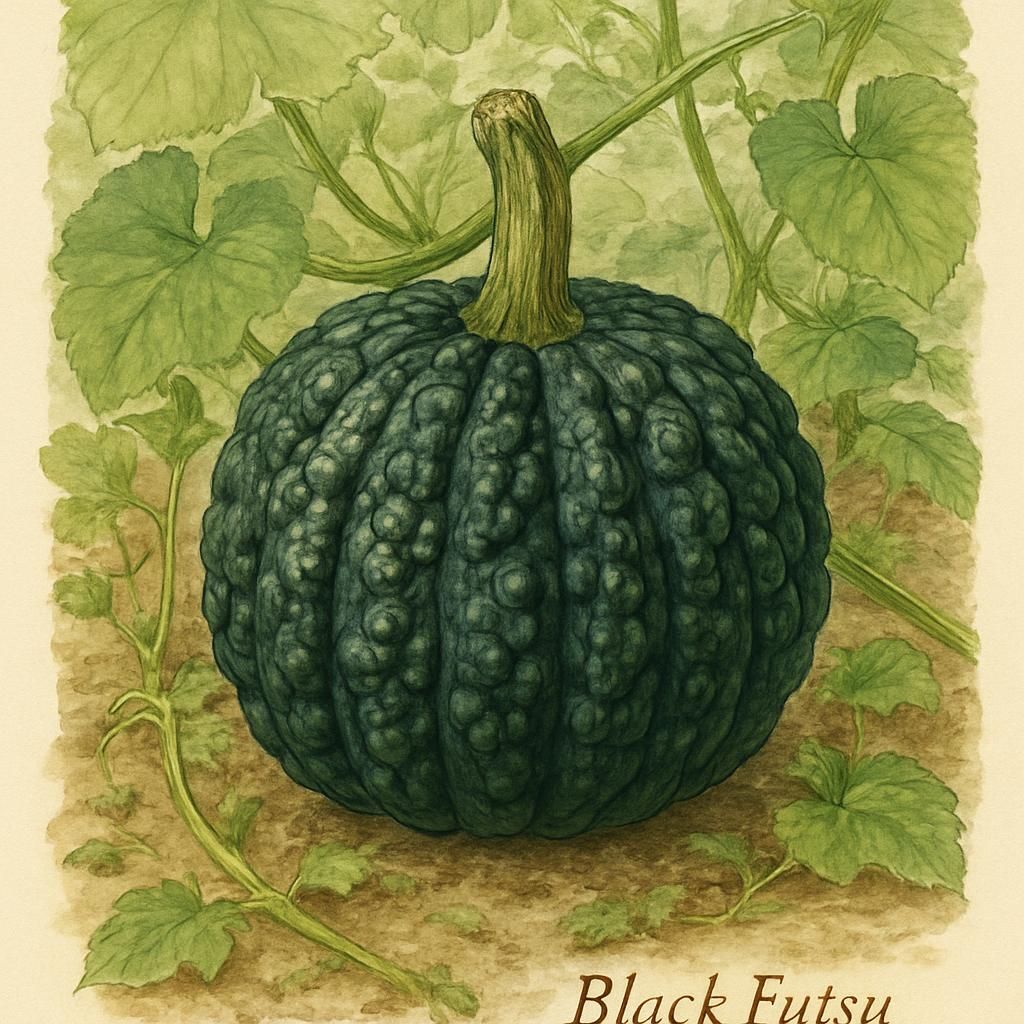
Introduction to Squash (Black Futsu)
Black Futsu is an ancient Japanese variety of squash that stands out with its signature black-green skin that matures into a striking tan with a warty texture. It's praised for its rich, chestnut-like flavor and creamy texture when cooked. This versatile squash is ideal for baking, roasting, or integrating into soups and stews.
Botanical Profile of Squash (Black Futsu)
Belonging to the Cucurbitaceae family, Black Futsu is scientifically classified as Cucurbita moschata. The plant features vigorous vines that can spread to several meters in length. Its fruits are small to medium-sized, typically weighing between 2-5 pounds at full maturity.
Soil, pH, and Climate Requirements for Squash (Black Futsu)
The Black Futsu squash thrives in a warm, sunny environment. It is a warm-season crop that requires a relatively long growing period free from frost. Here's a detailed table outlining the ideal growing conditions:
| Factor | Optimal Conditions |
|---|---|
| Soil Type | Well-draining loamy soil |
| Soil pH | 5.8 - 6.8 |
| Sunlight | Full sun |
| Temperature | 70-90°F (21-32°C) |
| Rainfall | Moderate, with good drainage |
Step-by-Step Planting & Propagation
- Selection of Seeds: Start by obtaining quality Black Futsu seeds from a reputable supplier.
- Soil Preparation: Ensure the soil is well-draining and rich in organic matter. Amend with aged compost or well-rotted manure.
- Planting Timing: Sow seeds indoors in pots 3-4 weeks before the last frost date, or sow directly outdoors once the soil has warmed.
- Spacing: Maintain a spacing of at least 3 feet (91 cm) between the plants to allow for vine spreading.
- Germination: Seeds typically germinate in 7-14 days at temperatures above 70°F (21°C).
- Transplanting: Harden off seedlings gradually before transplanting outdoors when they are about 4-6 inches tall.
Care & Maintenance Regimes for Squash (Black Futsu)
Proper care involves regular watering and feeding practices to ensure healthy growth. Here's a suggested maintenance schedule:
| Care Aspect | Schedule |
|---|---|
| Watering | Deep weekly watering |
| Fertilizing | Every 4-6 weeks with 5-10-10 |
| Pruning | Remove damaged leaves as needed |
Ensure the soil remains consistently moist but not waterlogged, as overly wet conditions can cause root diseases.
Pests, Diseases & Organic Management
Black Futsu squash can be susceptible to common pests such as Aphids and diseases like Powdery mildew. Use the following organic management strategies:
- Preventative Measures: Use companion planting with marigolds or Nasturtium to ward off pests.
- Handpicking: Regularly inspect plants and remove pests by hand.
- Neem Oil: Apply neem oil to control aphid populations and fungal diseases.
- For practical steps on managing pests and diseases, consider reading our article on 7 Summer Pest Traps That Sabotage Small Farm Harvests.
Harvesting, Curing & Optimal Storage
Harvest Black Futsu squash when the skin has matured to a deep tan color and feels firm. Use sharp pruning shears to cut the squash from the vine, leaving a bit of the stem attached.
- Curing: Lay the harvested squash in a warm, dry place for about 10-14 days to improve flavor and storage potential.
- Storage: Store in a cool, dry place, and they can last for several months.
Companion Planting for Squash (Black Futsu)
Companion planting can improve squash growth and reduce pest incidence. Consider planting alongside:
- Corn: Tall stalks provide partial shade.
- Beans: Fix nitrogen in the soil, enhancing fertility.
- Radishes: Act as a trap crop for Cucumber Beetles.
For more companion planting insights, our blog on Summer Companion Planting: 10 Organic Pairings to Boost Small Farm Resilience offers a detailed guide.