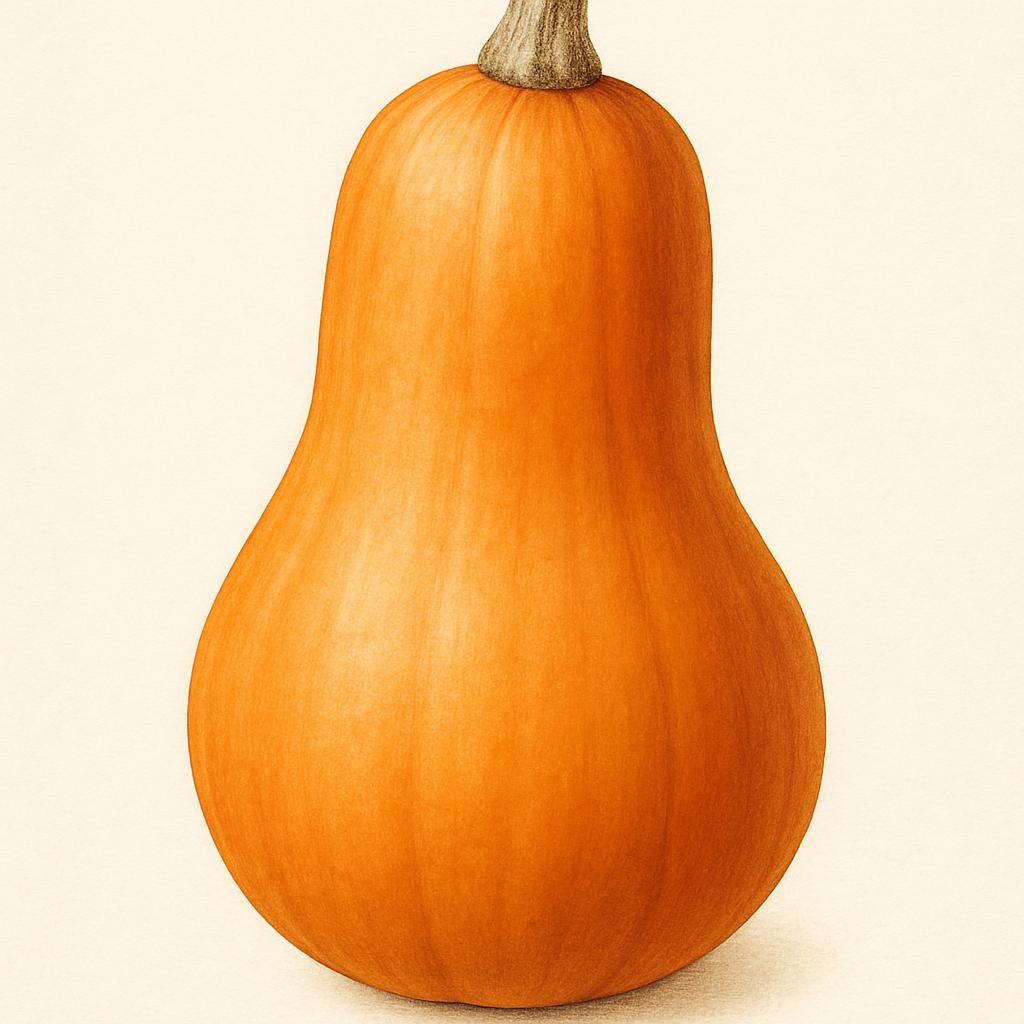
Introduction to Squash (Honey Nut Butternut)
Honey Nut Butternut Squash is a popular variety among gardeners and chefs alike. Known for its rich, nutty flavor and smooth texture, this squash variety is prized for its culinary versatility. Whether roasted, pureed, or used in soups, the Honey Nut Butternut outshines many other squashes.
Botanical Profile of Squash (Honey Nut Butternut)
The Honey Nut Butternut Squash is scientifically classified as Cucurbita moschata. It is an annual herbaceous plant belonging to the Cucurbitaceae family, originating from Central and South America. The plants have a vigorous growth habit, characterized by sprawling vines and large, lobed leaves.
Soil, pH, and Climate Requirements for Squash (Honey Nut Butternut)
To thrive, Honey Nut Butternut Squash requires specific conditions:
| Factor | Ideal Conditions |
|---|---|
| Soil Type | Loamy, well-drained soil |
| Soil pH | 6.0 - 6.8 |
| Temperature | 70°F - 85°F (21°C - 29°C) |
| Watering | Moderate, regular watering |
| Sunlight | Full sun, at least 6 hours per day |
| USDA Zones | 3-10 |
Step-by-Step Planting & Propagation
- Site Selection and Preparation: Choose a location with full sunlight exposure and prepare the soil by adding organic compost. This enriches the soil with nutrients necessary for plant growth.
- Sowing Seeds: Direct sow seeds after the last frost date when the soil has warmed. Plant seeds about 1 inch deep and 18 inches apart in rows that are 36 inches apart.
- Transplanting: If starting indoors, transplant seedlings when they have at least 3-4 true leaves and outdoor temperatures are consistently above 65°F (18°C).
- Watering Strategy: Maintain consistent moisture in the soil by watering deeply once a week.
- Mulching: Apply mulch around the plants to help retain moisture and prevent weed growth.
Care & Maintenance Regimes for Squash (Honey Nut Butternut)
Regular care is essential for healthy squash plants:
| Task | Schedule |
|---|---|
| Watering | Weekly deep watering, 1-2 inches |
| Fertilization | Bi-weekly with balanced fertilizer |
| Pruning | As needed to remove dead leaves |
Pests, Diseases & Organic Management
Pests like Squash Bugs and Vine Borers are common problems. Diseases such as Powdery Mildew can affect squash plants. Use organic management methods such as neem oil for pests and proper spacing for air circulation to prevent diseases. For more organic solutions, visit Crop Diseases Under the Microscope: 9 Organic Fixes for Small Farm Resilience.
Harvesting, Curing & Optimal Storage
Harvest Honey Nut Butternut Squash when the skin hardens and turns a deep tan color. Cut the squash from the vine, leaving a couple of inches of the stem attached. Cure the squash in a warm, dry place for 10-14 days to harden the skin, then store in a cool, dry place, which can extend its shelf life up to three months.
Companion Planting for Squash (Honey Nut Butternut)
Good companion plants include Corn and Beans, which follow the 'Three Sisters' planting method, potentially improving the crop's yield and protecting against pests. For more insights on companion planting, refer to Spring Companion Planting: 8 Organic Pairings to Maximize Small Farm Yields.