Introduction to Squash (Spaghetti - Vegetable)
Spaghetti squash, a member of the Cucurbita pepo family, is cherished for its unique ability to transform its flesh into noodle-like strands upon cooking. This low-calorie, vitamin-rich vegetable has gained popularity among health-conscious consumers seeking alternatives to traditional pasta. Growing spaghetti squash is a rewarding endeavor for gardeners of all levels, thanks to its relatively simple cultivation requirements and versatile culinary applications.
Botanical Profile of Squash (Spaghetti - Vegetable)
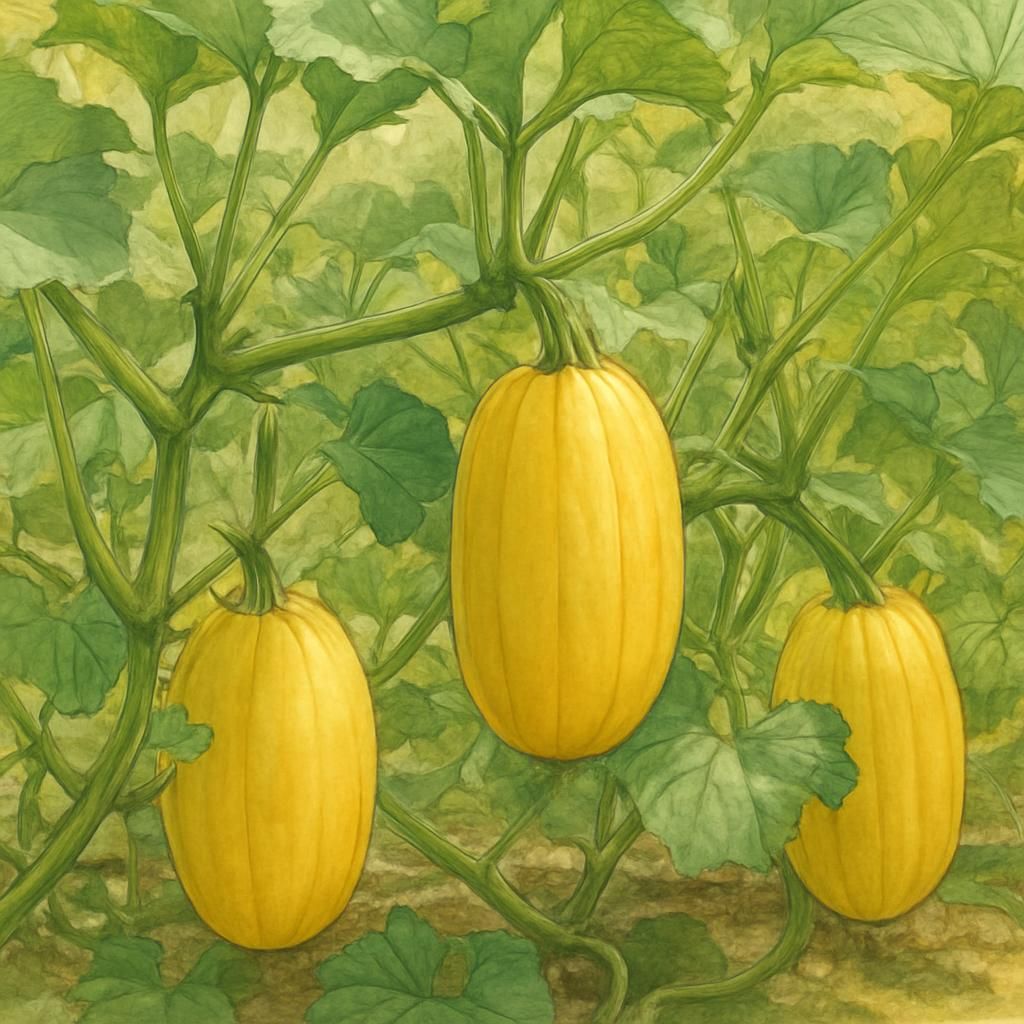
Native to North America, spaghetti squash belongs to the Cucurbitaceae family. This annual plant produces oblong, yellow fruits around 8-9 inches long. Its thick rind encases a stringy interior, which, once cooked, separates into strands resembling spaghetti noodles.
Soil, pH, and Climate Requirements for Squash (Spaghetti - Vegetable)
Spaghetti squash thrives in fertile, well-drained soils with plenty of organic matter. While it's moderately tolerant to a range of conditions, optimal growth occurs under the following parameters:
| Soil Type | Sandy Loam to Clay Loam |
|---|---|
| pH Range | 6.0 - 6.8 |
| Sunlight | Full Sun |
| Temperature | 70°F - 85°F (21°C - 29°C) |
Step-by-Step Planting & Propagation
- Seed Selection: Choose high-quality, disease-resistant seeds to ensure robust plant development.
- Start Indoors (Optional): Begin seeds indoors 2-4 weeks before the last frost in biodegradable pots to reduce root shocks.
- Soil Preparation: Incorporate organic matter, such as well-rotted manure or compost, into the top 6-8 inches of soil.
- Direct Sowing: After the danger of frost has passed, sow seeds 1 inch deep and 36 inches apart in rows spaced 5 feet apart.
- Transplanting: If started indoors, transplant seedlings outdoors once they reach the fourth leaf stage.
Care & Maintenance Regimes for Squash (Spaghetti - Vegetable)
Proper care during the growing season is critical for healthy, productive vines:
| Maintenance Task | Schedule |
|---|---|
| Watering | 1-1.5 inches/week, more during dry spells |
| Fertilization | Every 4-6 weeks with balanced NPK fertilizer |
| Pruning | Remove diseased or overcrowded leaves to improve airflow |
Pests, Diseases & Organic Management
Spaghetti squash can fall prey to several pests and diseases. Notable among them are the Spider Mites, Squash Bugs, and Squash Vine Borer. Common diseases include Powdery Mildew and Cucumber Mosaic Virus. Applying neem oil or insecticidal soap can help control pest populations. Regular monitoring and maintaining good garden hygiene are key for disease prevention.
Harvesting, Curing & Optimal Storage
Harvest spaghetti squash when the rind hardens and turns a deep golden yellow. Avoid picking immature fruits, as they will not ripen once detached from the vine. After harvesting, cure the squash in a warm, dry location for about 7-10 days to toughen the skin, thereby extending its storage life up to 3 months in a cool, dry place.
Companion Planting for Squash (Spaghetti - Vegetable)
Planting Marigold and Nasturtium nearby can repel harmful pests naturally, while Sweet Corn and pole beans offer beneficial shade and structural support, enhancing growth outcomes.
For more effective strategies in managing pests, consider referencing our blog, 7 Summer Pest Traps That Sabotage Small Farm Harvests, which offers insights and organic solutions tailored to small farm operations.