Introduction to Squash (Red Kuri)
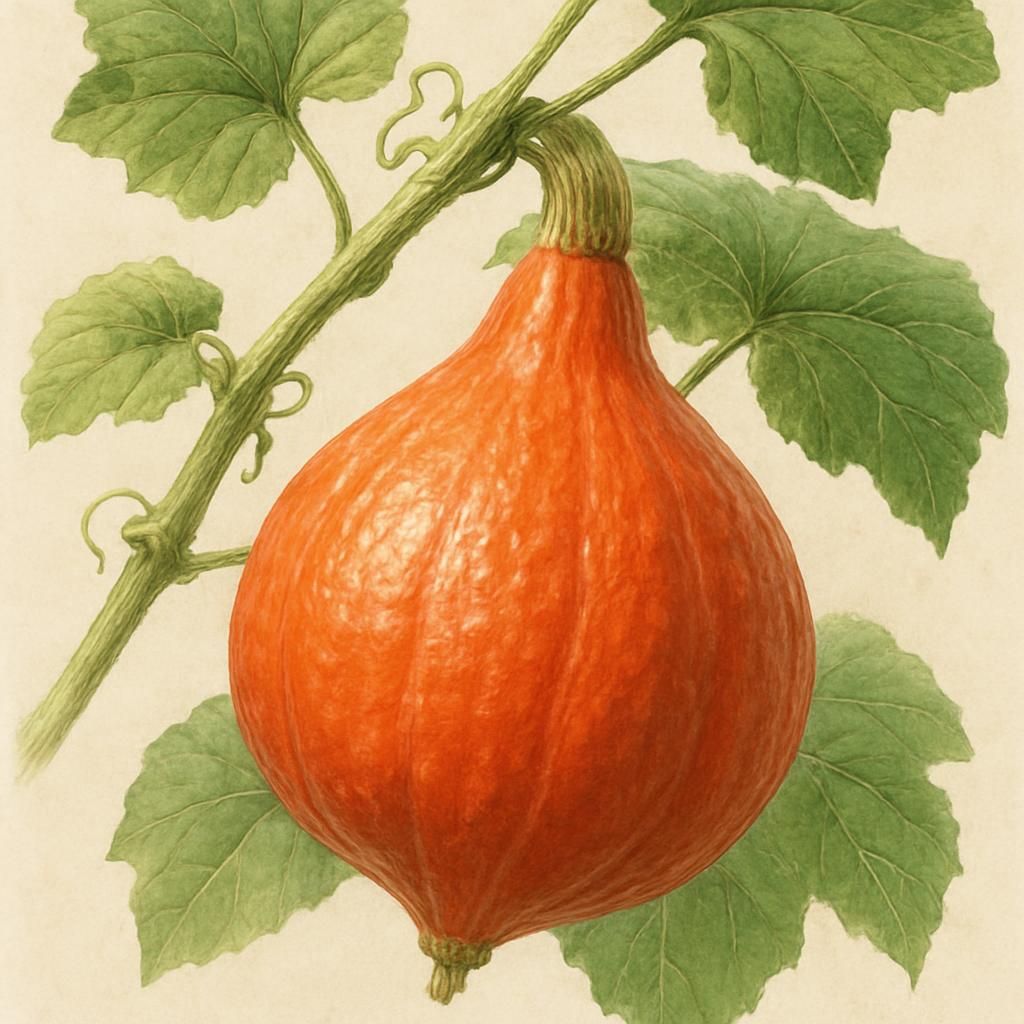
Red Kuri Squash is a unique type of winter squash known for its teardrop shape and bright orange-red skin. It's part of the same family as pumpkins and zucchinis and is renowned for its chestnut-like flavor, which makes it a versatile addition to various culinary dishes.
Botanical Profile of Squash (Red Kuri)
The Red Kuri Squash, scientifically known as Cucurbita maxima, belongs to the Cucurbitaceae family. Its dense, yellowish-orange flesh is delightful in both sweet and savory preparations. The plant typically grows on a vine, spreading across the ground with heart-shaped leaves and yellow flowers.
Soil, pH, and Climate Requirements for Squash (Red Kuri)
To cultivate healthy Red Kuri Squash, optimal growing conditions must be ensured. Here is a table that summarizes the ideal soil, pH, and climate conditions.
| Growing Aspect | Condition |
|---|---|
| Soil Type | Well-drained, loamy |
| Soil pH | 6.0 to 6.8 |
| Temperature Range | 70°F to 95°F (21°C to 35°C) |
| Sunlight | Full sun (6-8 hours per day) |
Step-by-Step Planting & Propagation
Seed Starting: Start seeds indoors 4-6 weeks before the last expected frost. Plant seeds about 1 inch deep in individual pots with rich potting soil.
Hardening Off: Gradually acclimate seedlings to outdoor conditions over a week before transplanting.
Transplanting: Once the risk of frost has passed and seedlings have at least two sets of true leaves, transplant them outdoors, ensuring space for vines to spread.
Direct Sowing: Alternatively, sow seeds directly in the ground after the last frost date. Plant seeds in mounds about 1 inch deep, with 3-4 seeds per mound, spaced 3-4 feet apart.
Mulching: Apply mulch to conserve moisture, suppress weeds, and maintain soil temperature.
Care & Maintenance Regimes for Squash (Red Kuri)
Following a structured care regime is crucial for a healthy harvest. Below is a table outlining care practices for Red Kuri Squash.
| Care Routine | Schedule |
|---|---|
| Watering | 1-2 inches per week, more in hotter weather |
| Fertilizing | Balanced fertilizer every 4-6 weeks |
| Pruning | Trim excess foliage to enhance airflow and sunlight penetration |
Pests, Diseases & Organic Management
Red Kuri Squash is susceptible to pests such as squash bugs, vine borers, and spider mites. Common diseases include powdery mildew and bacterial wilt. Employing crop rotation, neem oil sprays, and companion planting with crops like onions can help manage these issues effectively. For comprehensive pest management strategies, consider reading 7 Summer Pest Traps That Sabotage Small Farm Harvests.
Harvesting, Curing & Optimal Storage
Harvest Red Kuri Squash when the skin becomes hard, typically 85-100 days after planting, and when the vines die back. Use pruning shears to cut the squash from the vine, leaving a few inches of the stem attached to enhance shelf life. Cure the squash by keeping them in a warm, well-ventilated area for about 10 days. Once cured, store them in a cool, dry place with temperatures ranging from 50°F to 55°F (10°C to 13°C) for up to several months.
Companion Planting for Squash (Red Kuri)
Companion planting can boost Red Kuri Squash yields by attracting beneficial insects and deterring pests. Beneficial companions include nasturtium, which repel pests, and corn that provide a partial trellis for vines. Explore Summer Companion Planting: 10 Organic Pairings to Boost Small Farm Resilience for more ideas.