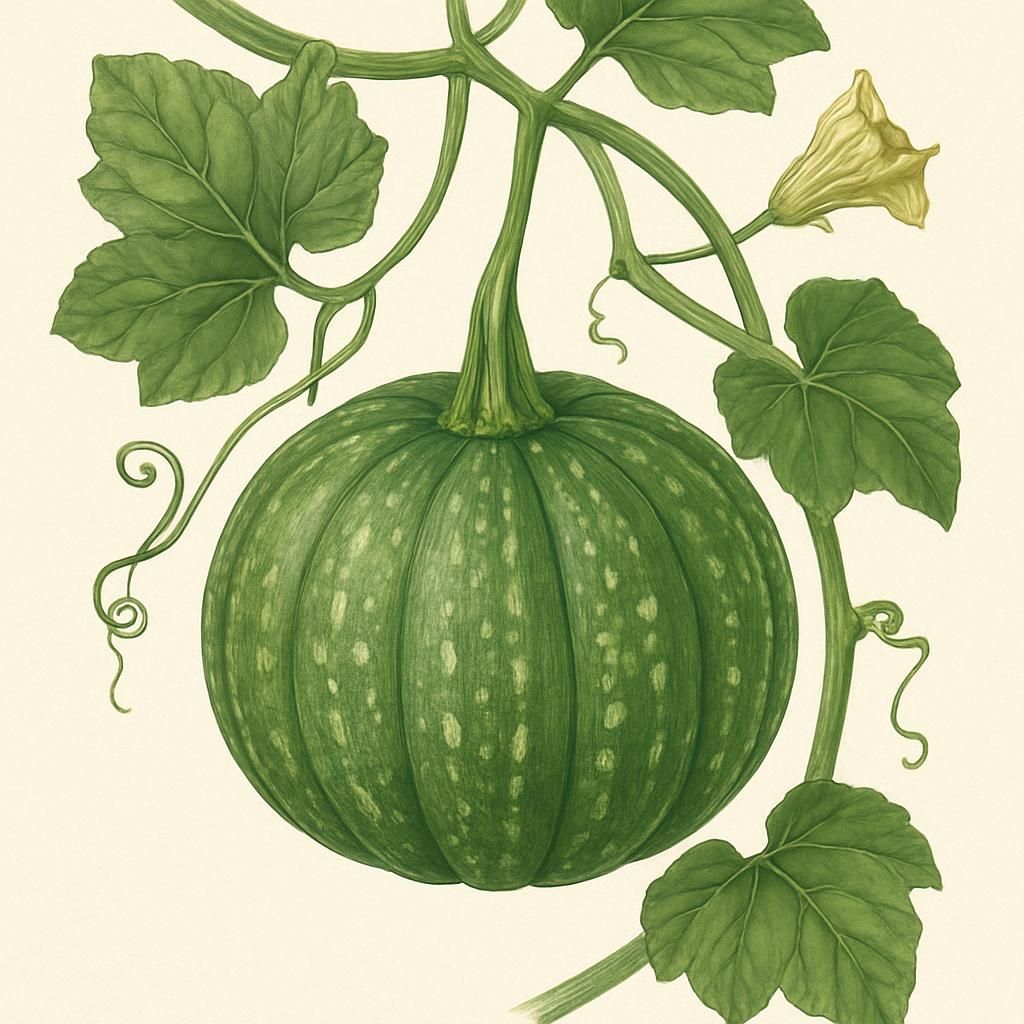
Introduction to Squash (Tatume)
Squash (Tatume), known scientifically as Cucurbita pepo var. texana, is a versatile crop predominantly cultivated in warm regions. Regarded for its robust vining habit and notable round fruits, Tatume squash is a favorite amongst home gardeners and small-scale farmers alike. Unlike many other summer squashes, Tatume can withstand higher temperatures and produce prolifically throughout the growing season.
Botanical Profile of Squash (Tatume)
Belonging to the Cucurbitaceae family, Tatume squash is a vigorous vine that can spread up to 12 feet. Its fruits are usually round or oblong, with a light green to dark green color, often turning yellow as they mature. The plant is monoecious, producing separate male and female flowers, facilitating easy pollination and fruitful harvests.
Soil, pH, and Climate Requirements for Squash (Tatume)
Tatume squash requires specific soil, pH, and climatic conditions to thrive. Understanding these requirements will help maximize growth and yield.
| Parameter | Ideal Condition |
|---|---|
| Soil Type | Well-drained loamy soil |
| Soil pH | 6.0 - 6.8 |
| Temperature | 70-85°F (21-29°C) |
| Sunlight | Full sun (6-8 hours daily) |
Step-by-Step Planting & Propagation
- Site Selection and Preparation: Choose a site with full sun and well-drained soil. Improve soil structure by adding organic matter such as compost.
- Seed Sowing: Sow seeds directly into prepared beds after the last frost date. Alternatively, start seeds indoors 3-4 weeks before transplanting outdoors.
- Spacing: Space seeds 2 inches apart with rows 6 feet apart. For vines, allow plenty of space to spread.
- Transplanting: If starting indoors, harden off seedlings before transplanting them 3 to 4 feet apart in rows.
Care & Maintenance Regimes for Squash (Tatume)
| Care Aspect | Frequency & Details |
|---|---|
| Watering | Deeply water 1-2 inches per week. Increase during hot spells. |
| Fertilizer | Apply balanced fertilizer at planting and midseason. |
| Pruning | Trim excess vines to direct energy into fruit production. |
Pests, Diseases & Organic Management
Tatume squash is susceptible to various pests such as Squash Bugs, Vine Borers, and Spider Mites. Diseases like Powdery Mildew and viral infections can affect the crop. Use organic solutions like neem oil, insecticidal soap, and beneficial insects to combat pest infestations. Rotate crops to prevent disease buildup in soil.
For a deeper understanding of managing crop diseases, refer to Crop Diseases Under the Microscope: 9 Organic Fixes for Small Farm Resilience.
Harvesting, Curing & Optimal Storage
Harvest Tatume squash when fruits are young and tender, typically 45-60 days post-sowing. Use a sharp knife to cut fruits from the vine, leaving a short stem attached. Properly harvested fruits can be stored for up to two weeks in a cool, well-ventilated place.
Companion Planting for Squash (Tatume)
Companion planting can enhance the growth and resilience of Tatume squash. Ideal companions include Nasturtium, Beans, and Corn which provide shade and repel harmful insects. Avoid planting near Potato as they compete for nutrients.
For more on the benefits of companion planting, see Summer Companion Planting: 10 Organic Pairings to Boost Small Farm Resilience.