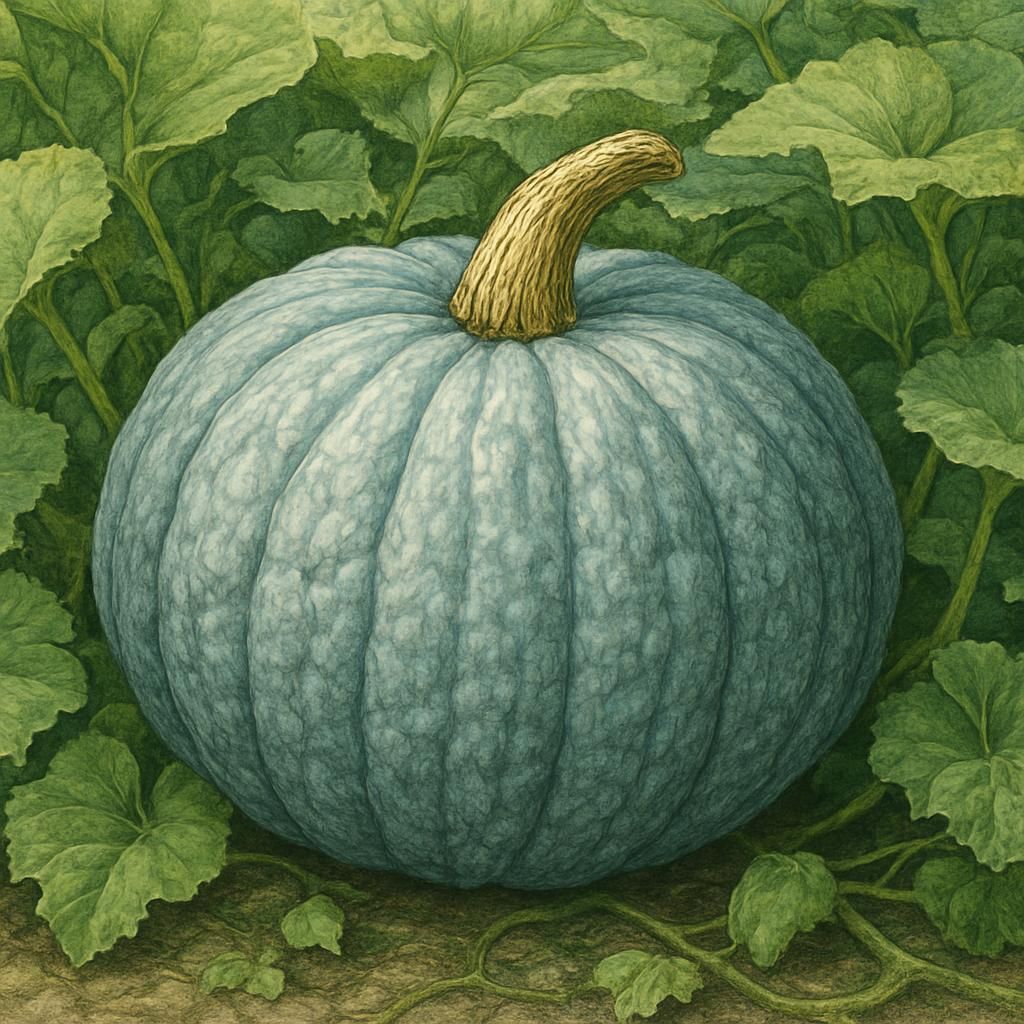
Introduction to Squash (Blue Hubbard)
The Blue Hubbard squash is a unique variety prized for its large size and sweet, nutty flavor. With a hard, bluish-gray rind, this heirloom squash dates back to the 19th century. It is celebrated for its ability to store well through winter, making it a staple in cold weather culinary applications.
Botanical Profile of Squash (Blue Hubbard)
Blue Hubbard belongs to the species Cucurbita maxima, originating from South America. It's a vigorous grower, often producing fruit weighing between 15 to 40 pounds. Its sprawling vine can reach up to 15 feet, and its large leaves make it an efficient photosynthesizer.
Soil, pH, and Climate Requirements for Squash (Blue Hubbard)
The Blue Hubbard squash thrives in warm climates with plenty of sunlight. It requires soil that retains moisture yet drains excess water efficiently. Here’s a detailed table of its ideal growth conditions:
| Parameter | Optimal Level |
|---|---|
| Soil Type | Loamy, well-draining |
| Soil pH | 6.0 - 7.0 |
| Sunlight | Full sun |
| Temperature | 70°F - 85°F (21°C - 29°C) |
| Rainfall | Moderate, well-timed |
Consider reading The Truth About Weather Patterns and Small Farm Resilience for insights on climate impacts on farming.
Step-by-Step Planting & Propagation
To begin growing Blue Hubbard squash, consider starting seeds indoors about 3-4 weeks before the last frost date. Once seedlings have a few sets of true leaves, harden them off before transplanting them into the garden. Plant them in hills or mounds about 3 feet apart to allow for good air circulation and sprawling space.
- Seed Selection: Use certified seeds from a reputable supplier.
- Soil Preparation: Amend garden soil with well-rotted manure or compost before planting.
- Sowing: Direct sow ½ inch deep if temperature allows, or plant indoors in biodegradable pots.
- Spacing: Space hills about 3 feet apart in rows spaced 6 feet apart.
Care & Maintenance Regimes for Squash (Blue Hubbard)
The care of Blue Hubbard squash involves regular watering, timely fertilization, and occasional pruning to encourage healthy growth and reduce disease risk. Refer to the table below for a detailed care schedule:
| Activity | Frequency/Details |
|---|---|
| Watering | 1-2 inches per week, avoid wet foliage |
| Fertilizing | Every 4-6 weeks with balanced fertilizer |
| Pruning | Trim dead/diseased vines as needed |
Understanding seasonal soil needs can greatly enhance your squash production as discussed in Spring Soil Prep: 9 Organic Steps to Prime Small Farms for Explosive Growth.
Pests, Diseases & Organic Management
Blue Hubbard is susceptible to common cucurbit pests including Squash Bugs, Cucumber Beetles, and Spider Mites. Disease issues can include powdery mildew and bacterial wilt. Organic control measures such as neem oil, diatomaceous earth, and companion planting are effective.
Harvesting, Curing & Optimal Storage
Harvest Blue Hubbard squash when the rind is hard and unpierceable with a fingernail. Cure it in a warm, dry location for 10-14 days to harden the skin. Store in a cool, ventilated area at around 50°F (10°C) for up to six months.
Companion Planting for Squash (Blue Hubbard)
To optimize space and enhance growth, consider companion planting with Corn and Beans. Avoid planting near Potato and Onion as they may compete for space and nutrients.