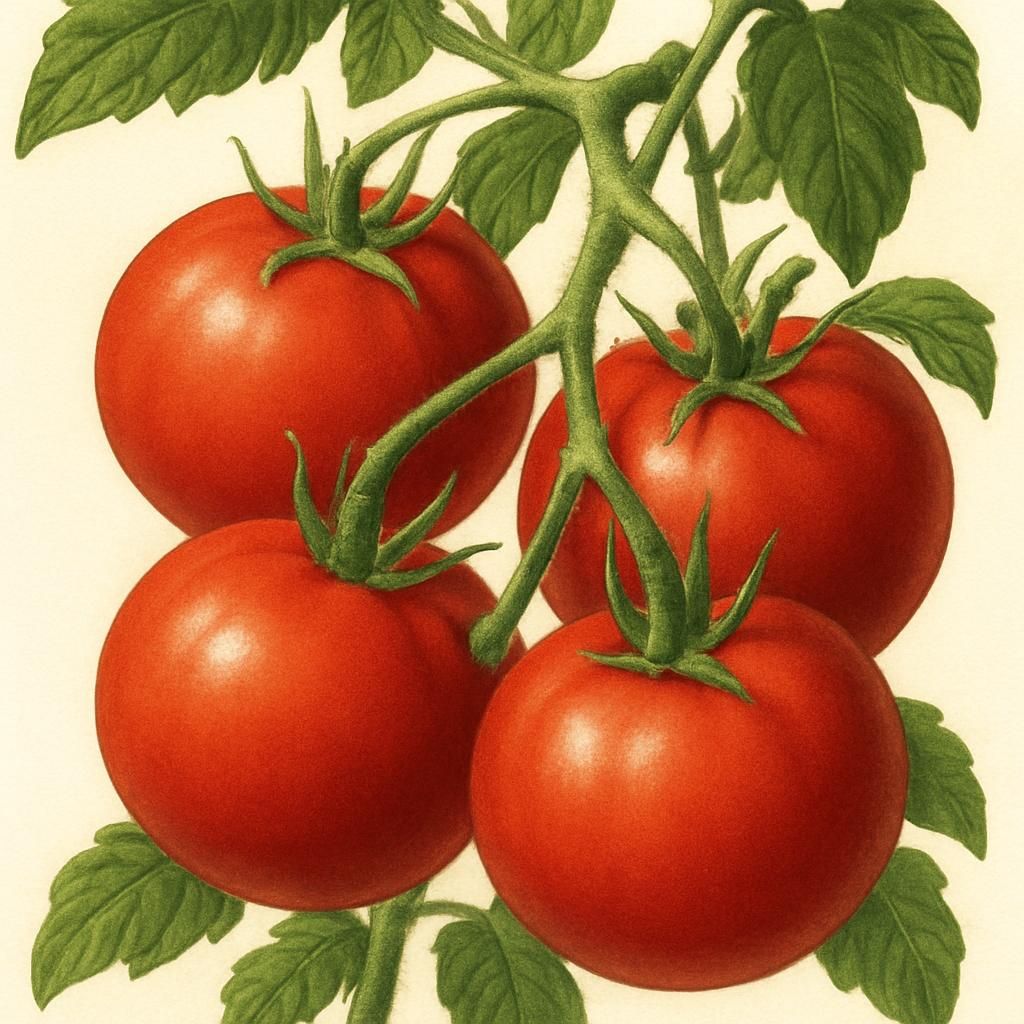
Introduction to Siletz Tomato
The Siletz Tomato was bred by Dr. James Baggett at Oregon State University to deliver reliable yields in the cool, short summers of the Pacific Northwest. Its determinate growth habit and early ripening (55–65 days) make it a favorite among home gardeners and small-scale growers in USDA zones 4–9 who face cool nights and unpredictable spring weather.
Unlike many early tomatoes that sacrifice flavor, Siletz retains a rich, balanced taste with moderate acidity and good sugar content. Fruits average 6–8 ounces, with smooth shoulders and few blemishes, making them excellent for slicing, salads, and sauces.
Botanical Profile of Siletz Tomato
Siletz belongs to the nightshade family (Solanaceae) and exhibits compact, bushy growth reaching 3–4 feet tall. Leaves are dark green with slightly serrated margins. Flowers are self-pollinating and typically appear in clusters of 4–6. The variety sets fruit well even under cooler conditions, a trait derived from its parent lines.
Soil, pH, and Climate Requirements for Siletz Tomato
Siletz performs best in well-drained, fertile loam enriched with organic matter. Avoid heavy clay soils unless heavily amended. Consistent moisture without waterlogging is essential to prevent Blossom End Rot.
| Parameter | Ideal Range | Notes |
|---|---|---|
| Soil Type | Sandy loam to loam | Well-drained; 2–3% organic matter |
| Soil pH | 6.2–6.8 | Adjust with lime if below 6.0 |
| Daytime Temperature | 70–85°F (21–29°C) | Optimal fruit set |
| Nighttime Temperature | 55–65°F (13–18°C) | Tolerates down to 50°F |
| USDA Hardiness Zones | 4–9 | Start indoors 6–8 weeks before last frost |
| Sun Exposure | Full sun (8+ hours) | Partial shade reduces yield |
| Spacing | 18–24 inches between plants | Rows 36–48 inches apart |
Step-by-Step Planting & Propagation
- Start seeds indoors 6–8 weeks before the last expected frost. Sow ¼ inch deep in sterile seed-starting mix.
- Maintain soil temperature at 75–85°F until germination (5–10 days).
- Provide 14–16 hours of light daily; transplant seedlings when they have 2–3 true leaves.
- Harden off plants for 7–10 days before moving outdoors.
- Transplant after soil reaches 60°F and nighttime lows remain above 50°F. Set plants slightly deeper than nursery depth to encourage root development.
- Install stakes or cages at planting to support the determinate vines.
Care & Maintenance regimes for Siletz Tomato
Consistent care maximizes early yields and prevents common physiological disorders.
| Task | Schedule | Details |
|---|---|---|
| Watering | 1–1.5 inches per week | Deep, infrequent watering; mulch to retain moisture |
| Fertilizer | At planting + every 3–4 weeks | Balanced NPK (5-10-10) until flowering; switch to high-phosphorus (5-15-15) after fruit set |
| Pruning | Once at 12–18 inches tall | Remove lower suckers below first flower cluster; minimal pruning thereafter |
| Mulching | Immediately after transplant | 2–3 inches organic mulch to suppress weeds and stabilize soil temperature |
| Weeding | Weekly | Hand-pull or shallow hoe to avoid root damage |
Pests, Diseases & Organic Management
Siletz shows good resistance to many foliar diseases but remains susceptible to common tomato pests. Monitor weekly for Aphids, Spider Mites, and Hornworms.
Preventive organic measures include neem oil sprays every 7–10 days, insecticidal soap for soft-bodied insects, and Bacillus thuringiensis (Bt) for caterpillars. Practice crop rotation and remove crop debris at season end to reduce Early Blight and Septoria Leaf Spot pressure.
Harvesting, Curing & Optimal Storage
Harvest when fruits reach full color and yield slightly to gentle pressure. For peak flavor, allow fruits to ripen fully on the vine. In cool climates, pick at breaker stage and finish ripening indoors at 65–70°F.
Store ripe tomatoes at room temperature up to 5 days. For longer storage, process into sauce or freeze. Avoid refrigeration below 55°F, which causes flavor loss and mealy texture.
Companion Planting for Siletz Tomato
Pair Siletz with aromatic herbs and flowers that deter pests and improve pollination. Basil repels aphids and enhances flavor. Marigold and Nasturtium attract beneficial insects while masking tomato scent from pests. Avoid planting near Fennel or walnuts, which can inhibit growth.
For more on seasonal timing and harvest strategies, see The Overlooked Art of Seasonal Harvest Timing for Small Farm Profit.