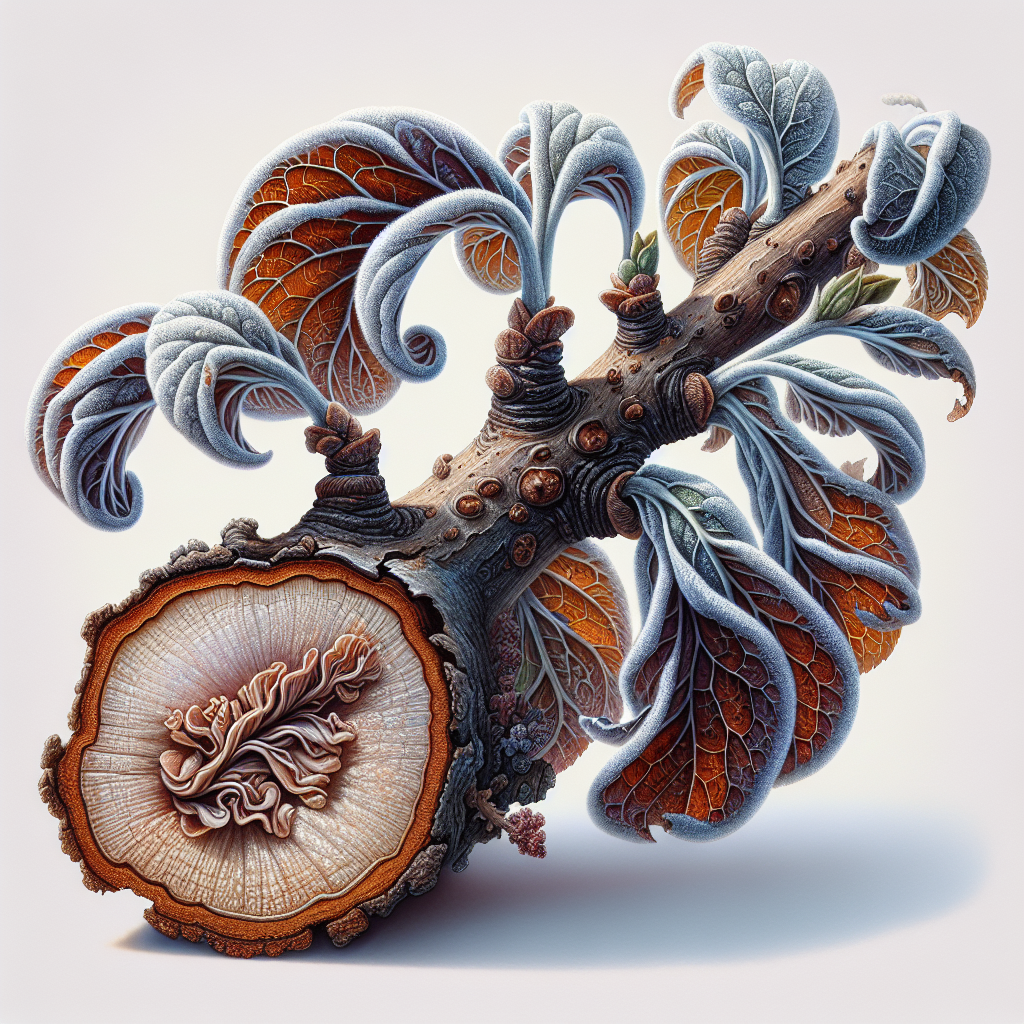
Definitive Diagnostic and Management Guide for Silver Leaf
Introduction to silver leaf
Silver leaf, caused by the fungus Chondrostereum purpureum, is one of the most serious diseases impacting stone fruit trees and ornamentals worldwide. First identified in Europe in the early 20th century, it has spread to North America, Australia, and beyond, posing a significant threat to commercial orchards and home gardens. The pathogen enters through wounds, colonizes the vascular system, and produces toxins that disrupt water transport, resulting in the characteristic 'silver' appearance of foliage.
This guide provides professional-grade agricultural advice for diagnosing, managing, and preventing silver leaf. Understanding its biology is key: the fungus produces bracket-shaped fruiting bodies on dead wood, releasing spores that infect fresh pruning cuts or storm-damaged branches. Infected trees rarely recover fully, making prevention the cornerstone of control. For growers of plum, cherry, and peach crops, vigilance is essential to protect yields and tree longevity.
Silver leaf thrives in temperate climates, with peak infection during autumn and winter when spores are wind-dispersed. Economic losses can reach 20-50% in unmanaged orchards, underscoring the need for integrated strategies. This comprehensive resource draws on botanical and entomological expertise to equip farmers with actionable insights.
Identifying Symptoms & Damage
Early identification of silver leaf is critical for containment. The hallmark symptom is the silvering of leaves, where both surfaces take on a metallic sheen due to air pockets forming in the leaf tissues from toxin-induced breakdown. Affected leaves often curl upwards and drop prematurely, typically one side of the tree first, creating an asymmetric canopy.
Inspect branches for dieback: infected limbs wilt and die back from the tips, with stubby, brown shoots emerging in spring. Cut into affected wood to reveal dark brown or black streaks in the vascular tissue—a definitive diagnostic sign. In advanced stages, purplish-brown shelf-like brackets (fruiting bodies) appear on trunks or branches, up to 15 cm wide, confirming C. purpureum presence.
Damage extends beyond aesthetics: vascular blockage halts water and nutrient flow, weakening the tree and reducing fruit quality and quantity. In stone fruits like plum and cherry, yields can drop by 70% in the first year of infection. Differentiate from other issues like powdery mildew (white powder on leaves) or drought stress (uniform wilting). Use a 10x hand lens to check for fungal mycelium in wood slices. Professional diagnosis may involve culturing samples or PCR testing for accuracy.
Secondary symptoms include gummosis in plums and cankers on trunks. Trees under stress from poor soil or root rot are more susceptible, amplifying damage.
Lifecycle and Progression of silver leaf
C. purpureum has a perennial lifecycle tied to woody hosts. Spores (basidiospores) are produced on purplish brackets from spring to autumn, especially after rain. Winds carry them to fresh wounds, germinating within 24-48 hours in moist conditions. Mycelium invades xylem vessels, spreading systemically over 1-3 years.
Infection progresses slowly: Year 1 shows leaf silvering on 10-20% of canopy; Year 2, branch dieback affects 30-50%; by Year 3, half the tree may be dead. Toxins like purple pigment block vessels, causing air embolisms. Surviving trees become chronic carriers, sporulating annually.
Overwintering occurs as mycelium in wood. Pruning in late winter exposes cuts to peak spore release. In orchards, spread accelerates via shared tools or wind between trees spaced under 5 meters. Lifecycle completes in 2-5 years per infection cycle, with brackets persisting years on dead wood. Understanding this informs timing: prune in summer to heal cuts before spore season. See Why Misidentifying Plants Costs Small Farms Thousands - And How AI Camera Diagnosis Fixes It Fast for tech-aided symptom spotting.
Environmental Triggers & Risk Factors
Silver leaf favors cool, moist climates (10-20°C optima) with high humidity aiding spore germination. Autumn pruning is a major trigger, as cuts remain open during spore dispersal. Mechanical injuries from mowers, storms, or frost cracks provide entry points—trees over 10 years old are prime targets due to bark fissures.
Poor vigor heightens risk: nutrient deficiencies, compacted soil, or competition from weeds stress trees, impairing wound response. High-density plantings (>400 trees/ha) facilitate spread. Clay soils retaining moisture exacerbate issues, while drought-hardened trees resist better.
Associated pests like borers create wounds, synergizing infection. Over-fertilization with nitrogen promotes lush growth prone to damage. Climate change may intensify outbreaks via erratic weather increasing storm injuries. Risk assessment: score sites on pruning timing, tree health, and spacing for proactive management.
Organic Control & Treatment Plans
No cure exists; management focuses on removal and suppression. For mild infections (<20% canopy), prune affected branches 30 cm below visible streaks into healthy wood, using sterilized tools (10% bleach or alcohol). Paint cuts with fungicide paste (e.g., Bordeaux mixture) immediately. Dispose of prunings by burning or deep burial—do not compost.
Organic biocontrol includes Trichoderma applications to wounds, outcompeting C. purpureum. Boost tree immunity with compost teas rich in mycorrhizae, applied as trunk drenches. Mulch bases with wood chips to retain moisture without wounding roots. Systemic resistance via silicon amendments (potassium silicate) strengthens vascular tissues.
In orchards, rogue severely infected trees promptly. Summer pruning (June-July) minimizes exposure. Companion planting with garlic or thyme repels spore-carrying insects. Monitor with sticky traps for basidiospore detection. Integrated plans reduce incidence by 60-80%. Avoid synthetic fungicides for organic certification; focus on cultural hygiene.
Step-by-step plan: 1) Scout weekly; 2) Prune surgically; 3) Sanitize; 4) Amend soil; 5) Reassess annually. For severe cases, remove and replant with resistant rootstocks.
Preventing silver leaf in the Future
Prevention trumps cure. Prune only in June-August when cuts heal fast and spore loads are low. Use sharp, sterilized secateurs; disinfect between trees. Delay pruning mature trees to every 2-3 years, removing only deadwood.
Select resistant varieties: 'Victoria' plum or 'Stella' cherry show tolerance. Space trees 6-8m apart for airflow. Maintain vigor with balanced NPK fertilizers and pH 6.0-7.0 soils. Avoid wounds: fence against mowers, stake young trees against wind.
Site selection: well-drained loams over heavy clays. Cover crops like clover suppress weeds without injury. Annual inspections post-winter catch early signs. Quarantine new plantings. Long-term, breed resistant cultivars via grafting. Combining these slashes new infections by 90%. Read Spring Pest Patrol: Organic AI Strategies to Shield Your Crops from Common Invaders for broader protection.
Crops Most Affected by silver leaf
Silver leaf targets Prunus species hardest: plums (all cultivars), cherries (Bing Cherry, sweet/sour), peaches (Elberta Peach), apricots, and almonds (Nonpareil Almond). Maples, poplars, and apples (Gala Apple) are secondary hosts.
Commercial impact peaks in plum orchards, with 10-30% annual losses untreated. Ornamental cherries in landscapes suffer aesthetically and structurally. Avoid planting susceptible species in high-risk zones. Resistant alternatives: pears (Bartlett Pear), quinces. Global distribution affects UK/Europe stone fruit most, but emerging in US Pacific Northwest.