Introduction to Silvery Fir Tree Tomato
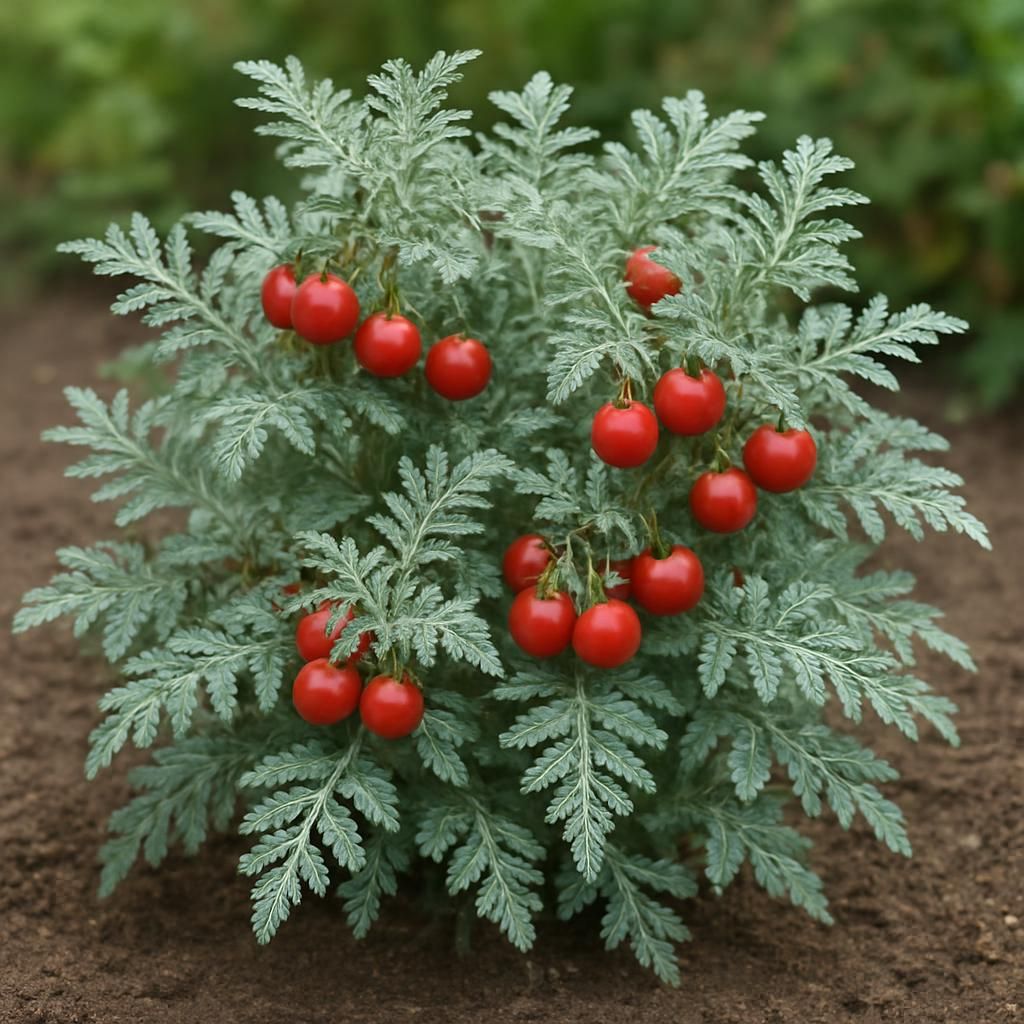
The Silvery Fir Tree Tomato stands out among heirloom varieties for its striking silvery-green, deeply lobed foliage that resembles the needles of a fir tree. This compact determinate plant typically grows 24–36 inches tall and produces clusters of small, round, bright red fruits weighing 1–2 ounces each. Gardeners prize it for both its ornamental value and reliable productivity in containers, raised beds, and small-space intensive systems. The variety matures in 55–65 days from transplant, offering early harvests even in cooler climates.
Its unique leaf structure provides partial shade to developing fruit clusters, reducing sunscald while maintaining excellent airflow that helps minimize disease pressure. Despite its dwarf stature, a single well-managed plant can yield 5–8 pounds of fruit over a concentrated harvest window. This makes the Silvery Fir Tree Tomato an excellent choice for urban gardeners, balcony growers, and market farmers seeking visually distinctive produce.
Botanical Profile of Silvery Fir Tree Tomato
Botanically classified as Solanum lycopersicum 'Silvery Fir Tree', this variety belongs to the Solanaceae family. Its distinctive silvery appearance results from dense, fine hairs on the leaves that reflect sunlight and reduce transpiration. The plant exhibits a compact, bushy growth habit with short internodes and heavy fruit set directly on the main stem and lateral branches.
Flowers are typical of tomatoes—yellow, five-petaled, and self-pollinating—appearing in clusters of 6–10. Each fruit develops a smooth, thin skin and juicy, mildly acidic flesh with a balanced sugar content. The variety shows moderate resistance to common fungal pathogens due to its open canopy and vigorous root system. Unlike indeterminate types, it sets fruit over a 3–4 week period before slowing production.
Soil, pH, and Climate Requirements for Silvery Fir Tree Tomato
Successful cultivation begins with well-drained, fertile soil rich in organic matter. The plant performs best in loamy or sandy loam textures that retain moisture without waterlogging. Raised beds or containers with high-quality potting mixes amended with aged compost deliver optimal results.
| Parameter | Ideal Range | Notes |
|---|---|---|
| Soil pH | 6.2–6.8 | Prevents nutrient lockout |
| Soil Temperature | 65–75°F (18–24°C) | Critical for root establishment |
| Air Temperature (Day) | 70–85°F (21–29°C) | Optimal fruit set |
| Air Temperature (Night) | 55–65°F (13–18°C) | Avoids blossom drop |
| Spacing | 18–24 inches (45–60 cm) | Allows airflow in dense plantings |
| Sunlight | Full sun, 6–8 hours minimum | Maximizes flavor and yield |
Avoid planting in heavy clay or saline soils. Mulching with straw or shredded leaves helps maintain consistent moisture and soil temperature.
Step-by-Step Planting & Propagation
Start seeds indoors 6–8 weeks before the last expected frost. Sow seeds ¼ inch deep in sterile seed-starting mix and maintain soil temperature at 70–75°F. Germination occurs in 5–10 days. Transplant seedlings outdoors when they have 4–6 true leaves and nighttime temperatures remain above 55°F.
Harden off plants for 7–10 days by gradually exposing them to outdoor conditions. Space plants 18–24 inches apart in rows 24–30 inches wide. Dig planting holes twice the width of the root ball and amend with compost and a balanced organic fertilizer. Water thoroughly after transplanting and apply a layer of mulch to suppress weeds and conserve moisture.
Care & Maintenance regimes for Silvery Fir Tree Tomato
Consistent care ensures maximum yield and plant health. Water deeply but infrequently to encourage deep root development. Apply organic mulch to reduce evaporation and moderate soil temperature. Side-dress with compost tea or fish emulsion every 3–4 weeks during active growth.
| Task | Frequency | Details |
|---|---|---|
| Watering | 1–2 times per week | Deep soak; keep soil moist but not soggy |
| Fertilizer | Every 3–4 weeks | Balanced organic (5-5-5) or compost tea |
| Pruning | Weekly | Remove suckers below first flower cluster; thin dense foliage for airflow |
| Mulching | At planting + top-up | 2–3 inches straw or shredded leaves |
| Staking/Support | At 12–18 inches height | Use cages or stakes to prevent lodging |
Monitor leaf color and growth rate to adjust feeding. Avoid over-fertilizing with nitrogen, which promotes foliage at the expense of fruit.
Pests, Diseases & Organic Management
Common pests include aphids, whiteflies, and spider mites. Early detection through regular scouting allows for effective organic interventions such as insecticidal soap, neem oil, or introducing beneficial insects like lady beetles and lacewings. Handpick larger pests such as hornworms when observed.
Fungal diseases such as early blight and septoria leaf spot can occur in humid conditions. Improve airflow by pruning lower leaves and spacing plants adequately. Apply copper-based fungicides or Bacillus subtilis sprays preventively during wet weather. Crop rotation with non-solanaceous crops every 3–4 years reduces soil-borne pathogen buildup. Remove and destroy infected plant debris at season end.
Harvesting, Curing & Optimal Storage
Harvest fruits when they reach full color and slight softness. Pick regularly to encourage continued production. For storage, place unripe tomatoes in a single layer at room temperature away from direct sunlight. Fully ripe fruits keep 4–7 days in the refrigerator crisper drawer.
To extend the season, pick mature green fruits before frost and ripen them indoors in a paper bag with an ethylene-producing fruit such as a banana. For long-term preservation, can, freeze, or dehydrate surplus tomatoes. Proper post-harvest handling preserves flavor and nutritional value.
Companion Planting for Silvery Fir Tree Tomato
Pair Silvery Fir Tree Tomato with aromatic herbs such as basil and thyme to deter pests and improve flavor. Marigolds and nasturtium provide natural pest repellency while attracting beneficial insects. Avoid planting near potato or eggplant to reduce shared disease risk.
Interplant with lettuce or spinach for efficient space use and soil coverage. These cool-season companions benefit from the partial shade provided by tomato foliage during warmer months. See companion planting strategies for additional pairings that enhance resilience and biodiversity.