Encyclopedia
Definitive guides for crops, pests, and agricultural diseases.

Redhaven Peach
Redhaven Peach is one of the most widely planted yellow-fleshed peach cultivars in North America, prized for reliable cropping, cold tolerance, and excellent fresh-eating quality. Developed in Michigan and introduced in the mid-20th century, it remains a benchmark midseason peach for home orchards and commercial growers alike.
View Guide
Reed Avocado
Reed avocado is a late-season Guatemalan-type cultivar prized for its large, round fruit, thick green skin, rich nutty flavor, and strong tree vigor. It performs best in frost-free to very light-frost climates with excellent drainage, careful irrigation management, and attentive canopy training during establishment.
View Guide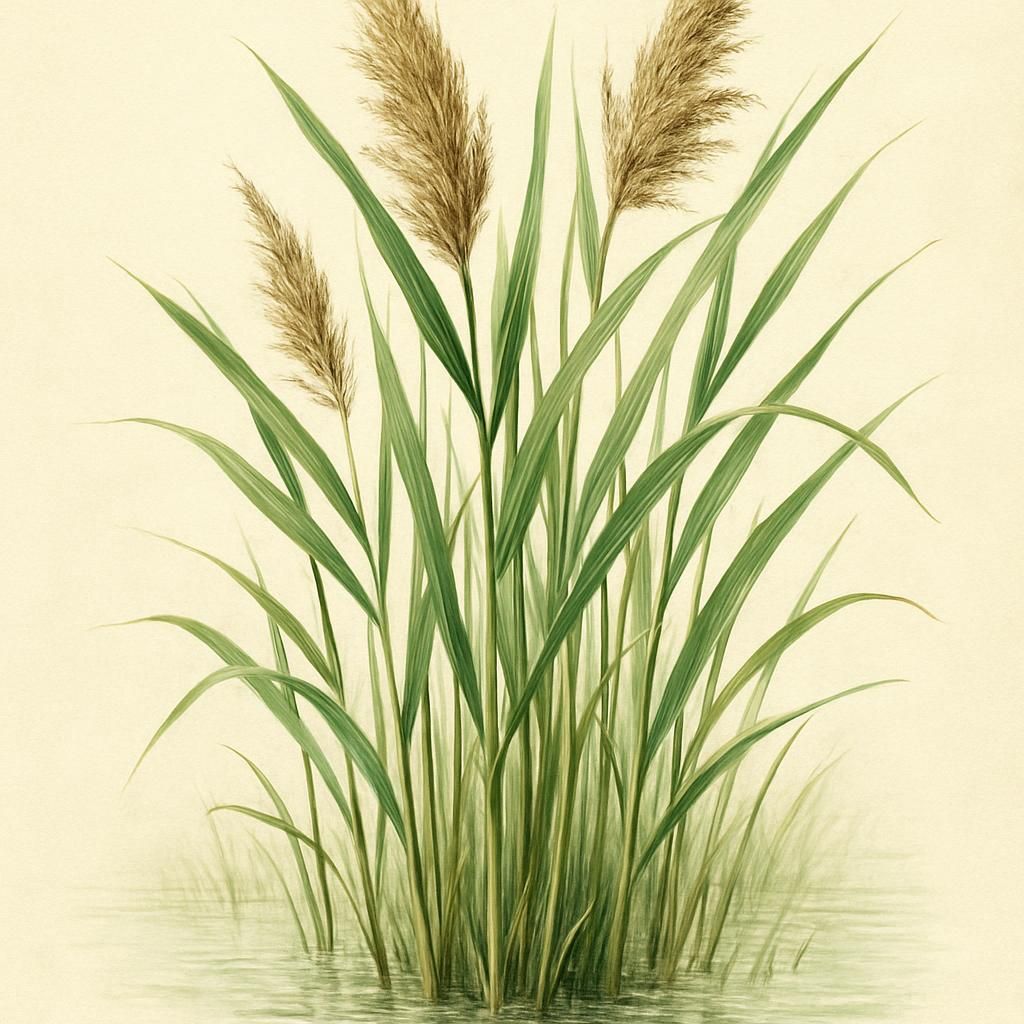
Reeds
Reeds are tall, perennial wetland grasses valued for erosion control, biomass, and thatching. They thrive in saturated soils and are widely cultivated along waterways and in constructed wetlands.
View Guide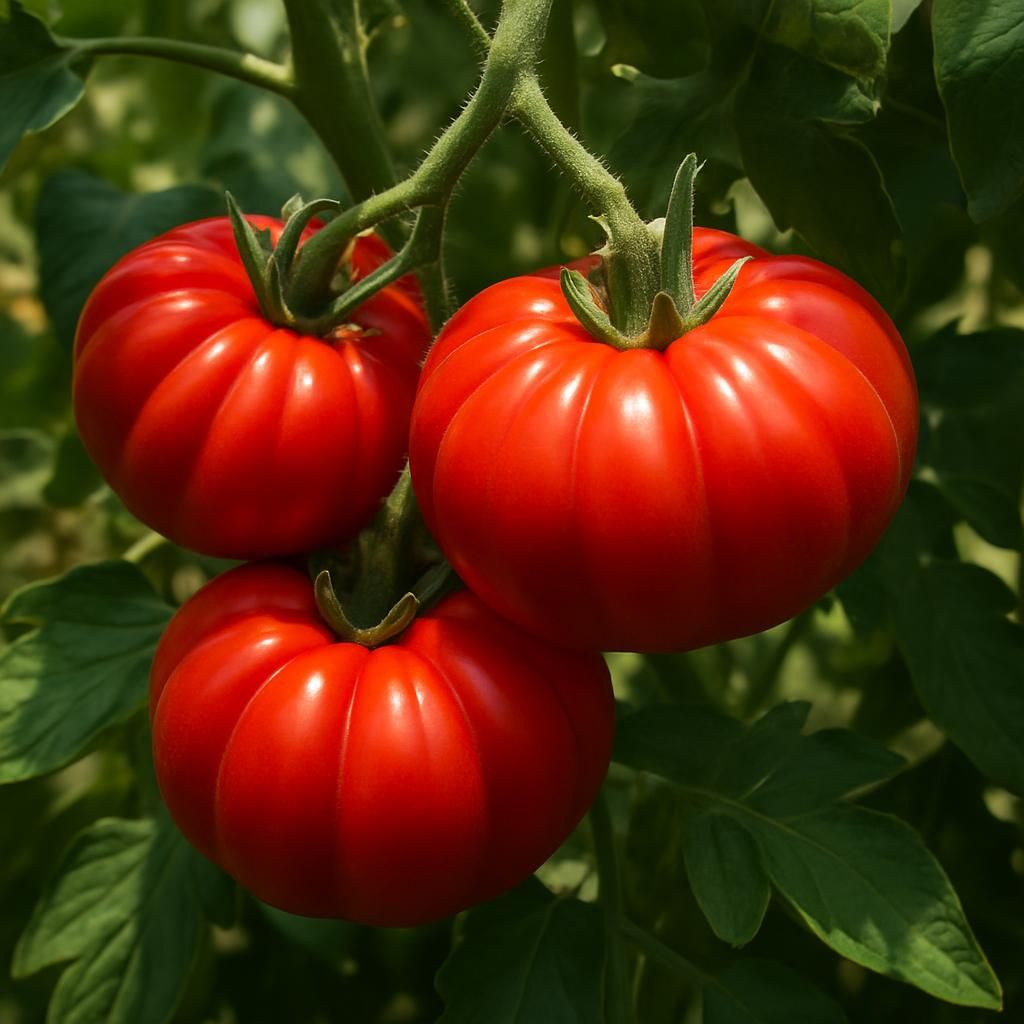
Reisetomate (Traveler Tomato)
The Reisetomate, also known as the Traveler Tomato, is a rare, multi-locular heirloom variety prized for its unique segmented fruit that resembles clusters of fused cherry tomatoes. Originating from Germany, it offers exceptional flavor, high productivity, and resilience for home gardeners and small-scale growers seeking a conversation-starting crop.
View Guide
Reiziq Rice
Reiziq Rice is a high-yielding rice variety favored for its adaptability and high-quality grains. With origins tracing back to traditional breeding techniques, this variety excels in diverse climates and is a popular choice among farmers seeking reliable harvests.
View Guide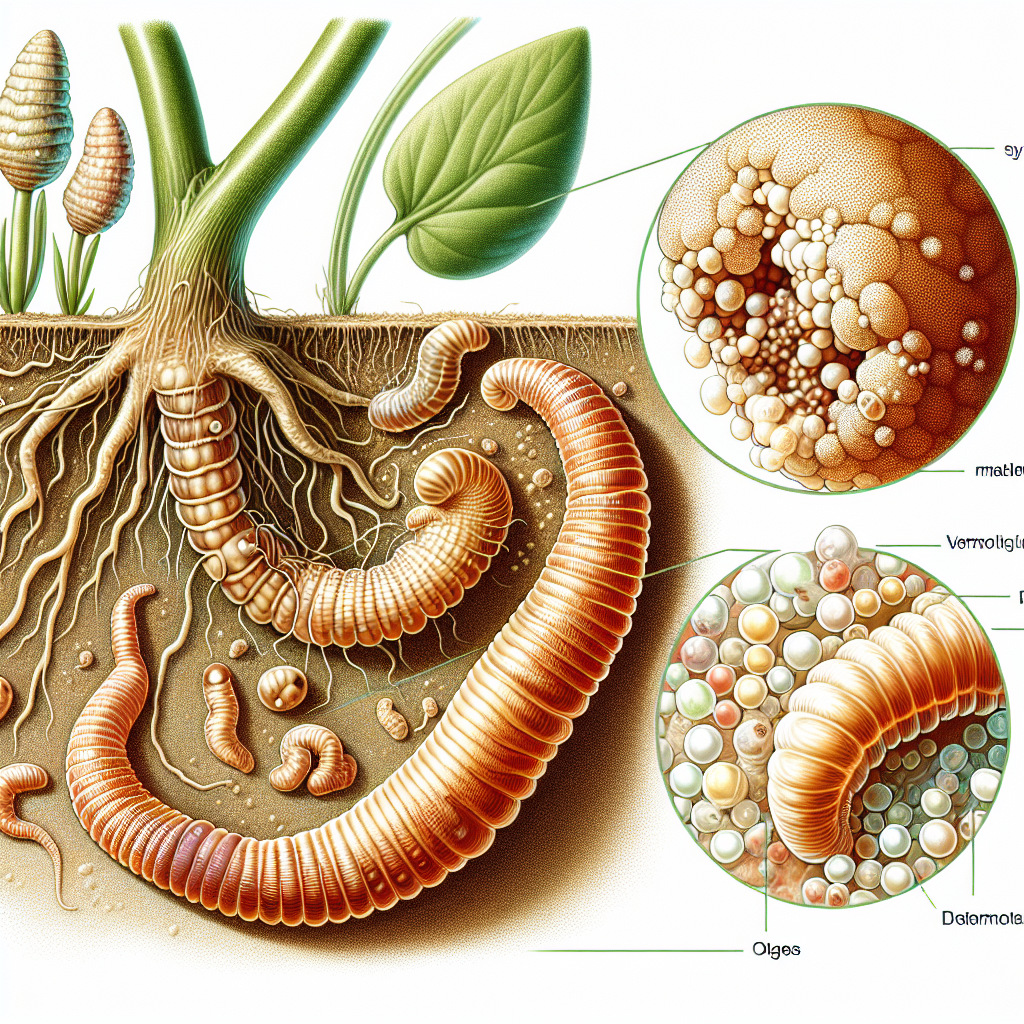
Reniform nematodes
Reniform nematodes (Rotylenchulus reniformis) are microscopic, kidney-shaped plant-parasitic worms that attack root systems, causing stunted growth and yield losses in warm-climate crops. Highly persistent in soil, they thrive in sandy soils and are notoriously difficult to eradicate without integrated management. This guide provides diagnostic symptoms, lifecycle details, organic controls, and prevention strategies for affected farmers.
View Profile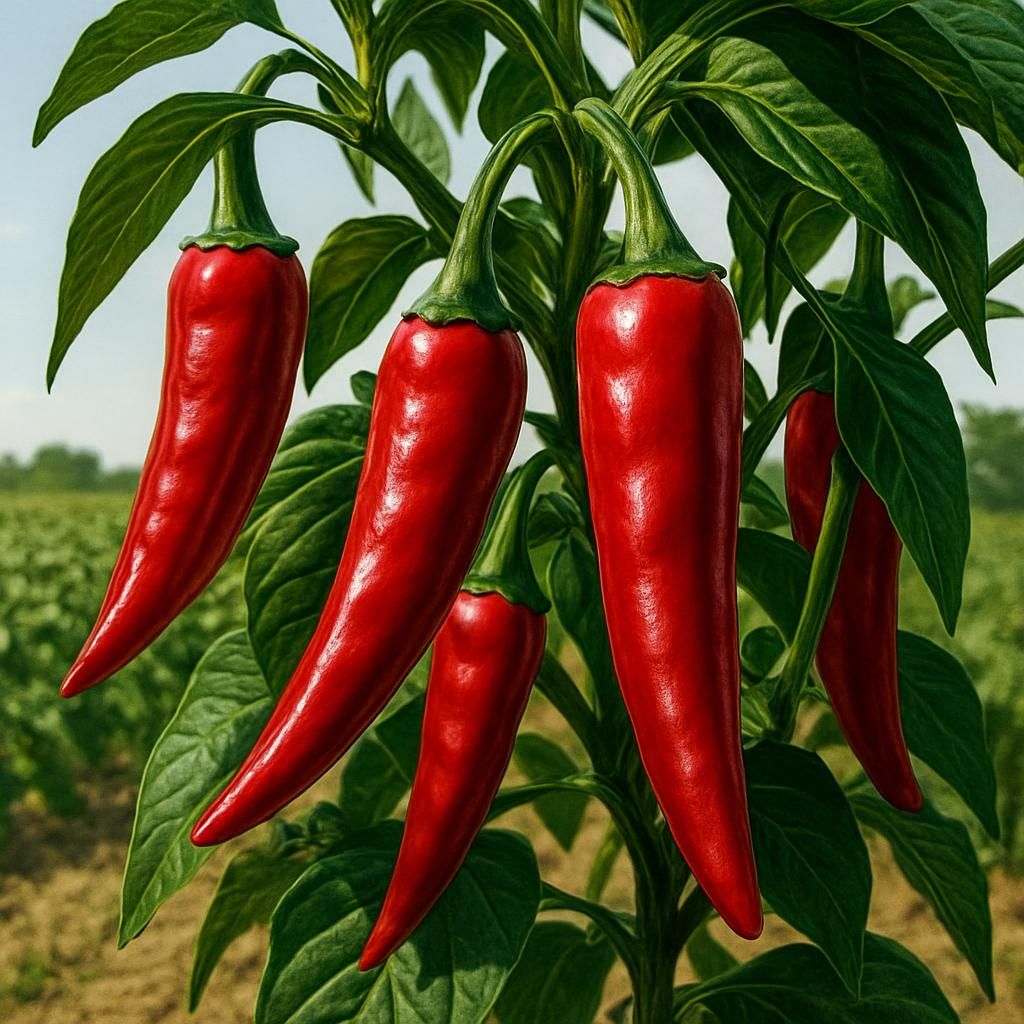
Resham Patti Chili
Resham Patti Chili is a distinctive Indian heirloom chili prized for its silky, thread-like pods and intense, aromatic heat. This comprehensive guide covers soil preparation, planting, care, organic pest management, and post-harvest storage for professional growers and home gardeners.
View Guide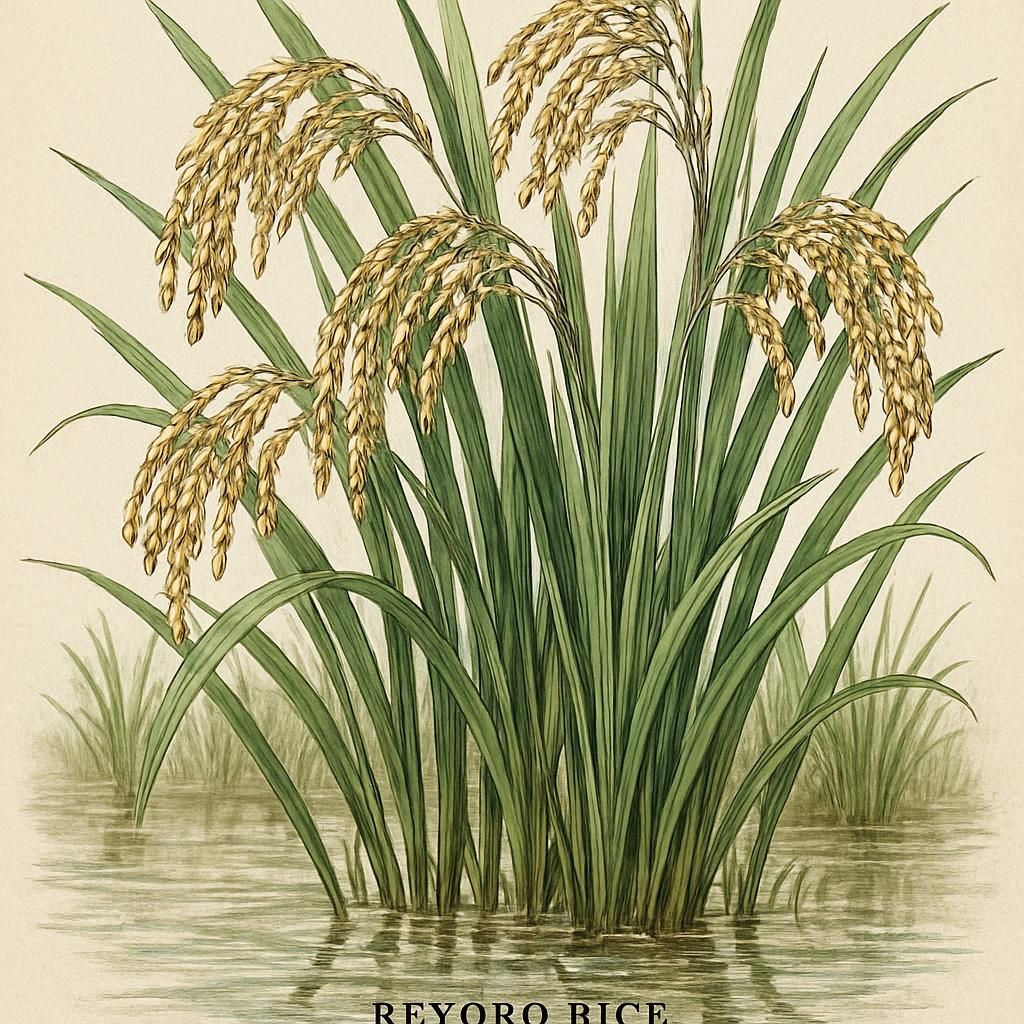
Rexoro Rice
Rexoro Rice is a high-yielding, medium-grain variety known for its adaptability and quality. Ideally grown in warm, humid climates, it requires specific soil and water management to maximize production.
View Guide
Rhinoceros beetle
The rhinoceros beetle (Oryctes rhinoceros) is a destructive palm pest notorious for boring into trunks and crowns, causing severe structural damage and yield losses in coconut, oil palm, and date palm plantations. This comprehensive guide covers identification, lifecycle, organic management strategies, and prevention tactics for farmers worldwide. Early detection and integrated pest management are key to minimizing economic impacts.
View Profile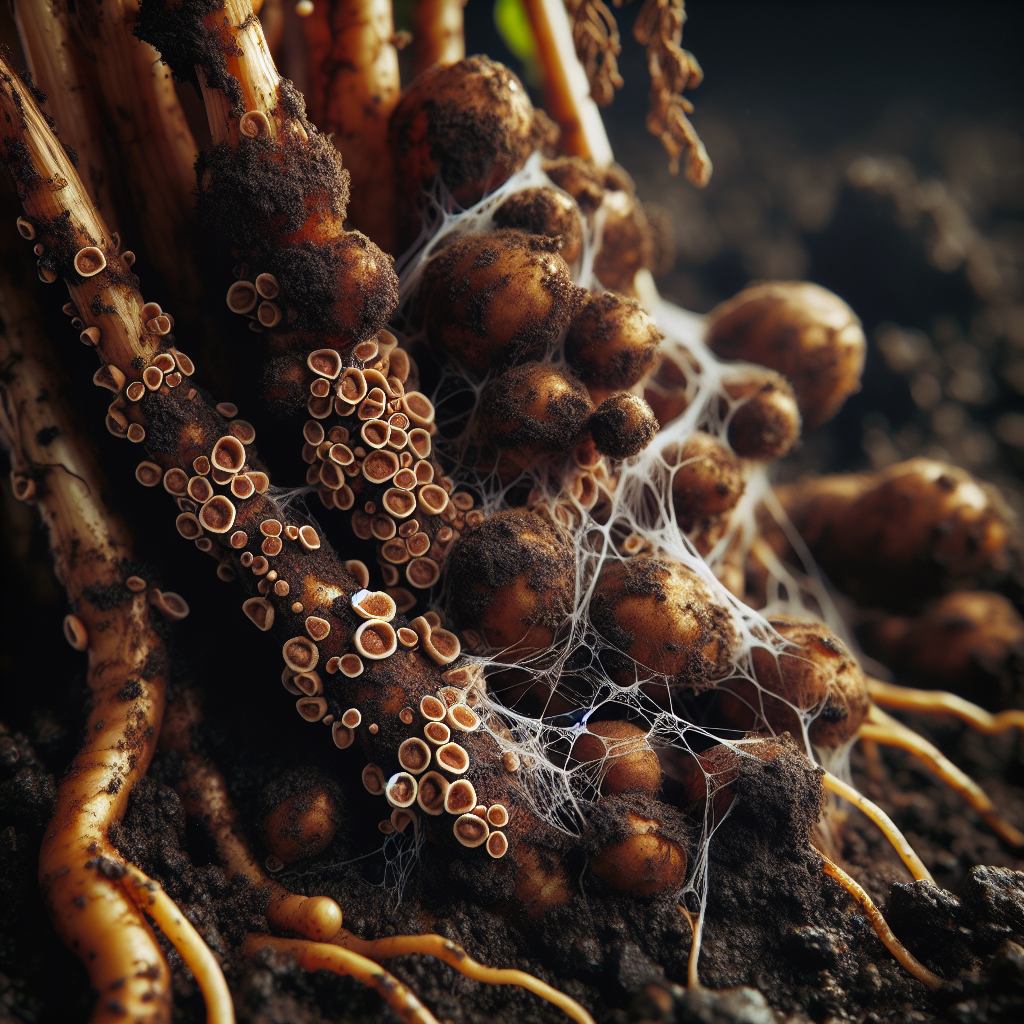
Rhizoctonia
Rhizoctonia is a soilborne fungal pathogen causing root rot, damping-off, and web blight in numerous crops worldwide. It thrives in warm, moist conditions, leading to significant yield losses if not managed properly. This guide provides comprehensive diagnostics, organic treatments, and prevention strategies for effective control.
View Profile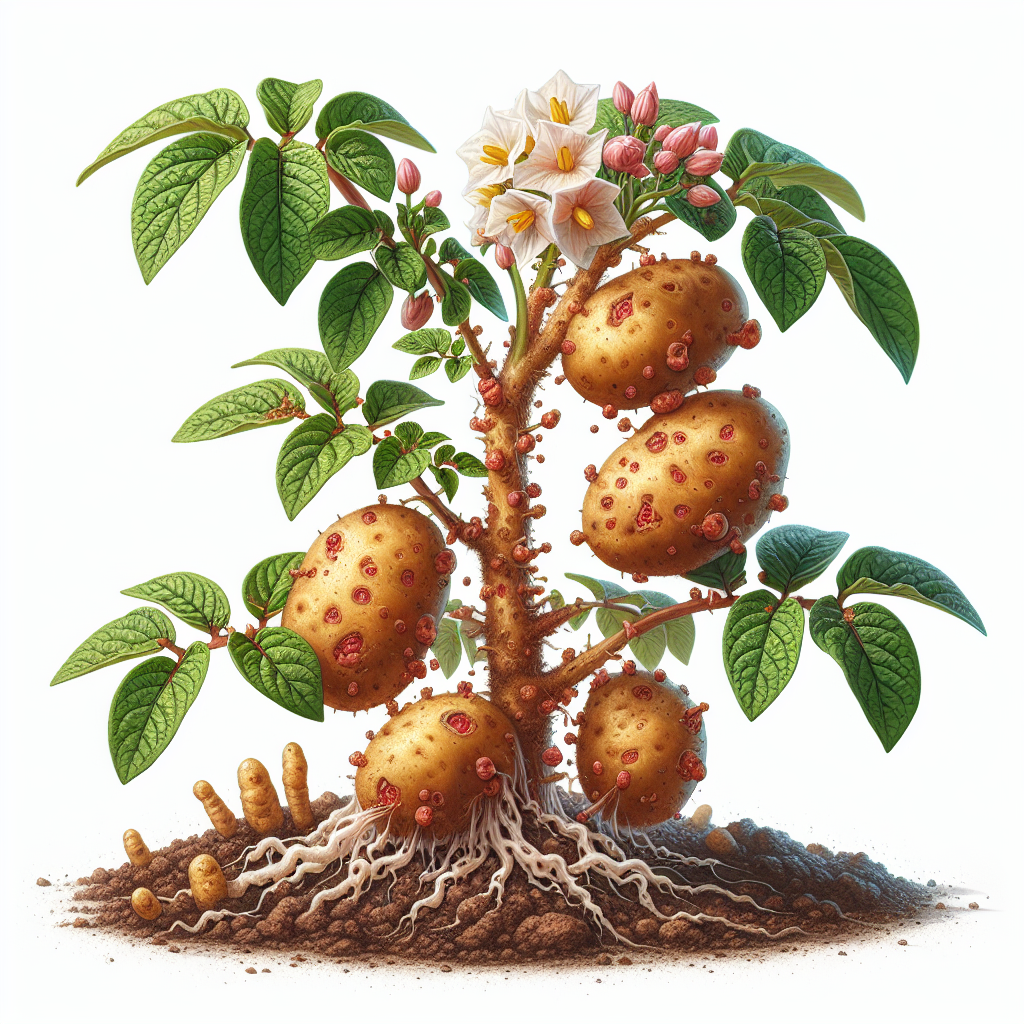
Rhizoctonia Canker
Rhizoctonia Canker is a destructive fungal disease caused by Rhizoctonia solani, leading to cankers on stems, crowns, and roots that girdle plants and cause wilting and death. It thrives in warm, wet soils and affects a wide range of crops, making early detection and cultural management essential for control. This guide provides comprehensive diagnostic symptoms, lifecycle details, organic treatments, and prevention strategies for farmers.
View Profile
Rhizoctonia crown and root rot
Rhizoctonia crown and root rot, caused by the soilborne fungus Rhizoctonia solani, is a devastating disease affecting a wide range of crops by rotting roots, crowns, and lower stems, leading to stunted growth and plant death. It thrives in warm, wet soils with poor drainage, making prevention through cultural practices essential. Effective management combines sanitation, resistant varieties, and organic biocontrols for sustainable control.
View Profile
Rhizoctonia damping-off
Rhizoctonia damping-off is a devastating fungal disease caused by Rhizoctonia solani that primarily attacks seedlings, leading to rapid collapse and death in pre- and post-emergence stages. This soil-borne pathogen thrives in overly wet, compacted soils and cool temperatures, causing significant losses in greenhouses, nurseries, and field crops. Effective management relies on cultural practices, sanitation, and organic biocontrols to prevent outbreaks and protect vulnerable young plants.
View Profile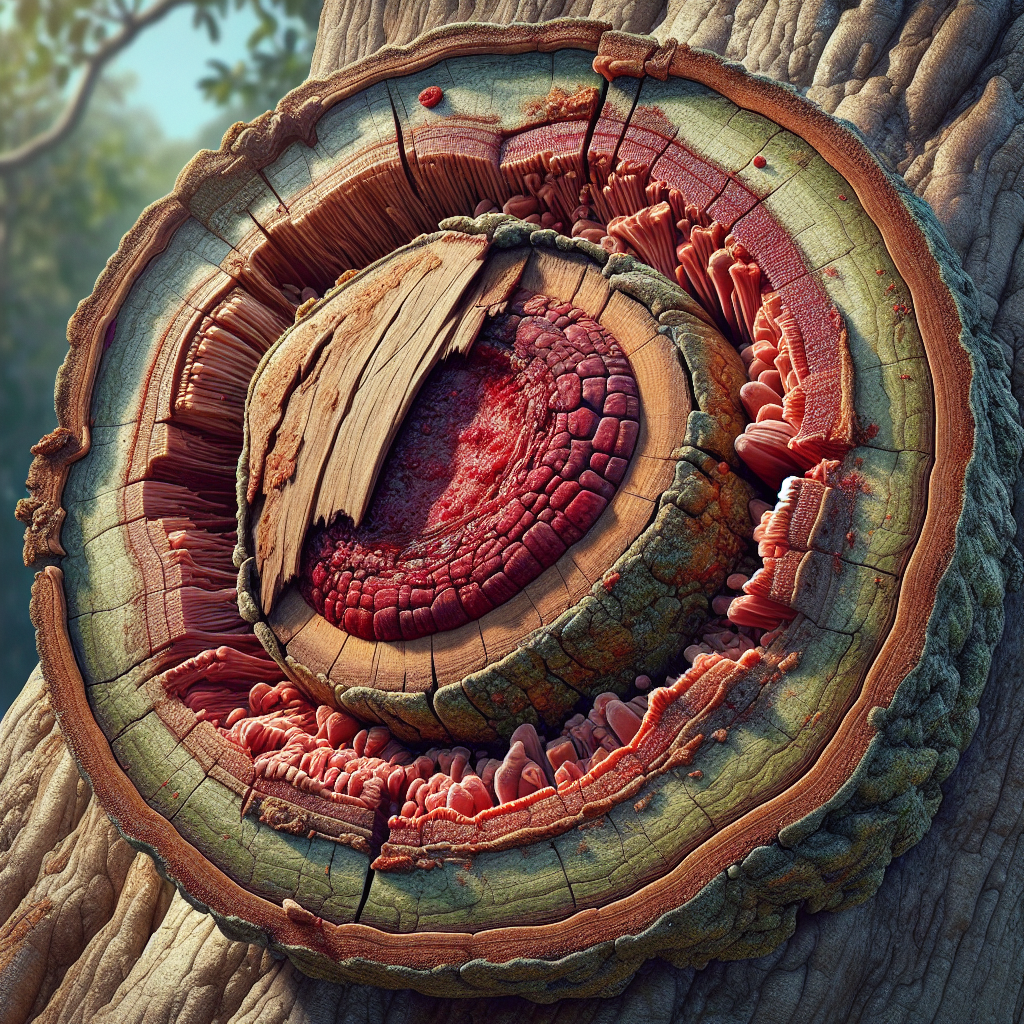
Rhizoctonia limb rot
Rhizoctonia limb rot is a destructive fungal disease caused by Rhizoctonia solani that primarily affects the limbs, branches, and trunks of trees and woody perennials, leading to cankers, girdling, and eventual plant death. It thrives in warm, wet soils and spreads through infected plant debris and soil. Early detection and cultural management are key to preventing widespread damage in orchards and perennial crops.
View Profile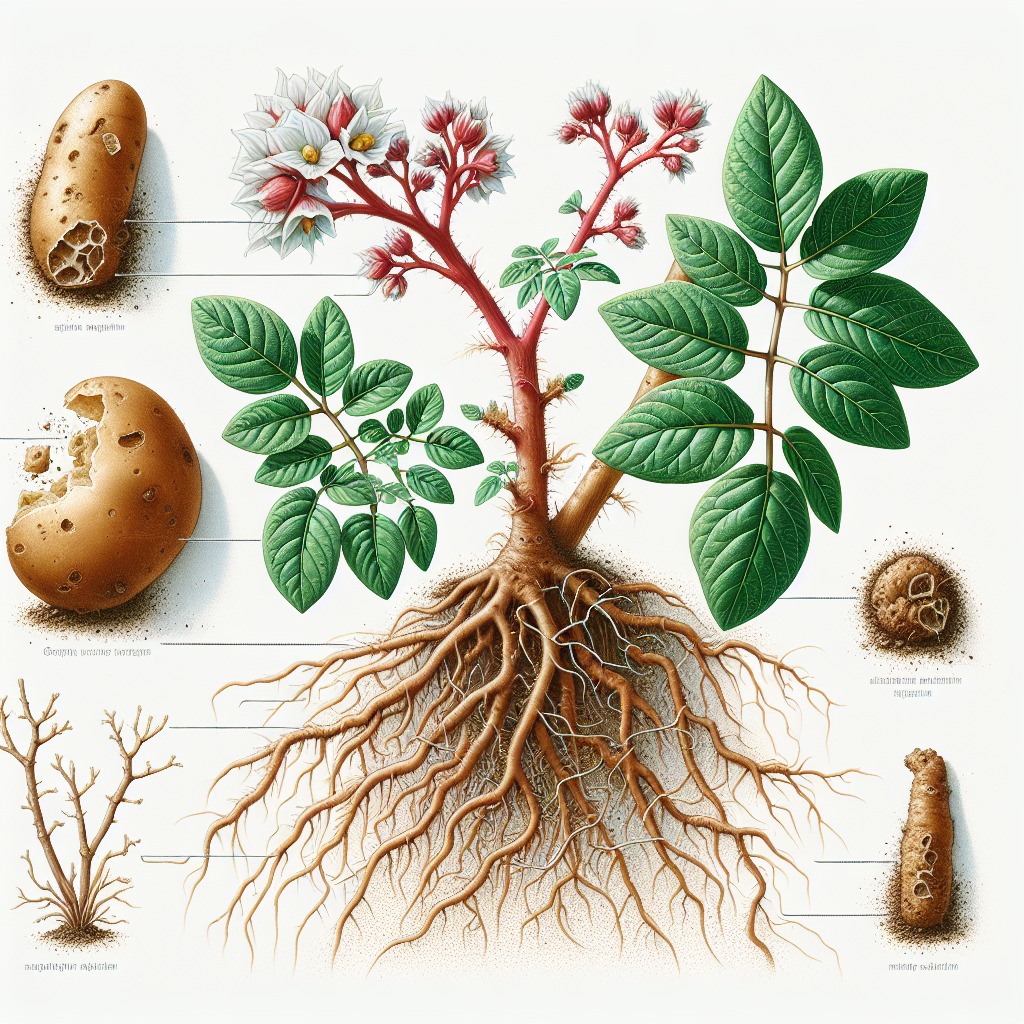
Rhizoctonia root rot
Rhizoctonia root rot, caused by the soilborne fungus Rhizoctonia solani, is a devastating disease affecting roots and lower stems of numerous crops, leading to wilting, stunting, and plant death. It thrives in warm, wet soils with poor drainage, making early diagnosis and cultural management essential for control. This guide provides comprehensive strategies for identification, organic treatment, and prevention to safeguard yields.
View Profile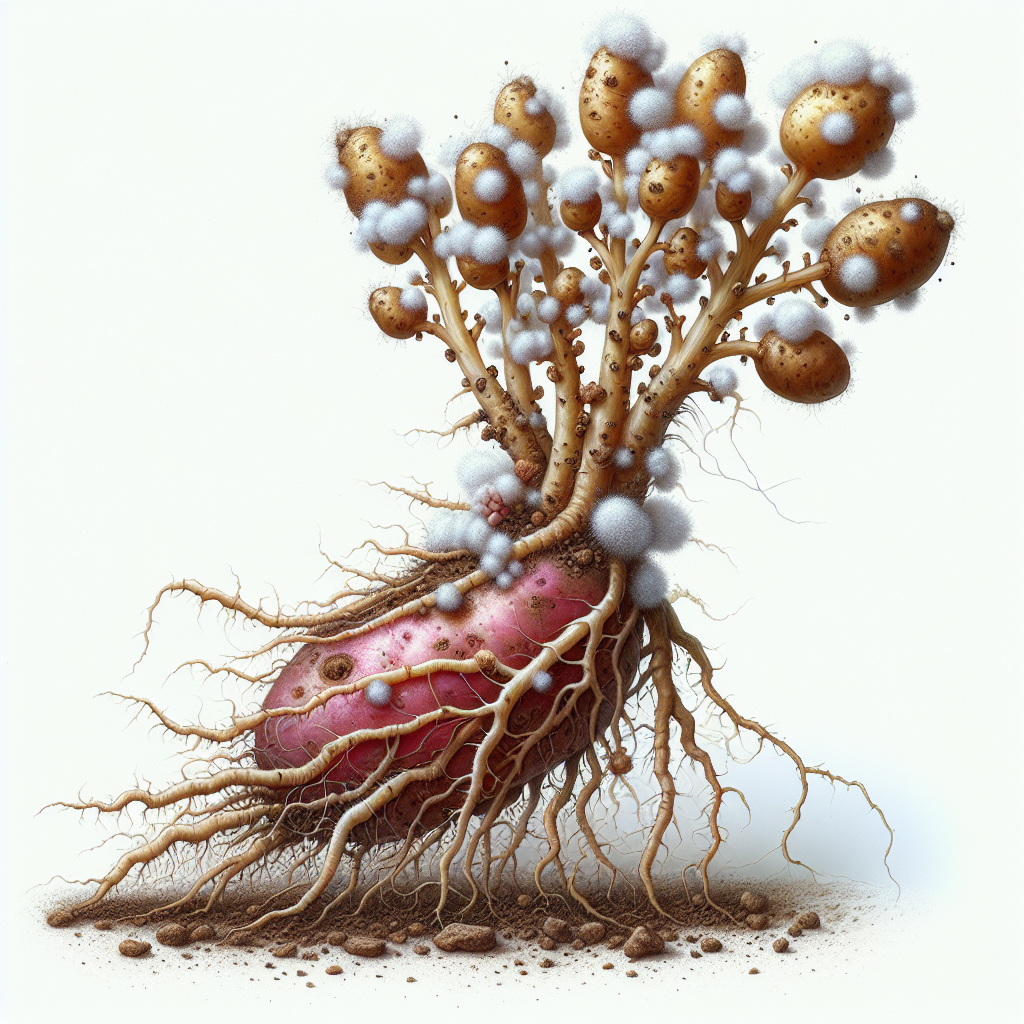
Rhizoctonia solani
Rhizoctonia solani is a ubiquitous soilborne fungal pathogen causing root rot, damping-off, and web blight in numerous crops worldwide. Highly resilient with sclerotia and mycelial survival structures, it thrives in warm, moist conditions, leading to significant seedling and root losses. Effective management relies on cultural practices, resistant varieties, and integrated organic strategies.
View Profile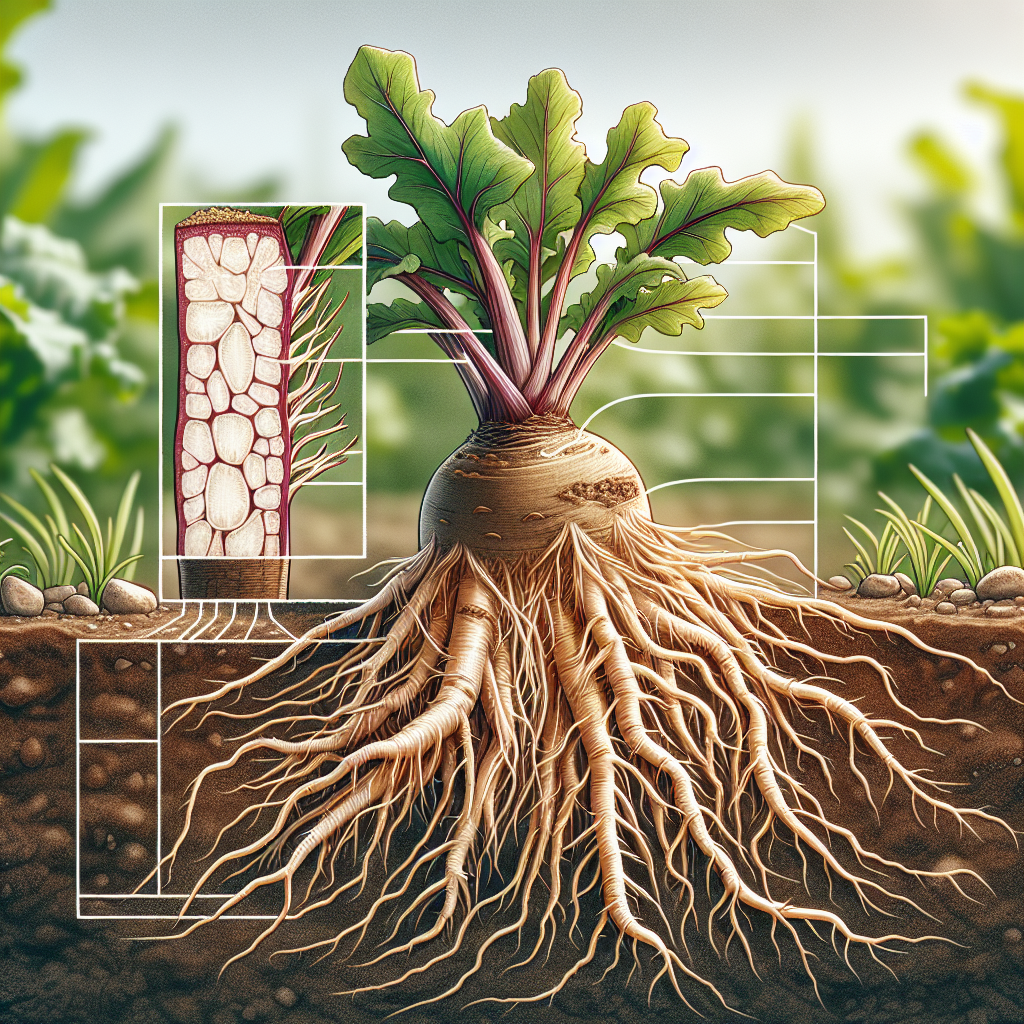
rhizomania
Rhizomania is a devastating viral disease primarily affecting sugar beet crops, caused by the Beet necrotic yellow vein virus (BNYVV) and transmitted by the soilborne protozoan Polymyxa betae. It leads to stunted growth, prolific root branching, and severe yield losses of up to 80%. Effective management relies on resistant varieties, strict sanitation, and crop rotation.
View Profile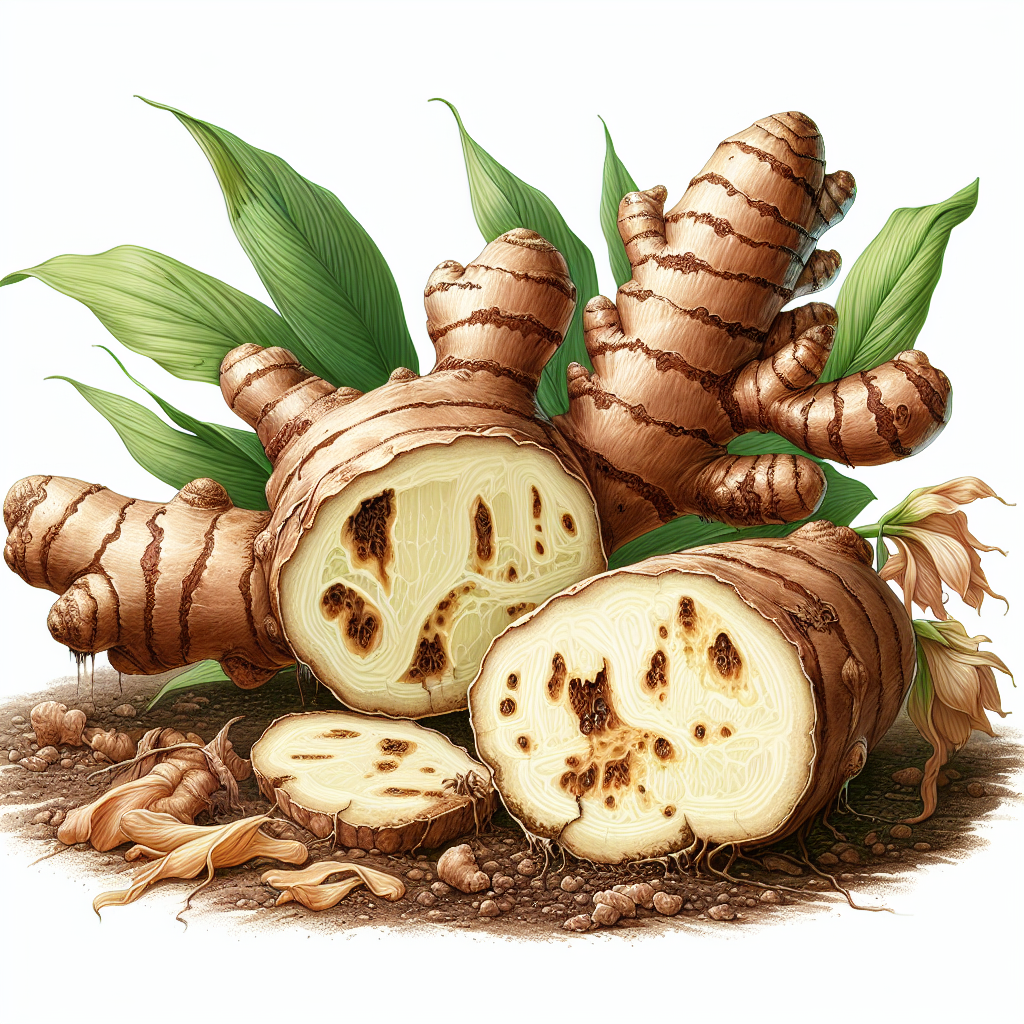
Rhizome rot
Rhizome rot is a devastating fungal and oomycete disease that targets the underground rhizomes of tropical and subtropical crops, leading to wilting, yellowing foliage, and plant collapse. Caused mainly by soil-borne pathogens thriving in wet conditions, it spreads rapidly in poorly drained fields. Effective management relies on cultural practices, resistant varieties, and organic biocontrols to minimize losses.
View Profile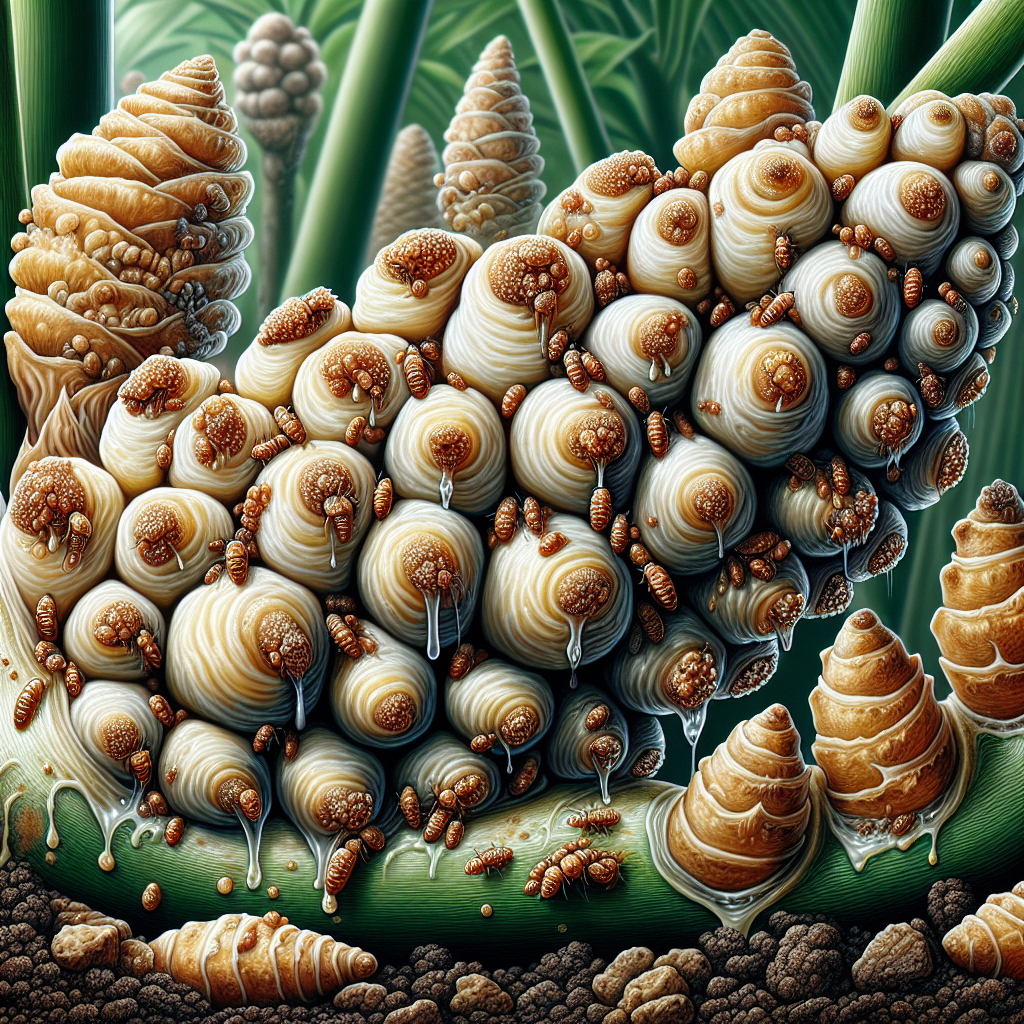
Rhizome scale insects
Rhizome scale insects are armored scale pests that infest underground rhizomes of tropical and subtropical crops, sucking sap and causing severe root decline. They thrive in warm, humid conditions and are particularly devastating to ginger, turmeric, and banana crops. Early detection and integrated organic management are crucial for effective control.
View Profile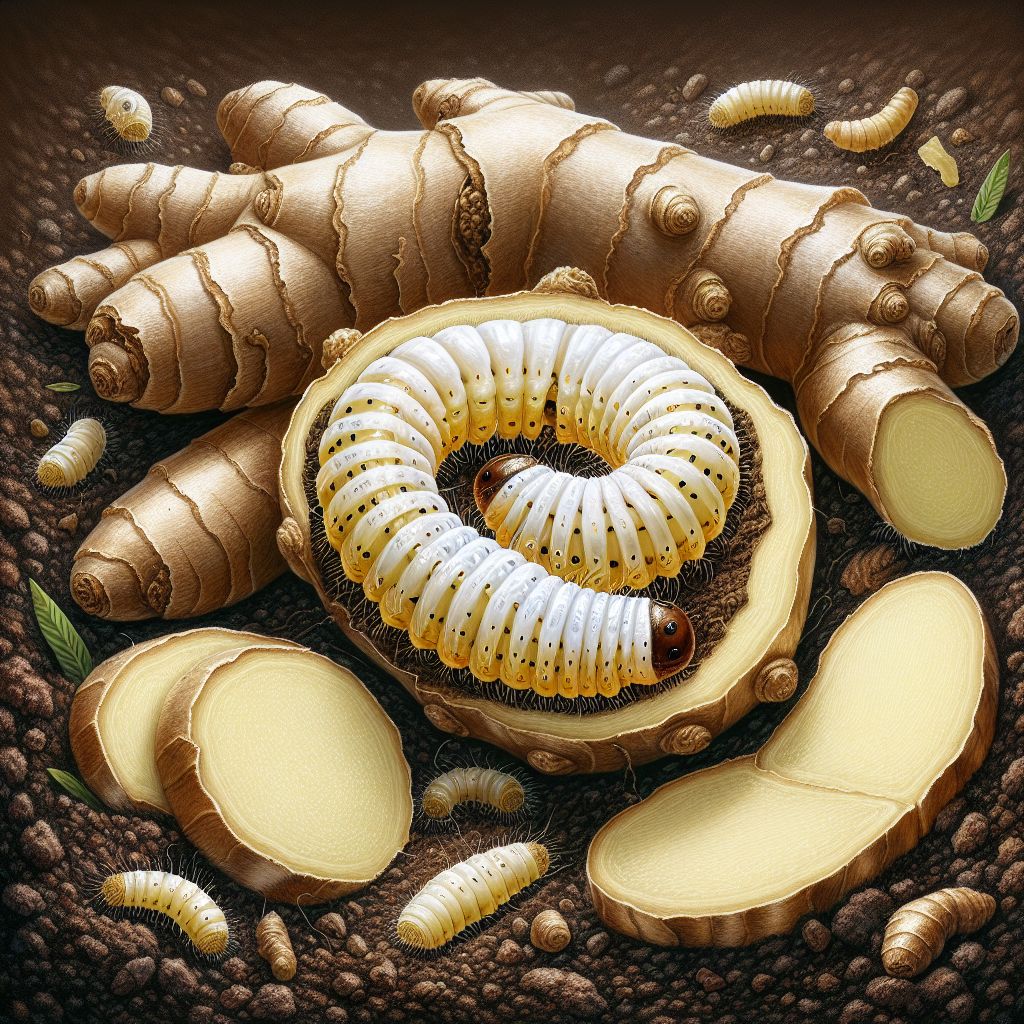
rhizome-boring larvae
Rhizome-boring larvae are the destructive underground grubs of beetles and moths that tunnel into plant rhizomes, causing wilting, stunted growth, and plant death in tropical and subtropical crops. These pests target high-value rhizomatous plants like ginger, turmeric, and banana, leading to significant yield losses if unmanaged. This guide provides comprehensive diagnostics, organic management strategies, and prevention tactics for effective control.
View Profile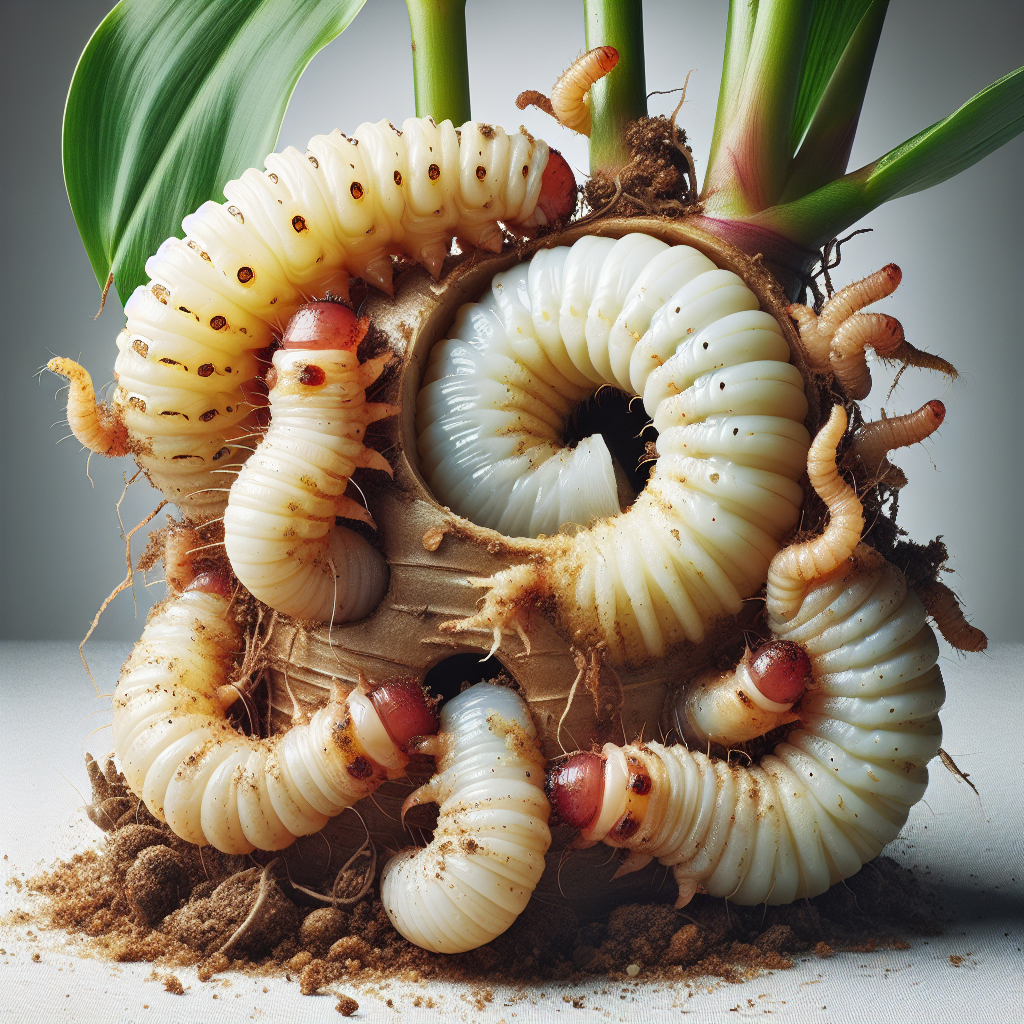
Rhizome-feeding larvae
Rhizome-feeding larvae are soil-dwelling grubs that target the underground rhizomes and roots of crops like ginger, turmeric, and banana, causing severe wilting and plant death. These pests are particularly devastating in tropical and subtropical agriculture, leading to significant yield losses if not managed properly. This guide provides comprehensive diagnostics, organic control strategies, and prevention tactics for effective management.
View Profile
Rhizopus head rot
Rhizopus head rot is a destructive fungal disease caused by Rhizopus species that primarily affects the inflorescences or heads of crops like sunflower and sorghum, leading to rapid tissue decay and black sporangia formation. It thrives in warm, humid conditions and wounds, causing significant yield losses through head collapse and seed contamination. Effective management relies on cultural practices, sanitation, and organic fungicides to prevent outbreaks.
View Profile
rhododendron
Rhododendron, often considered an invasive pest in agricultural settings, aggressively outcompetes crops for resources through rapid growth and allelopathic chemicals. This woody shrub invades orchards, forests, and fields, reducing yields in nearby [apple](/wiki/apple) and [blueberry](/wiki/blueberry) plantings. Effective management requires integrated cultural, organic, and mechanical strategies to eradicate infestations.
View Guide
rhododendrons
Rhododendrons are stunning evergreen shrubs prized for their vibrant spring blooms and year-round foliage, thriving in acidic soils and partial shade. This comprehensive guide covers everything from soil preparation and propagation to pest management and companion planting for successful cultivation. Ideal for gardeners seeking low-maintenance ornamental beauty with professional agricultural techniques.
View Guide