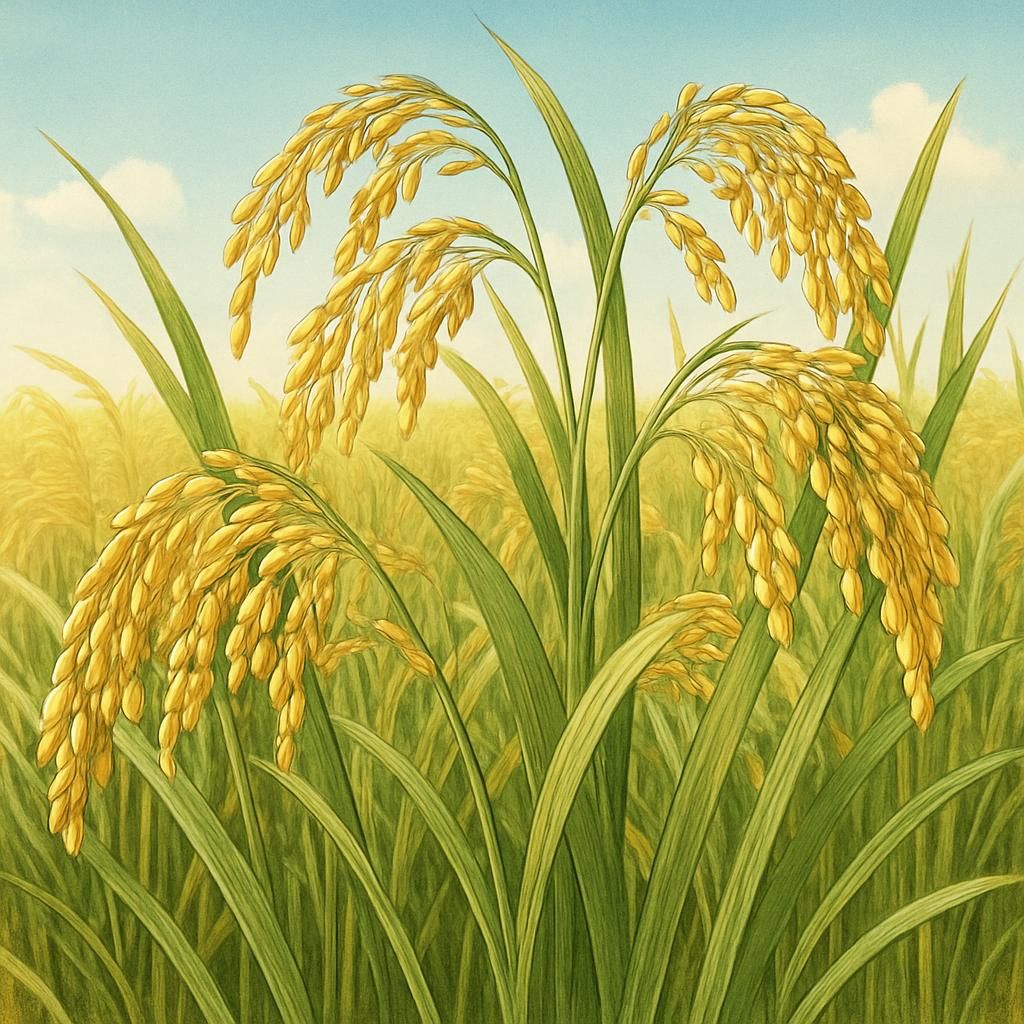
Introduction to Reiziq Rice
Reiziq Rice is renowned for its impressive yield and superior grain quality. Developed primarily for various climates, Reiziq Rice has gained popularity among farmers who desire a dependable crop with excellent returns. Introduced to modern agriculture through traditional breeding methods, it embodies the advanced practices that balance productivity with resilience.
Botanical Profile of Reiziq Rice
Reiziq Rice belongs to the Oryza sativa species, a staple grain of global importance. It features a long, slender grain and is celebrated for its soft, fluffy texture when cooked. The plant typically reaches maturity within 120 to 150 days, depending on environmental conditions and management practices. Reiziq Rice has been developed to resist common diseases and pests that plague rice plants, making it easier to grow with minimal intervention.
Soil, pH, and Climate Requirements for Reiziq Rice
Reiziq Rice is adaptable to various soil types but performs best in fertile, well-drained loams. It thrives under flooded conditions typical in rice paddies, requiring meticulous water management to ensure optimal growth.
| Factor | Ideal Condition |
|---|---|
| Soil Type | Fertile, well-drained loam |
| Soil pH | 5.5 - 7.0 |
| Temperature | 20°C - 37°C |
| Rainfall | 1200mm - 2200mm annually |
Step-by-Step Planting & Propagation
- Seed Selection: Use high-quality, disease-free seeds. Certified seeds enhance germination rates and plant vigor.
- Field Preparation: Plow the field to a fine tilth. Incorporate organic matter or decomposed manure to improve soil structure and fertility.
- Sowing: In tropical areas, sow seeds directly in prepared fields. Otherwise, begin in nurseries and transplant seedlings when they reach 20 cm height.
- Spacing: Maintain rows 20 cm apart with a seed rate of 100 kg/ha. Proper spacing ensures adequate sunlight penetration and airflow.
Care & Maintenance Regimes for Reiziq Rice
Daily care is pivotal to nurturing a successful Reiziq Rice crop. Water management, fertilization, and pest monitoring form the backbone of effective care practices.
| Activity | Schedule |
|---|---|
| Watering | Flood the fields when seedlings are transplanted, maintain consistent water level during vegetative growth. Drain water 2 weeks before harvesting. |
| Fertilization | Apply a basal dose of nitrogen, phosphorus, and potassium at the time of transplanting. Top-dress with nitrogen 4 weeks later. |
| Weeding | Conduct manual or chemical weeding every three weeks until canopy closure. |
Pests, Diseases & Organic Management
Reiziq Rice is susceptible to a range of pests and diseases, including Spider Mites, brown planthopper, bacterial leaf blight, and blast. Implementing integrated pest management (IPM) practices can significantly reduce the risk.
- Pests like Spider Mites: Regular monitoring and application of neem oil can help manage infestations.
- Disease Management: Facilitate adequate plant spacing for air circulation, and opt for resistant varieties or seed treatments.
Harvesting, Curing & Optimal Storage
Harvesting is ideally conducted when grains mature and show a golden hue. Use of mechanical harvesters can optimize the process.
- Harvesting: Harvest when the grains are hard and have moisture levels between 22% - 24%.
- Curing: Post-harvest curing under controlled conditions minimizes breakage when milling.
- Storage: Store in cool, dry conditions to prevent infestation and spoilage.
Companion Planting for Reiziq Rice
Companion planting enhances soil fertility and can act as a natural pest deterrent. Integrating crops like Lentils or Beans alongside Reiziq Rice can boost nutrient availability, enrich the soil, and reduce weed pressure.
For further insights on crop diseases and management, read our Crop Diseases Under the Microscope: 9 Organic Fixes for Small Farm Resilience blog.
Additional interactions with secondary crops like Lychee can create an ideal growing ecosystem, optimizing both space and resources for sustainable yields.