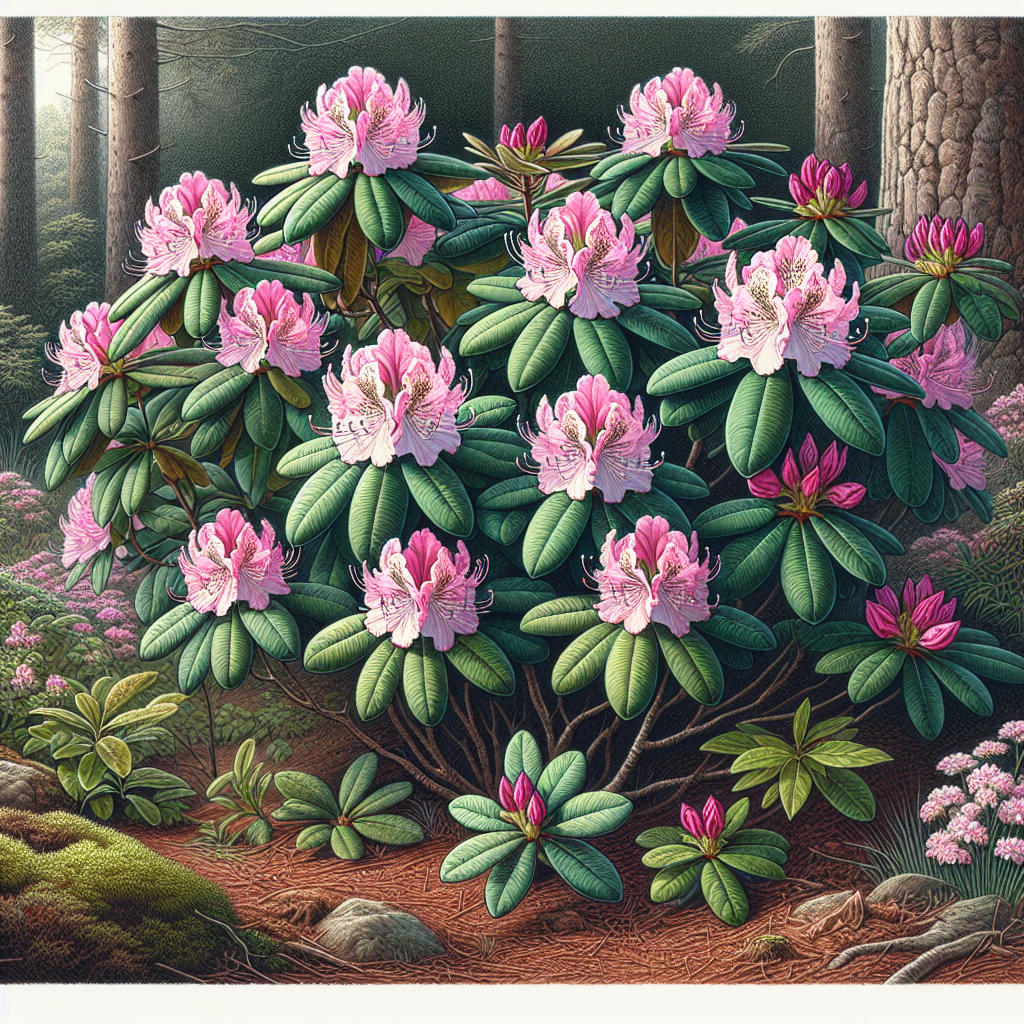
Introduction to rhododendrons
Rhododendrons, often simply called rhodies, are among the most beloved ornamental shrubs in temperate gardens worldwide. Belonging to the Ericaceae family, these evergreen (or deciduous in some species) plants produce spectacular clusters of flowers in shades of pink, purple, red, white, and yellow, typically blooming in late spring. Native to the cool, moist woodlands of the Himalayas, North America, and parts of Europe and Asia, rhododendrons have been cultivated for centuries, with over 1,000 species and countless hybrids available today.
As a professional botanist and horticultural expert, I recommend rhododendrons for their versatility in landscaping—serving as hedges, specimen plants, or foundation plantings. They offer multi-season interest: lush foliage, dramatic blooms, and attractive bark. However, success hinges on mimicking their natural habitat: acidic, well-drained soil and protection from harsh sun and wind. This guide provides agricultural-grade advice for home growers and small-scale nursery operations, ensuring healthy plants that can live 20-50 years or more. For small farms zoning landscapes for profit, integrating rhododendrons can boost aesthetic value and sales at farmers' markets or garden centers. Why Zoning Your Small Farm Chaos into Profit Zones Feels Impossible - And How AI Changes Everything.
Botanical Profile of rhododendrons
Rhododendrons encompass two main groups: true rhododendrons (Rhododendron subgenus Rhododendron) and azaleas (subgenus Pentanthera), though commonly lumped together. Most cultivated varieties are elepidote (with scales on the undersides of leaves) hybrids like 'Roseum Elegans' or 'PJM'. Leaves are leathery, oblong to lanceolate, 2-8 inches long, retaining a deep green hue year-round. Flowers form terminal trusses of 5-20 blooms, each 1-3 inches across, with 10 stamens in rhododendrons versus 5 in azaleas.
Growth habits vary: dwarf varieties (2-4 ft) suit rock gardens, while large-leaved species like R. macrophyllum reach 20 ft. They are shallow-rooted, with fine fibrous roots concentrated in the top 12 inches of soil. Pollinated by bees and hummingbirds, seed pods follow blooms, but propagation is best vegetatively. Hardy in USDA zones 4-9 depending on cultivar, they prefer cool summers (below 80°F) and mild winters. As entomologists note, their nectar-rich flowers support pollinator health, making them eco-friendly choices. For deeper species info, see the Blueberry (crop) page, a fellow acid-lover.
Soil, pH, and Climate Requirements for rhododendrons
Rhododendrons demand acidic, humus-rich soil with pH 4.5-5.5—test annually with a soil kit. Amend clay or alkaline soils with peat moss, pine bark fines, or elemental sulfur (1-2 lbs/100 sq ft, applied fall). Ideal texture is loamy-sandy with 3-5% organic matter; avoid heavy compaction. Mulch 2-4 inches deep with pine needles or oak leaves to maintain moisture and acidity, suppressing weeds while feeding mycorrhizal fungi essential for nutrient uptake.
Climate-wise, they excel in areas with 40-60 inches annual rainfall, even distribution. Protect from winter winds with burlap screens in zones 4-5; provide afternoon shade in hot climates to prevent leaf scorch. Optimal temps: 50-70°F day, above 20°F night. Drought tolerance is low—irrigate deeply (1 inch/week) during dry spells. For small farms in variable climates, hyper-local forecasting is key. Why 80% of Small Farms Battle Weather Disasters - And How Hyper-Local AI Forecasts Can Save Your Harvest. Elevation 1,000-5,000 ft mimics native habitats best.
Step-by-Step Planting & Propagation
Site Selection: Choose partial shade (4-6 hours sun), east/north-facing slopes. Space 6-10 ft apart based on mature size.
Planting (Spring/Fall): Dig holes 2x width of root ball, same depth. Mix 50% native soil + 50% amendment. Plant high—root collar 2 inches above grade to prevent rot. Water thoroughly, mulch immediately.
Propagation:
- Cuttings: June-July, take 4-6 inch semi-hardwood tips. Dip in rooting hormone (IBA 3,000 ppm), plant in 1:1 peat-perlite under mist. Roots in 6-10 weeks at 65-70°F.
- Layering: Bend low branch to soil, nick underside, bury with peg. Roots form in 1 year.
- Seeds: Surface-sow fresh seed on peat, 60°F, high humidity. Germinates 2-4 weeks; prick out at 4 leaves.
Transplant potted liners at 12-18 months. For winter sowing enthusiasts, rhododendrons adapt well to cold frames.
Care & Maintenance regimes for rhododendrons
Watering: Consistent moisture, never soggy. Drip irrigate to keep topsoil damp; wilting indicates stress.
Fertilizing: April-June, use acidifying formula (e.g., 30-10-10 with micronutrients) at 1/2 strength every 4 weeks. Avoid high-nitrogen post-bloom.
Pruning: Deadhead spent trusses post-bloom to promote branching. Rejuvenate old plants by cutting to 12-18 inches in spring.
Winter Protection: Mound mulch 8-12 inches at base in zone 5; wrap young plants.
Monitor for iron chlorosis (yellow leaves, green veins) in high pH—chelates correct it. Annual leaf litter raking prevents fungal buildup. These regimes ensure vigorous growth, with plants reaching bloom size in 3-5 years.
Pests, Diseases & Organic Management
Pests: Aphids cluster on new growth—blast with water or insecticidal soap. Scale insects on stems: hort oil dormant spray. Lace bugs cause stippled leaves—spinosad or neem. Root weevils (Otiorhynchus spp.) notch leaves; apply beneficial nematodes.
Diseases: Phytophthora root rot from overwatering—improve drainage, use phosphonate drench. Powdery mildew—sulfur spray. Leaf spot diseases—remove debris, copper fungicide.
Organic IPM: Encourage predators like ladybugs. Scout weekly; thresholds low due to ornamental value. For spring strategies, see Spring Pest Patrol: Organic AI Strategies to Shield Your Crops from Common Invaders.
Harvesting, Curing & Optimal Storage
Though not edible crops, rhododendrons yield flowers for cutting (May-June). Harvest early morning, when 2/3 open, cut entire truss with secateurs. Strip lower leaves, hydrate in 110°F water with floral preservative.
Curing Cuttings: For propagation stock, cure in shade 24 hours post-harvest to callus.
Storage: Potted plants: Cool (35-40°F), 80% humidity for 3-6 months. Dormant bare-root: Heel in moist peat at 32°F. Nursery stock stores well in callused heels. Cut flowers last 7-10 days in vases; commercial florists force blooms off-season.
Companion Planting for rhododendrons
Pair with acid-soil lovers: Blueberry, [Pieris japonica], ferns, hostas. Underplant with heaths, cyclamen. Avoid walnuts (juglone toxic), grasses (drought competition). Thyme or Yarrow deter pests. For foolproof pairings, companion planting tools revolutionize small farms. Why Companion Planting Feels Like Guesswork for Small Farms - And How AI Makes It Foolproof. Benefits: shared mycorrhizae, pest diversion, microclimate moderation.