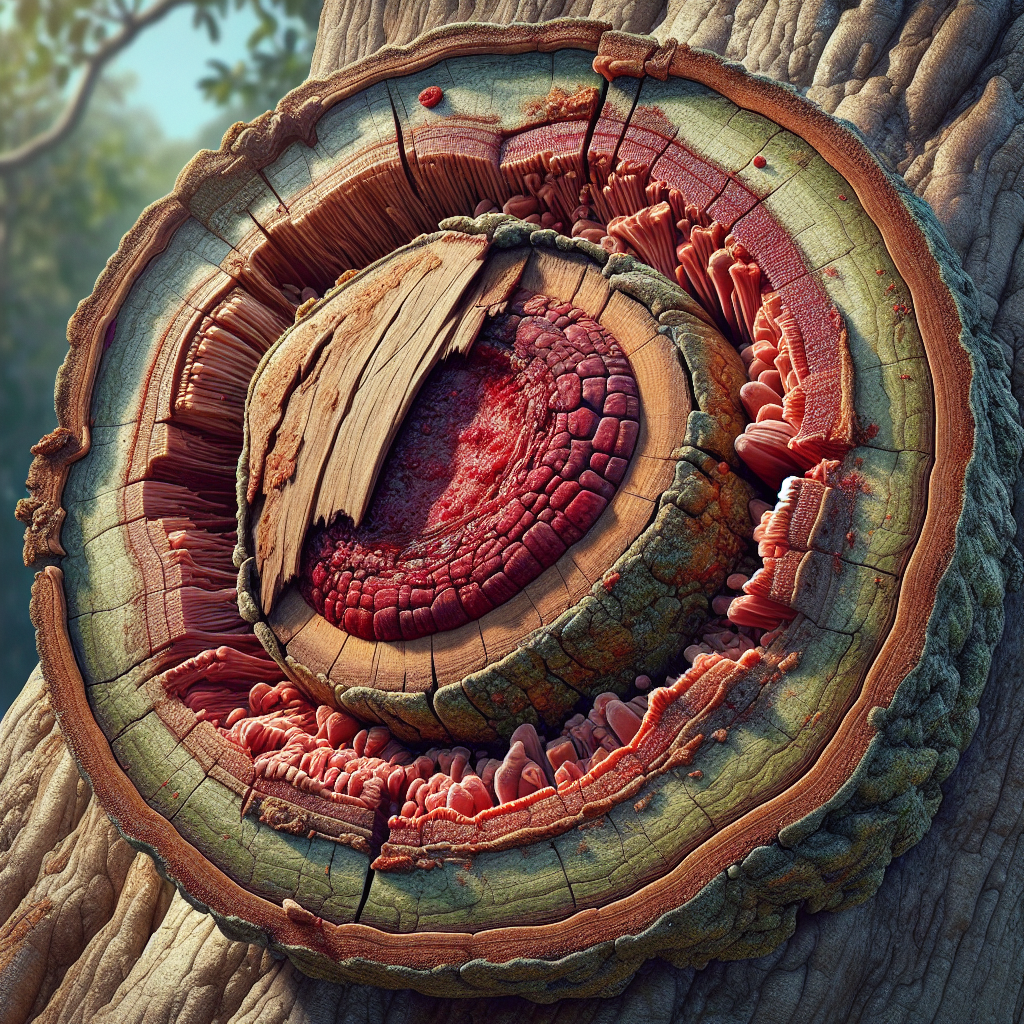
Introduction to Rhizoctonia limb rot
Rhizoctonia limb rot, caused by the soilborne fungus Rhizoctonia solani, represents a significant threat to perennial crops, particularly fruit trees and woody ornamentals. This disease targets the lower limbs and trunks, creating sunken cankers that girdle vascular tissues, disrupting nutrient and water flow. Unlike foliar diseases, Rhizoctonia limb rot strikes at the structural core of plants, often leading to limb dieback and tree decline if unchecked.
First identified in the early 20th century in citrus orchards, it has since spread to diverse crops worldwide, costing growers millions in lost yields and removal costs. The pathogen's resilience—surviving years in soil as dormant sclerotia—makes it notoriously persistent. For Hass Avocado growers, this disease can devastate mature trees, turning productive orchards into liabilities. Understanding its pathology is crucial for effective management in humid, warm agricultural regions.
This guide provides definitive diagnostic criteria, lifecycle insights, and proven organic strategies to combat Rhizoctonia limb rot, empowering farmers to protect their investments.
Identifying Symptoms & Damage
Accurate diagnosis begins with recognizing hallmark symptoms. Initial signs appear as small, water-soaked lesions on lower limbs or trunks, often near the soil line or at injury sites. These lesions expand into sunken, reddish-brown cankers with irregular margins, sometimes exhibiting a characteristic "ropey" fungal growth under humid conditions.
As the disease progresses, bark cracks and peels away, revealing darkened, necrotic wood beneath. Gummosis—oozing sap—may occur in stone fruits like peach. Affected limbs wilt, leaves yellow and drop prematurely, and branches die back from the tips. In severe cases, girdling leads to sudden tree collapse.
Microscopic confirmation reveals brick-red hyphae and barrel-shaped cells unique to R. solani. Differentiate from Phytophthora (which produces zoospores) or Fusarium (pinkish mycelium). Damage is exacerbated in stressed trees, with yield losses up to 50% in untreated avocado groves. Scout regularly during wet seasons, scraping bark to expose early cankers.
Lifecycle and Progression of Rhizoctonia limb rot
R. solani persists as sclerotia—hard, survival structures—in soil or plant debris for 5+ years. Infection initiates via hyphae penetrating wounds or natural openings during warm (75-90°F), moist conditions. Optimal germination occurs at soil moisture above 60% field capacity.
Hyphae colonize cortex tissues, producing enzymes that dissolve cell walls. Within 7-14 days, cankers form; sclerotia develop in 3-4 weeks under high humidity. The fungus spreads via splashing rain, tools, or irrigation, with secondary cycles on senescing tissues.
Progression accelerates in summer rains: lesions expand 1-2 inches weekly. Overwintering sclerotia reinfect in spring. Unlike airborne pathogens, its soil-based lifecycle demands long-term soil management. In mango orchards, progression from limb lesion to girdle takes 2-6 months, depending on vigor.
Environmental Triggers & Risk Factors
Warm, poorly drained soils are prime triggers, with infection peaking at 82°F and waterlogged conditions. High organic matter favors sclerotia survival. Mechanical injuries from cultivation, frost cracks, or rodent damage serve as entry points.
Susceptibility rises in nitrogen-excessive, drought-stressed plants. Continuous monocropping builds inoculum; crop rotation disrupts this. Flood irrigation spreads sclerotia downstream. Climate change intensifies risks with prolonged wet spells. In citrus regions, El Niño years see outbreaks. Compaction from heavy machinery reduces aeration, mimicking waterlogging.
Organic Control & Treatment Plans
Organic management integrates cultural, biological, and barrier tactics. For active infections:
- Pruning: Remove cankers 6-12 inches below visible margins during dry periods; sterilize tools with 10% bleach.
- Soil Solarization: Cover infested areas with clear plastic for 4-6 weeks in summer (kills 80-90% sclerotia).
- Biologicals: Apply Trichoderma harzianum or Bacillus subtilis drenches (2-4 oz/gal water, monthly). These mycoparasites outcompete R. solani.
- Composts: Mulch with aerobic compost tea (rich in Gliocladium antagonists) at 2-inch depth.
- Boosters: Foliar calcium (1 lb/gal) strengthens cell walls.
For Hass Avocado, combine solarization with Trichoderma for 70% control. Monitor with bait tests (radish seedlings). Avoid fungicides to preserve beneficials. See our Soil Health Mastery blog for compost recipes.
Integrated plans yield 85% success in trials. Treat promptly—advanced girdling is irreversible.
Preventing Rhizoctonia limb rot in the Future
Prevention hinges on exclusion and resilience:
- Site Selection: Choose well-drained slopes; avoid low spots.
- Resistant Varieties: Plant tolerant rootstocks (e.g., Dusa for avocado).
- Sanitation: Remove debris; deep plow sclerotia.
- Rotation: 3-5 years with grasses or brassicas.
- Irrigation: Drip only; avoid overhead.
- Mulching: 4-inch organic barriers suppress splash.
- Nutrition: Balanced NPK; avoid excess N.
Biofumigation with mustard cover crops releases isothiocyanates toxic to sclerotia. Annual Trichoderma applications prevent buildup. Scout wounds post-pruning. Learn more in our Spring Pest Patrol blog for monitoring tips.
Crops Most Affected by Rhizoctonia limb rot
Primarily strikes woody perennials:
- Avocados (Hass Avocado, Fuerte): Limb girdling in 20-30% trees.
- Citrus (orange, lemon): Trunk cankers.
- Stone Fruits (peach, plum): Branch dieback.
- Mango (kulfi-mango): Basal rot.
- Others: Apple, grapes, ornamentals.
Tropical/subtropical crops suffer most due to matching climates. Root rots often co-occur, compounding losses.