Introduction to iron deficiency
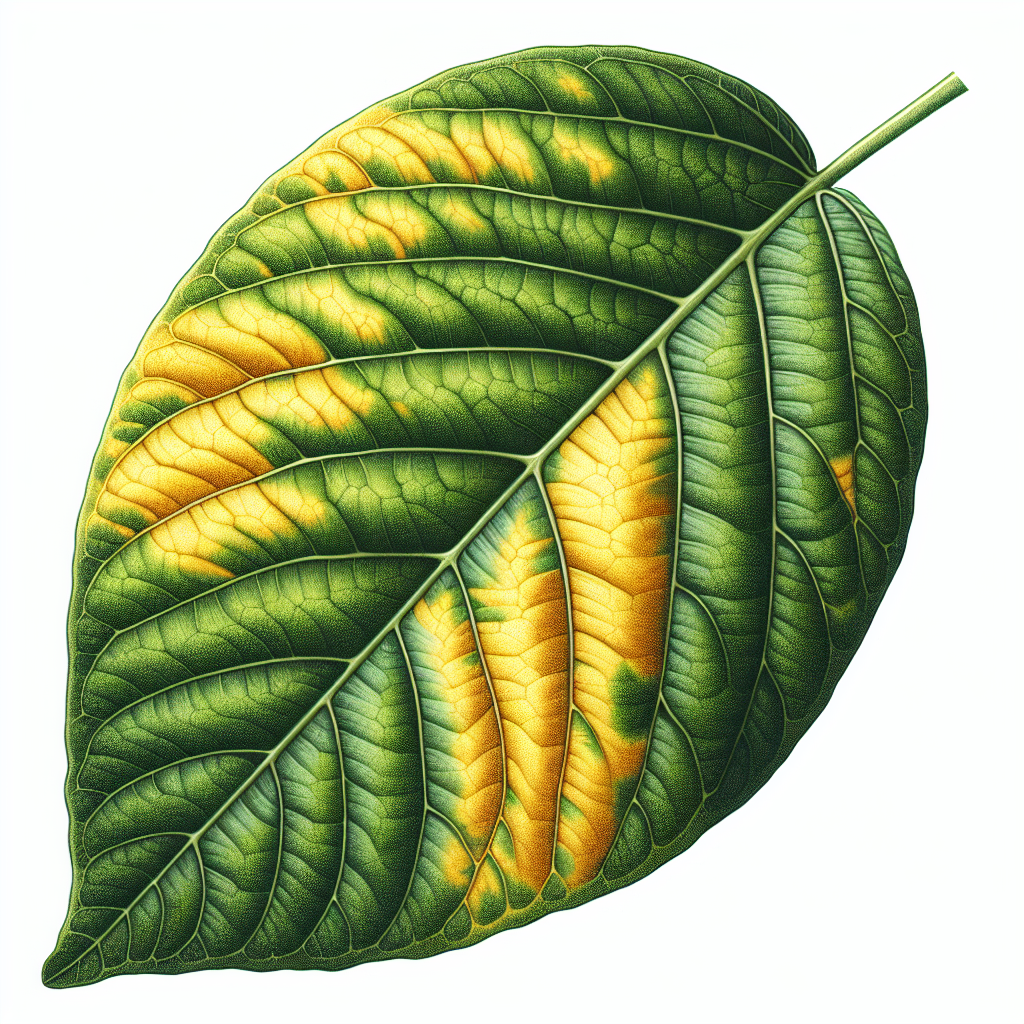
Iron deficiency, often manifesting as chlorosis, is one of the most prevalent nutrient disorders affecting agricultural crops worldwide. Unlike true pests, this abiotic issue stems from the plant's inability to uptake sufficient iron (Fe), an essential micronutrient critical for chlorophyll synthesis, enzyme function, and photosynthesis. Without adequate iron, plants exhibit pale yellowing leaves while veins remain green, leading to stunted growth and reduced yields. This guide provides professional-grade diagnostics, management strategies, and prevention tactics tailored for farmers dealing with iron deficiency in various cropping systems.
Iron plays a pivotal role in nitrogen fixation, respiration, and as a cofactor in numerous enzymatic reactions. Deficiency is especially problematic in high-pH soils where iron becomes insoluble and unavailable to plant roots. Globally, it affects millions of hectares, particularly in regions with calcareous or alkaline soils. Early identification and intervention are key to minimizing economic losses, which can exceed 20-30% in susceptible crops. For detailed insights on affected varieties, see our comprehensive Hass Avocado cultivation guide.
Understanding iron deficiency requires distinguishing it from pests like aphids or diseases such as powdery mildew, which may mimic symptoms. This definitive resource equips growers with actionable steps to diagnose, treat, and prevent recurrence, ensuring robust crop performance. Whether managing small farms or large operations, mastering iron nutrition boosts resilience against environmental stresses.
Identifying Symptoms & Damage
Iron deficiency symptoms typically appear first on the youngest leaves, as iron is not mobile within the plant and new growth demands priority supply. The hallmark sign is interveinal chlorosis, where leaf tissue between veins turns pale yellow or white, while veins retain dark green coloration due to localized iron accumulation. In severe cases, entire young leaves bleach white, and plants may exhibit stunted internodes, small leaves, and reduced vigor.
Progression varies by crop: in fruit trees like citrus or avocado, chlorosis starts in basal shoots and spreads upward; in vegetables such as spinach or tomato, it affects top foliage rapidly. Damage includes diminished photosynthesis, leading to lower carbohydrate production, poor fruit set, and small, low-quality yields. Economic impacts are profound—yield losses of 15-50% are common, with affected fruits showing green cores or rind disorders.
To diagnose accurately, conduct a soil test measuring pH (above 7.0 indicates risk) and DTPA-extractable iron (below 2.5 ppm signals deficiency). Tissue analysis confirms: leaf Fe levels under 50 ppm dry weight. Differentiate from manganese or zinc deficiency (which affect older leaves) and nitrogen deficiency (uniform yellowing). Visual scouting: check for mottled patterns or 'bronzing' in advanced stages. Use a magnifying glass to rule out mites or thrips, which cause similar speckling. Prompt diagnosis prevents irreversible damage, safeguarding productivity.
Lifecycle and Progression of iron deficiency
Iron deficiency lacks a biological lifecycle like pests; instead, it follows a progressive physiological cycle tied to plant growth stages and environmental conditions. It begins during active vegetative growth when root demand surges for iron in chlorophyll production. In high-pH soils (>7.5), iron precipitates as Fe³⁺ hydroxides, rendering it unavailable despite adequate total soil iron.
Stage 1: Early onset (2-4 weeks post-emergence/transplant): subtle paling of newest leaves. Stage 2: Moderate (4-8 weeks): pronounced interveinal chlorosis, 20-50% leaf area affected. Stage 3: Severe (8+ weeks): full bleaching, necrosis, leaf drop, and growth cessation. In perennials like grapes or strawberry, it recurs annually without correction, compounding over seasons.
Progression accelerates under high light, warm temperatures, and excessive moisture, which enhance root activity but not iron solubility. Bicarbonate in irrigation water exacerbates it by raising rhizosphere pH. In hydroponics, rapid onset occurs if chelates degrade. Recovery is possible if addressed early; untreated cases lead to permanent yield penalties. Monitor during peak demand periods: spring flush in trees, vegetative phase in annuals.
Environmental Triggers & Risk Factors
Several factors trigger iron deficiency, primarily soil alkalinity (pH 7.0-8.5) in calcareous, limestone-derived soils. High bicarbonate levels (>3 meq/L) in water bind iron, preventing uptake. Compacted or waterlogged soils limit root exploration, while excessive phosphorus or manganese competes for absorption.
Climate influences: warm, arid regions like California's Central Valley or Mediterranean zones heighten risk due to low organic matter and irrigation with alkaline water. Sandy soils leach iron rapidly; clay loams lock it in insoluble forms. Over-liming or high ammonium fertilizers raise pH, worsening symptoms.
Crop-specific risks: calcifuge species like blueberry or raspberry are highly susceptible. Intensive monocropping depletes micronutrients. For small farms battling these issues, check out Soil Health Mastery: 5 Proven Strategies for Small Farms to Build Fertile Ground Without Breaking the Bank. Pathogen interactions, like root rot, compound damage by impairing roots.
Organic Control & Treatment Plans
Organic management prioritizes soil acidification using elemental sulfur (1-2 lbs/100 sq ft, applied 3-6 months prior) or organic acids from composted pine needles, peat moss, or cottonseed meal. Incorporate chelated iron like Fe-EDDHA (1-2 oz/gal water, foliar at 2-4% solution) for immediate uptake—apply early morning to avoid photodegradation.
Foliar sprays: ferrous sulfate (1 lb/gal) with citric acid surfactant, repeated weekly until recovery. Soil drenches: humic/fulvic acids enhance solubility. Mulch with acidic materials (oak leaves, peat) to lower pH gradually. In hydroponics, use Fe-DTPA chelates at 2-5 ppm.
Integrated plan: 1) Test soil/tissue quarterly. 2) Apply sulfur pre-planting. 3) Foliar feed at first symptoms. 4) Monitor pH. Rotate with iron-accumulating cover crops like clover. Avoid overwatering. Success rates exceed 80% with consistent application, restoring green-up in 7-14 days.
Preventing iron deficiency in the Future
Prevention hinges on proactive soil management. Maintain pH 5.5-6.5 via annual amendments: ammonium sulfate (1 lb/100 sq ft) or gypsum in sodic soils. Select iron-efficient cultivars—e.g., resistant rootstocks for citrus or peach. Implement drip irrigation with acidified water (pH 5.8 via sulfuric acid injection).
Build soil organic matter to 3-5% with compost, green manures. Use precision tools for variable-rate liming avoidance. Scout regularly during high-risk periods. Long-term: mycorrhizal inoculants boost uptake. Track via seasonal tissue tests. These strategies reduce incidence by 90%, ensuring sustained yields.
Crops Most Affected by iron deficiency
Iron deficiency plagues high-value, calcifuge crops: avocado (Hass varieties suffer 30% yield loss), citrus (navel oranges show veinal chlorosis), grapes (Thompson Seedless), strawberry, blueberry, raspberry, fruit trees like pear and stone fruits. Vegetables: spinach, lettuce, cabbage, beet, Swiss chard. Row crops: soybeans, peanuts. Ornamentals and turf also vulnerable. Alkaline regions report highest impacts.