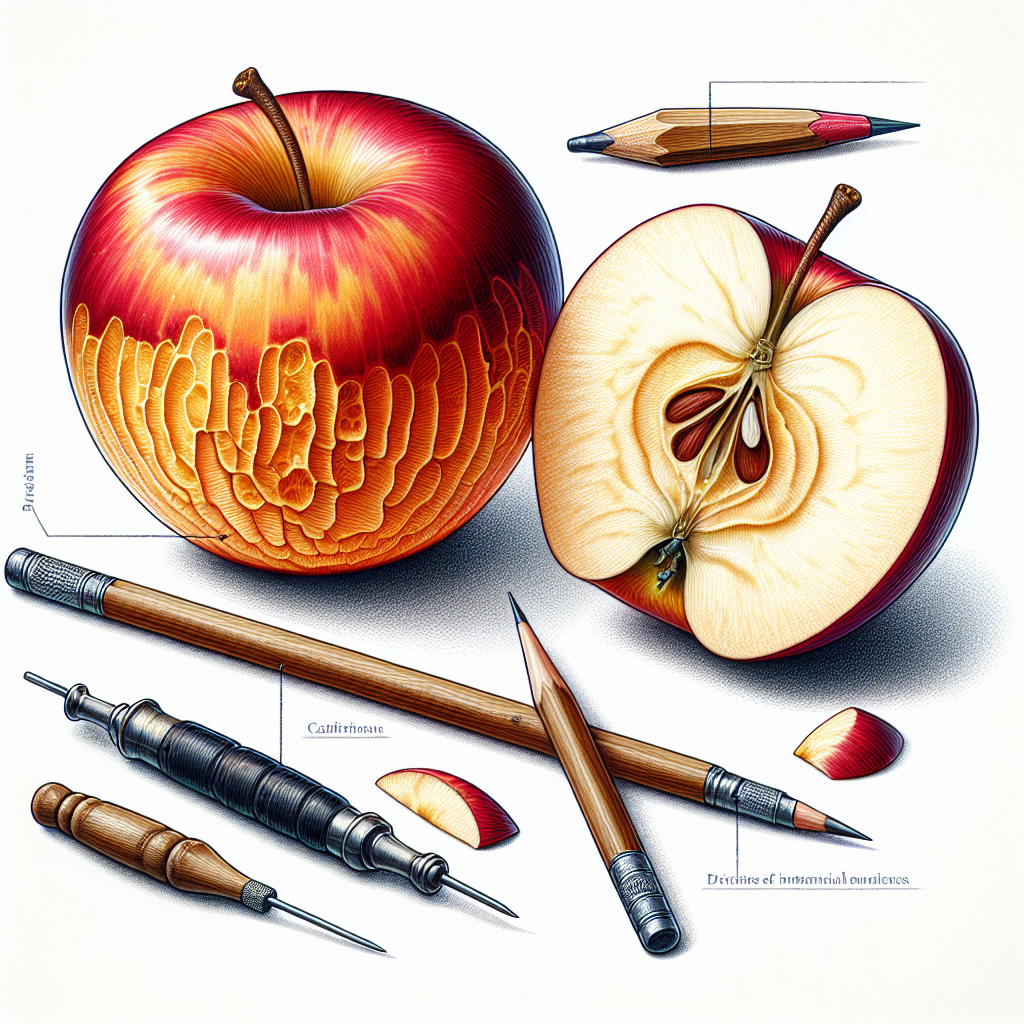
Introduction to Braeburn browning disorder
Braeburn browning disorder (BBD) is a pervasive physiological disorder primarily targeting Braeburn Apple cultivars, leading to internal fruit discoloration and structural damage. First documented in the late 1990s in New Zealand orchards—where Braeburn apples originated—this disorder has since spread to major apple-producing regions worldwide, including the United States, Europe, and Australia. Unlike biotic pests such as codling moth or diseases like apple scab, BBD is non-infectious and stems from abiotic stresses, making it particularly challenging for growers.
The economic toll is substantial: affected fruits exhibit unsightly internal browning, cavities, and off-flavors, resulting in cull rates of 20-50% in severe cases. This guide provides comprehensive diagnostics, lifecycle insights, triggers, organic management strategies, prevention tactics, and affected crops. For small farms, early detection through vigilant scouting is key. Learn more about optimizing orchard health in our Spring Pest Patrol: Organic AI Strategies to Shield Your Crops from Common Invaders.
Understanding BBD is crucial for Braeburn growers aiming to maximize marketable yield. Symptoms often mimic bitter pit—a calcium-related disorder—but BBD involves more diffuse browning without the characteristic corky lesions. Research from institutions like Washington State University highlights its links to diffuse flesh browning, exacerbated by pre-harvest factors. This definitive resource equips agricultural professionals with actionable insights to diagnose, manage, and prevent BBD effectively.
Identifying Symptoms & Damage
Accurate identification of Braeburn browning disorder is the cornerstone of effective management. External symptoms are subtle: fruits may appear healthy with vibrant red-orange striping typical of Braeburn apples. However, upon cutting, internal flesh reveals tan to brown discoloration, often starting lens-shaped around the core and spreading outward. Advanced cases show large cavities, mealy texture, and water-soaked areas, rendering fruit unpalatable and unsuitable for fresh market or processing.
Key diagnostic features include:
- Diffuse browning: Unlike localized bitter pit pits, BBD affects broader flesh areas without external depressions.
- No fungal growth: Absence of mycelium distinguishes it from rots like Botrytis.
- Firmness retention: Affected tissue remains firm, not soft like in storage rots.
Damage progression varies by severity. Mild cases (<10% flesh affected) may pass visual inspection but fail taste tests. Moderate (10-30%) leads to consumer rejection. Severe (>30%) causes total cull. Yield losses average 15-25% annually in susceptible orchards, with hotspots in high-density plantings. Scout weekly from fruitlet stage (king fruitlet ~15mm diameter) through harvest, slicing 20-50 fruits per block. Use a rating scale: 0 = unaffected, 1 = mild spotting, 5 = severe cavitation.
Differential diagnosis is essential. Rule out fire blight (vascular necrosis), Alternaria (dark lesions), and nutrient imbalances via tissue analysis. Lab confirmation involves microscopy showing collapsed cells without pathogens. Early symptoms coincide with rapid fruit sizing (late summer), emphasizing timely intervention.
Lifecycle and Progression of Braeburn browning disorder
Braeburn browning disorder lacks a biological lifecycle as it's not pest- or pathogen-driven. Instead, it follows a developmental progression tied to fruit ontogeny and environmental cues. Initiation occurs during cell division (first 30 days post-bloom), when calcium translocation falters, creating susceptible tissues. Progression accelerates during cell expansion (pit-hardening to pre-harvest), with browning evident 4-6 weeks pre-harvest.
Stages of Progression:
- Susceptibility Window (Bloom to 60 DAFB): Calcium demand peaks; imbalances set stage for disorder.
- Latent Phase (60-120 DAFB): Microscopic cell wall breakdown; no visible signs.
- Symptom Expression (120 DAFB to Harvest): Browning visible on slicing; cavities form under low-oxygen stress.
- Post-Harvest Advance: Cold storage (0-4°C) exacerbates via ethylene-induced senescence, with 20-30% symptom increase over 3 months.
Annual recurrence is common without mitigation, peaking in years with cool springs followed by hot summers. Progression models from New Zealand's Plant & Food Research predict incidence using degree-day accumulations and rainfall deficits. Monitor with cut-fruit assays biweekly from July (Northern Hemisphere). Progression halts if calcium sprays applied early, underscoring proactive timing.
Environmental Triggers & Risk Factors
BBD arises from an interplay of genetic predisposition, nutritional deficits, and climatic extremes. Braeburn's thin skin and firm flesh heighten vulnerability compared to Gala Apple or Fuji Apple.
Primary Triggers:
- Calcium Deficiency: Core issue; fruits <0.08% dry weight Ca prone. High N/K ratios exacerbate uptake competition.
- Temperature Fluctuations: Day/night swings >15°C disrupt Ca movement; hot days (>30°C) + cool nights prime symptoms.
- Water Stress: Deficit irrigation reduces transpiration-driven Ca delivery.
- High Humidity: Limits evaporation, concentrating sugars and stressing cells.
Risk Factors:
- Soil pH >7.0 limits Ca availability.
- Heavy pruning increases vigor, diluting Ca.
- Late-season N applications (>30 kg/ha).
- Dense canopies reducing light penetration.
Orchards on sandy, low-organic-matter soils face 2-3x higher risk. Climate change intensifies triggers, with models forecasting 15% incidence rise by 2030 in warming regions. Soil tests (aim for 1000+ ppm exchangeable Ca) and weather stations enable risk forecasting.
Organic Control & Treatment Plans
Organic management emphasizes cultural and nutritional strategies, avoiding synthetics. Integrated plans reduce incidence by 60-80%.
Immediate Treatment (Symptom Detection):
- Apply foliar Ca (e.g., calcium chloride 0.5-1%, 3-5x at 14-day intervals) from 20mm fruitlet size.
- Stop N fertilizers post-pit hardening.
Comprehensive Organic Plan:
- Soil Amendments: Gypsum (2-4 t/ha) + compost (20 t/ha annually) boosts Ca and buffers pH.
- Irrigation Management: Drip systems maintaining -20 to -40 kPa soil moisture; avoid overwatering.
- Pruning & Thinning: Maintain 50% light interception; thin to 1 fruit/spur.
- Mulching: Organic matter (straw 10cm) conserves moisture, enhances Ca cycling.
- Biological Enhancers: Mycorrhizal inoculants improve nutrient uptake.
Monitoring Protocol: Weekly cut tests + sap analysis (target 1500 ppm Ca). Rotate with less susceptible cultivars like Honeycrisp Apple. Post-harvest, store at 1°C with 1% O2 to slow progression. Success stories from organic orchards report <5% incidence via consistent programs.
Preventing Braeburn browning disorder in the Future
Prevention hinges on long-term orchard health optimization. Start with site selection: avoid Ca-poor soils; amend pre-planting with lime/gypsum to pH 6.5.
Proactive Strategies:
- Varietal Choice: Interplant resilient Granny Smith Apple.
- Fertility Program: Balanced NPK (100:30:150 kg/ha) + annual Ca foliairs.
- Climate Adaptation: Shade cloth for heat waves; windbreaks for fluctuations.
- Rootstock Selection: M9/MM106 for better Ca efficiency.
- Scouting Tech: Drones for uniformity; tissue sampling quarterly.
Annual audits track trends; adjust based on 3-year averages. Cover crops like clover fix Ca, reducing risk 25%. Educate teams on symptoms for rapid response. Sustainable prevention yields ROI via 20% higher packout.
Crops Most Affected by Braeburn browning disorder
Primarily Braeburn Apple, with 80% cases. Related cultivars like Pink Lady Apple and [Jazz Apple] show 10-20% susceptibility. No other major crops affected, though similar disorders occur in pear (internal breakdown) and Honeycrisp Apple (bitter pit complex). Focus management on Braeburn blocks.